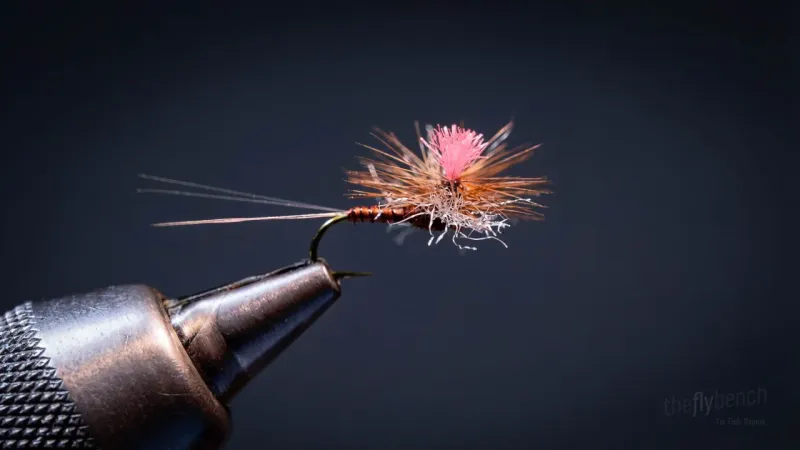
NymphDesert Storm
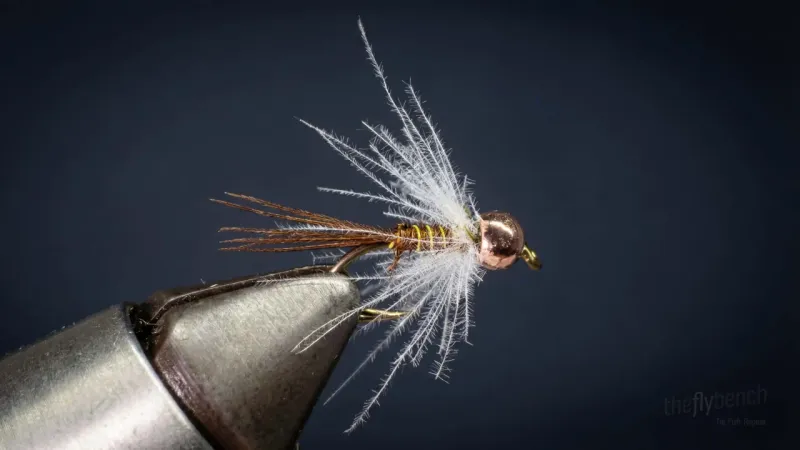
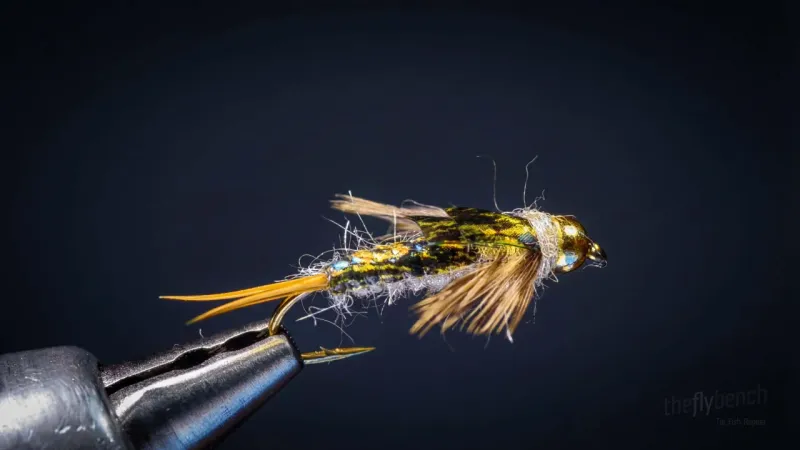
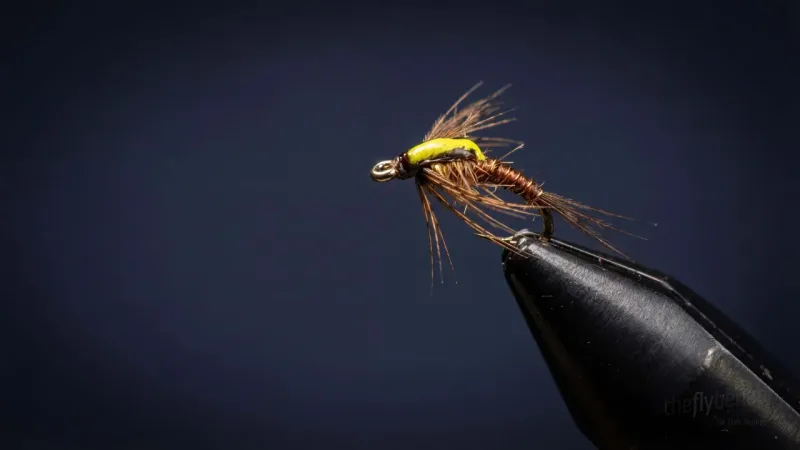
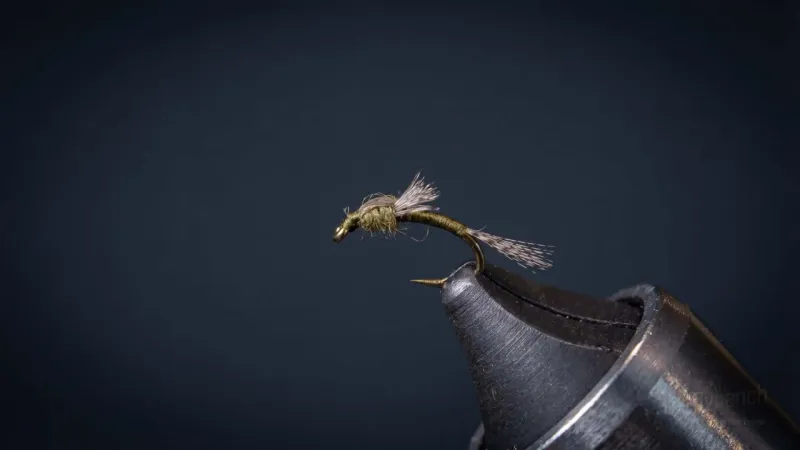
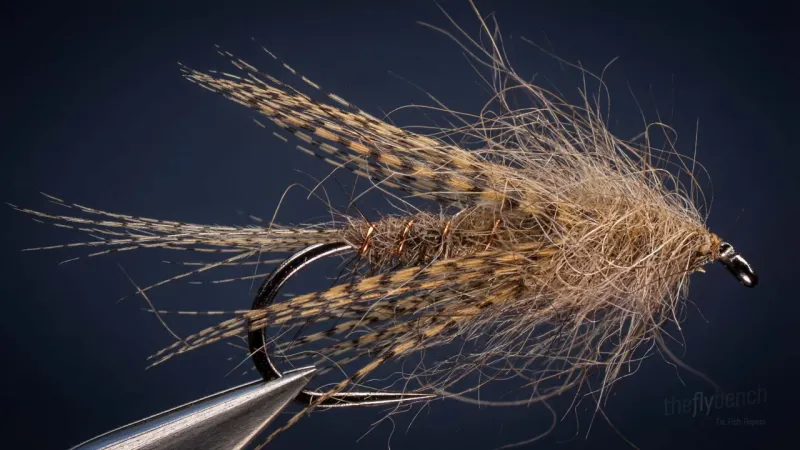
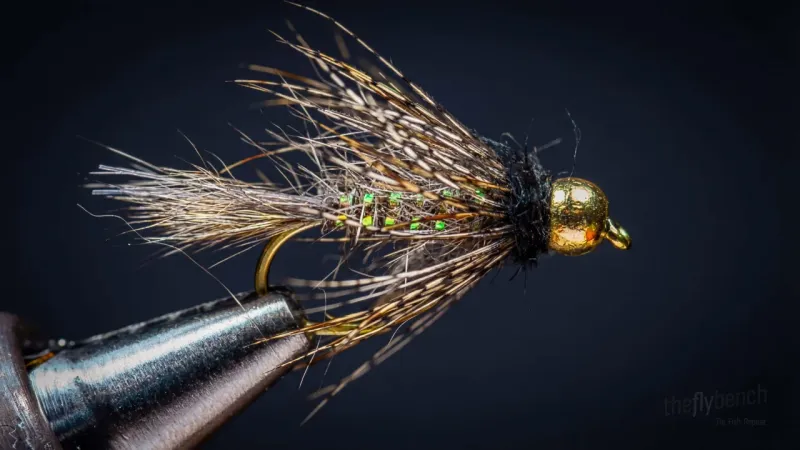
The Desert Storm is a unique fly pattern designed to imitate a mayfly nymph. The fly's tan and brown coloration mimics the natural colors found in many mayfly nymph species, making it a versatile pattern for a variety of fishing scenarios.
Spring, Summer, Fall
Intermediate
Trout
Apr 2025
Overview
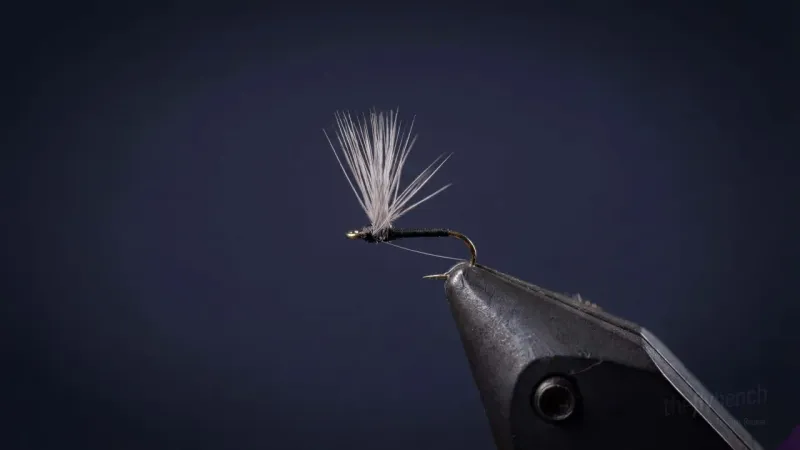
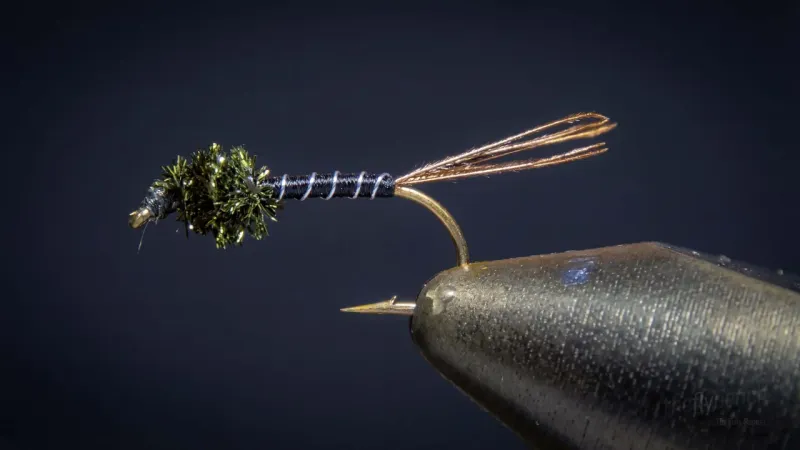
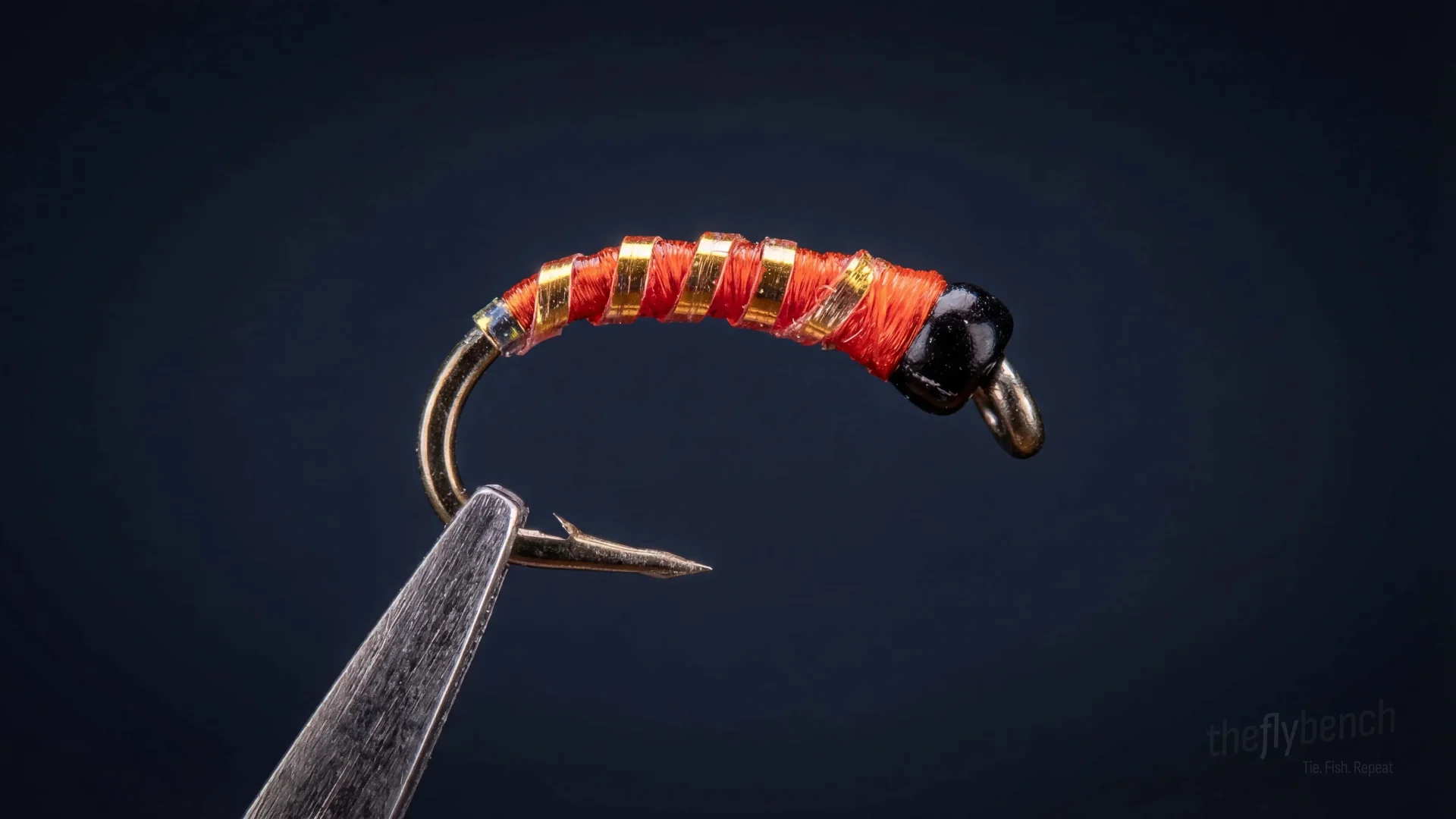
A micro midge emerger with a small bead, thread or wire body, and a trailing shuck. Typically tied in cream, tan, or pale olive, it's meant to imitate midges in arid western tailwaters. Small CDC or Antron adds subtle movement and float.
Where to Buy This Fly
We only link to fly shops we trust. Some links are referral links, which may earn us a commission at no extra cost to you.
Materials
- Hook:
- #18-24 Tiemco 2487
- Bead:
- Black Glass or Brass Bead
- Thread:
- Fl. Fire Orange UTC 70
- Rib:
- Pearl Flashabou
Behavior & Presentation
Natural Behavior: Mayfly nymphs burrow shallowly into sandy and gravelly bottoms of spring creeks, becoming visible silhouettes against light substrate during drift cycles. Fish in clear waters track and intercept every tumbling nymph during deliberate feeding.
Where Trout Eat It: Fish feed on drifting nymphs near the bottom in clear spring creeks and desert streams with sandy substrate.
How to Fish It: Dead-drift near the bottom using indicator or Euro techniques to match natural tumbling movement.
Best Water: Most effective in runs, pools, and tail-outs with clear water and light-colored bottom where nymphs are visible.
Strike Type: Watch for tiny indicator twitches or barely visible line movements as selective spring creek trout sip the micro emerger.
Fishing Strategy
Rigging Suggestions: Can be used as a point fly in a multi-fly nymph rig or as a standalone nymph. Weight can be added to the leader if necessary to ensure the fly gets down to the bottom.
Seasonal Timing: . This is when mayflies are most active and trout are likely to be feeding on them. When trout are feeding on mayflies or during a mayfly hatch before the duns start to emerge.
Pro Tips: This fly sinks due to its weight and is designed to be fished along the bottom. The UV resin on the wingcase adds a bit of flash, making it more visible to fish.
Entomology
Mayfly nymphs inhabit the sandy and gravelly bottoms of desert and spring creek environments, burrowing shallowly into substrate between drift cycles. Fish in these clear, fertile waters see every tumbling nymph silhouette against the light bottom, targeting them during deliberate feeding because the nymphs' exposed profile during drift makes them easy to track and intercept in the clear water column.
- Order
- Ephemeroptera
- Common Name
- Mayfly
- Organism Type
- insect
- Life Stage
- nymph