NymphLightning Bug
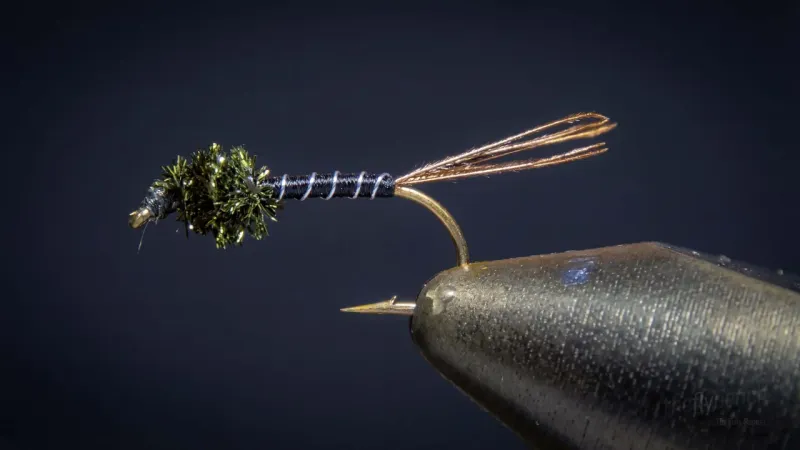
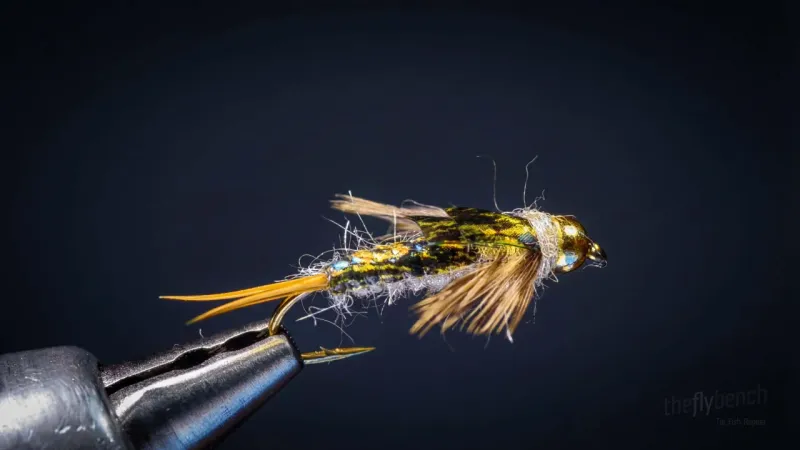
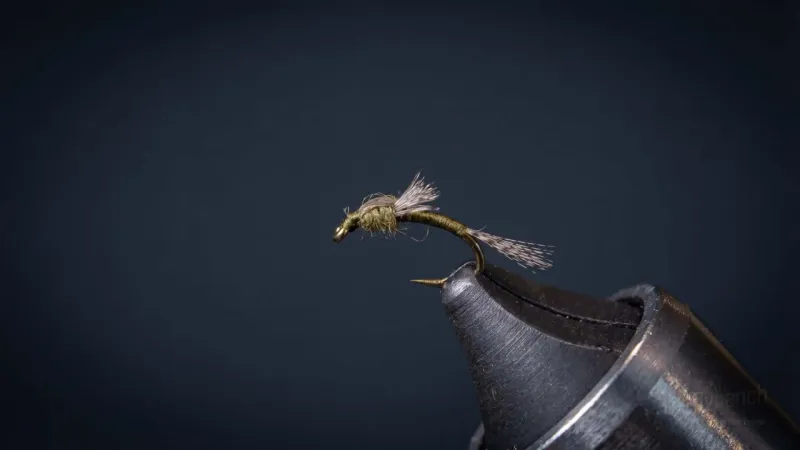
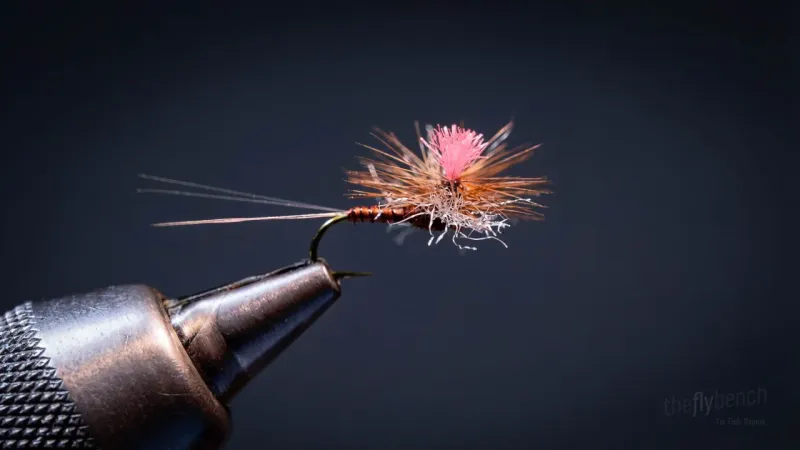
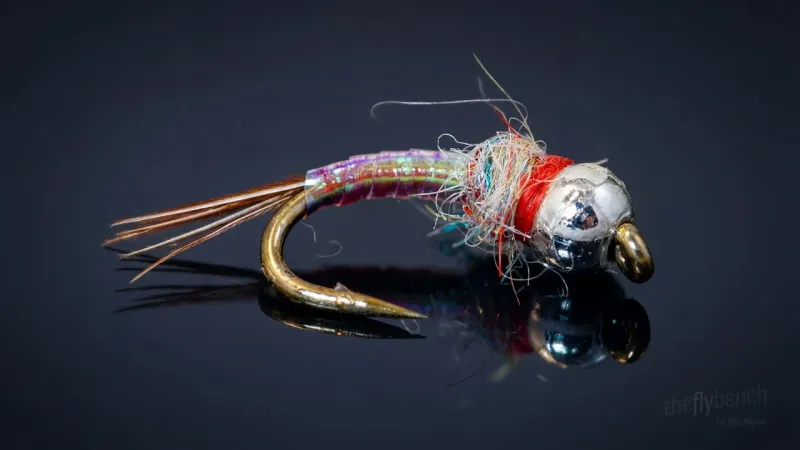
The Lightning Bug is a flashy, attention-grabbing nymph pattern. It's designed to imitate a variety of small mayfly nymphs and midges, making it a versatile choice for many different fishing conditions. Its bright, reflective materials make it particularly effective in clear water and sunny conditions.
Year Round
Intermediate
Trout
Apr 2025
Overview
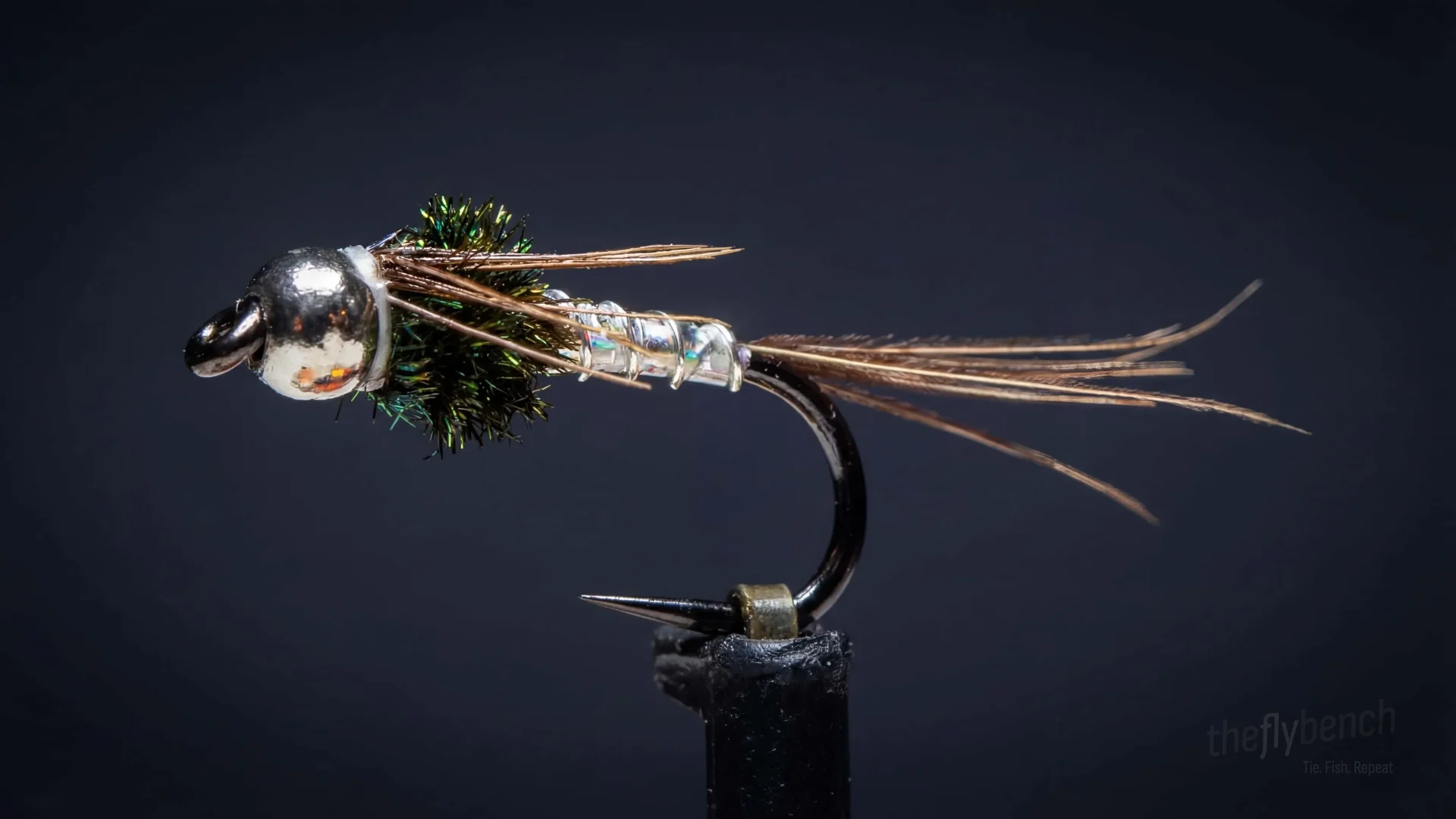
This flashy nymph pattern uses a pearl or holographic tinsel body, with wire ribbing, a peacock herl thorax, and a bead head. It's quick to tie and effective in various colors (silver, green, red), especially in fast water.
Where to Buy This Fly
We only link to fly shops we trust. Some links are referral links, which may earn us a commission at no extra cost to you.
Materials
- Hook:
- Fulling Mill FM5085, sizes #14-#18
- Head:
- Nickel-color tungsten bead, 7/64-inch
- Thread:
- White, 8/0 or 140-denier
- Weight:
- Lead-free round wire, .015
- Rib:
- Silver Ultra Wire, small
- Tail:
- Natural pheasant-tail fibers
- Body:
- Silver Holo Tinsel, medium
- Wingcase:
- Opal Mirage Tinsel, large
- Legs:
- Natural pheasant-tail fibers
- Thorax:
- 2 peacock herls
Behavior & Presentation
Natural Behavior: Mayfly nymphs cling to rocky substrates and aquatic vegetation in moderate to fast currents, occasionally dislodging and tumbling helplessly along the bottom before regaining their grip. Fish target these vulnerable moments when nymphs are swept into the water column, recognizing them as easy, protein-rich meals requiring minimal energy expenditure.
Where Trout Eat It: Trout strike this flashy attractor throughout water column in clear conditions where reflective tinsel attracts from distance.
How to Fish It: Dead drift or twitch slowly to add movement. Use as lead attractor fly while trailing natural nymph closes deal.
Best Water: Most effective in riffle tailouts with moderate flow, pool heads, and along weed edges where flash draws cruising fish.
Strike Type: The strike feels like a subtle tick or brief stoppage in the drift as trout intercept the flashy nymph. Watch your sighter or indicator for any hesitation or sideways movement.
Fishing Strategy
Rigging Suggestions: Use a sink tip or full sinking line to get this fly down quickly. A fluorocarbon tippet can help it sink faster and make it less visible to the fish.
Seasonal Timing: Effective during active feeding periods throughout the season. Fish morning and evening for best results.
Pro Tips: The Lightning Bug is designed to sink and stay submerged. Its bright, reflective body makes it highly visible to fish in clear water.
Entomology
Mayfly nymphs cling to rocky substrates and aquatic vegetation in moderate to fast currents, occasionally dislodging and tumbling helplessly along the bottom before regaining their grip. Fish target these vulnerable moments when nymphs are swept into the water column, recognizing them as easy, protein-rich meals requiring minimal energy expenditure.
- Order
- Ephemeroptera
- Common Name
- Mayfly
- Organism Type
- insect
- Life Stage
- nymph