Midge / EmergersCDC Transitional Midge
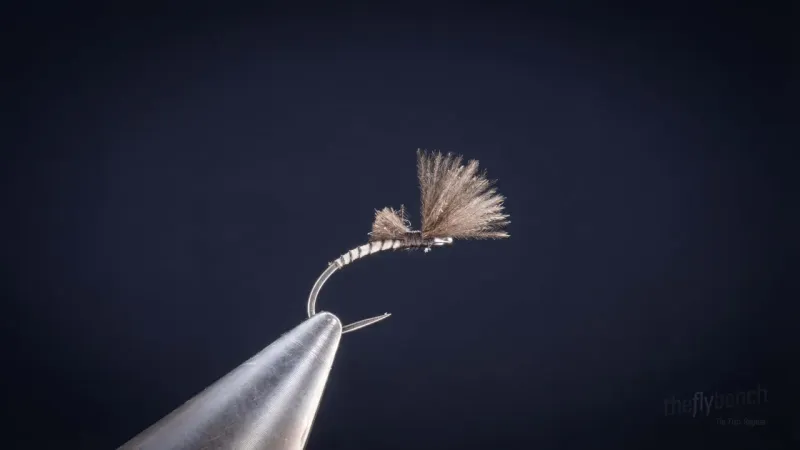
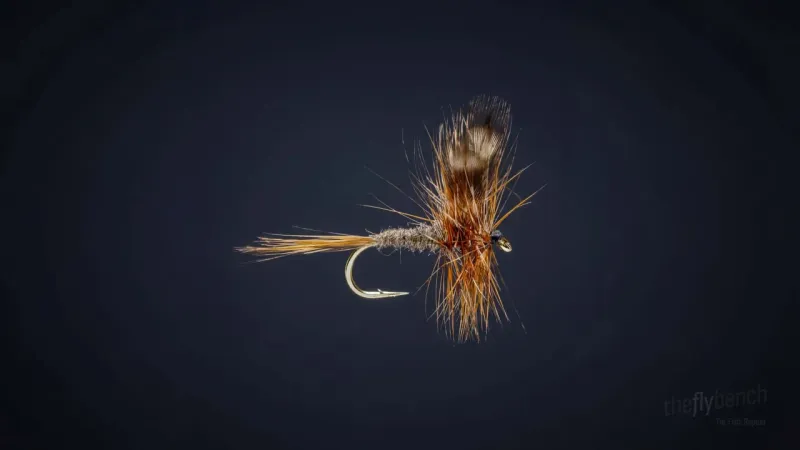
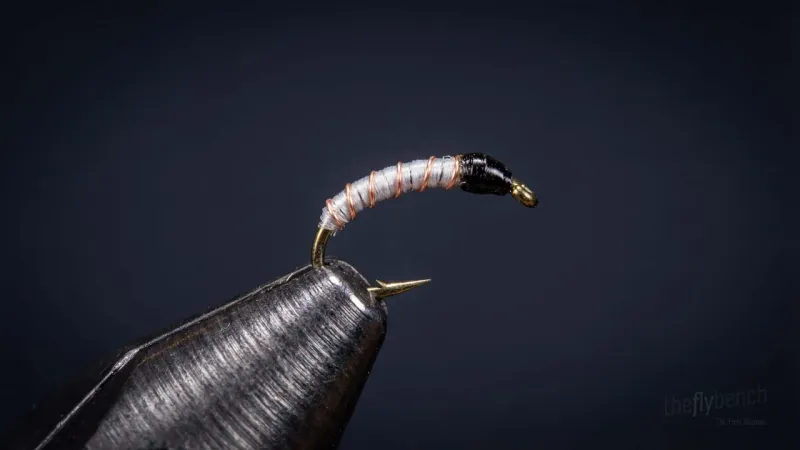
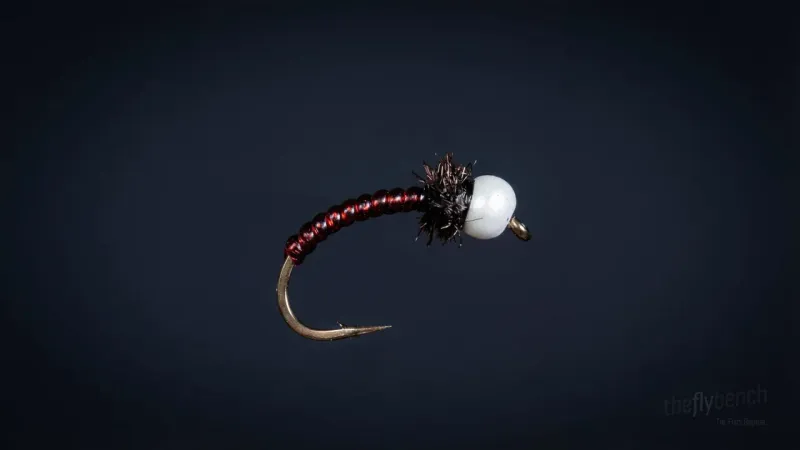
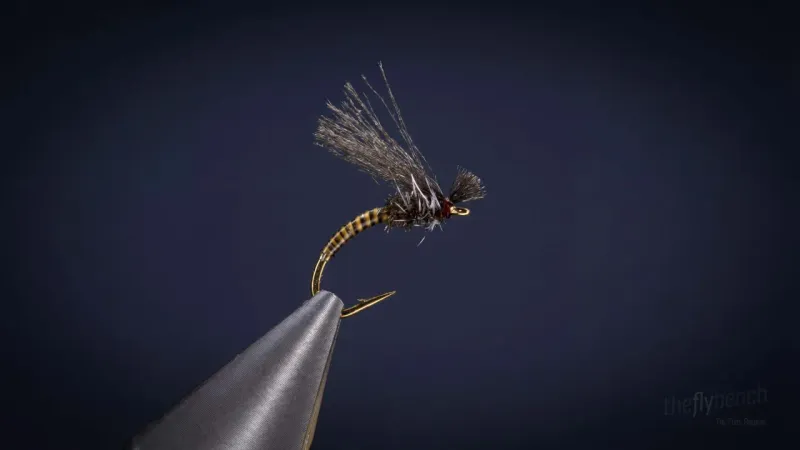
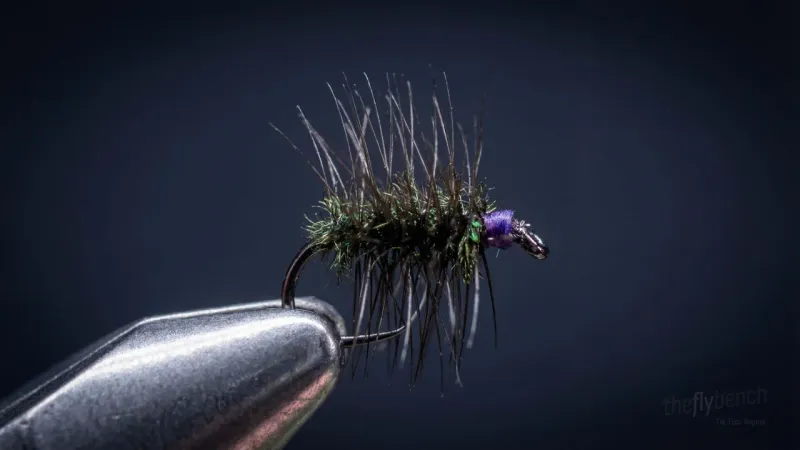
The CDC Transitional Midge is a highly effective surface pattern that mimics an emerging midge pupa. The CDC provides excellent floatation and the slim body gives it a realistic silhouette.
Spring, Fall
Advanced
Trout
Apr 2025
Overview
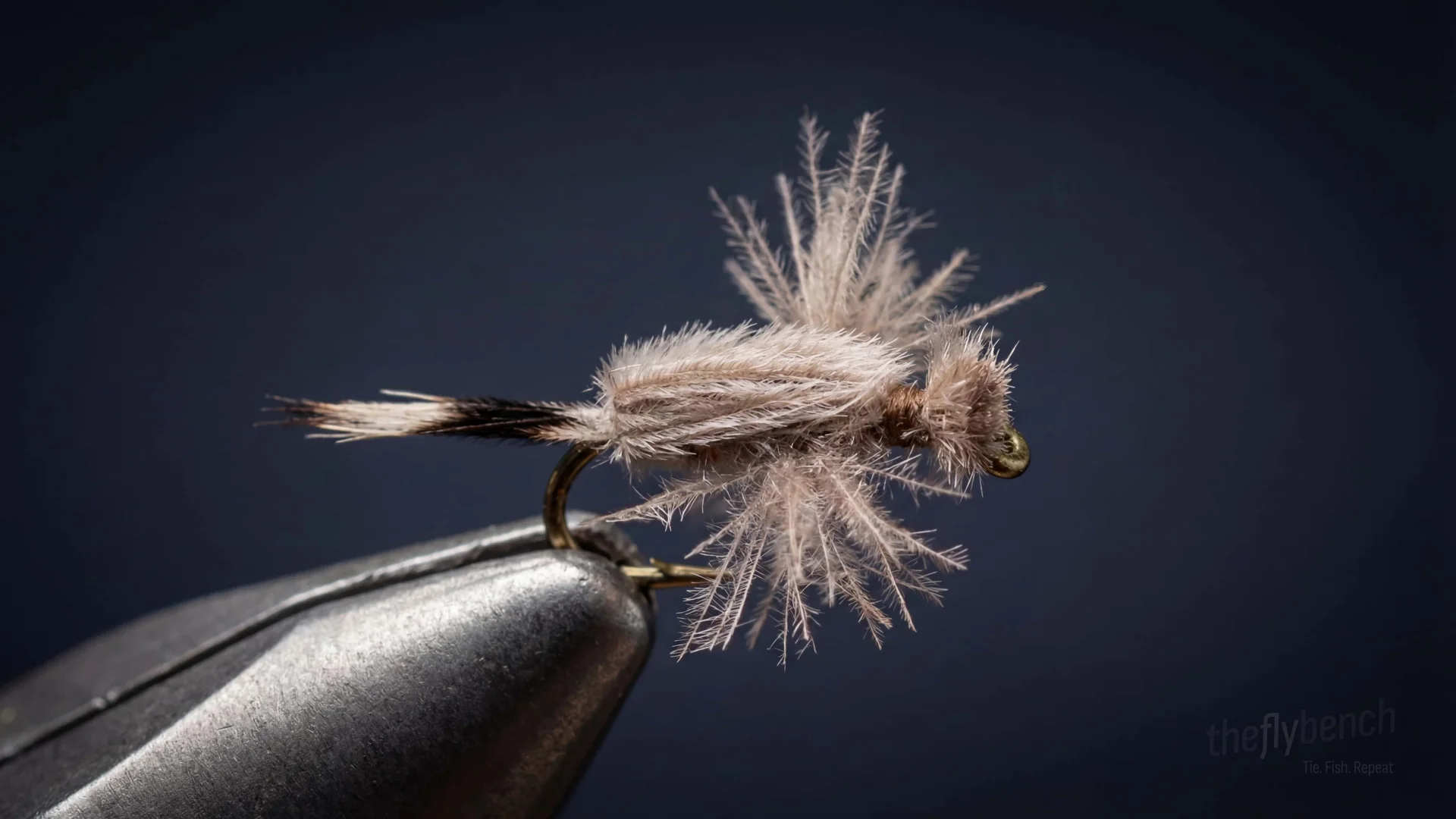
This emerger-style midge pattern is tied to represent the moment a midge is emerging through the surface film. It features a sparse, tapered body (often thread or fine dubbing), a CDC puff for the wing to mimic the adult emerging, and may include a trailing shuck of Zelon. The CDC adds both buoyancy and a natural sheen, making it effective in flat water when fish are sipping emergers.
Where to Buy This Fly
We only link to fly shops we trust. Some links are referral links, which may earn us a commission at no extra cost to you.
Materials
- Hook:
- Standard dry-fly hook (here a TMC 100), size 18-22.
- Thread:
- 6/0 or 140 Denier, olive.
- Tail:
- Grizzly neck feather.
- Wingcase/Wings/Head:
- CDC Puff, dark natural.
- Body:
- Australian possum dubbing, natural.
Behavior & Presentation
Natural Behavior: The transitioning midge hangs vertically beneath the film, partially emerged with the adult trapped in the pupal shuck. Struggles to escape create subtle movement that cruising fish detect.
Where Trout Eat It: Fish patrol just below the surface in current seams and slicks, targeting the film zone where midges cluster during emergence.
How to Fish It: Suspend in the film with dead drifts, allowing the CDC to maintain the critical depth where fish are focused. Patience matches the natural's prolonged hang.
Best Water: Work current seams where surface lanes concentrate emergers, slicks with visible risers, and tail-outs during midge activity.
Strike Type: Barely visible sips or subtle dimples as fish gently inhale the suspended midge.
Fishing Strategy
Rigging Suggestions: Fish on a 10-12 foot leader with 6X or 7X tippet for spooky fish. Can be fished solo or as dropper below a small dry fly like a Parachute Adams.
Seasonal Timing: Prime during April-May and October-November midge hatches, though effective any time water temperatures are between 38-55°F. months can produce exceptional results on tailwaters.
Pro Tips: Apply floatant only to the CDC wing, allowing the body to hang in the film. During spinner falls, this pattern doubles as an effective midge cluster imitation.
Entomology
Transitional midges hang in the surface film with their pupal shuck half-shed, trapped in the meniscus as the adult insect struggles to free itself from the confining exoskeleton. This protracted emergence process leaves them completely helpless for extended periods, often minutes, creating a feeding opportunity where fish sip emergers methodically. The clustering of emergers during peak hatch periods triggers sustained surface feeding as trout move into position beneath seams and eddies.
- Order
- Diptera
- Family
- Chironomidae
- Common Name
- Midge
- Organism Type
- insect
- Life Stage
- general