Midge / EmergersEric's Midge
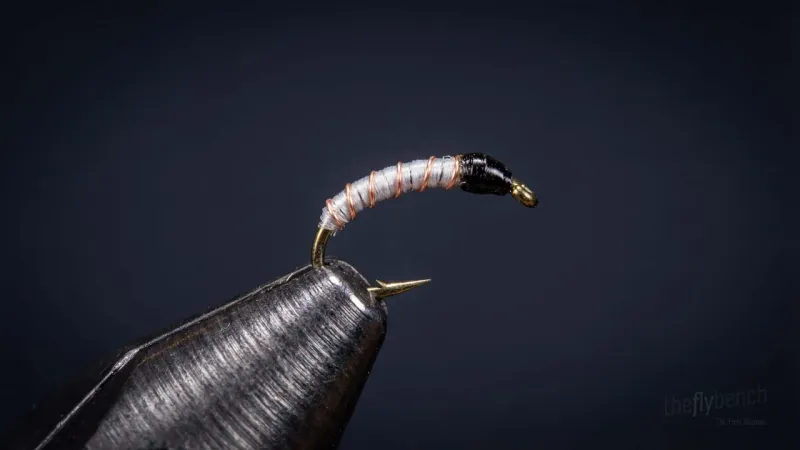
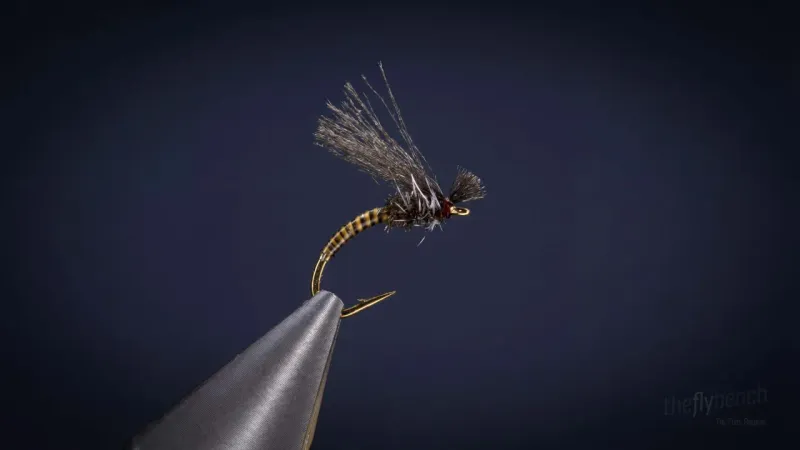
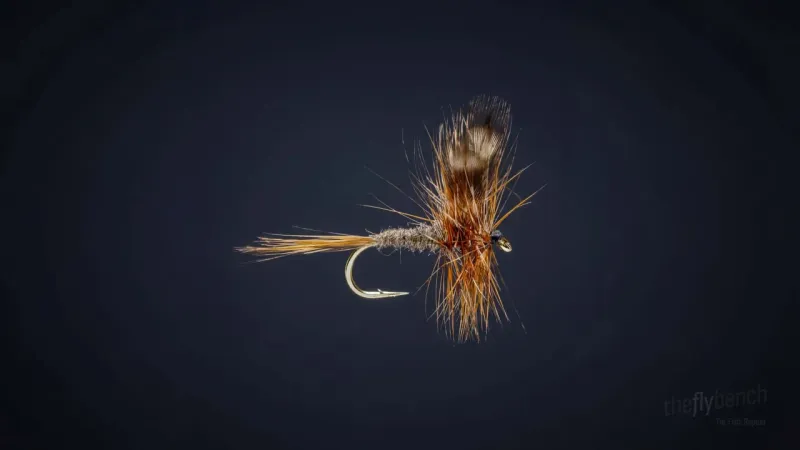
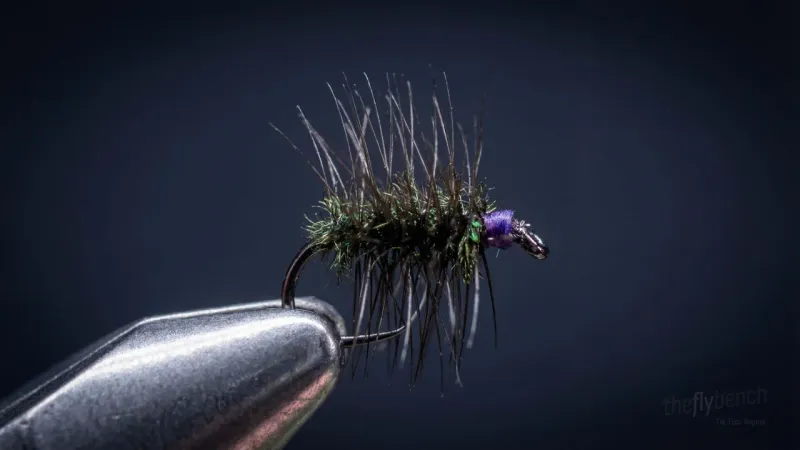
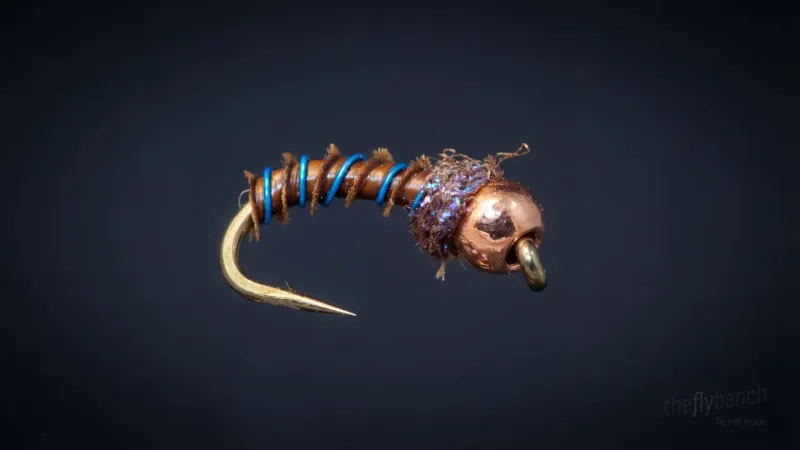
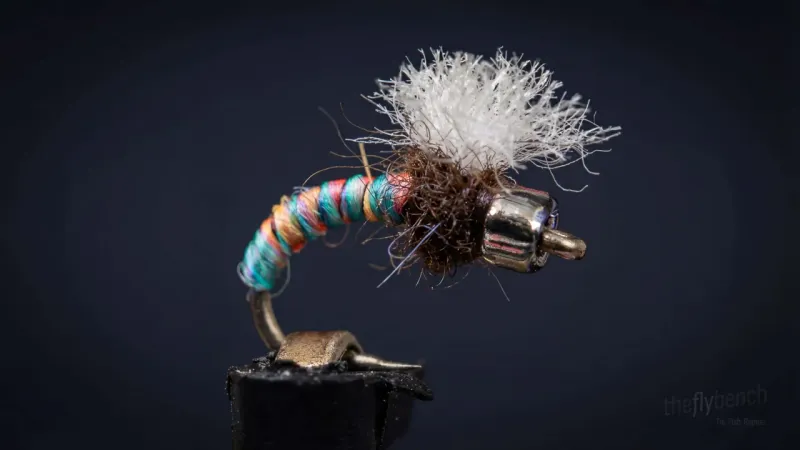
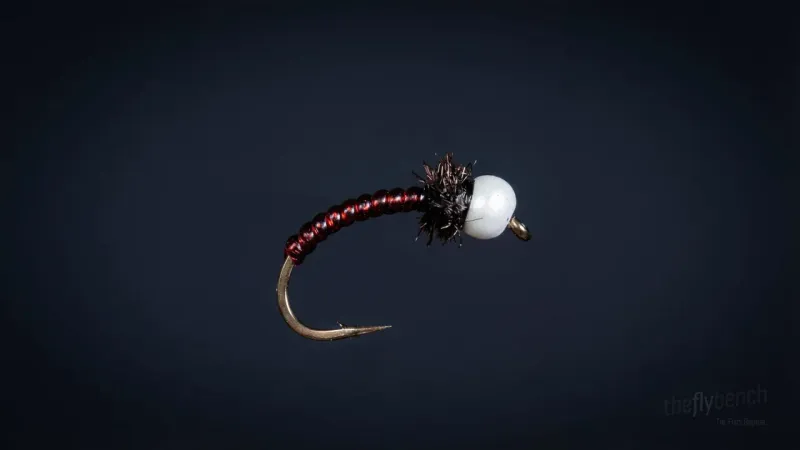
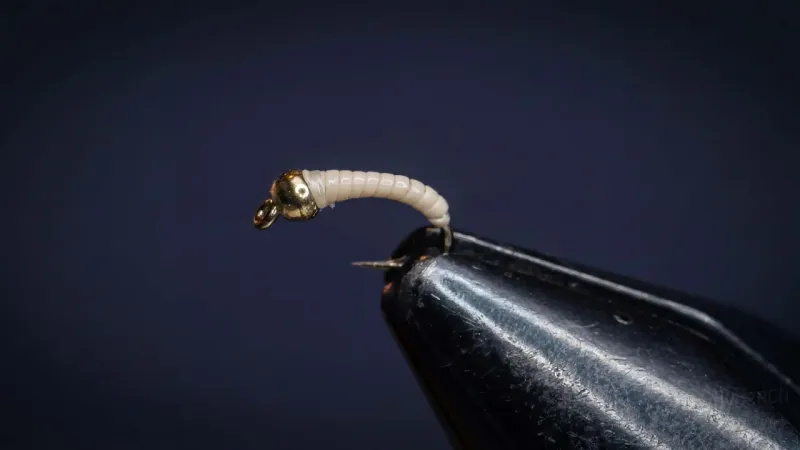
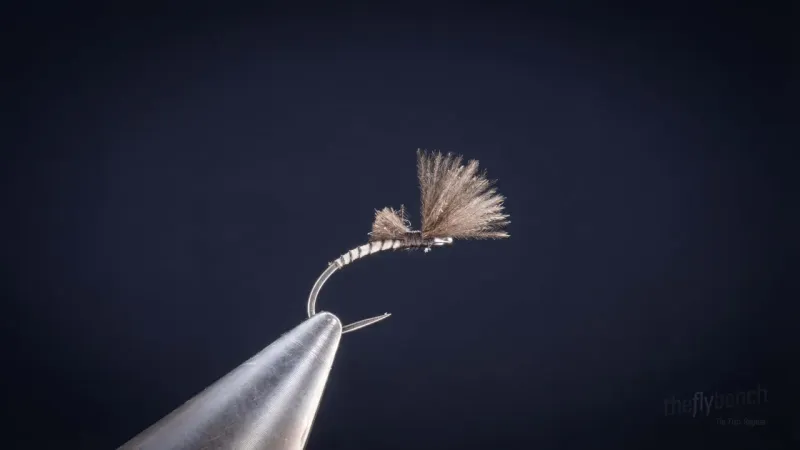
Eric's Midge is a well-known and well-respected midge pattern. Its simplicity and effectiveness make it a favorite among many fly fishers. It is designed to imitate the pupal stage of a midge's life cycle.
Spring, Summer, Fall
Intermediate
Trout
Apr 2025
Overview
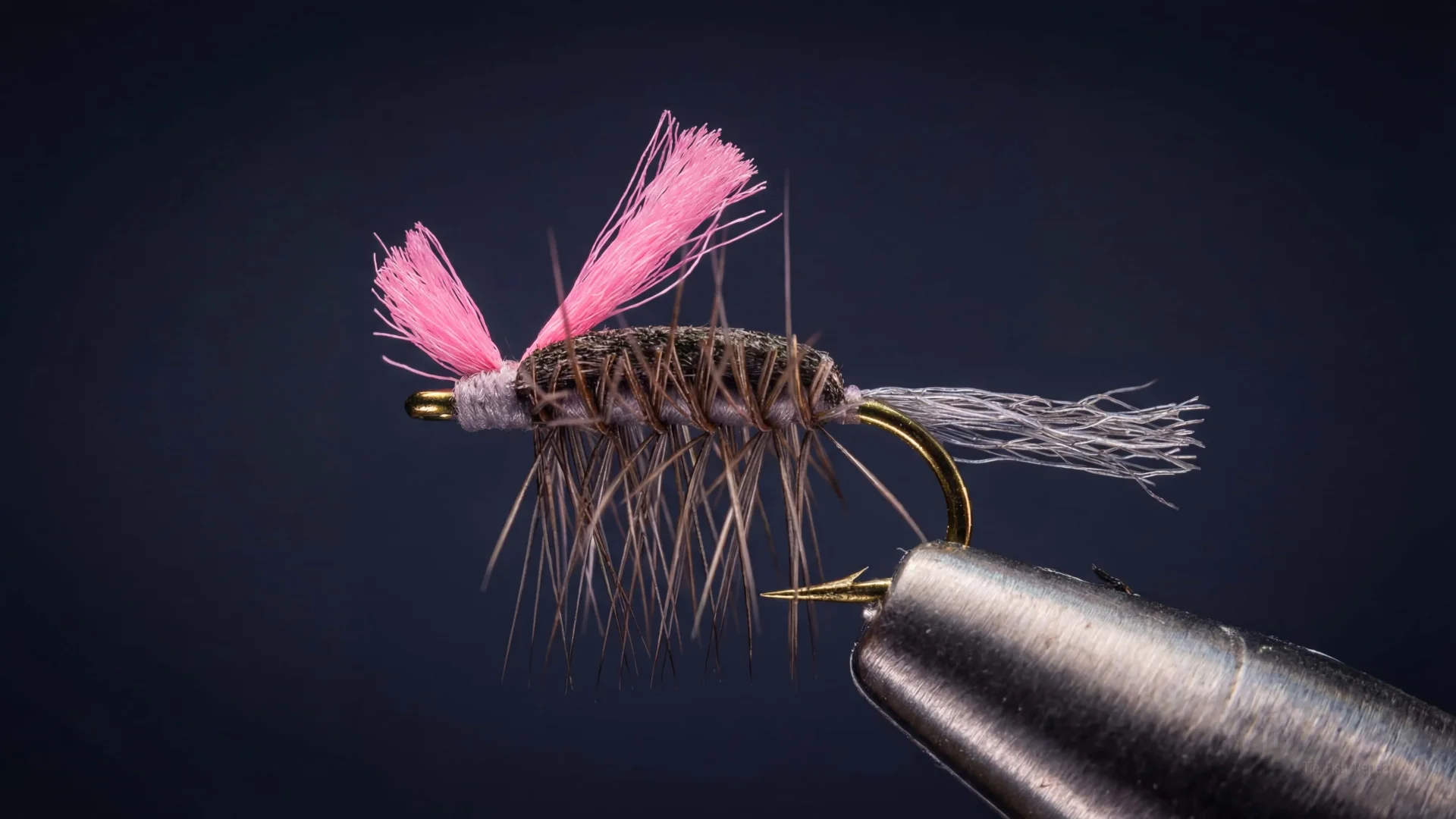
A sparse, parachute-style midge emerger tied with a fine thread body, CDC wing, and minimal tail or shuck. Often finished with a post of white or gray to aid visibility. It floats low in the film and is a proven pattern during selective midge hatches.
Where to Buy This Fly
We only link to fly shops we trust. Some links are referral links, which may earn us a commission at no extra cost to you.
Materials
- Hook:
- Tiemco 2487, size #16–#20, 2X short curved shank for midges
- Thread:
- Black Veevus 14/0
- Body:
- Superfine dubbing in olive
- Ribbing:
- Fine gold wire
- Shell:
- Solarez Bone Dry UV resin
Behavior & Presentation
Natural Behavior: Midge pupae hang vertically in the surface film with gas bubbles trapped under their casings, struggling to break through the surface tension during calm-water emergence periods.
Where Trout Eat It: Fish sip pupae hanging vertically in surface film during tailwater midge emergences in the San Juan River. The UV resin shell creates realistic sheen imitating gas-trapped pupal casing as insect struggles to break through meniscus during calm-water hatches.
How to Fish It: Dead-drift just under surface or in film with greased leader to within 6 inches of fly. Use light tippet (7X-8X) for delicate presentation. Fish as dropper below visible dry or on its own during concentrated midge hatches in morning and evening periods.
Best Water: Work tailwater tail-outs, seams, and foam lines where midge pupae concentrate during calm-water emergence. Target spring creek flats and slow glides where fish develop selective feeding rhythms.
Strike Type: Trout sip the emerger with delicate rises barely breaking the surface; watch for tiny rings or subtle dimples and set gently.
Fishing Strategy
Rigging Suggestions: Rig this pattern on a light tippet and use a strike indicator for best results.
Seasonal Timing: Most effective March through November with peak activity during cooler months. Fish morning and evening when hatches are most concentrated.
Pro Tips: This pattern is designed to sink and imitate a midge pupa. The resin coating gives the fly a little shine, making it more visible underwater.
Entomology
Midge pupae hang vertically in the surface film with gas bubbles trapped under their pupal shucks, struggling to break through the meniscus during calm-water emergence periods. Tailwater trout develop extraordinary selectivity to these size-specific presentations because midges emerge in such overwhelming numbers that fish can afford to feed exclusively on a single life stage, rejecting anything that doesn't match the precise silhouette and behavior of hanging pupae.
- Order
- Diptera
- Family
- Chironomidae
- Common Name
- Midge
- Organism Type
- insect
- Life Stage
- general