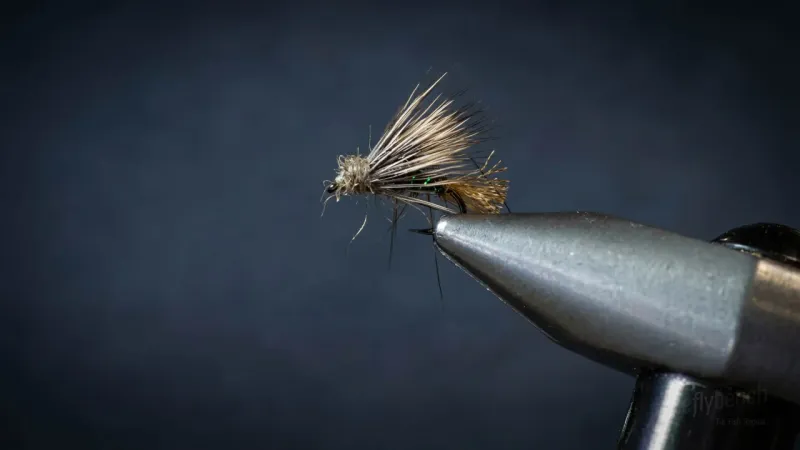
Midge / EmergersX2 Caddis
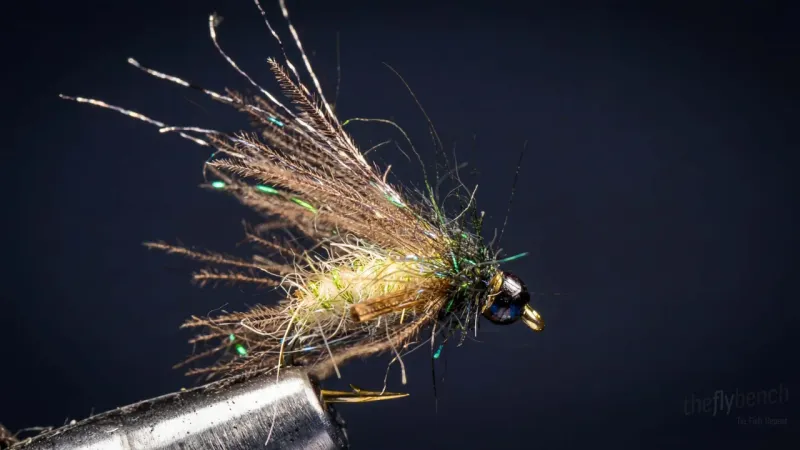
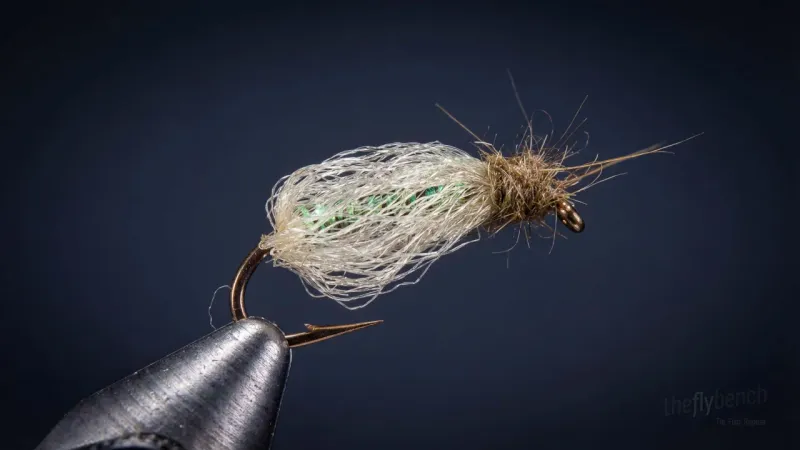
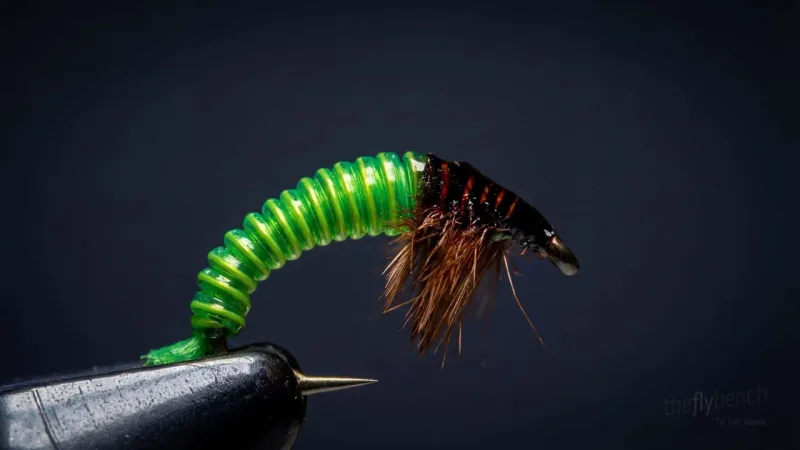
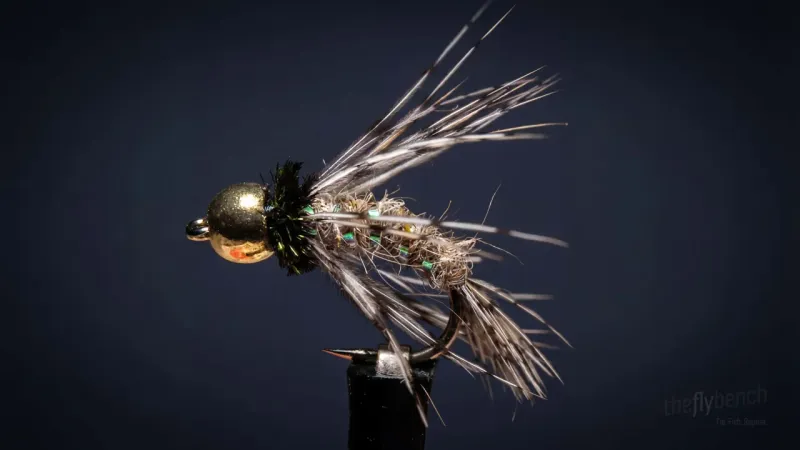
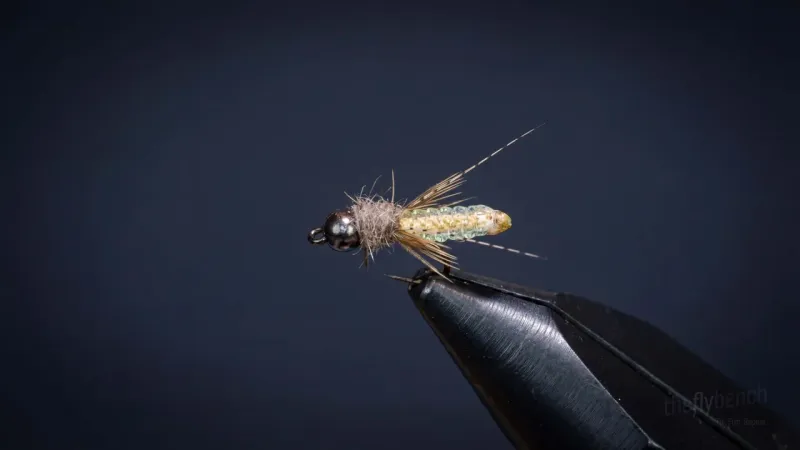
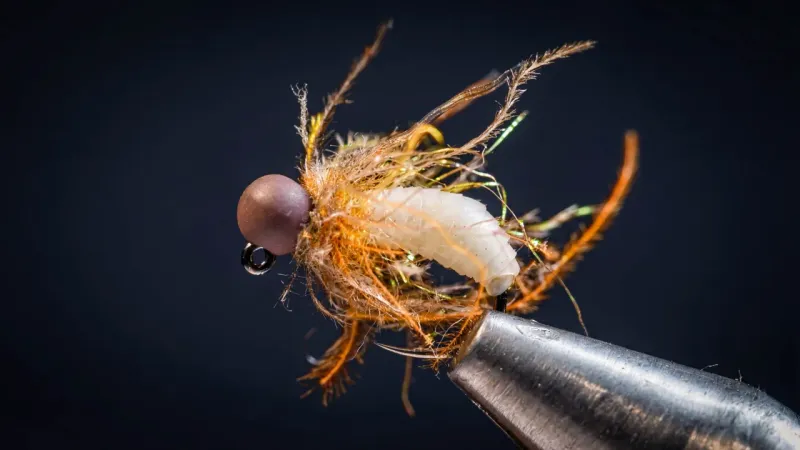
Two-tone caddis pupa pattern with a dark back and lighter belly replicates the natural coloration of ascending pupae. The slender profile and segmented body mimic caddis just before emergence, making it particularly effective when fished in the film or just subsurface during evening hatches on Western rivers and streams.
Spring, Summer
Intermediate
Trout
Apr 2025
Overview
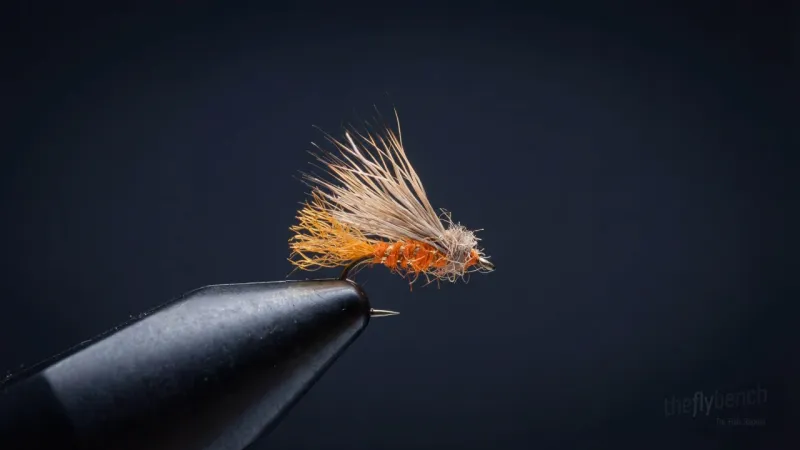
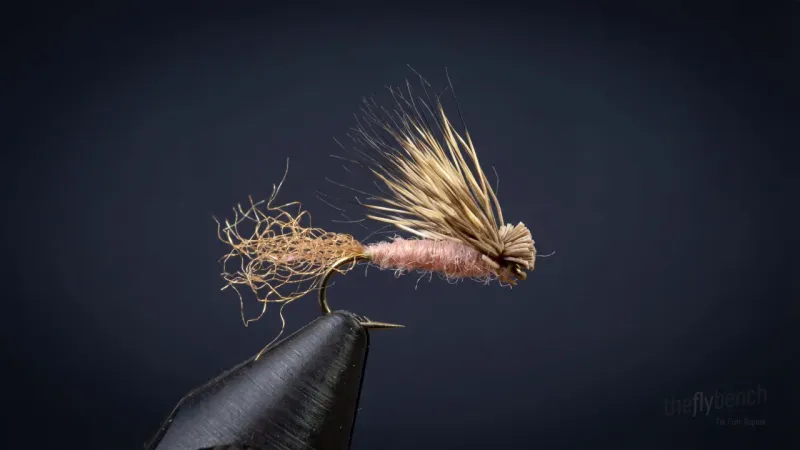
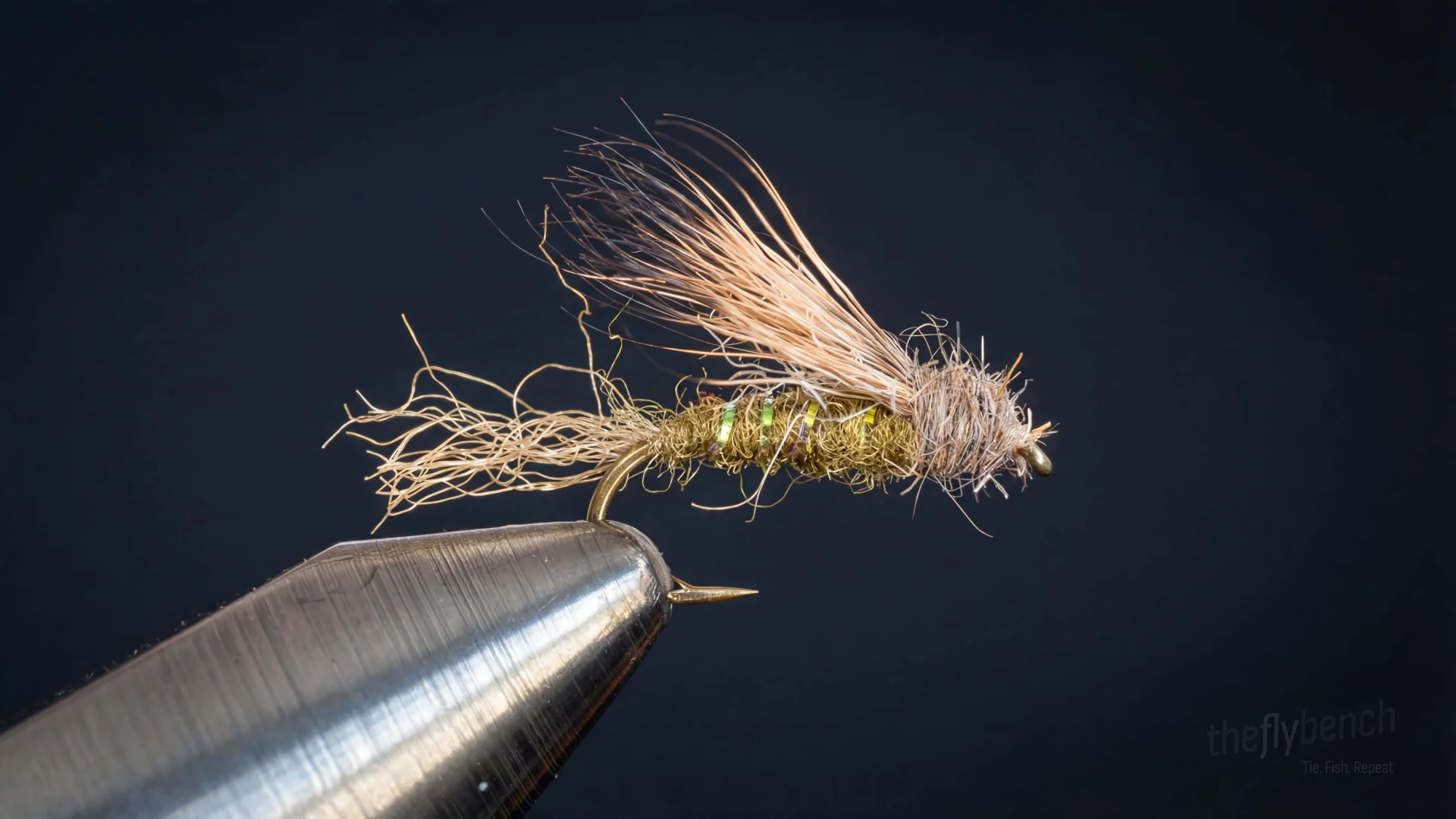
Developed by George Daniel in the early 2000s, this high-floating dry fly features an elk hair wing and grizzly hackle, typically tied on a curved dry fly hook. The dubbed body (usually olive or tan) and sparse construction make it ideal for caddis hatches on rough water. The two-tone coloration with darker back and lighter belly mimics natural caddis pupae. The curved hook creates a realistic caddis profile while the elk hair wing provides exceptional floatation.
Where to Buy This Fly
We only link to fly shops we trust. Some links are referral links, which may earn us a commission at no extra cost to you.
Materials
- Hook:
- #14-18 Tiemco 100
- Thread:
- Tan UTC 70
- Tail:
- Cream or Tan Antron Yarn
- Body:
- Tan or Olive Superfine Dubbing
- Rib:
- Pearl Krystal Flash
- Wing:
- Bleached or Natural Elk Hair
- Head:
- Tan or Olive Superfine Dubbing
Behavior & Presentation
Natural Behavior: Ascending pupae swim upward with pulsing undulations, their doubled silhouette created by visible adult forms beneath translucent skins. Gas bubbles trapped during the ascent produce flash that triggers aggressive feeding responses.
Where Trout Eat It: Fish target emerging insects suspended in mid-column or hanging in the film during hatch activity. Concentrate on depths of 2-4 feet in streams and lakes.
How to Fish It: Dead drift or add slight twitches to mimic ascending movement through the water column.
Best Water: Focus on riffle edges, tail-outs, and seams where current concentrates emerging insects and fish hold in feeding positions.
Strike Type: Strikes appear as surface swirls or sudden subsurface takes as fish intercept ascending pupae.
Fishing Strategy
Rigging Suggestions: Can be rigged as part of a multi-fly setup with a heavier fly to get it down in the water column. Fish 2-4 feet deep on 4X-5X fluorocarbon tippet.
Seasonal Timing: Effective during active feeding periods throughout the season. Fish morning and evening for best results.
Pro Tips: The X2 Caddis is a sinking fly designed to be fished subsurface. The two-tone body and realistic silhouette provide a natural caddis pupa imitation that attracts fish in various lighting conditions. The slender profile sinks quickly to the feeding zone.
Entomology
Caddis pupae swim with undulating body pulses toward the surface, their emerging adult forms visible through translucent pupal skins creating a doubled silhouette. The swimming motion combined with trapped gas bubbles produces flash and movement that triggers aggressive responses from trout keyed on emerging caddis activity.
- Order
- Trichoptera
- Common Name
- Caddisfly
- Organism Type
- insect
- Life Stage
- pupa