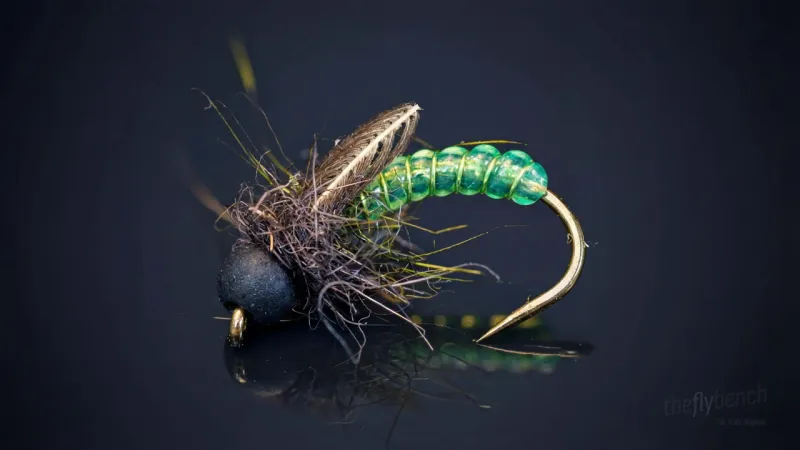
NymphTommy's Caddis Pupa
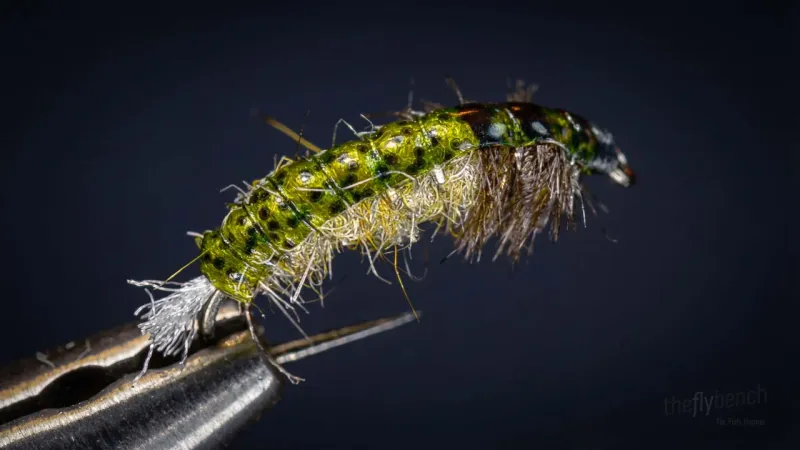
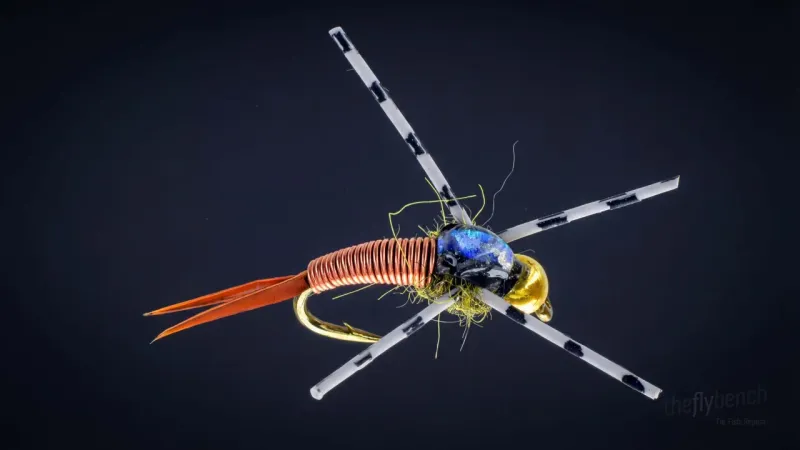
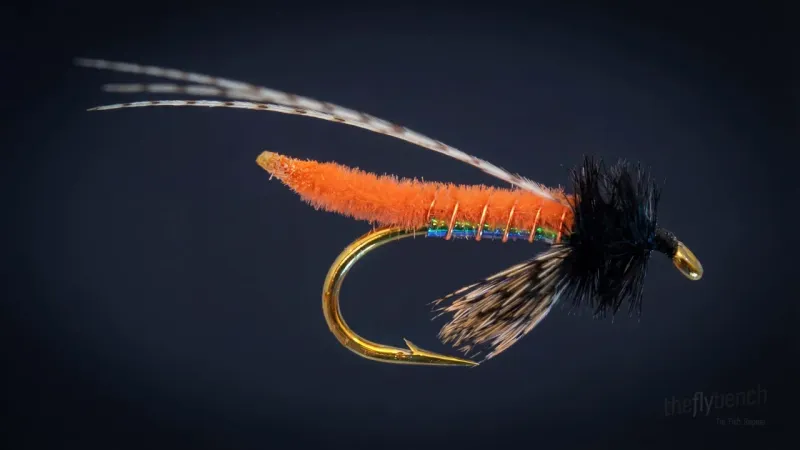
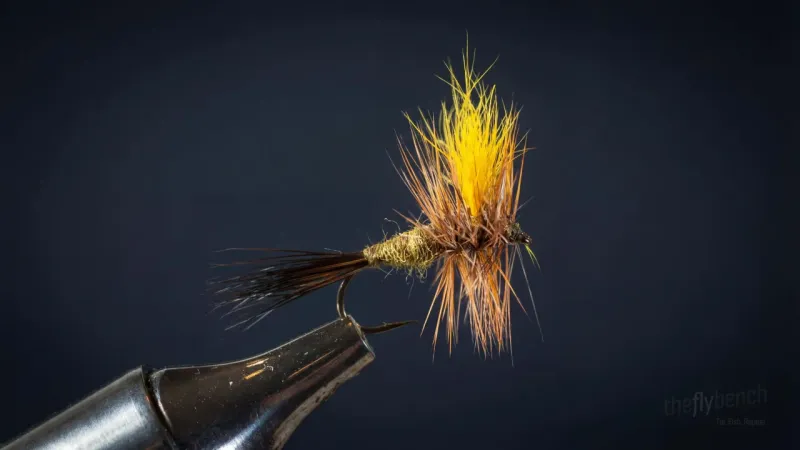
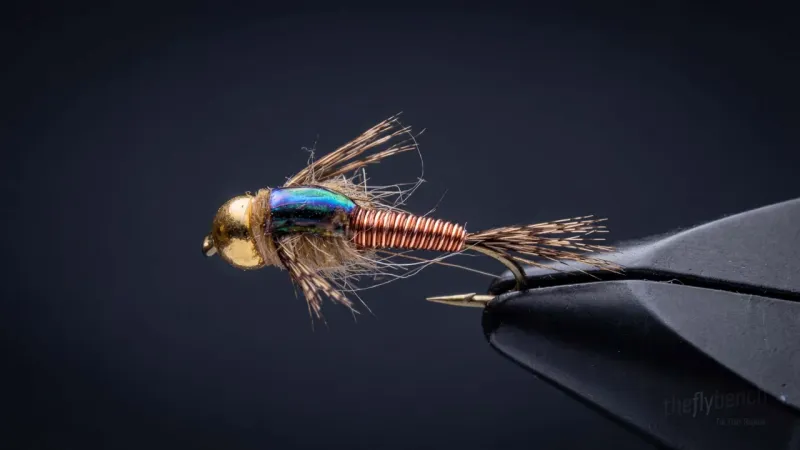
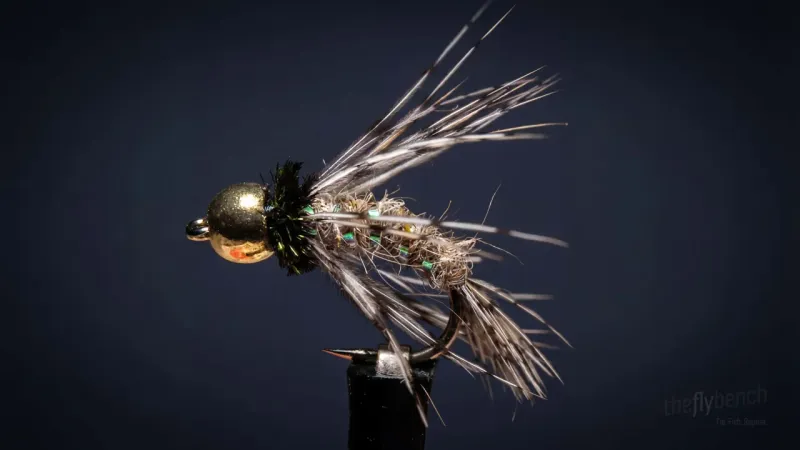
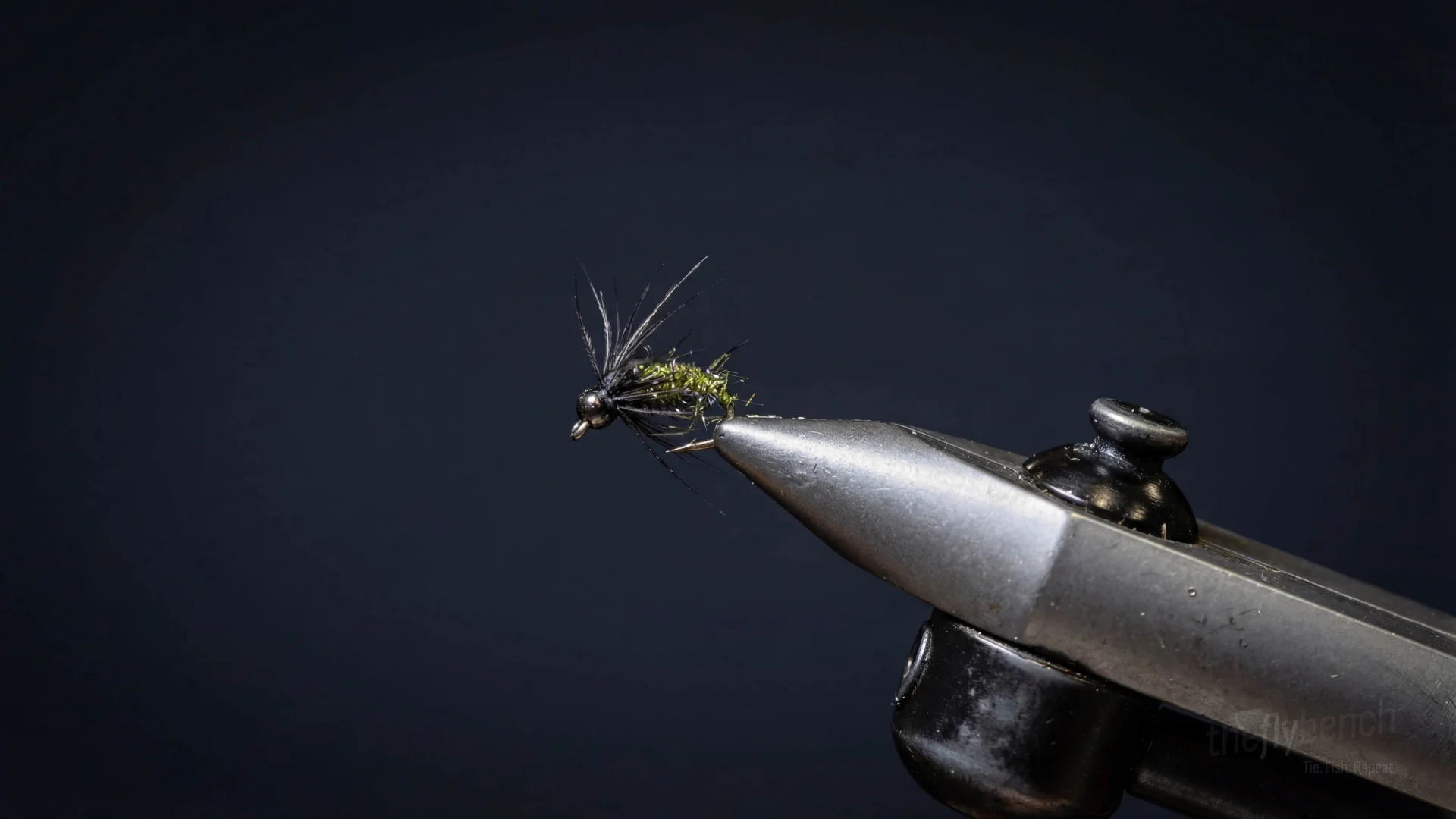
Tommy's Caddis Pupa is a tungsten-beaded caddis pupa imitation featuring an olive brown Ice Dub abdomen and starling hackle. The Krystal Flash rib adds segmentation and subtle flash, while the black Zelon dubbing thorax provides contrast. The soft starling hackle creates movement and suggests the legs of an emerging pupa.
Spring, Summer, Fall
Intermediate
Trout
Dec 2025
Overview
Tommy's Caddis Pupa captures the essential features of emerging caddis pupae with modern materials. The Ice Dub abdomen provides translucency and subtle flash that mimics the gas-filled exoskeleton of natural pupae. The starling hackle moves enticingly in current, triggering strikes from caddis-focused trout.
Where to Buy This Fly
We only link to fly shops we trust. Some links are referral links, which may earn us a commission at no extra cost to you.
Materials
- Hook:
- Tiemco 2457 or Umpqua U202, #14
- Thread:
- Uni-Thread, 8/0, black
- Bead:
- Brite Bead, 7/64", black nickel
- Abdomen:
- Ice Dub, olive brown
- Rib:
- Krystal Flash, peacock
- Thorax:
- Zelon Dubbing, midge black
- Hackle:
- Starling
Behavior & Presentation
Natural Behavior: Caddis pupae swim directly upward from the bottom using rapid undulating movements, trailing gas bubbles as they race toward the surface to emerge. Their predictable vertical ascent routes create interception opportunities for positioned trout.
Where Trout Eat It: Fish hold in feeding lanes along current seams and riffle edges, targeting ascending pupae before they reach the surface.
How to Fish It: Fish on the swing allowing the soft hackle to pulse with current, or dead drift deep then lift toward the surface mimicking emergence.
Best Water: Target riffles where pupae emerge, runs providing feeding stations, and pocket water concentrating ascending insects.
Strike Type: Expect indicator dips or subtle line tightening as fish intercept the drifting or swinging pupa.
Fishing Strategy
Rigging Suggestions: Fish as a dropper or in a tandem soft hackle rig. Excellent when swung on a down-and-across presentation.
Seasonal Timing: Most effective during caddis emergence periods. Peak productivity during afternoon and evening hatches.
Pro Tips: Sinks readily with the tungsten bead. The peacock flash rib provides visibility in varied light conditions.
Entomology
Caddis pupae ascend rapidly from the riverbed toward the surface in a direct, swimming motion, with their emerging legs and wing pads creating a distinctive profile as gas builds within their pupal case. Fish position themselves to intercept these ascending pupae because they're concentrated in predictable migration lanes and completely exposed during their vulnerable journey to emergence.
- Order
- Trichoptera
- Common Name
- Caddisfly
- Organism Type
- insect
- Life Stage
- pupa