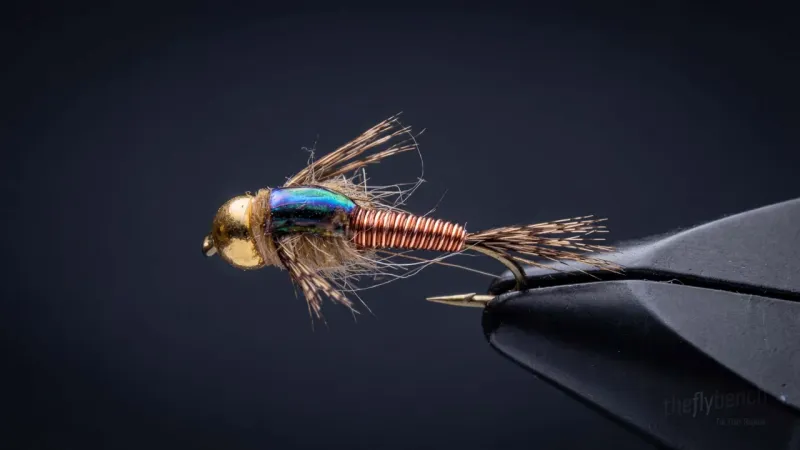
NymphSparkle Pupa
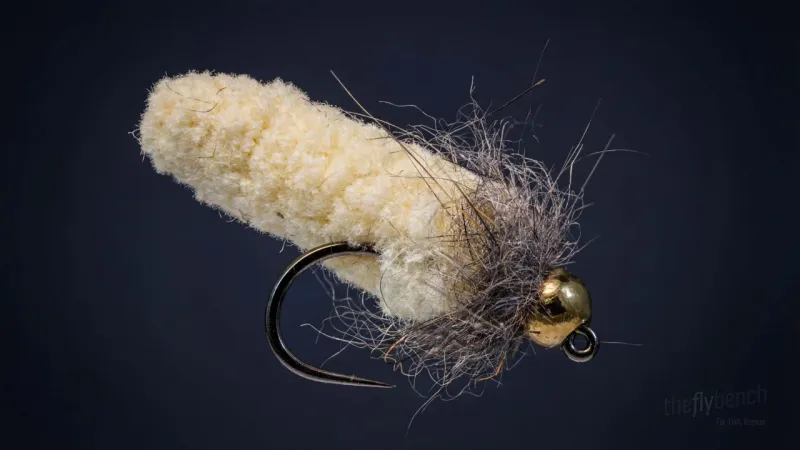
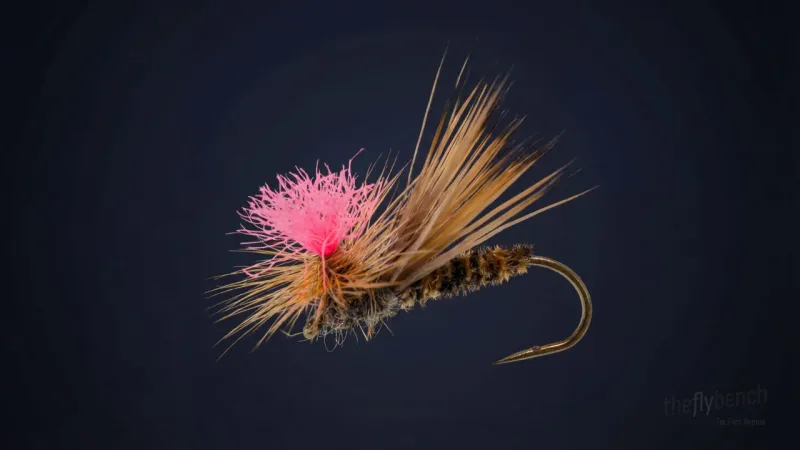
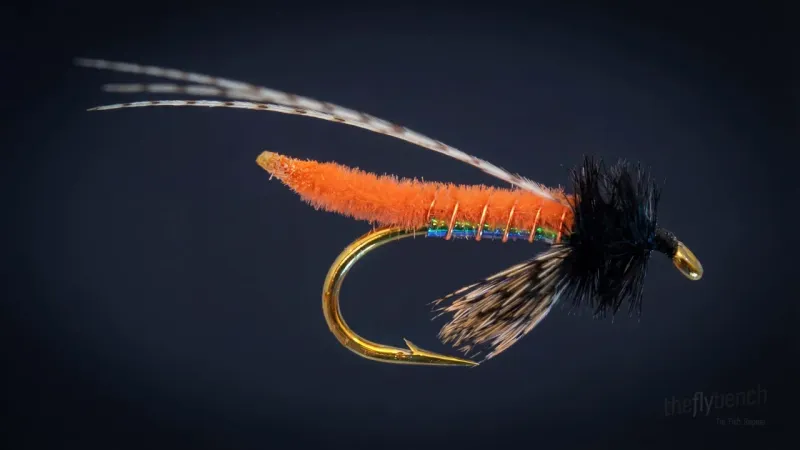
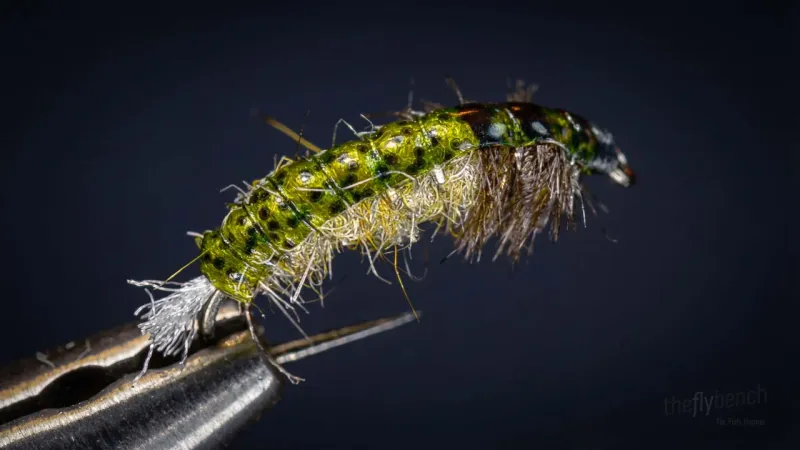
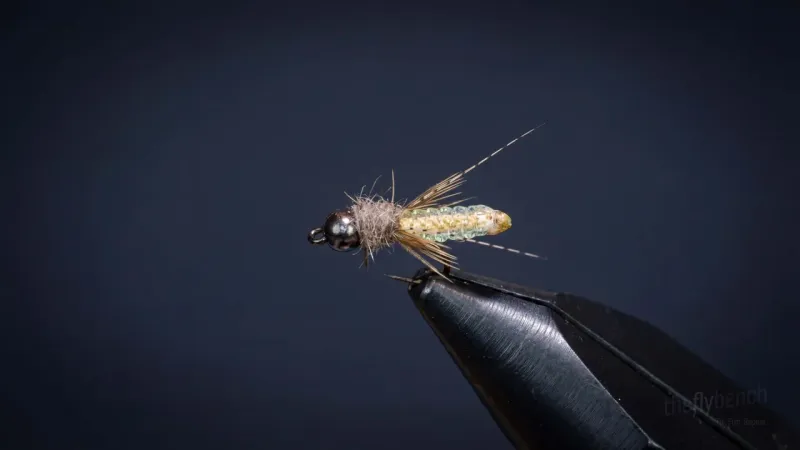
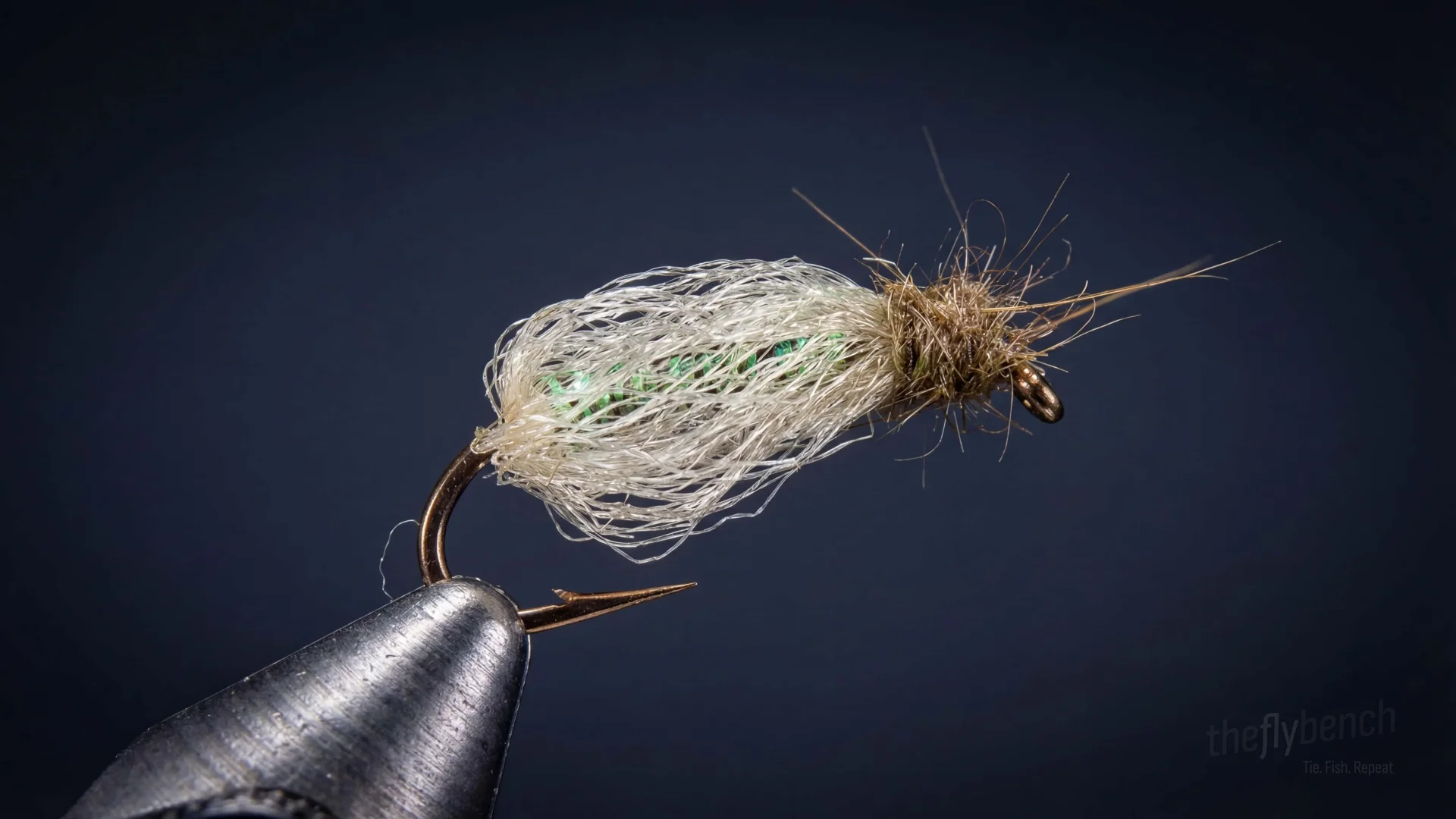
The Sparkle Pupa imitates a caddis pupa in its transitional stage, just before it emerges as an adult. The use of sparkle yarn gives it a translucent, lifelike appearance.
Spring, Summer, Fall
Advanced
Trout
Nov 2025
Overview
A classic caddis emerger designed by Gary LaFontaine, this pattern uses Antron yarn for both a trailing shuck and a bubble-like body. The dubbed thorax and sparse hackle add realism, while the Antron simulates the gas-encased pupae as it rises to the surface.
Where to Buy This Fly
We only link to fly shops we trust. Some links are referral links, which may earn us a commission at no extra cost to you.
Materials
- Hook:
- Tiemco 100, sizes #12-#18
- Bead:
- Brass or Tungsten, Sized to Hook
- Thread:
- UTC 70 Denier, Black
- Tail:
- Sparkle Emerger Yarn, Florescent Green
- Underbody:
- Hareline Dubbing, Caddis Green
- Body:
- Sparkle Emerger Yarn, Florescent Green
- Wing:
- Whitetail Deer Body Hair, Natural
- Collar:
- Hareline Dubbing, Chocolate Brown
Behavior & Presentation
Natural Behavior: Caddis pupae swim toward the surface in short bursts, trailing gas bubbles as they ascend from their cases on the stream bottom. During emergence windows, dozens rise simultaneously, creating concentrated feeding zones in the water column.
Where Trout Eat It: Trout intercept ascending pupae throughout the water column in runs, pocket water, and pool tail-outs.
How to Fish It: Dead drift with slight lifts to imitate ascending pupae, or swing through current seams. Vary depth to match feeding zone.
Best Water: Focus on riffle tail-outs, seams, and current breaks where ascending pupae concentrate. Eddy lines hold feeding fish.
Strike Type: Detect strikes through line tightening or indicator movement; set with firm but controlled pressure.
Fishing Strategy
Rigging Suggestions: Can be fished alone, or as part of a multi-fly nymph rig. A tungsten bead can be added to get it down deep.
Seasonal Timing: Most productive April through October with evening hatches strongest. Water temps between 50-65°F trigger peak activity.
Pro Tips: The Sparkle Pupa is a sinking fly. The clear Antron yarn and UV resin give it a translucent appearance in the water, imitating the natural gas bubble of a rising caddis pupa.
Entomology
Caddis pupae initiate their emergence by cutting free from their larval cases and swimming toward the surface in a characteristic undulating motion, trailing visible gas bubbles within their pupal shucks. Fish aggressively target these ascending pupae because they concentrate in specific current seams and depth zones, providing high-reward feeding opportunities during prolific caddis hatches throughout the warmer months.
- Order
- Trichoptera
- Common Name
- Caddisfly
- Organism Type
- insect
- Life Stage
- pupa