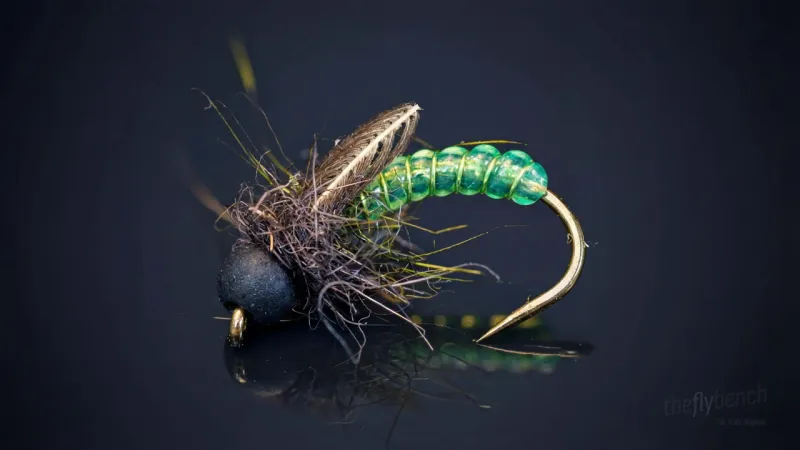
NymphCaddis Poopah
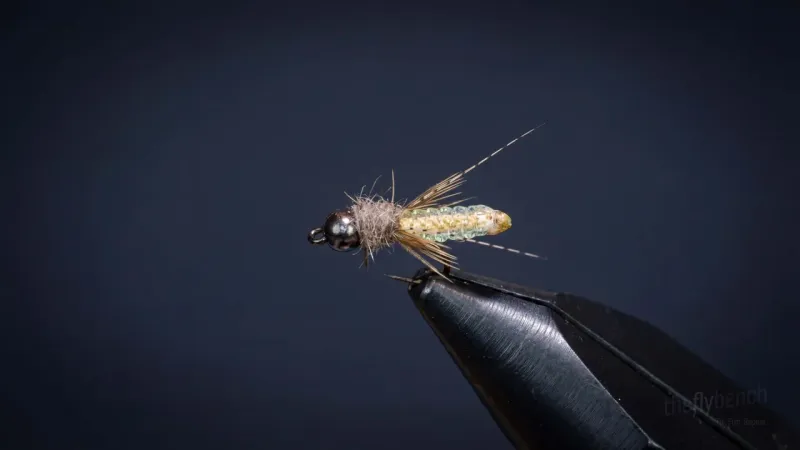
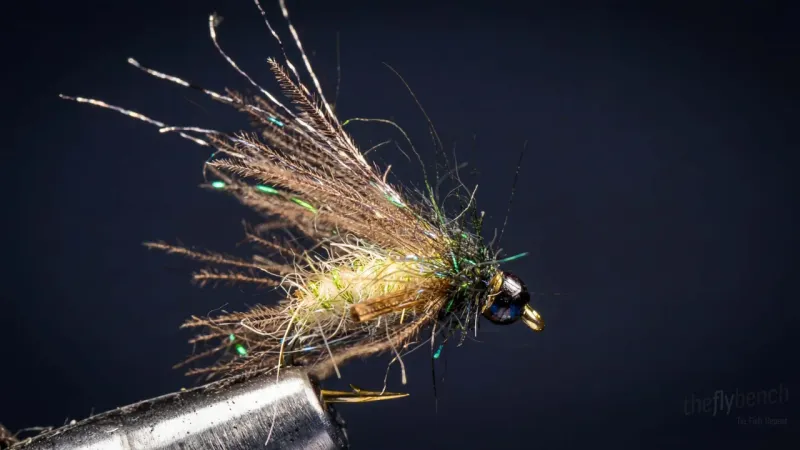
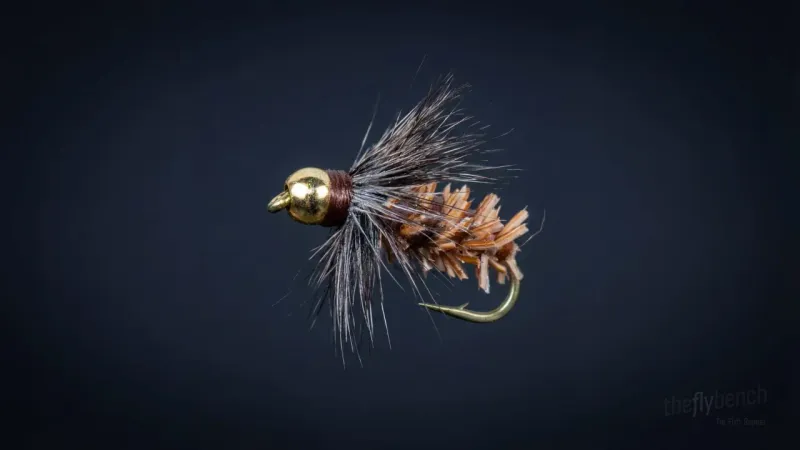
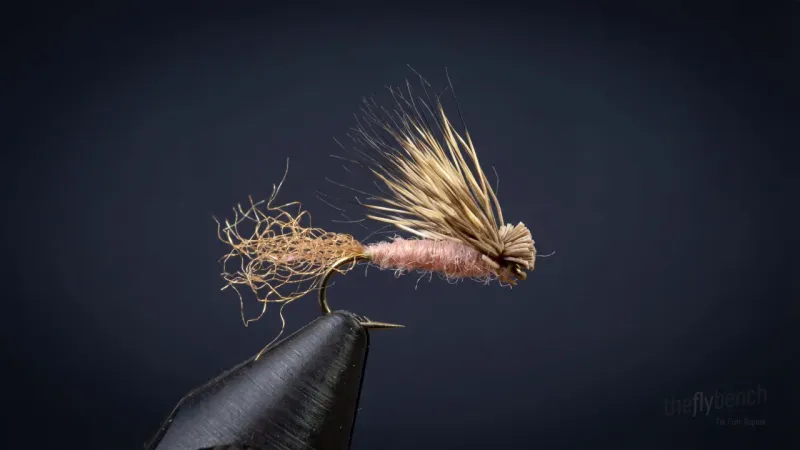
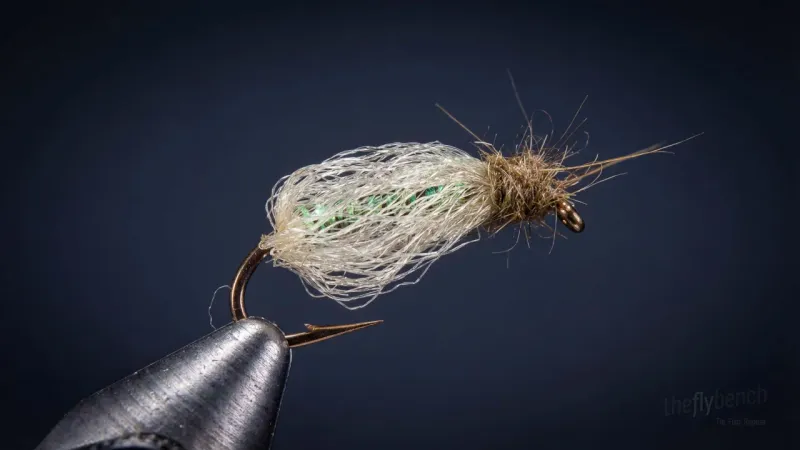
Nymph pattern designed to imitate the larval and pupal stages of the caddisfly. Versatile fly can be fished in a variety of ways, making it an essential addition to any angler's fly box. Combines bright synthetic dubbing with peacock thorax and bead head for maximum effectiveness.
Spring, Summer, Fall
Advanced
Trout
Apr 2025
Overview
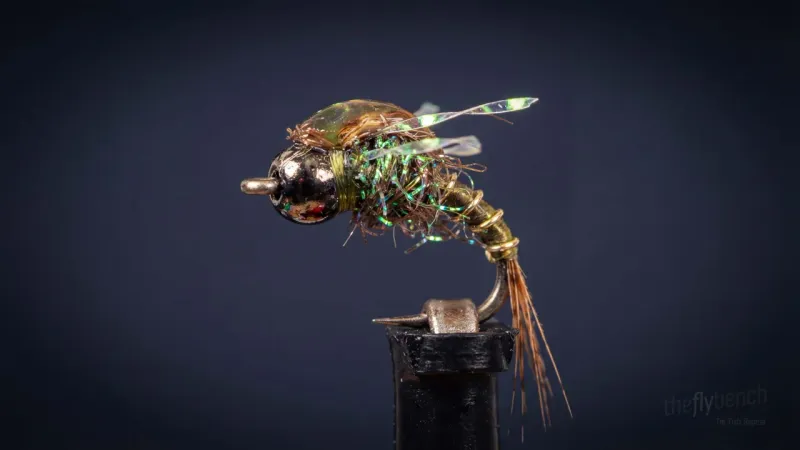
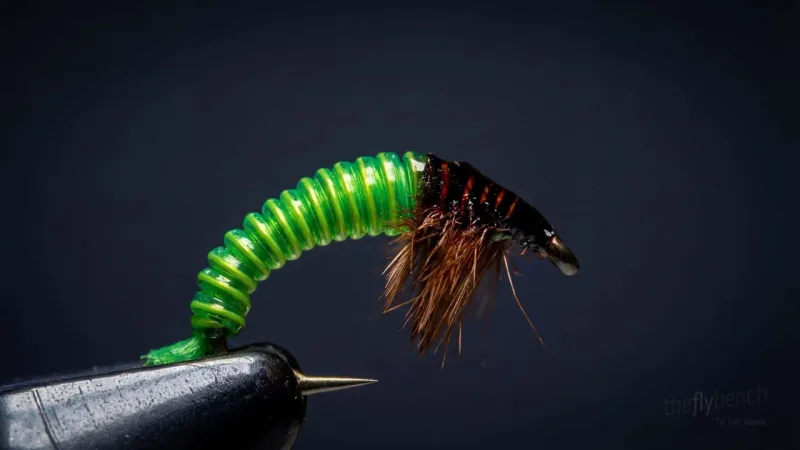
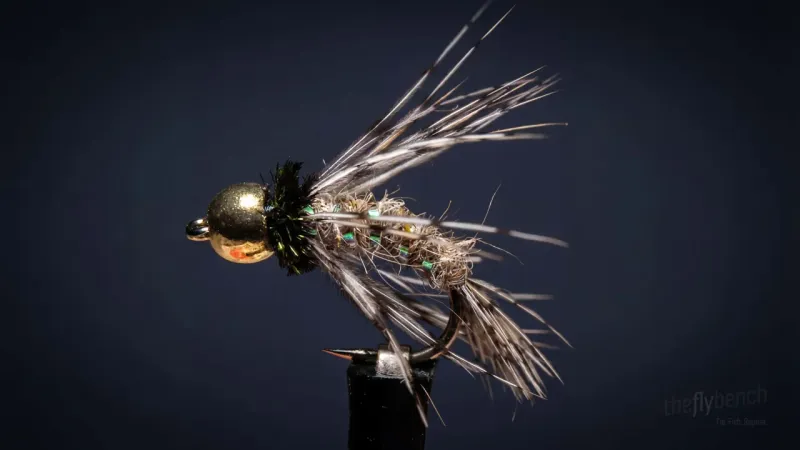
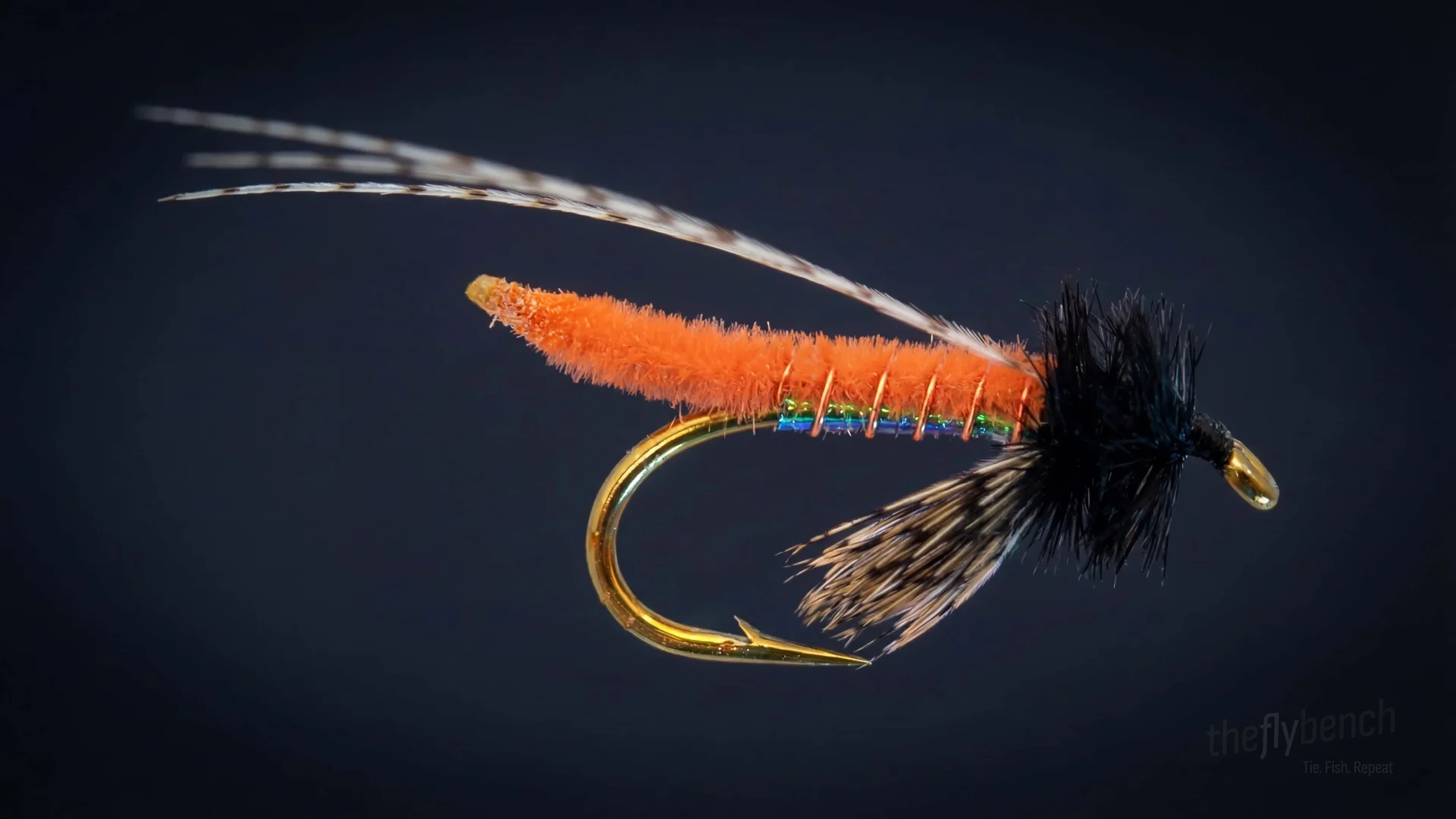
Caddis pupa pattern tied with bright or tan synthetic dubbed body, peacock thorax, bead head, and sparse soft hackle or wingcase. Imitates the emerging stage of the caddis and is tied slim with natural movement. Often features a bit of flash or UV resin to enhance effectiveness during active hatches. The sparse construction allows it to sink quickly while maintaining a lifelike profile. Effective in sizes #12-18 to match various caddis species.
Where to Buy This Fly
We only link to fly shops we trust. Some links are referral links, which may earn us a commission at no extra cost to you.
Materials
- Hook:
- Tiemco 3769, size #14–#18
- Thread:
- Tan UTC 70 denier
- Body:
- Tan ostrich herl
- Ribbing:
- Fine gold wire
- Thorax:
- Peacock herl
- Legs:
- Partridge feather fibers
- Shell:
- Solarez Bone Dry UV resin
Behavior & Presentation
Natural Behavior: Caddis pupae ascending toward emergence swim with synchronized leg strokes and abdominal undulations, creating visible pulsing movements as they rise through mid-column toward the surface. Unlike passive drifting nymphs, these actively swimming pupae follow diagonal ascent paths through current, their motion and urgency making them conspicuous targets during emergence windows.
Where Trout Eat It: Trout intercept this pupa imitation throughout water column as it imitates ascending caddis pupae swimming toward surface. Most effective during active emergence when fish position mid-column in 3-6 foot depths.
How to Fish It: Use high-stick or euro approach with flies drifting deep, then swing them up from deep to shallow imitating natural emergence behavior. Lift rod to trigger strikes as pattern rises—the ostrich herl pulses in current.
Best Water: Target moderate-flow runs and pool heads where caddis emergence concentrates. The ostrich herl collar creates lifelike movement along current seams where emerging pupae drift.
Strike Type: Feel for weight or watch sighter compression as fish grab the ascending pupa mid-column.
Fishing Strategy
Rigging Suggestions: For best results, use a weighted line or add split shot to get the fly down to the right depth (2-4 feet). Fish on 9-12 foot leaders with 4X-5X tippet.
Seasonal Timing: Most effective April through October when caddisflies are most active. Peak productivity occurs during May-June and August-September during major caddis emergences. Water temperatures between 55-68°F are ideal.
Pro Tips: This fly sinks to mimic a larva or pupa. The UV resin shell adds shine and durability, making the fly more attractive to fish. The peacock thorax provides natural iridescence.
Entomology
Caddis larvae, pupae, and emerging adults all present feeding opportunities as they transition between life stages or drift in the current. Pupae ascending to the surface are particularly vulnerable, swimming with a distinctive undulating motion. The Poopah design imitates this transitional movement, with soft materials that pulse and breathe in the current, triggering strikes from trout keyed to caddis emergence activity.
- Order
- Trichoptera
- Common Name
- Caddisfly
- Organism Type
- insect
- Life Stage
- general