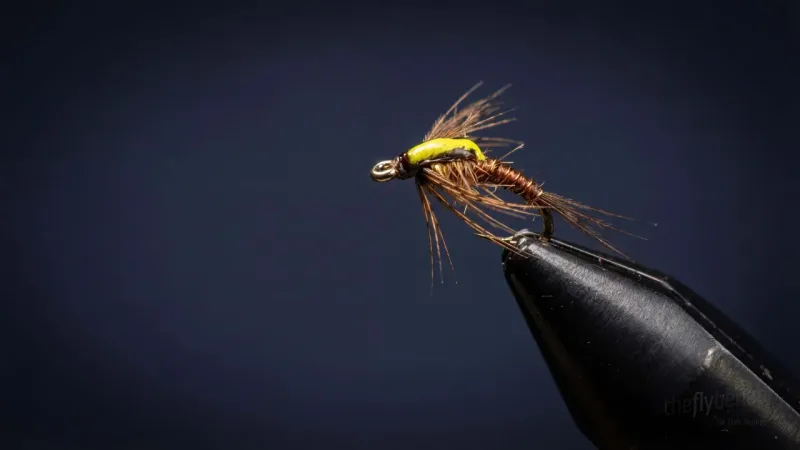
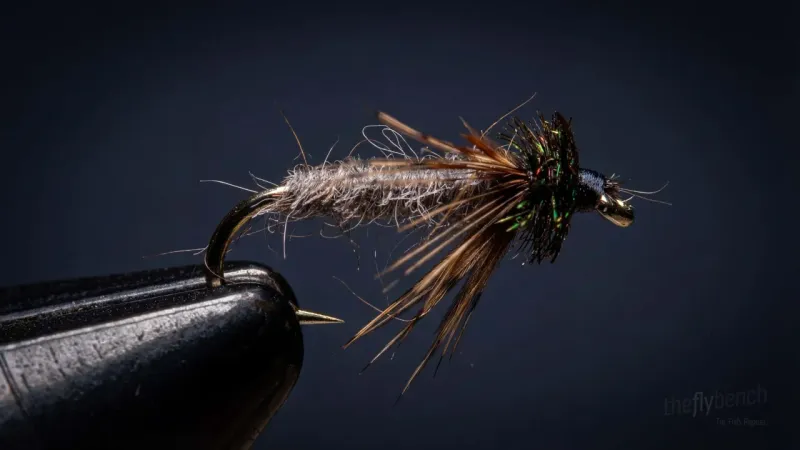
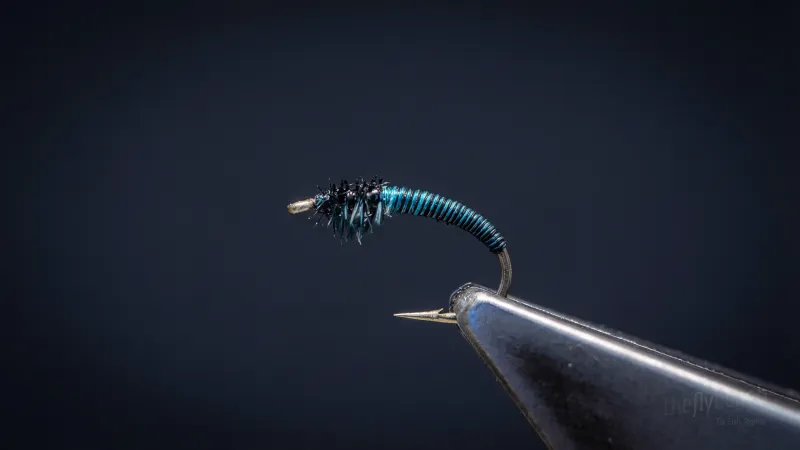
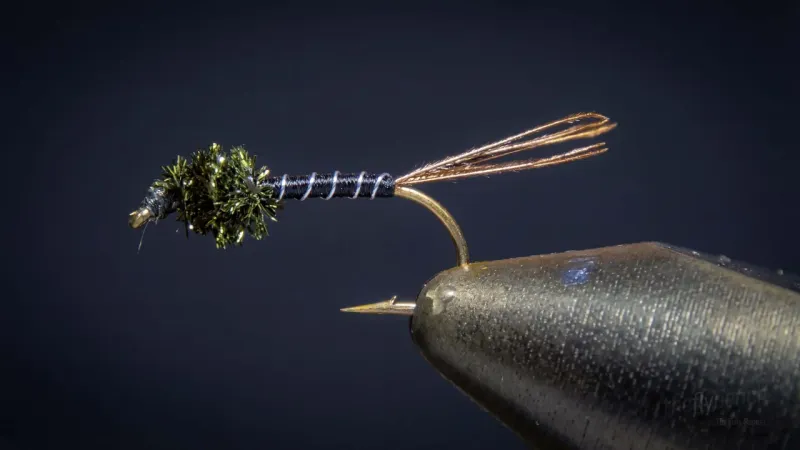
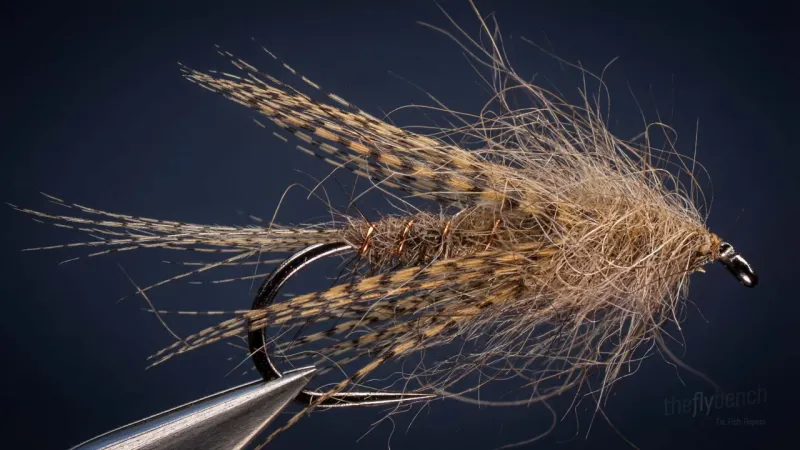
NymphEvil Olive
The Evil Olive is a versatile and highly effective pattern that imitates various types of aquatic life. Its flashy body and bead head attract fish in various water conditions.
Spring, Summer, Fall
Intermediate
Trout
Apr 2025
Overview
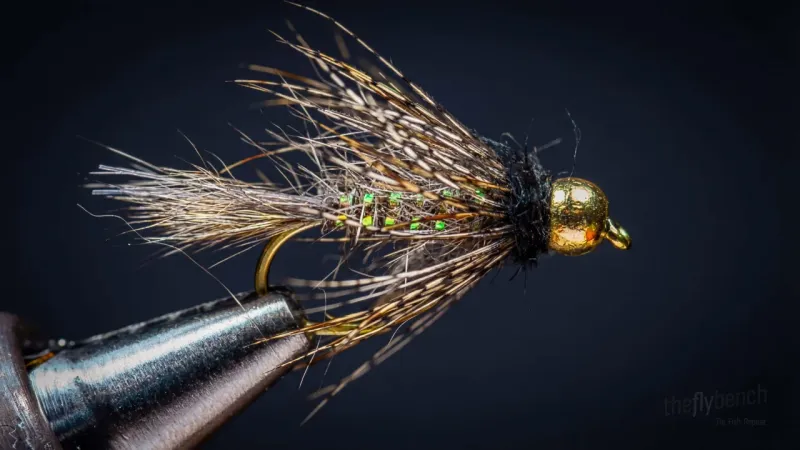
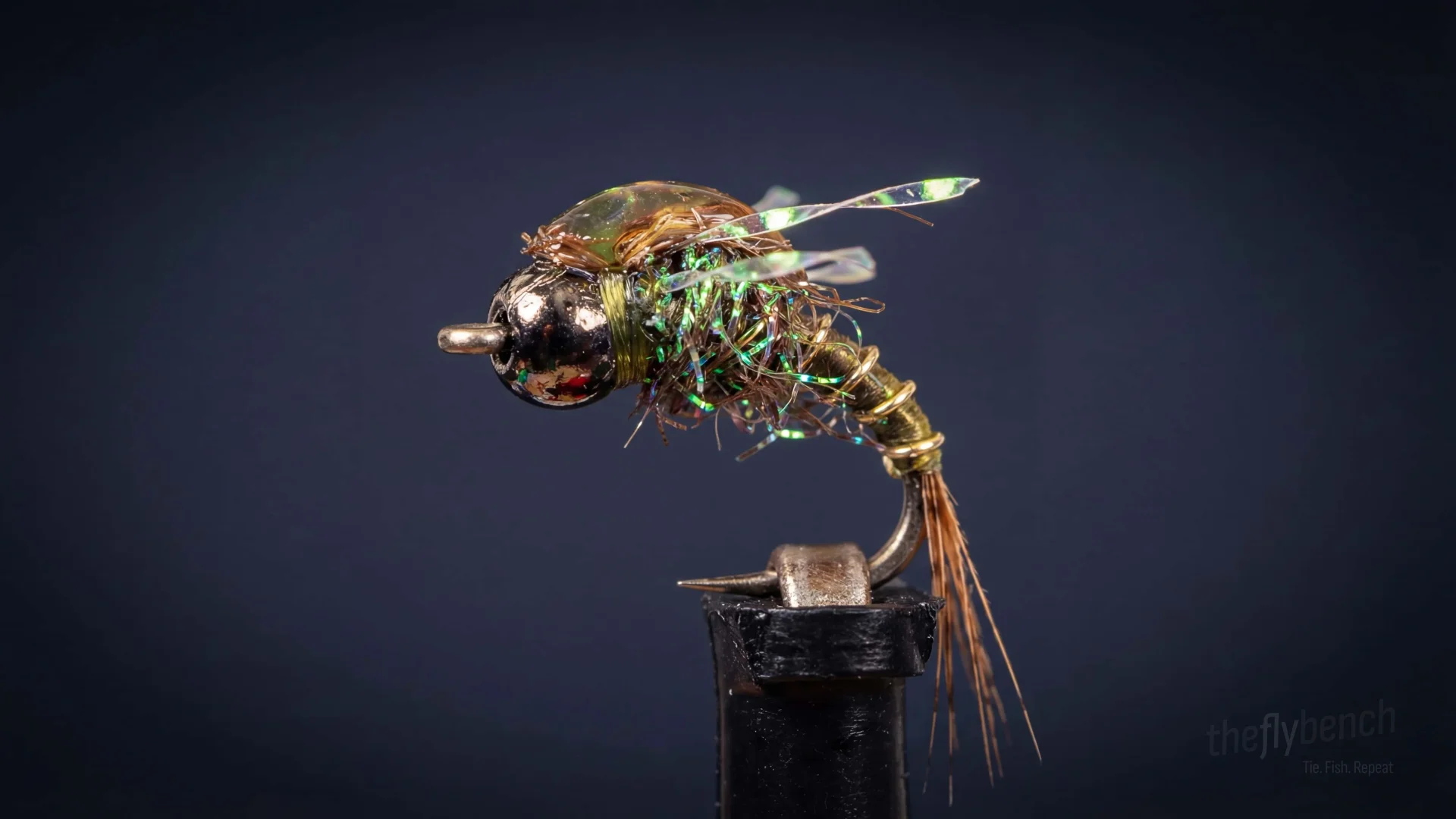
The Evil Olive is a slender, buggy nymph tied Euro-style with olive thread or dubbing, a dark or contrasting hotspot collar, and a tungsten bead for weight. A sparse tail of Coq de Leon and ribbing with fine wire or flash adds durability and segmentation. It sinks quickly and excels in pressured waters.
Where to Buy This Fly
We only link to fly shops we trust. Some links are referral links, which may earn us a commission at no extra cost to you.
Materials
- Hook:
- Emerger Hook (here a Dai-Riki 125), size 16-20.
- Bead:
- Bead, 5/64-inch, black.
- Thread:
- 70 Denier or 6/0, light olive.
- Rib:
- Ultra wire, small, gold.
- Tails/wingcase:
- Wood-duck-dyed barred mallard flank fibers.
- Abdomen:
- Tying thread, light olive.
- Thorax:
- SLF Prism dubbing, olive.
- Legs:
- Krystal flash, pearl.
Behavior & Presentation
Natural Behavior: Olive nymphs tumble through current after dislodgement, their dark bodies visible against lighter substrate. The profile suggests mayfly or caddis nymphs in drift.
Where Trout Eat It: Fish hold in feeding lanes through runs and pockets, intercepting tumbling nymphs at mid to bottom depth.
How to Fish It: Dead drift with weight getting the fly into productive zones. Maintain bottom contact through prime lies.
Best Water: Focus on runs with consistent depth, pockets behind structure, and riffle edges where nymphs tumble.
Strike Type: Watch for indicator dips or feel sudden weight as fish intercept the drifting nymph.
Fishing Strategy
Rigging Suggestions: Use a weighted nymph rig with the Evil Olive as the point fly.
Seasonal Timing: The Evil Olive is especially effective during when mayflies and caddis are most active. Use the Evil Olive when fish are feeding subsurface, especially during a hatch of mayflies or caddis.
Pro Tips: The Evil Olive sinks due to its bead head. The flashy wing case adds visibility.
Entomology
Caddis larvae construct portable protective cases from sand grains, small pebbles, and organic debris, crawling deliberately across submerged substrates while foraging on periphyton and detritus. When dislodged by current or predator disturbance, these cased larvae drift helplessly, tumbling along the bottom or suspending briefly in the water column. Fish feed selectively on both cased and free-living caddis larvae during these drift events, especially targeting periods of peak behavioral drift at dawn and dusk when larvae are most active.
- Order
- Trichoptera
- Common Name
- Caddisfly
- Organism Type
- insect
- Life Stage
- general