NymphBird of Prey Caddis
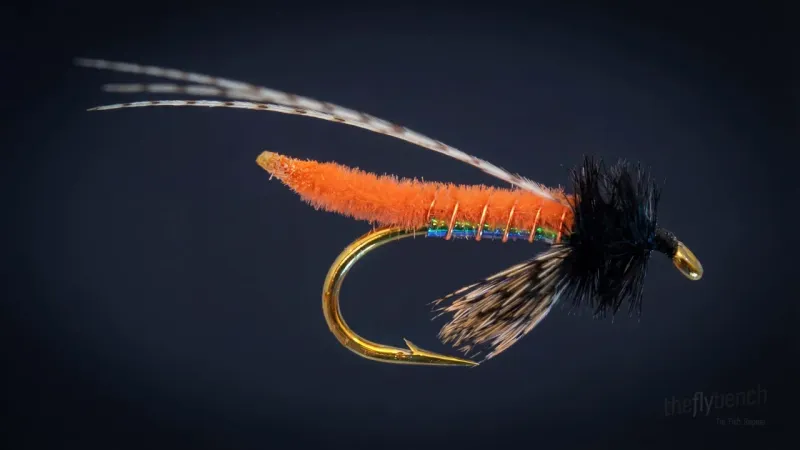
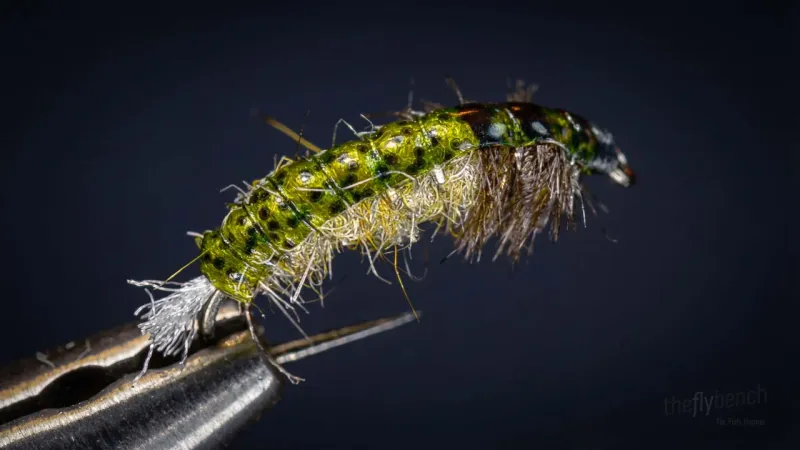
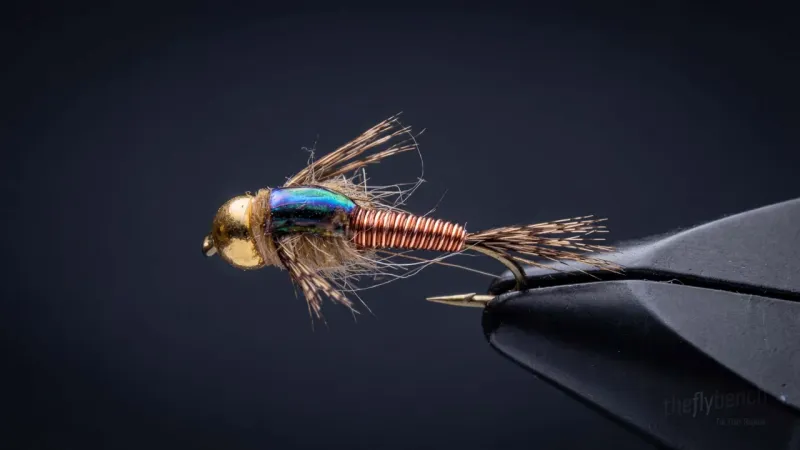
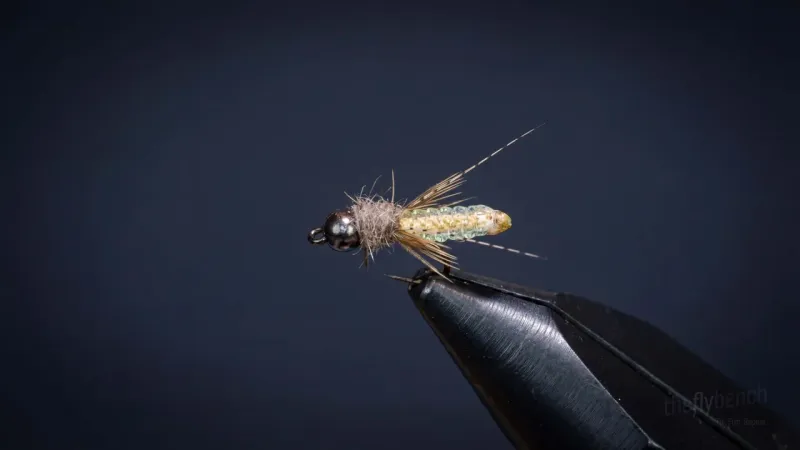
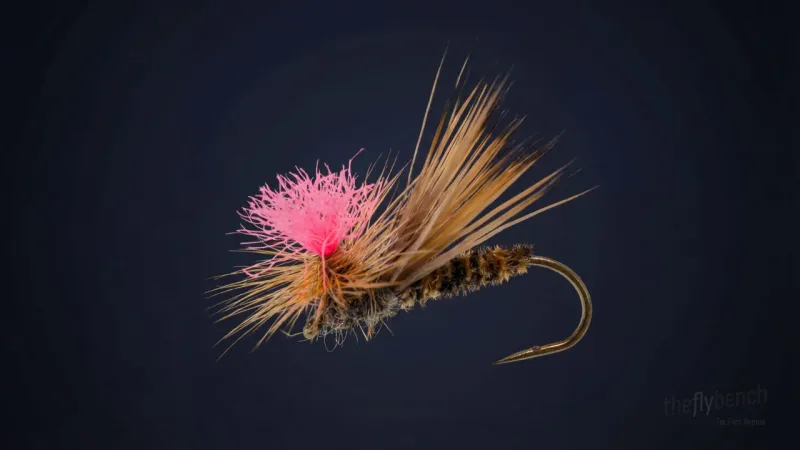
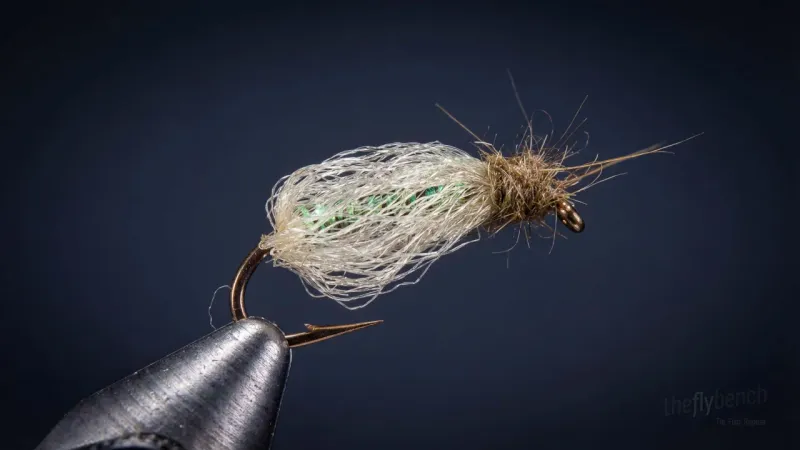
The Bird of Prey Caddis is a highly effective imitation of a caddis pupa. Featuring a realistic body profile and lively movement in the water, this pattern is a must-have in any fly box. It's productive in a variety of water conditions and can trigger aggressive strikes from trout.
Spring, Summer, Fall
Advanced
Trout
Apr 2025
Overview
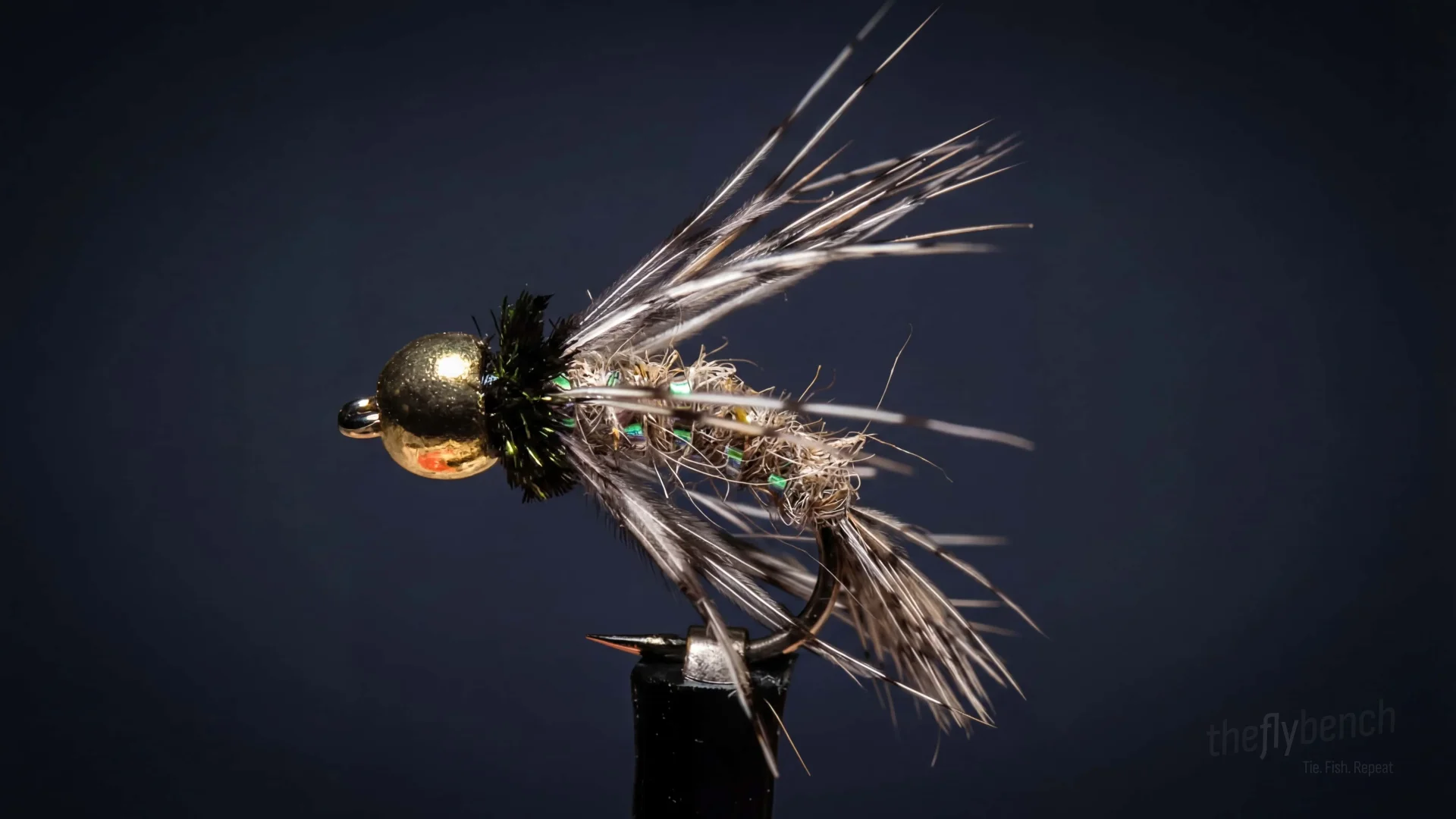
The Bird of Prey Caddis can be tied in a variety of colors to match local caddis species. The UV resin coated wingcase adds shine and durability, while the peacock herl thorax adds a touch of irresistible sparkle.
Materials
Hook: Tiemco 3761, size #14-#18
Thread: Olive Dun 8/0 Uni-Thread
Body: Olive dubbing
Ribbing: Copper wire
Wingcase: Pheasant tail fibers coated with Solarez Bone Dry UV resin
Thorax: Peacock herl
Behavior & Presentation
Natural Behavior: Freed pupae swim actively toward the surface using rhythmic abdominal undulations, crossing horizontal distance while ascending and becoming highly visible during mass emergence events.
Where Trout Eat It: Fish target these swimmers throughout the water column, from mid-depth to just below the surface film where pupae prepare to emerge.
How to Fish It: Swing or lift on a tight line to imitate the ascending, swimming motion as pupae migrate upward during concentrated hatches.
Best Water: Most effective in current seams, pools, riffle edges, and tail-outs where emerging pupae concentrate during peak activity.
Strike Type: Aggressive grabs as fish intercept swimming pupae, often feeling like solid thumps on the swing or lift.
Fishing Strategy
Rigging Suggestions: Use 5X-6X tippet on a 9-foot leader. Fish under a strike indicator 3-5 feet deep, or as the point fly in a two-fly nymph rig with a beadhead dropper.
Seasonal Timing: Most productive from April through October, with peak effectiveness during May-June and September when caddis pupae are most active. Water temperatures between 50-65°F trigger the best hatches.
Pro Tips: The UV resin wingcase provides subsurface flash that triggers strikes. In lake, use a slow hand-twist retrieve to mimic the pupa's swimming motion toward the surface.
Entomology
Caddis pupae cut free from their larval cases and swim actively toward the surface using rhythmic undulations of their abdomen, often crossing significant horizontal distance while ascending. This swimming behavior makes them highly visible and vulnerable as they move through the water column, particularly during mass emergence events. Fish target these pupae aggressively because the combination of size, active movement, and concentrated emergence timing creates irresistible feeding opportunities.
- Order
- Trichoptera
- Common Name
- Caddisfly
- Organism Type
- insect
- Life Stage
- pupa