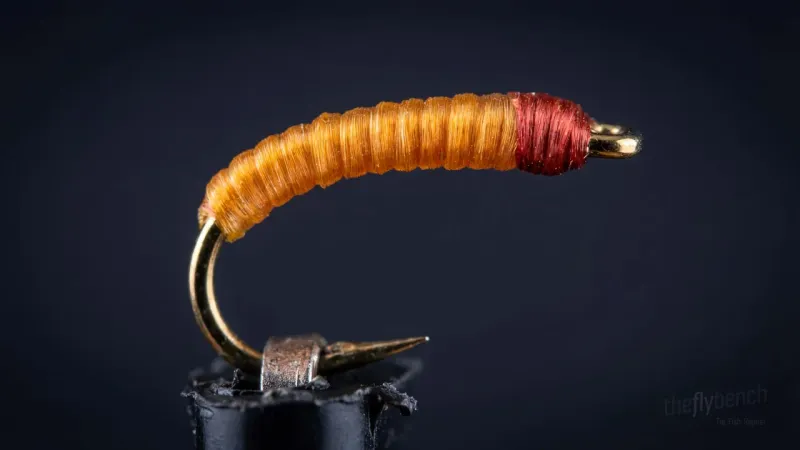
NymphGraphic Caddis
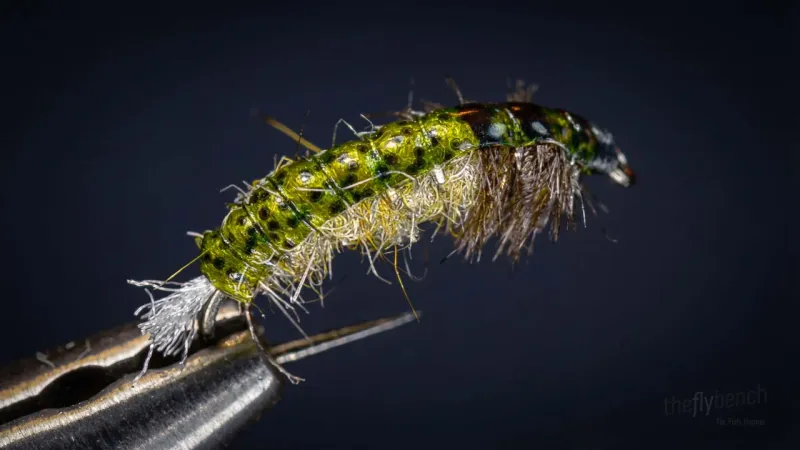
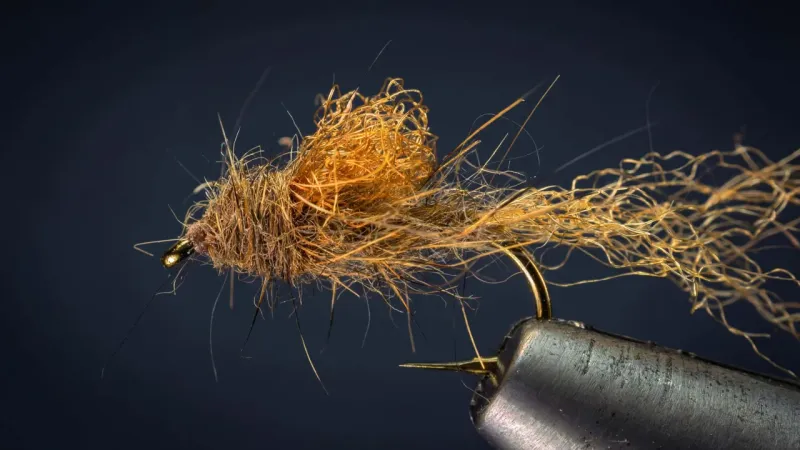
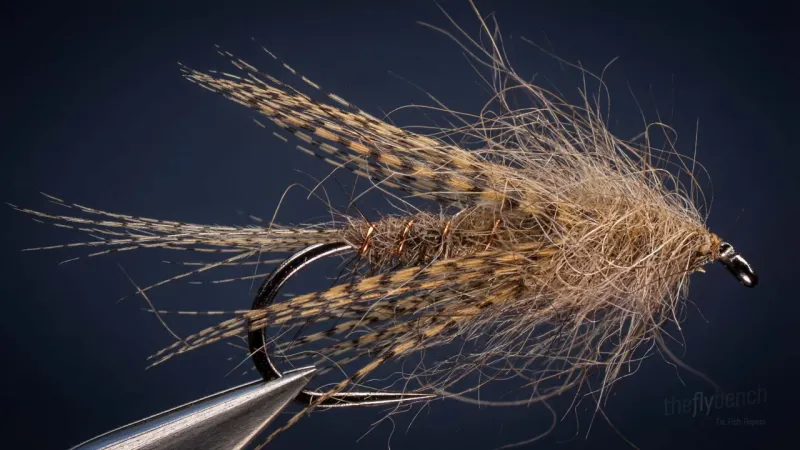
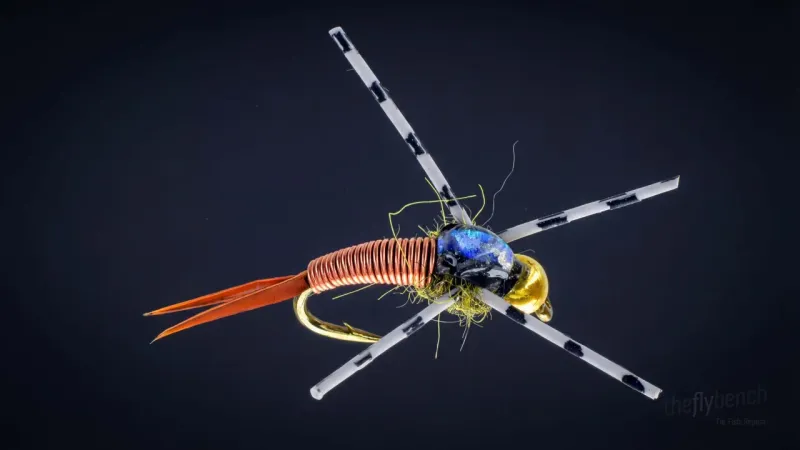
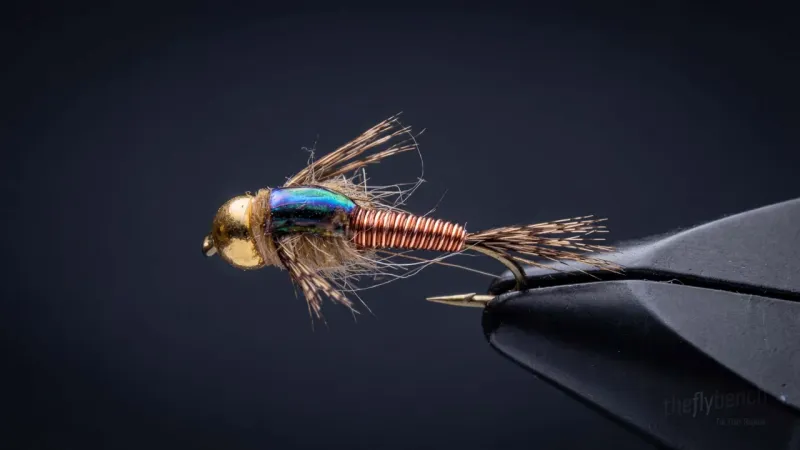
This effective caddis larva pattern uses a vinyl D-Rib over a flashy or natural dubbed body to create a segmented, translucent look. A bright hotspot behind the bead is often added for attraction. Simple and durable, it's a favorite for both Euro and indicator nymphing setups.
Spring, Summer, Fall
Advanced
Trout
Nov 2025
Overview
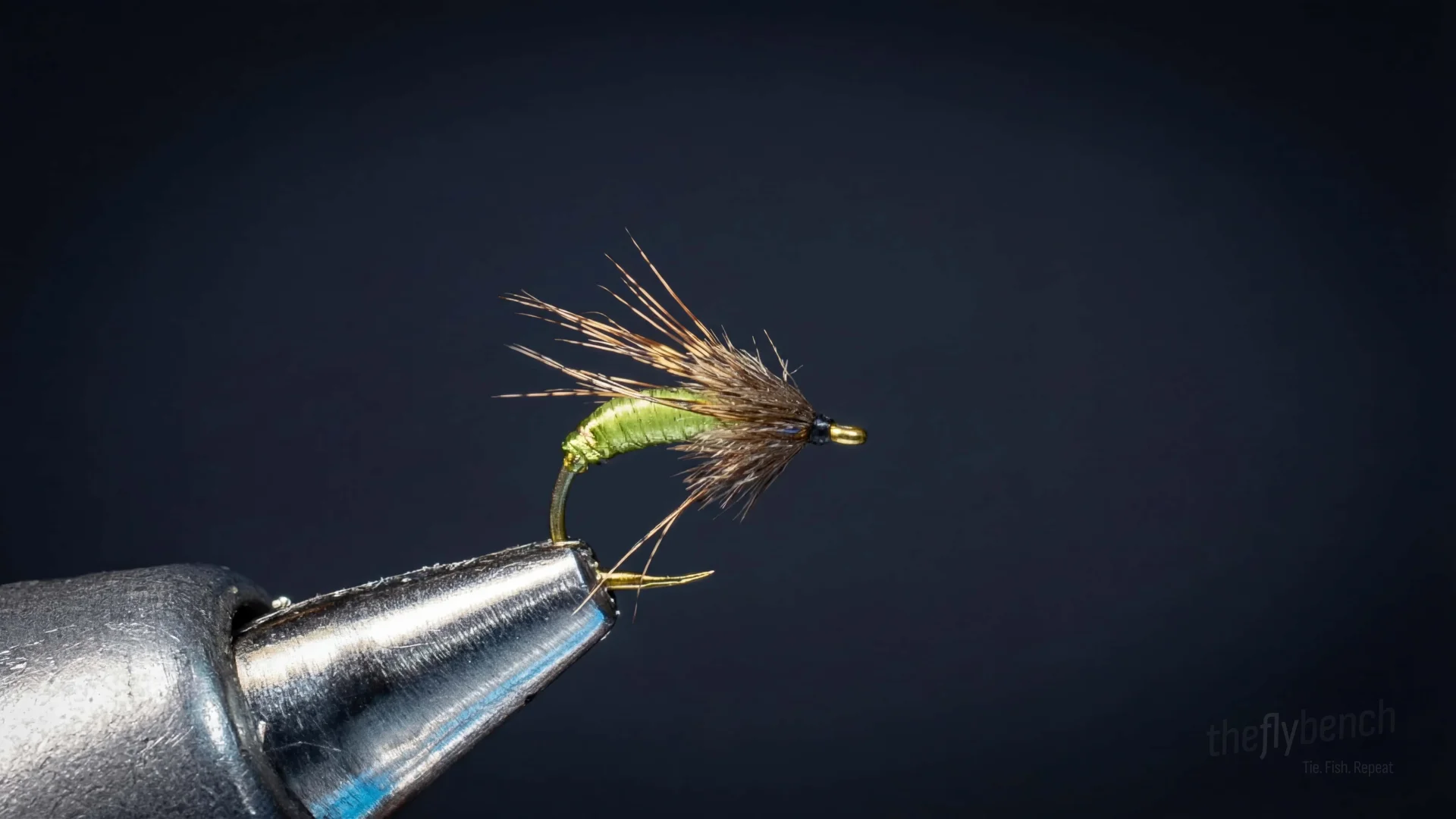
This modern caddis larva pattern uses vinyl D-Rib over a dubbed body to create a segmented, translucent appearance that mimics the natural insect. A bright hotspot (pink, chartreuse, or orange) behind the tungsten bead adds attraction. UV resin coating increases durability and creates a glossy, lifelike finish. Works well in both Euro nymphing and indicator setups. The combination of natural profile and flashy materials makes it effective in clear water where trout see lots of flies.
Where to Buy This Fly
We only link to fly shops we trust. Some links are referral links, which may earn us a commission at no extra cost to you.
Materials
- Hook:
- TMC 2499 SP-BL #14-18
- Thread:
- 8/0 White For Abdomen, 8/0 Brown For Thorax
- Tag:
- Silver Holographic Tinsel, Small
- Abdomen:
- Micro-tubing, Tan, Olive Or Chartreuse
- Legs:
- Hungarian Partridge Fibers
- Head:
- Natural Gray Ostrich Herl
Behavior & Presentation
Natural Behavior: The translucent larval body crawls along rocky substrate, clinging to stones in faster currents where trout actively hunt these protein-rich morsels. Case-free species expose their segmented bodies while foraging, making them conspicuous targets throughout the growing season.
Where Trout Eat It: In rivers, focus on riffles and runs with rocky bottom structure. In lakes, work rocky shoals and weed beds at 3-12 feet depth where larvae attach to vegetation.
How to Fish It: Dead drift tight to the bottom using indicator or Euro nymphing setups. Maintain contact with streambed where larvae naturally cling and tumble.
Best Water: Most productive in runs, riffles, and rocky pockets. Target shoals and structure at lake drop-offs where case-builders congregate.
Strike Type: Watch for indicator dips, subtle line tightening, or hesitation signaling bottom takes.
Fishing Strategy
Rigging Suggestions: Use 5X or 6X tippet with a strike indicator set 1.5 to 2 times the water depth. Also effective as a dropper 16-20 inches below a dry fly in a dry-dropper setup.
Seasonal Timing: Most productive from April through October when caddis larvae are actively feeding and growing. and periods see the highest concentrations as larvae prepare for pupation.
Pro Tips: The UV resin creates a translucent, glossy appearance that mimics the natural sheen of caddis larvae. The high-contrast body segments increase visibility in off-color water. Keep drifts near the bottom where larvae naturally occur.
Entomology
Free-living caddis larvae crawl actively across stream bottoms without protective cases, exposing their segmented bodies as they forage for algae and organic matter in riffles. Trout encounter these larvae when current dislodges them from substrate crevices, and their bright coloration and wriggling movement make them visible targets that fish consume readily throughout the year.
- Order
- Trichoptera
- Common Name
- Caddisfly
- Organism Type
- insect
- Life Stage
- larva