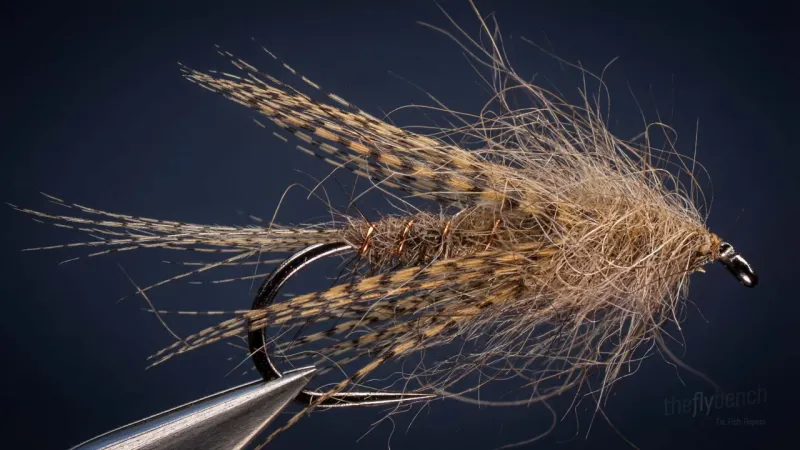
NymphHoly Grail Caddis
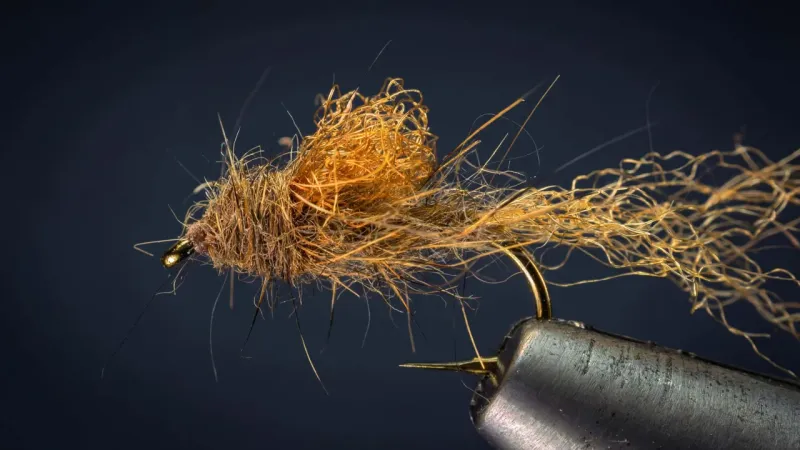
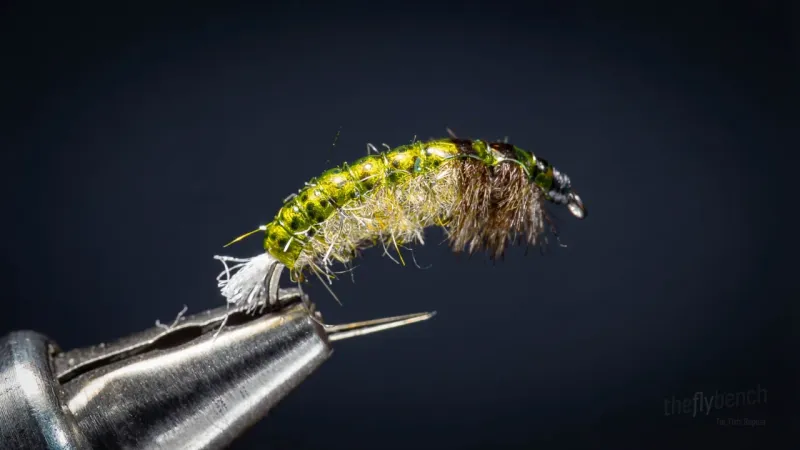
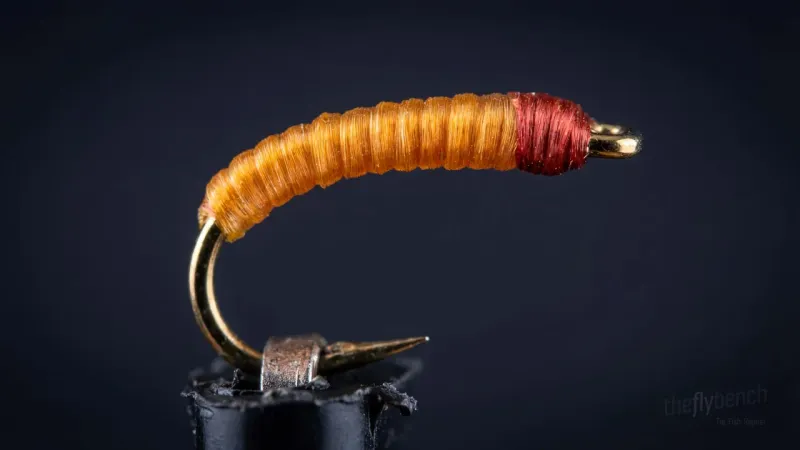
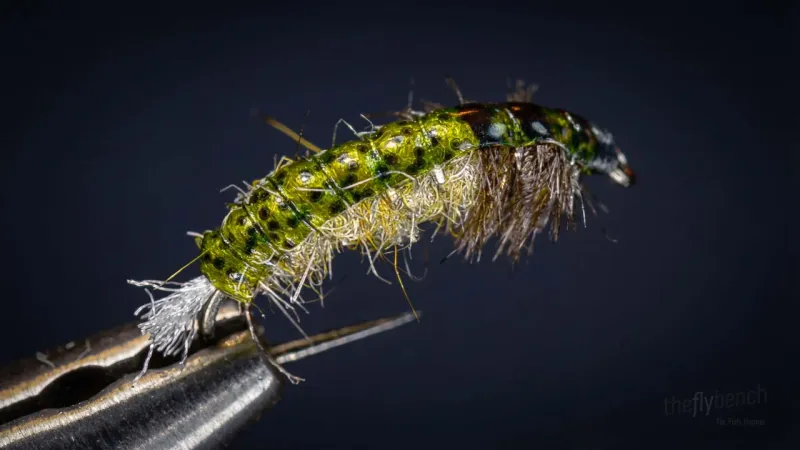
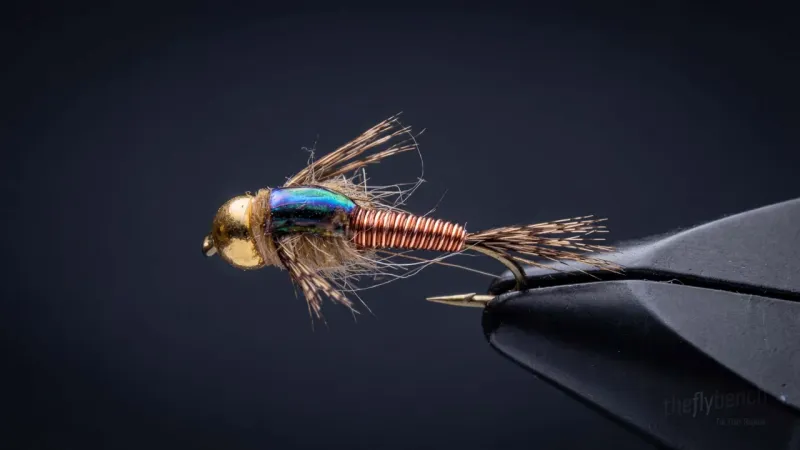
The Holy Grail Caddis is an extremely effective pattern that presents as a realistic caddis nymph in moving waters. Its pheasant tail body and hare's ear thorax provide a lifelike movement under water that is irresistible to fish.
Spring, Summer, Fall
Intermediate
Trout
Apr 2025
Overview
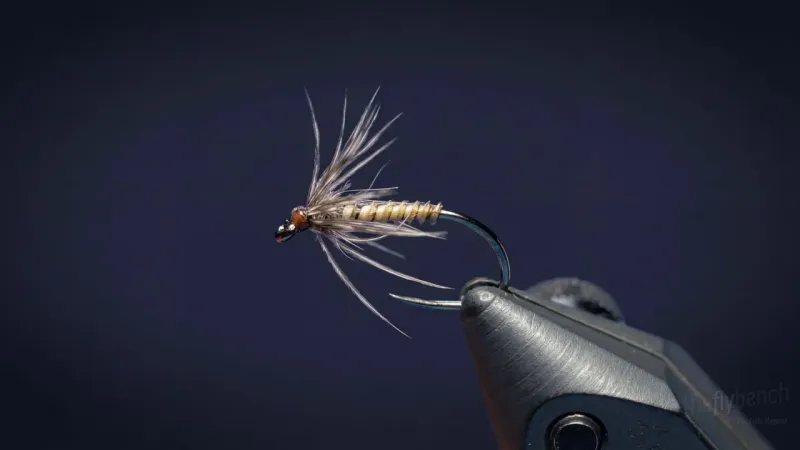
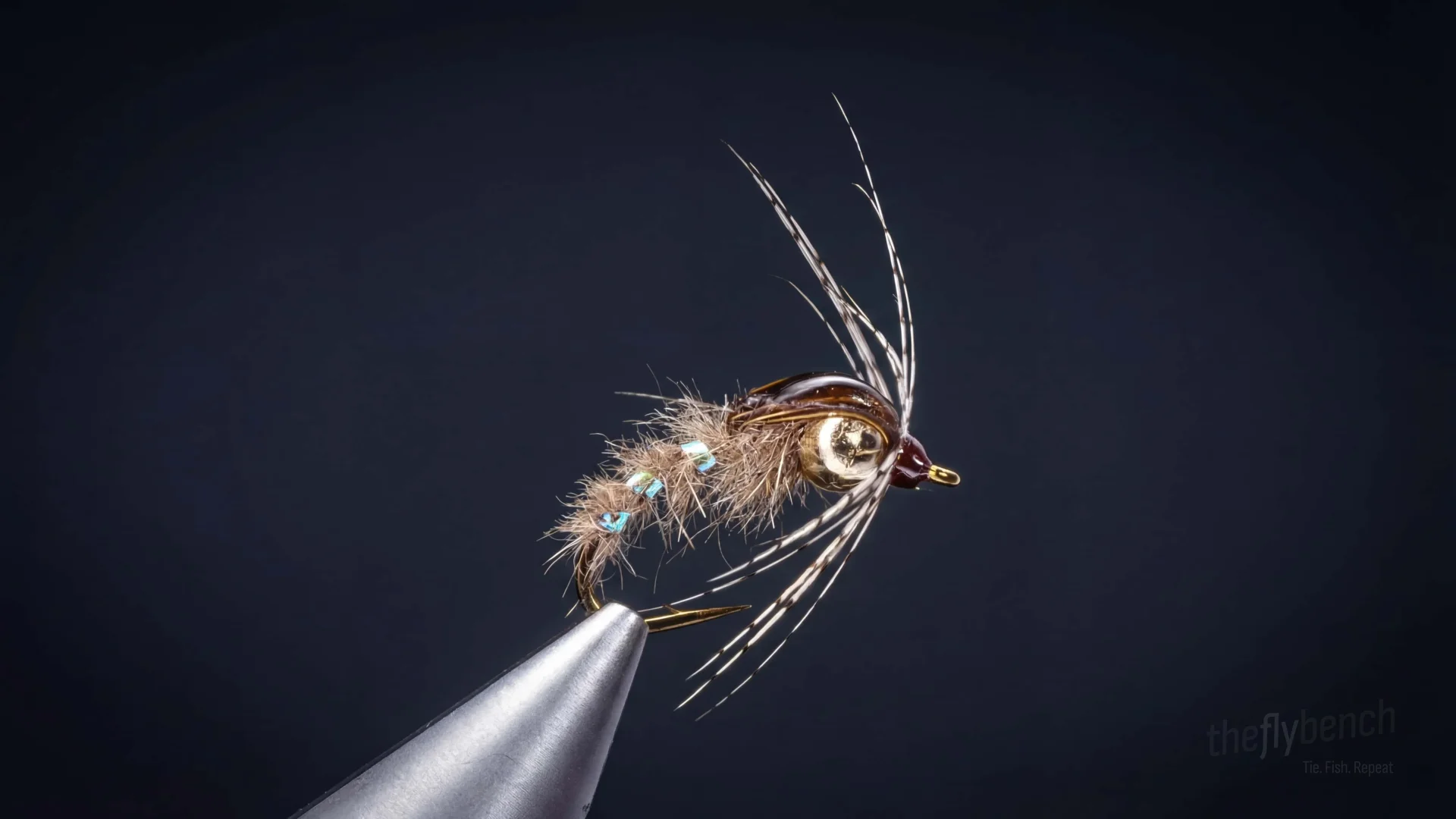
A soft hackle caddis emerger featuring a dubbed body, flashy rib, bead head, and partridge hackle. It excels in riffles and pocket water, swinging just below the surface during caddis hatches. Effective both dead-drifted and swung.
Where to Buy This Fly
We only link to fly shops we trust. Some links are referral links, which may earn us a commission at no extra cost to you.
Materials
- Hook:
- Mustad C49S # 12-16
- Bead:
- 2.8 mm tungsten slotted
- Tying thread:
- Sheer 14/0 Brown
- Rib:
- UTC Mirage Opal
- Body:
- Hares ear dubbing
- Wing case:
- Pheasant tail fibres with UV resin
- Thorax:
- Hares ear dubbing
- Hackle:
- Grey partridge
Behavior & Presentation
Natural Behavior: Emerging caddis struggle in the film as they transition from pupa to adult, creating surface disturbance that draws attention. The extended emergence period provides consistent feeding opportunities during hatches.
Where Trout Eat It: Surface film in riffles and runs where caddis emergences concentrate during evening activity.
How to Fish It: Dead drift with drag-free presentation, or add subtle twitches to imitate struggling emergence behavior.
Best Water: Seams, runs, tail-outs, riffle edges, and foam lines where surface insects collect in feeding lanes.
Strike Type: Visible rises as fish sip emergers from the film during active hatches.
Fishing Strategy
Rigging Suggestions: The Holy Grail Caddis can be fished alone, or as part of a multi-fly setup. A popular method is to use it as a dropper off a dry fly, or as the lead fly in a nymphing rig.
Seasonal Timing: The Holy Grail Caddis is most effective in and . It can be used year-round, however, as caddis larvae are always present in the water.
Pro Tips: The Holy Grail Caddis is a sinking fly, and is not designed to be visible on the surface. The gold tungsten bead helps to get it down to the bottom quickly.
Entomology
Free-living caddis larvae crawl actively along the stream bottom, periodically drifting to new feeding locations without protective cases. Their exposed soft bodies make them high-value targets when dislodged by current or during mass drift events. Trout recognize the distinct wiggling motion and pale coloration, often preferring these vulnerable larvae over cased caddis.
- Order
- Trichoptera
- Common Name
- Caddisfly
- Organism Type
- insect
- Life Stage
- larva