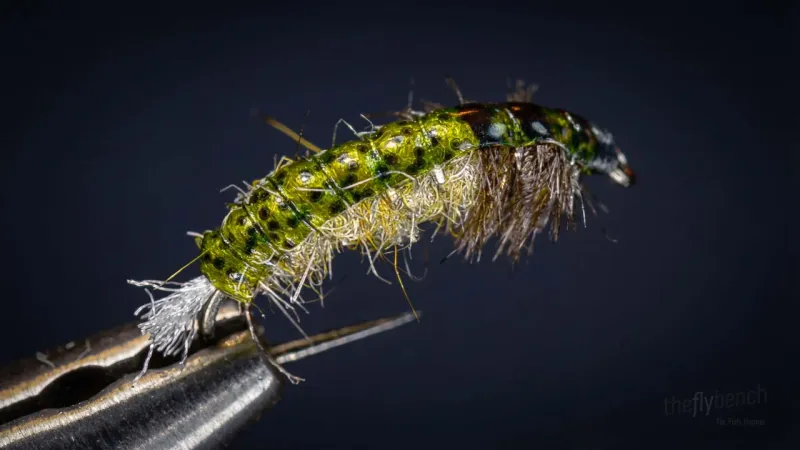
NymphGlossosoma Caddis Larva
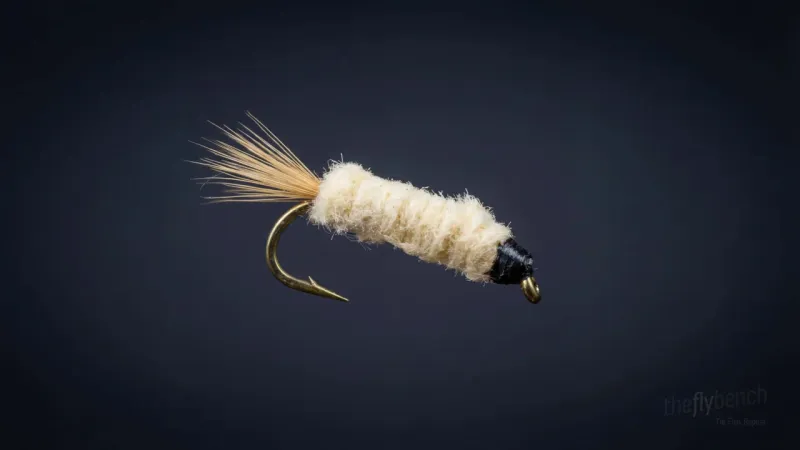
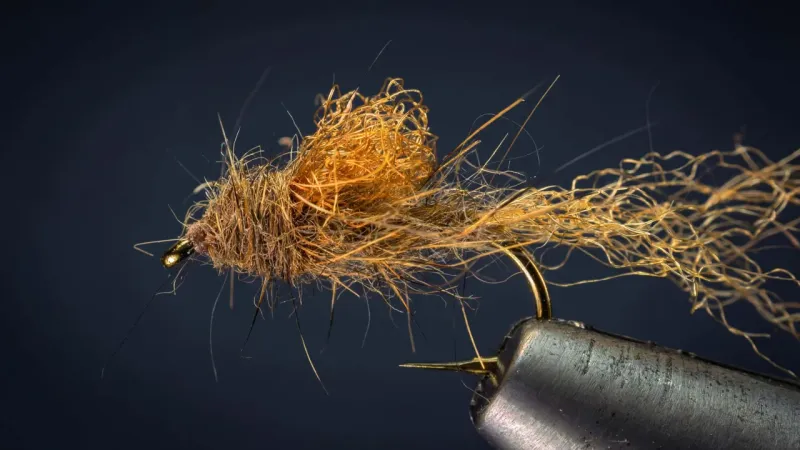
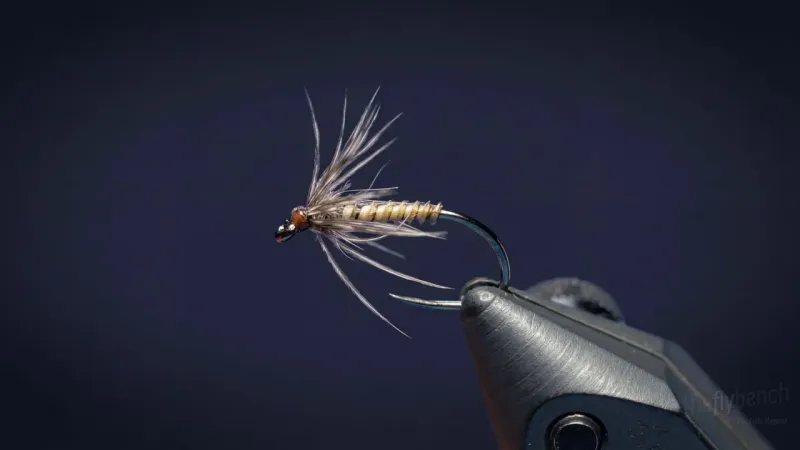
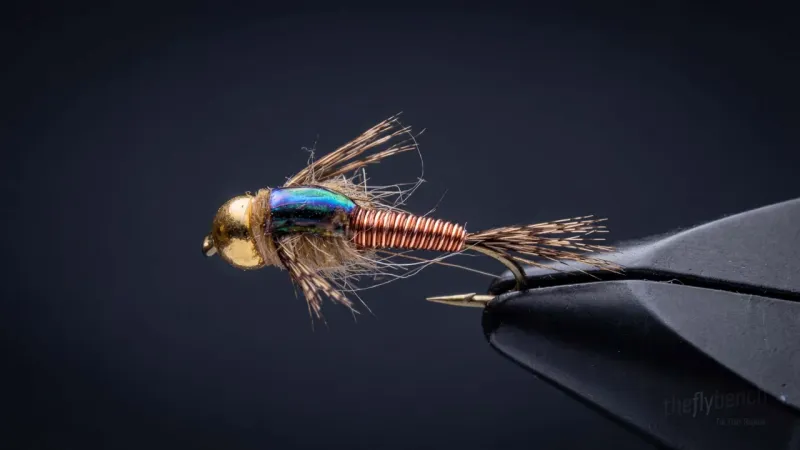
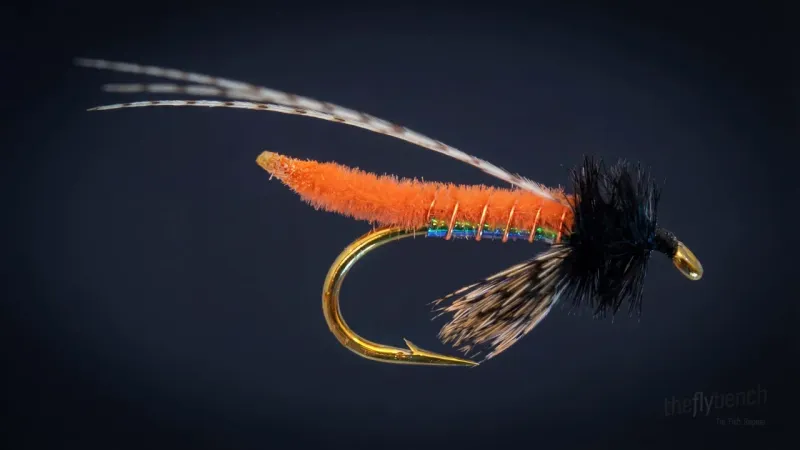
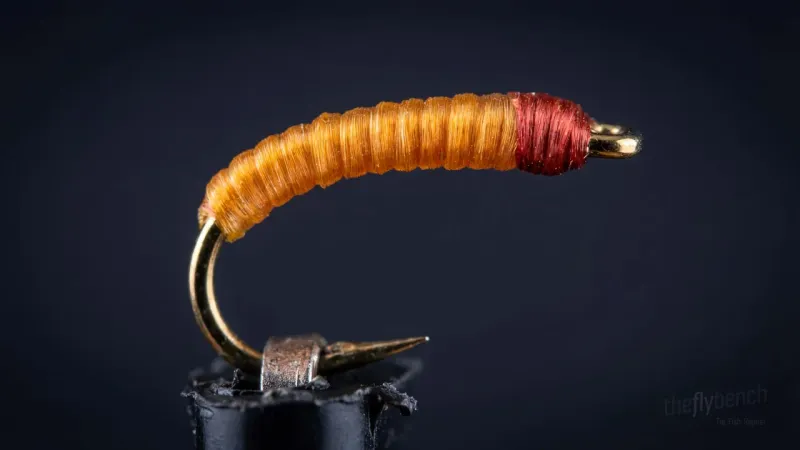
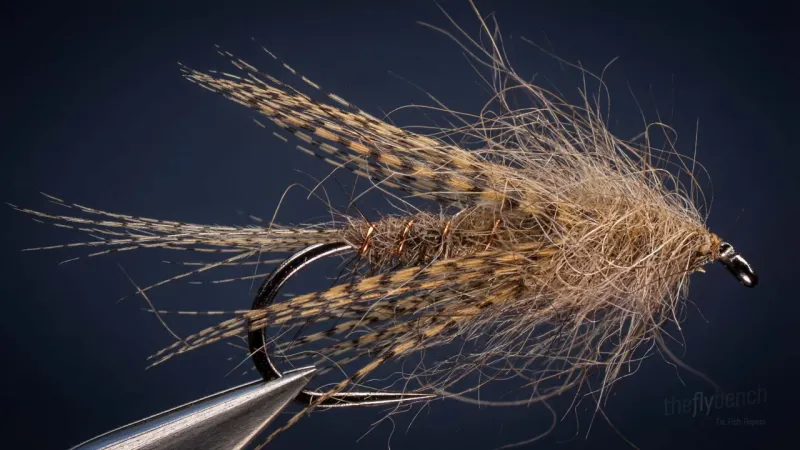
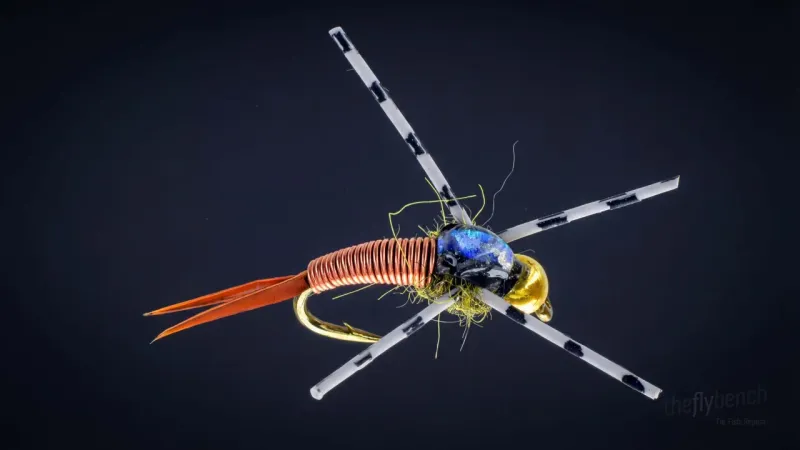
The Glossosoma Caddis Larva imitates the saddle-case caddis larvae (Glossosoma species) that are abundant in freestone streams. The pink-tinged Zelon dubbing body matches the natural coloration of these larvae, while the partridge soft hackle legs add movement and realism. A highly effective pattern when trout are feeding on dislodged caddis larvae.
Year Round
Intermediate
Trout
Dec 2025
Overview
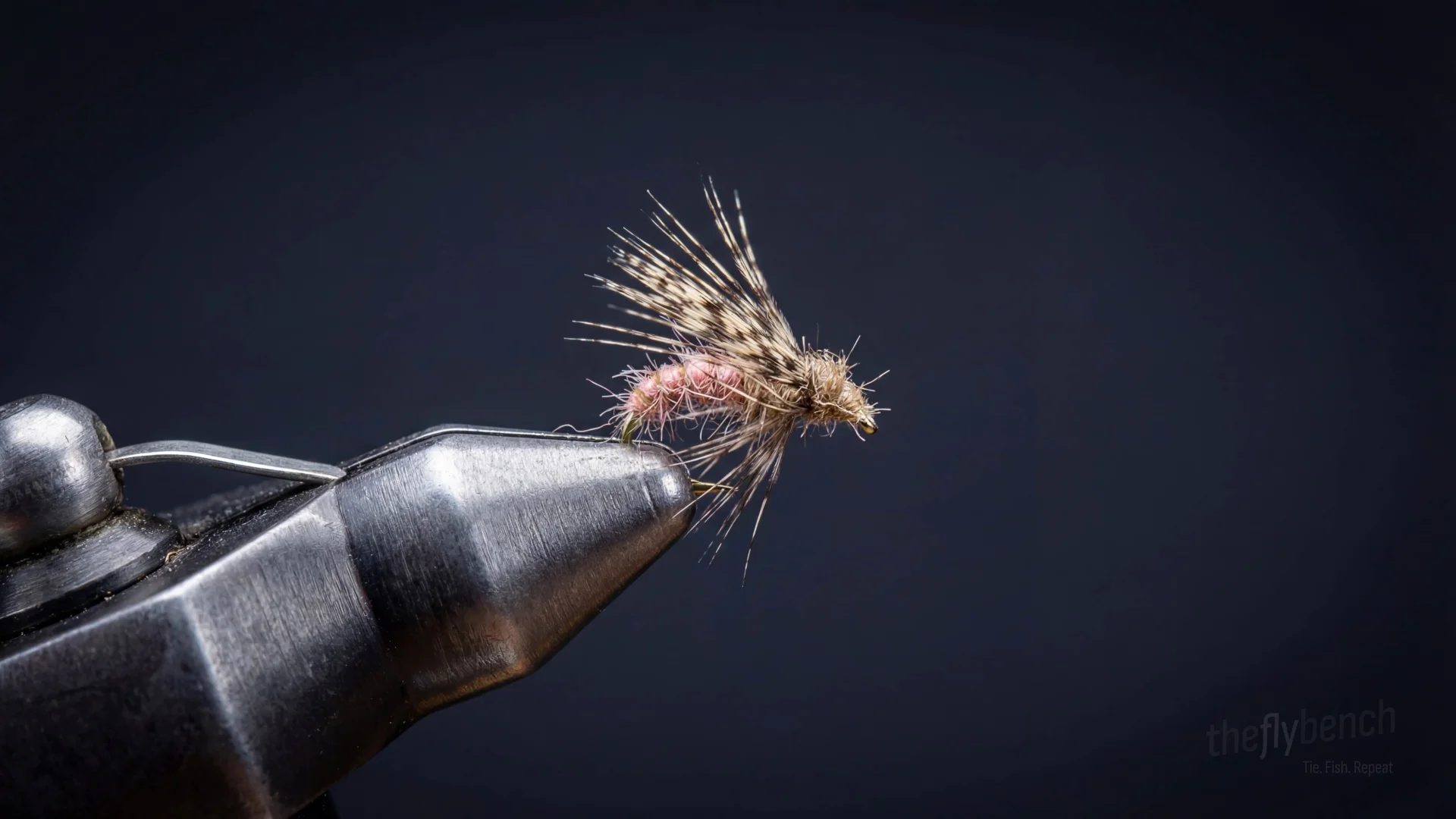
Glossosoma caddis are among the most abundant caddis species in many western freestone streams. These saddle-case makers build distinctive dome-shaped cases from small pebbles. The larvae have a pinkish cast that this pattern replicates with the Hendrickson pink Zelon dubbing. The amber wire rib adds subtle segmentation and durability.
Materials
Hook: Tiemco 2457 or Umpqua U202, #18
Thread: Danville, 6/0, shrimp pink
Body: Zelon Dubbing, glossosoma larva/Hendrickson pink
Rib: Ultra Wire, small, amber
Legs: Hungarian Partridge, natural
Head: Zelon Dubbing, hydropsyche tan
Behavior & Presentation
Natural Behavior: Saddle-case caddis construct dome-shaped portable shelters from tiny pebbles, grazing algae on exposed rocks in swift riffles. Dislodged larvae tumble helplessly through the drift with their distinctive flat cases visible, the pinkish bodies occasionally protruding from case openings as they attempt to regain substrate contact during their vulnerable transport through feeding lanes.
Where Trout Eat It: Trout feed on drifting Glossosoma larvae in South Platte River rocky riffles when saddle-case makers abandon cases to build larger ones. During synchronized activity, larvae drift in high concentrations (350+ per hour) with exposed pink bodies tumbling near bottom at 1-4 foot depths.
How to Fish It: Dead drift near bottom as dropper below heavier nymph, maintaining contact with substrate to replicate natural tumbling. The light pattern sinks slowly—add split shot if deeper presentations needed for rocky riffle presentations.
Best Water: Work South Platte rocky bottom riffles and pocket water over cobblestone where Glossosoma larvae graze algae on substrate at 1-4 feet deep.
Strike Type: Detect takes through indicator hesitation or subtle line tightening—feel for gentle taps or unexpected weight as fish crush the rocky cases and inhale the soft-bodied larvae inside.
Fishing Strategy
Rigging Suggestions: Fish as a dropper below a heavier nymph to reach the bottom where caddis larvae live. Works well in tandem rigs.
Seasonal Timing: but particularly productive during higher flows when caddis larvae are dislodged from rocks.
Pro Tips: Light pattern that sinks slowly. Add split shot if deeper presentations are needed.
Entomology
Saddle-case caddis larvae construct distinctive dome-shaped portable cases from small pebbles, grazing algae from exposed rock surfaces in swift current. These flattened cases help the larvae resist current forces while maintaining position in high-gradient riffles, but dislodged individuals tumble helplessly in the drift. The armored appearance belies vulnerability during transport phases, and trout consume them readily despite the rocky exterior, crushing cases to access the protein-rich larvae within.
- Order
- Trichoptera
- Common Name
- Caddisfly
- Organism Type
- insect
- Life Stage
- larva