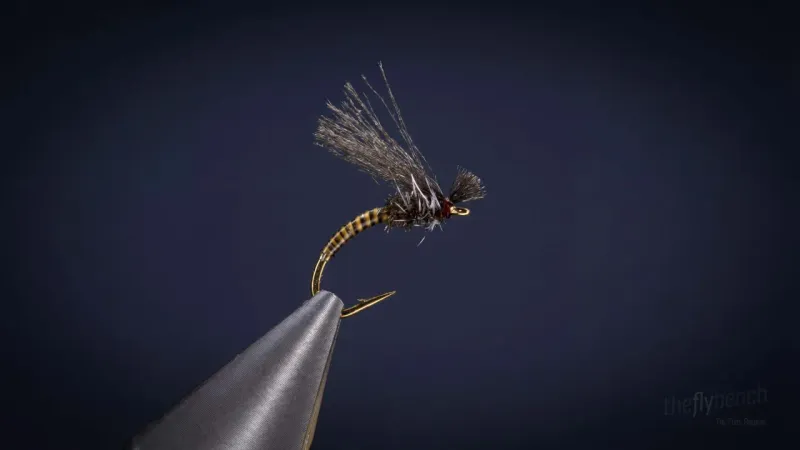
Midge / EmergersBiot Midge
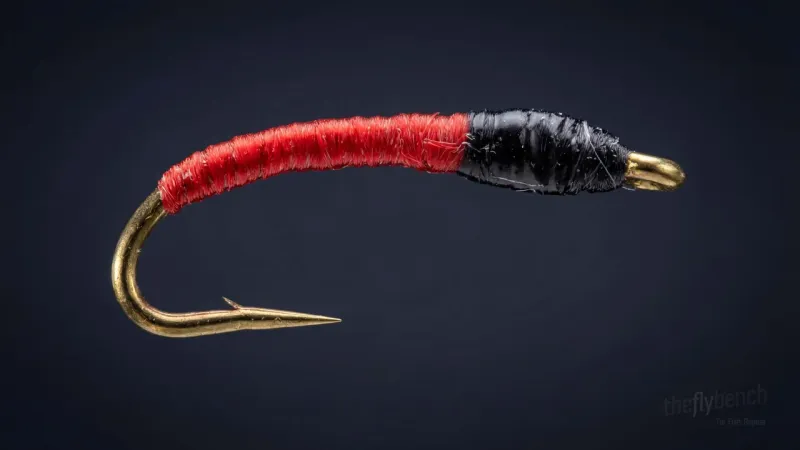
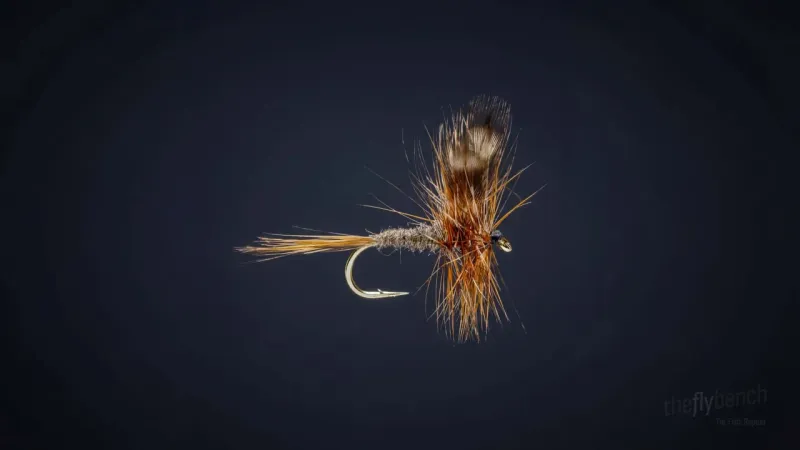
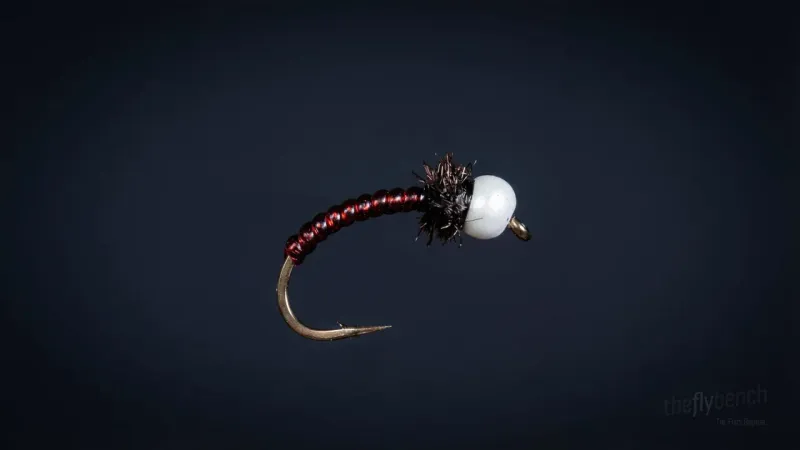
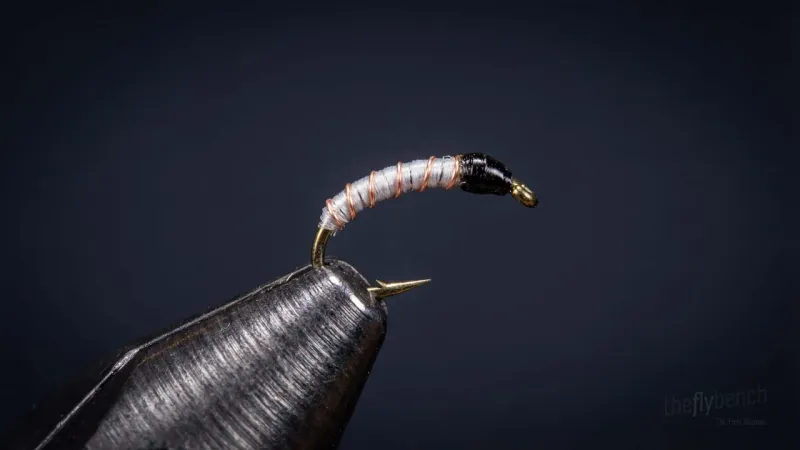
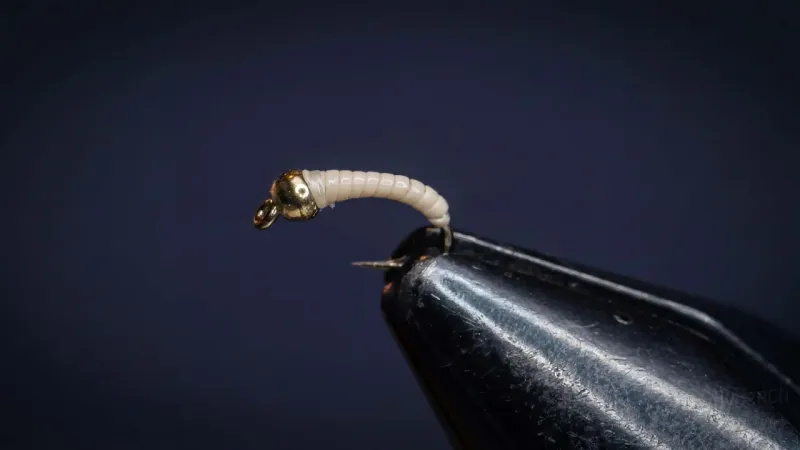
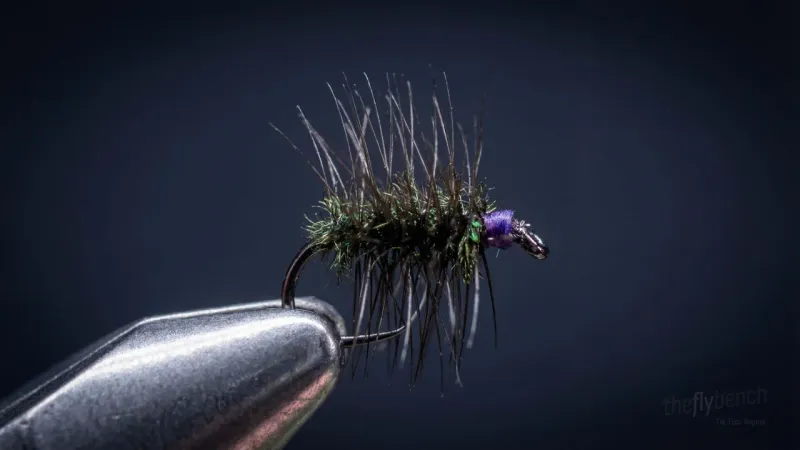
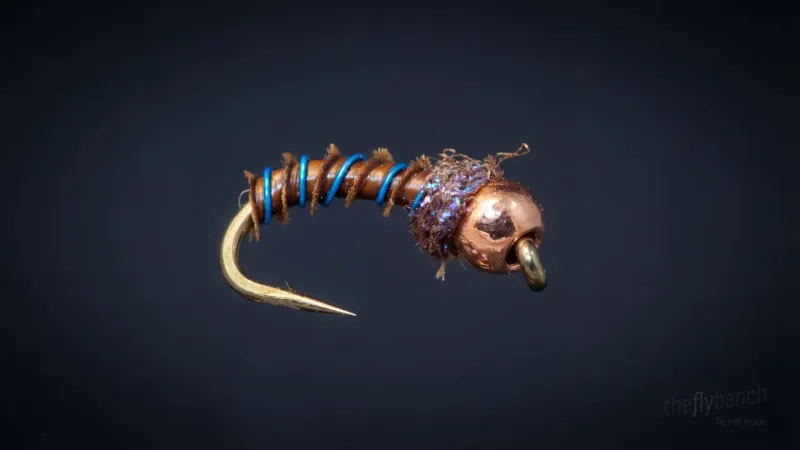
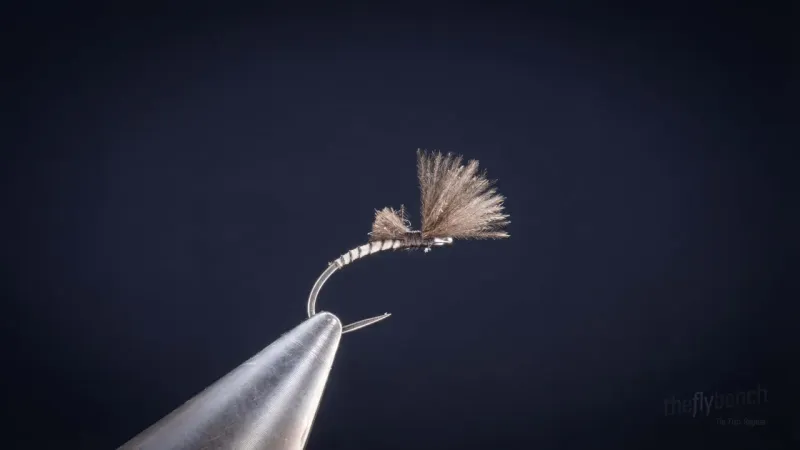
The Biot Midge is a simple but effective pattern that imitates a midge pupa. The stripped peacock herl gives it a realistic segmented appearance and the CDC wing gives it a lifelike silhouette in the water.
Spring, Summer, Fall
Beginner
Trout
Apr 2025
Overview
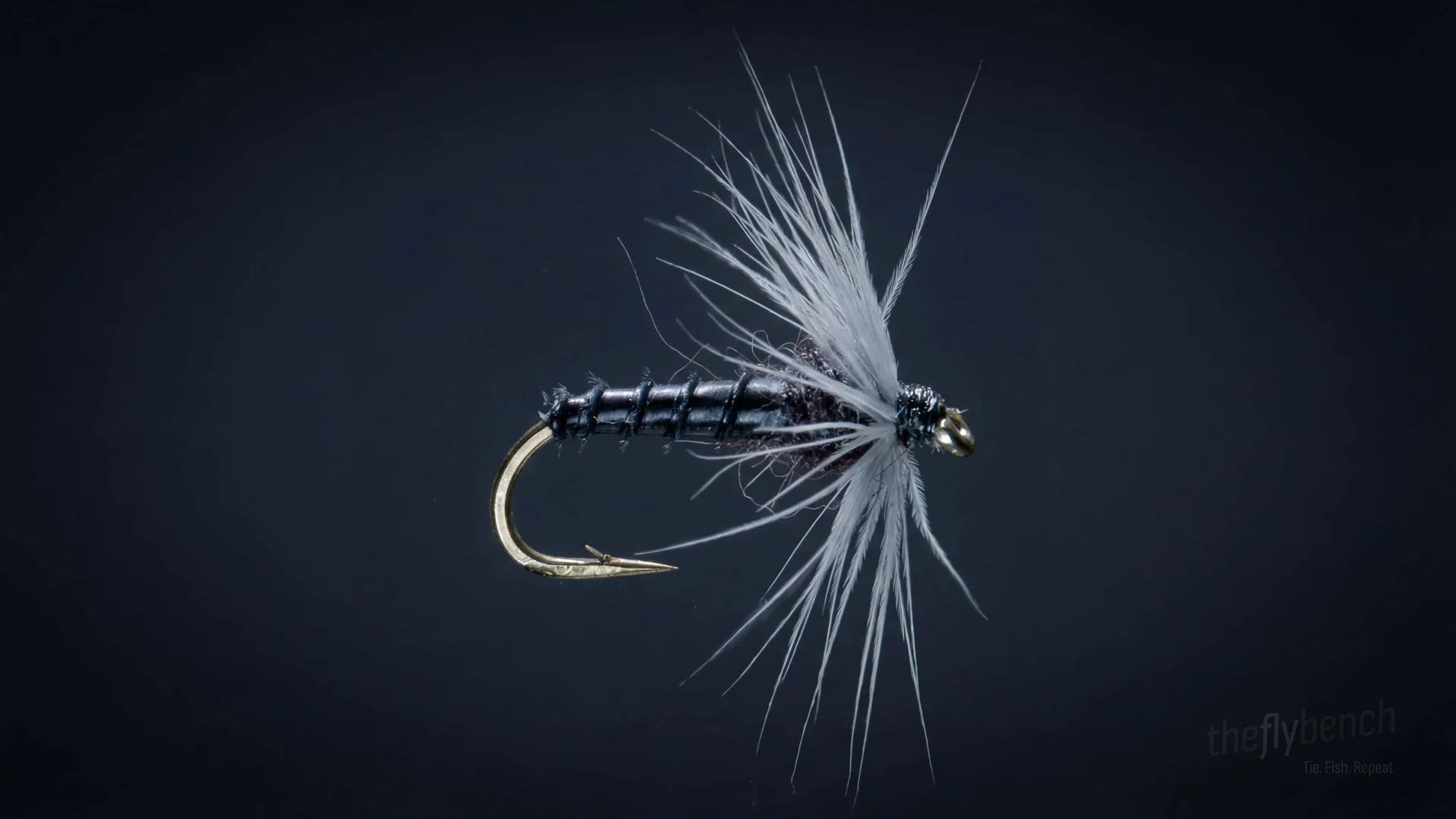
The Biot Midge is a sleek, segmented midge pattern tied with a goose or turkey biot body for a realistic ribbed appearance. Finished with a sparse dubbed thorax and sometimes a bead or CDC puff, it excels in clear water where trout are feeding on small, emerging midges.
Where to Buy This Fly
We only link to fly shops we trust. Some links are referral links, which may earn us a commission at no extra cost to you.
Materials
- Hook:
- #18-22 Tiemco 100
- Thread:
- Black UTC 70
- Body:
- Brown Goose Biot
- Thorax:
- Black Superfine Dubbing
- Collar:
- Black India Hen Back
Behavior & Presentation
Natural Behavior: As gas accumulates in the thorax, pupae ascend vertically toward the surface film where they hang suspended during their vulnerable transformation, creating extended feeding opportunities throughout the day.
Where Trout Eat It: Fish intercept ascending pupae at multiple depths in lakes and rivers, particularly near weed beds, structure, and calm current seams.
How to Fish It: Suspend in the film on a dead drift, allowing the pattern to hang motionless as trapped emergers do naturally during their protracted emergence.
Best Water: Most productive in foam lines, slicks, pools, and current seams where pupae concentrate during their film-hanging phase.
Strike Type: Subtle surface sips or barely perceptible indicator movement as fish confidently take suspended emergers.
Fishing Strategy
Rigging Suggestions: Use a light tippet and a long leader for a delicate presentation.
Seasonal Timing: When trout are feeding on midges, particularly during a midge hatch.
Pro Tips: This fly is small and can be difficult to see, but the white CDC wing can help with visibility. It should be fished in or just below the surface film.
Entomology
Midge pupae exhibit a distinctive ascending behavior as gas bubbles accumulate in their thorax, causing them to rise slowly through the water column toward the surface film where they will emerge as adults. This vertical movement occurs throughout the day and night, with concentrations often highest during dawn and dusk transitions. Fish focus intensely on emerging midges because the slow, predictable ascent and surface-hanging vulnerability create extended feeding opportunities requiring minimal energy expenditure.
- Order
- Diptera
- Family
- Chironomidae
- Common Name
- Midge
- Organism Type
- insect
- Life Stage
- general