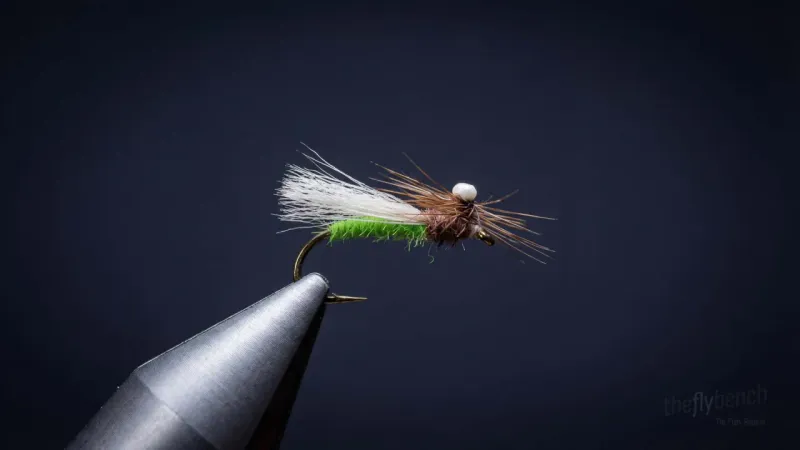
Dry FliesAmber X2 Caddis
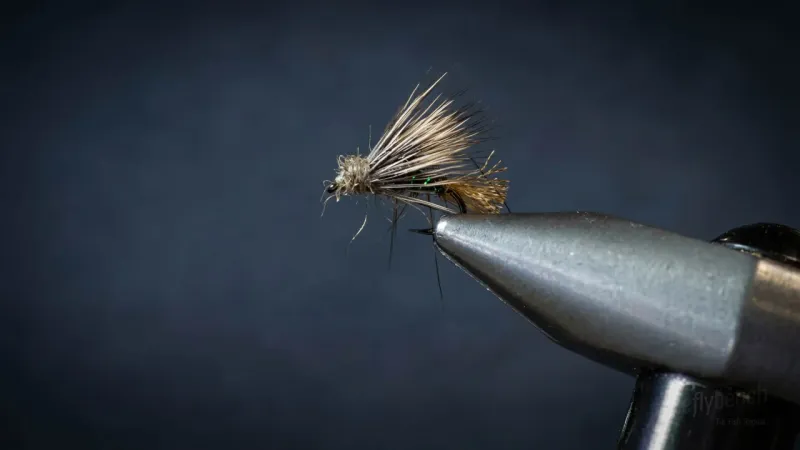
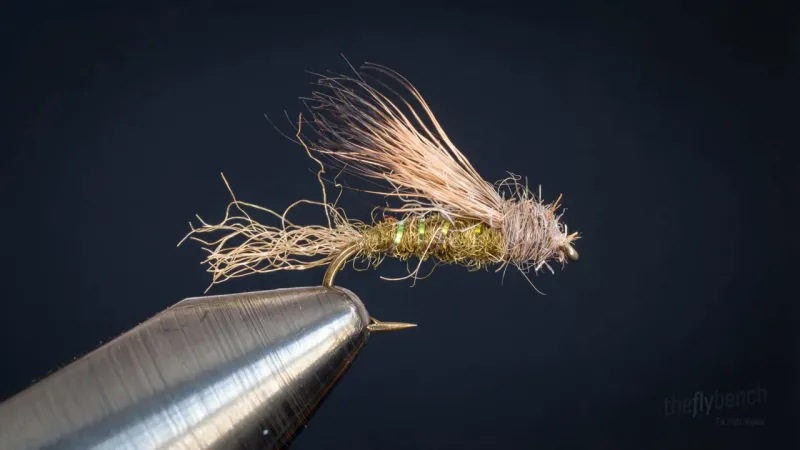
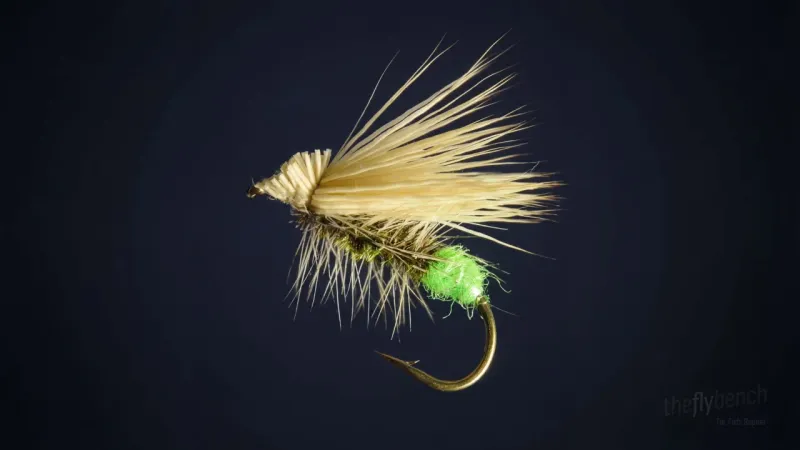
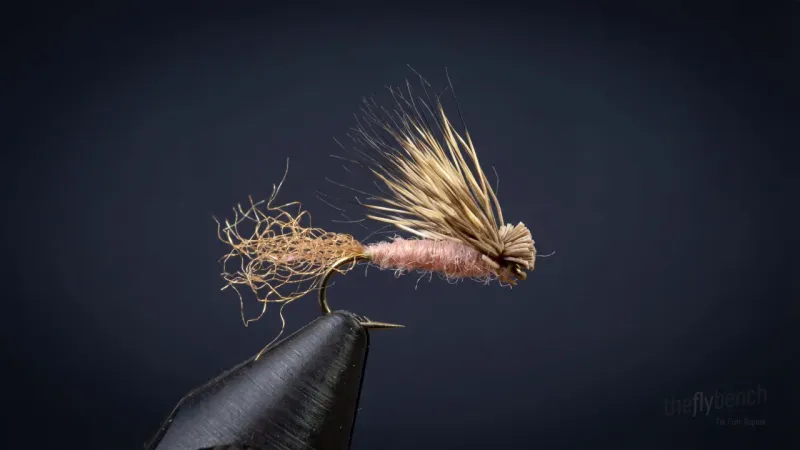
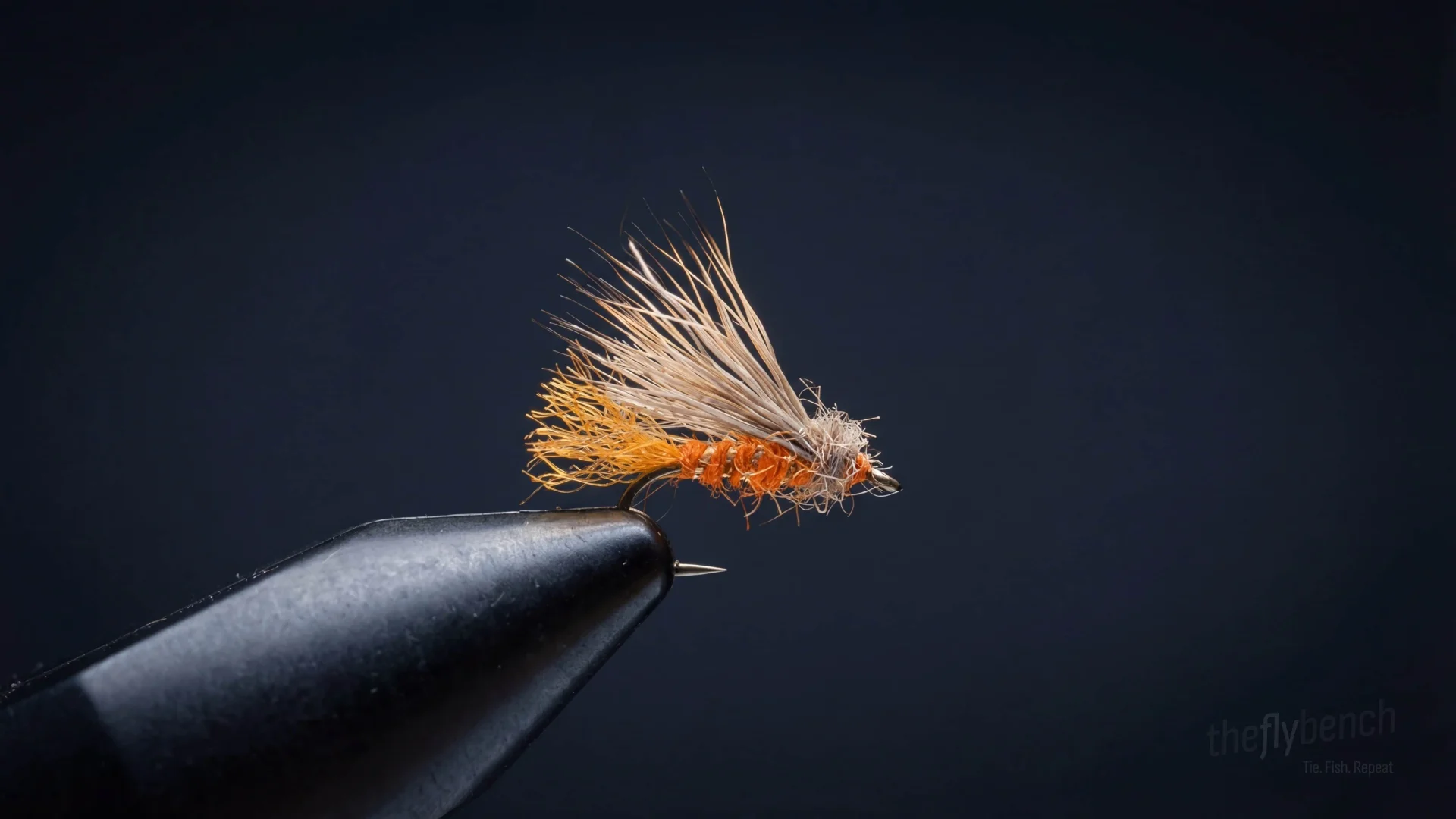
The Amber X2 Caddis is an amber-colored variation of Craig Mathews' X2 Caddis that combines deer hair and synthetic materials for exceptional floatation and visibility. The Iris Zelon dubbing body creates a translucent amber glow while the EP Trigger Point underwing adds a subtle flash. This pattern excels during tan and amber caddis emergences on western rivers.
Summer, Fall
Intermediate
Trout
Dec 2025
Overview
The Amber X2 Caddis was developed at Blue Ribbon Flies as a color variation of the original X2 Caddis for matching amber-colored caddis species. The combination of deer hair wing and EP Trigger Point underwing provides the floatation of traditional patterns with improved visibility. The pearl Krystal Flash rib adds subtle attraction without overwhelming the natural profile.
Materials
Hook: Tiemco 100 or Umpqua U002, #16
Thread: Danville, 6/0, brown
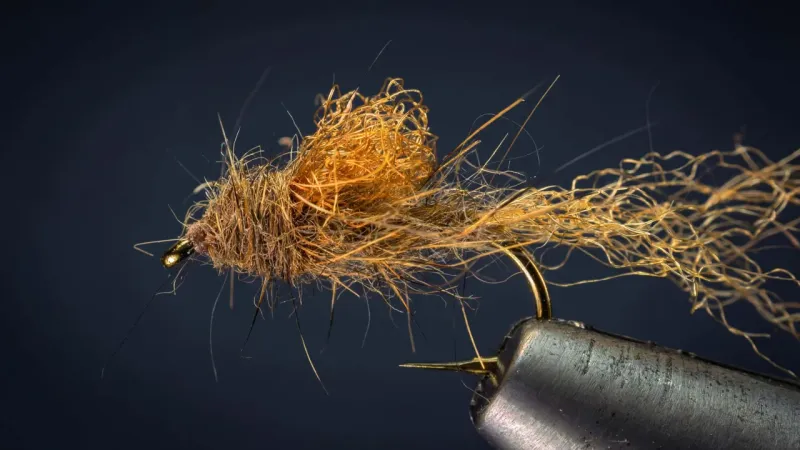
Shuck: Straight Zelon, caddis amber
Rib: Krystal Flash, pearl
Body: Iris Zelon Dubbing, amber
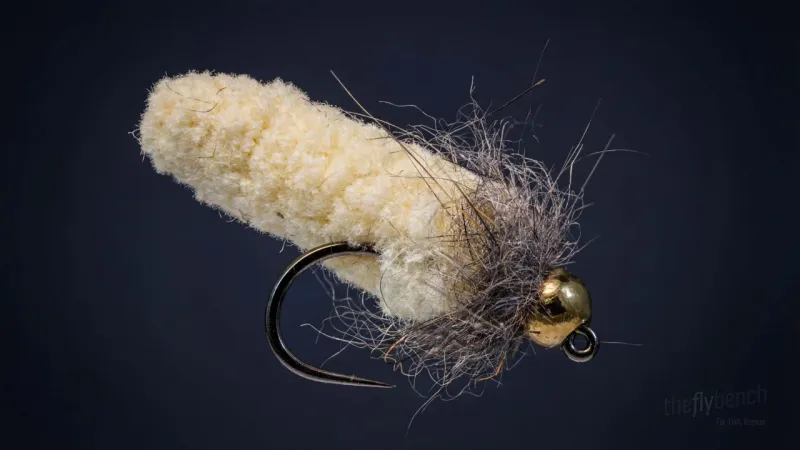
Underwing: EP Trigger Point Fibers, white
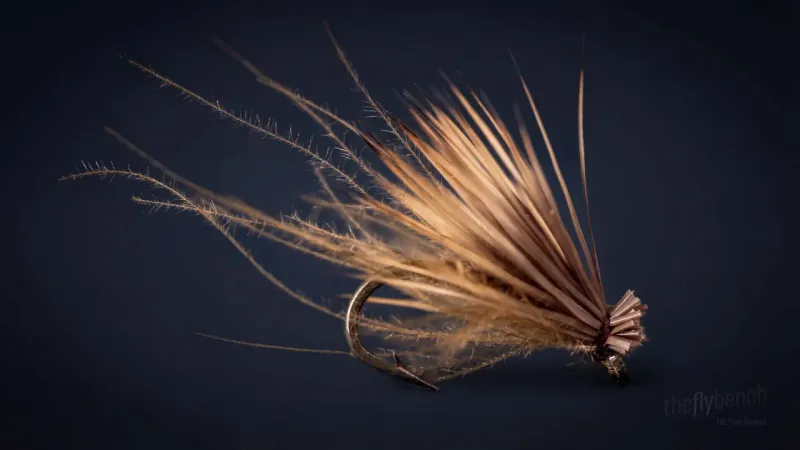
Wing: X Caddis Deer Hair, natural
Head: Zelon Dubbing, hydropsyche tan
Behavior & Presentation
Natural Behavior: Female caddisflies return to water after mating, skittering across the surface while depositing egg masses. Repeated bouncing movements create rhythmic disturbances as they wash eggs from abdominal segments.
Where Trout Eat It: Fish target this high-floating emerger in riffles and runs during tan/amber caddis emergence when pupae break through surface film. The deer hair wing and EP underwing combination provides superior visibility during active hatches.
How to Fish It: Fish with wing positioned high for emerger presentation with body partially submerged, or apply extra floatant to fish high and dry. Dead drift through feeding lanes or add occasional twitches to imitate struggling emergence.
Best Water: Excel in moderate to fast freestone water where buoyant deer hair maintains float. Target riffle edges and pool heads during late afternoon and evening when adult caddis become active.
Strike Type: Expect confident boils during active skittering or quiet takes on drowned adults riding flush in film.
Fishing Strategy
Rigging Suggestions: Fish on 9-12 foot leader with 5X tippet. The buoyant design supports a small dropper nymph if desired.
Seasonal Timing: Most effective from June through September during tan and amber caddis emergences. Peak performance during late afternoon and evening hours when adult caddis are most active.
Pro Tips: Rides in the film with trailing shuck below surface.
Entomology
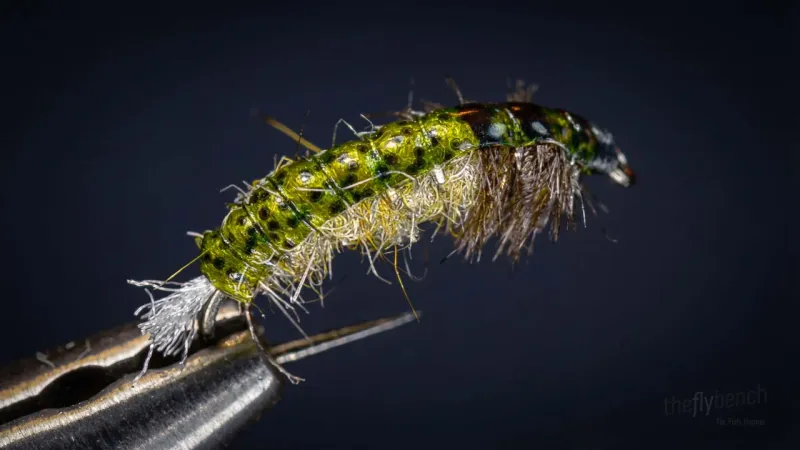
Caddis adults emerging from pupae must swim rapidly to the surface and immediately break through the meniscus before wings become waterlogged, creating a frantic splashing motion. The newly emerged adults sit motionless on the surface while hemolymph pumps into wing veins, and this vulnerable rest period—typically 10-30 seconds—represents a critical predation window that trout exploit by patrolling emergence zones during peak hatch timing.
- Order
- Trichoptera
- Common Name
- Caddisfly
- Organism Type
- insect
- Life Stage
- adult