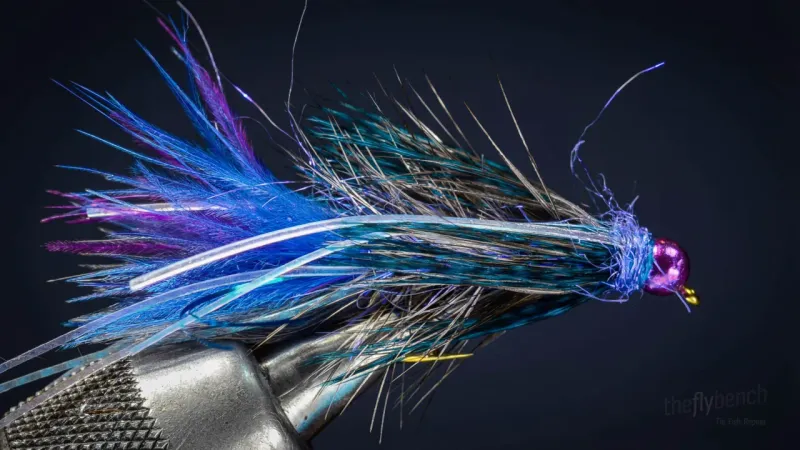
NymphBarr's Spork Carp Fly
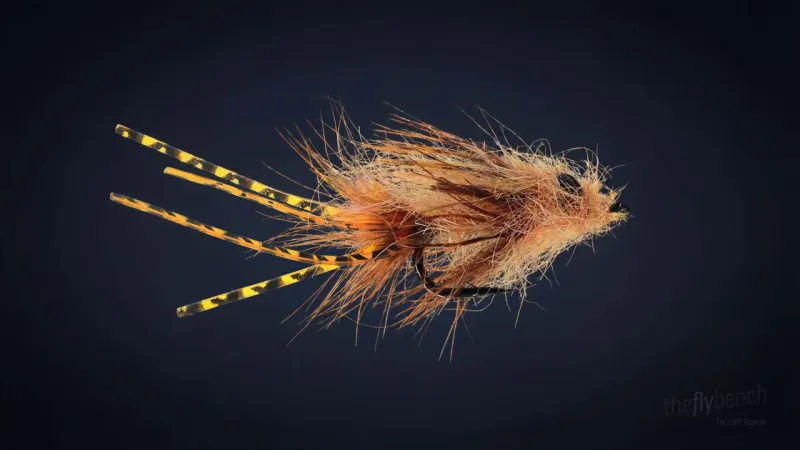
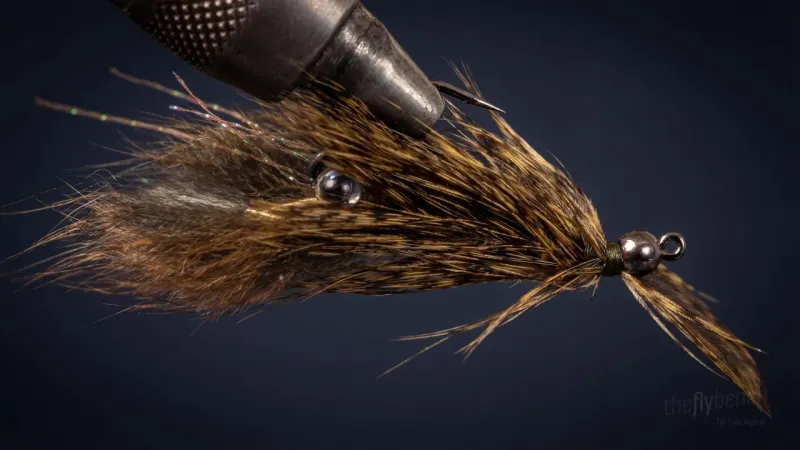
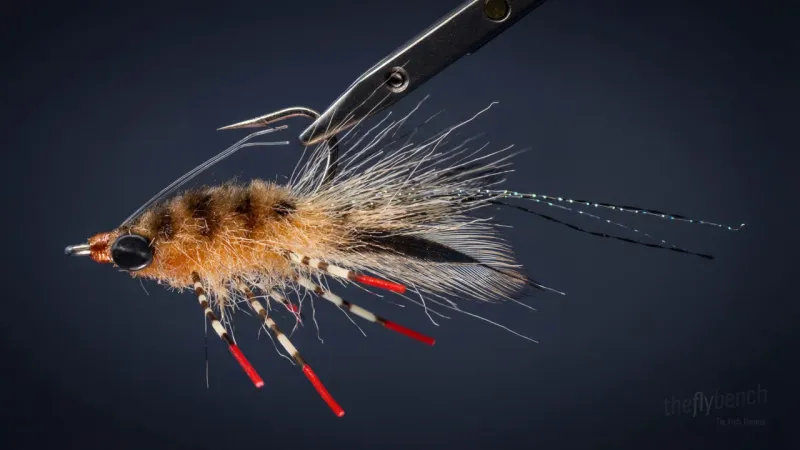
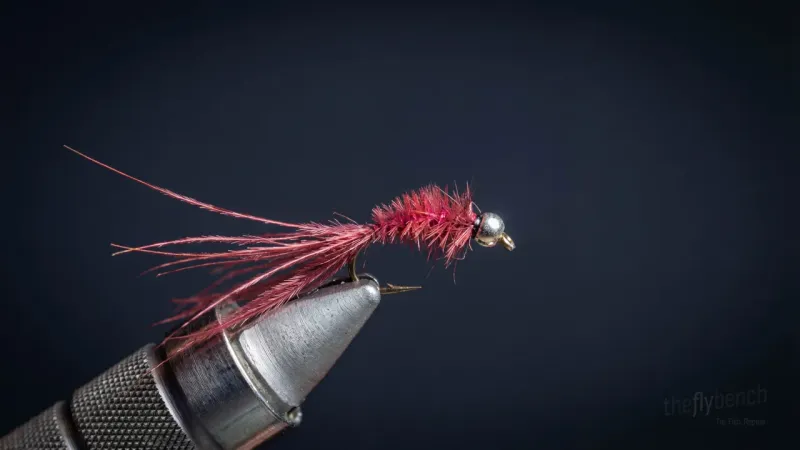
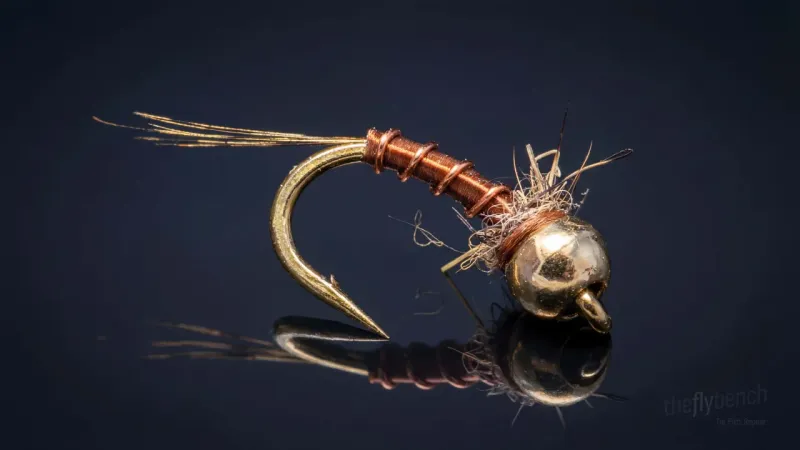
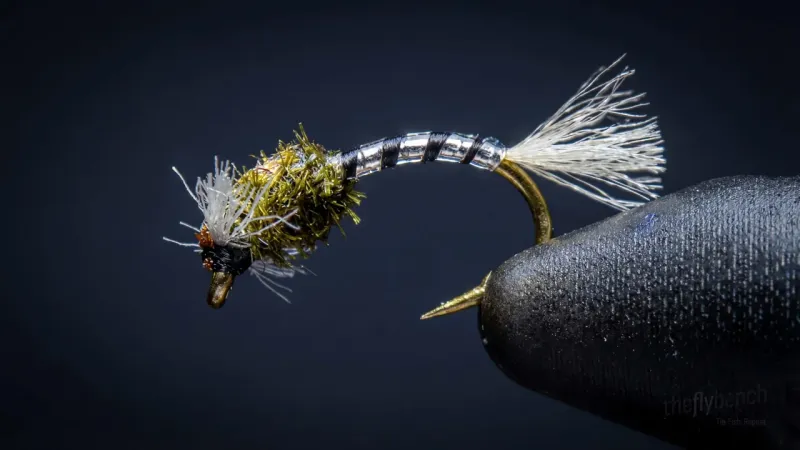
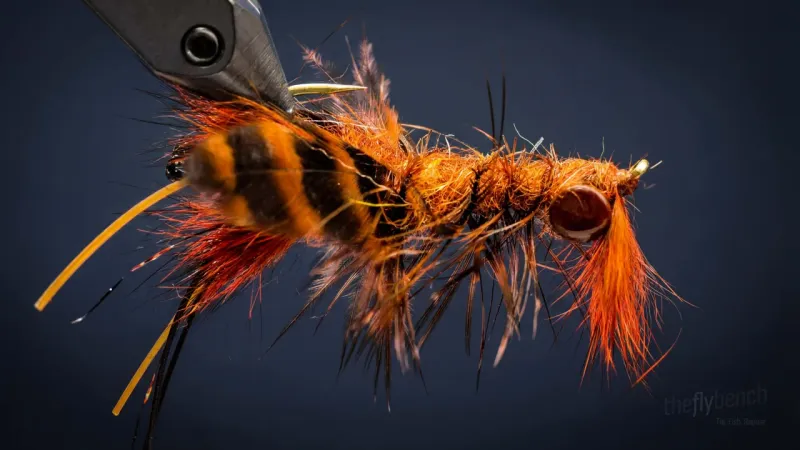
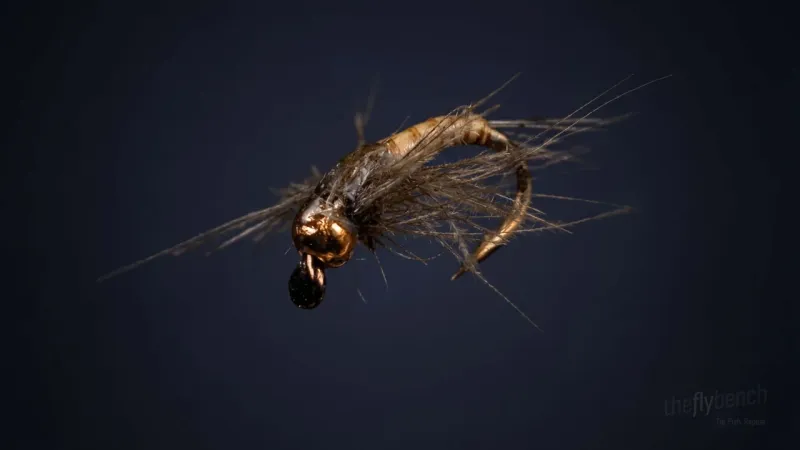
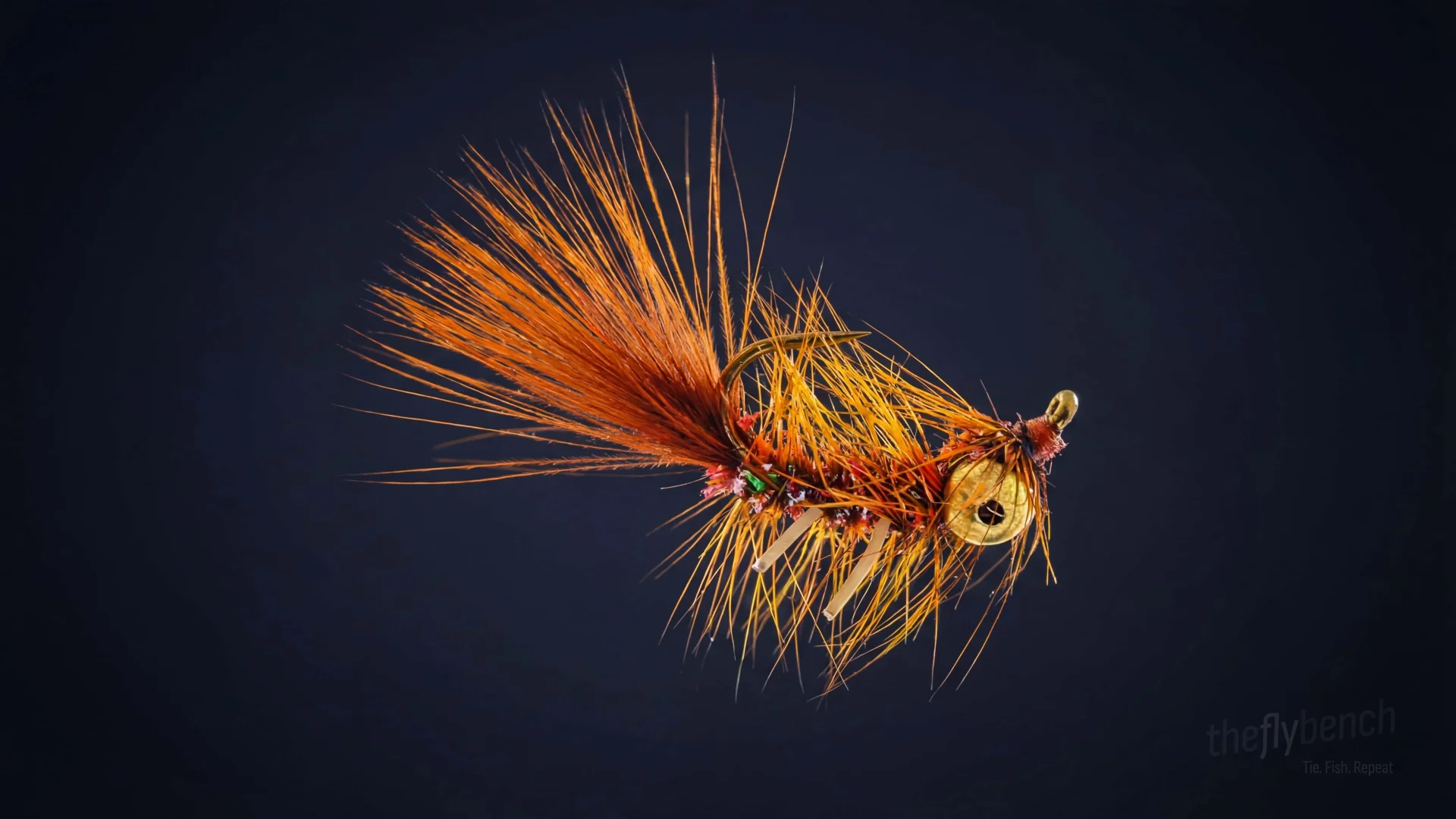
Barr's Spork Carp Fly is a highly effective and versatile carp pattern. The fly is designed to imitate a variety of carp food sources and can be fished in a number of different ways, making it a must-have in any carp angler's box.
Spring, Summer, Fall
Advanced
Carp
Apr 2025
Overview
Barr's Spork Carp Fly is a cleverly designed pattern that combines a buggy profile with movement and subtle weight, making it ideal for sight-fishing to carp in shallow water. Its blend of natural and synthetic materials creates a lifelike look that excels in clear, pressured conditions where carp are selective.
Where to Buy This Fly
We only link to fly shops we trust. Some links are referral links, which may earn us a commission at no extra cost to you.
Materials
- Hook:
- #06 Tiemco 2457
- Thread:
- Brown UTC 140
- Eyes:
- Medium Beadchain
- Tail:
- Rust Marabou
- Rib:
- Small Copper Wire
- Body:
- Root Beer Cactus Chenille
- Legs:
- White Round Rubberlegs
- Hackle:
- Brown and Grizzly Rooster Cape
Behavior & Presentation
Natural Behavior: Crayfish and aquatic crustaceans scuttle along muddy lake bottoms and slow river margins, creating small sediment puffs as they probe for food. When threatened, they dart backward with tail flicks, leaving trails of disturbed substrate that carp detect through sensitive barbels.
Where Trout Eat It: Carp feed on these crustaceans in shallow feeding zones from 6 inches to 3 feet deep, systematically working muddy or weedy bottoms where prey congregates.
How to Fish It: Cast ahead of cruising or tailing carp, letting the fly settle to bottom before initiating slow, twitching retrieves with 1-inch strips and long pauses.
Best Water: Target mudflats, weed edges, and shallow drop-offs where carp root methodically for crustaceans.
Strike Type: Strikes feel like brief resistance or weight; set the hook with a strip-set when you feel the carp's mouth close on the fly.
Fishing Strategy
Rigging Suggestions: Use a weighted 7 or 8 weight line with a 9-foot leader and 10-12 lb fluorocarbon tippet to get the fly down quickly without spooking fish.
Seasonal Timing: Most productive from May through September when water temperatures are 60-75°F and carp are actively feeding in shallow water.
Pro Tips: The tan color blends naturally with bottom structure while the grizzly hackle legs add subtle movement. Watch for mud puffs indicating feeding carp. Set the hook with a strip set when you feel weight.
Entomology
Crayfish and aquatic crustaceans scuttle along muddy bottoms in shallow feeding zones, creating small sediment plumes that carp detect through taste and smell receptors. These bottom-dwelling organisms become especially vulnerable when molting or when water levels drop, concentrating them in accessible areas where carp systematically vacuum-feed. The high protein content and soft texture of freshly-molted crustaceans make them priority targets during spring and early summer feeding binges when carp build pre-spawn reserves.
- Organism Type
- crustacean
- Life Stage
- general