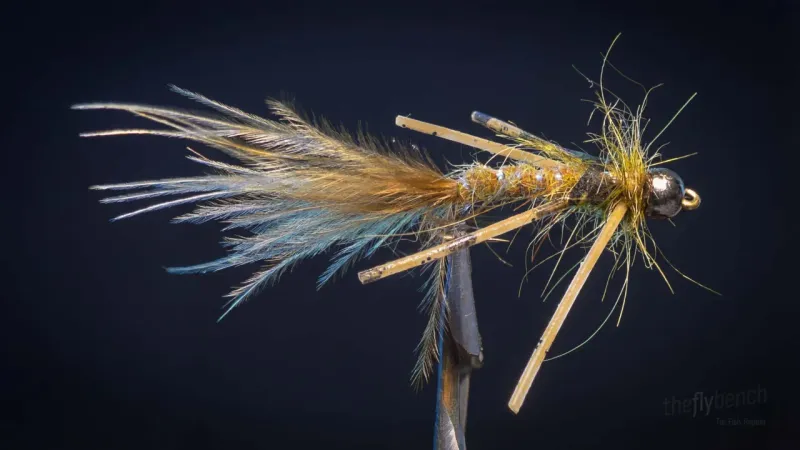
StreamersGartside Sparrow
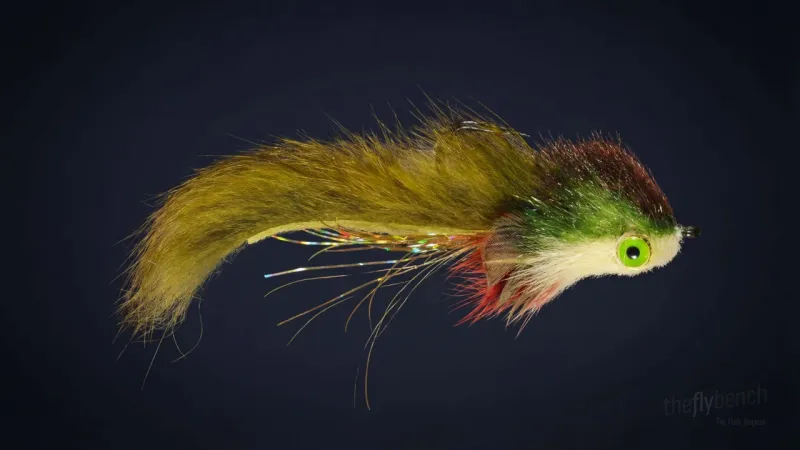
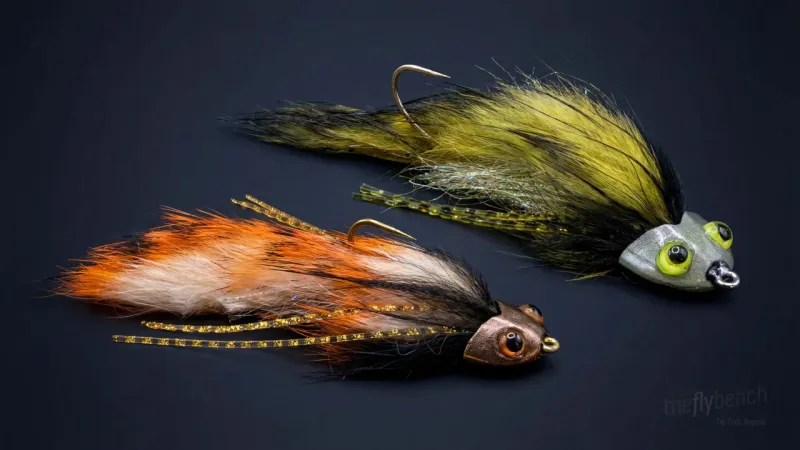
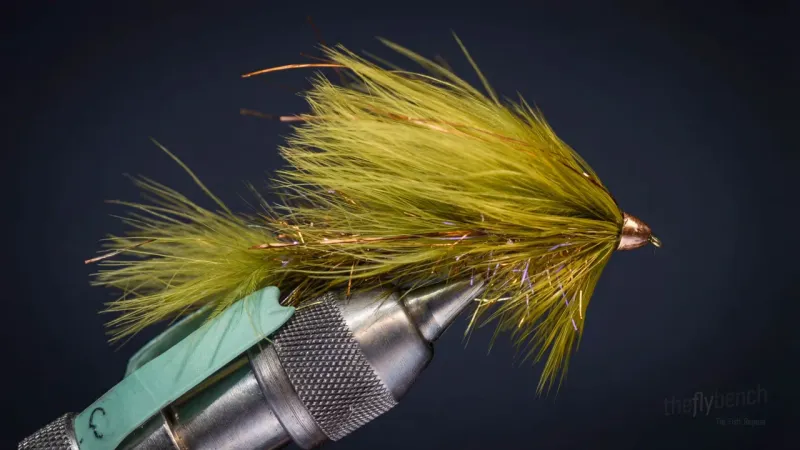
The Sparrow is a versatile fly that works well in a variety of conditions. Its lifelike movement and multi-species appeal make it a staple in the fly box.
Year Round
Intermediate
Trout, Bass
Apr 2025
Overview
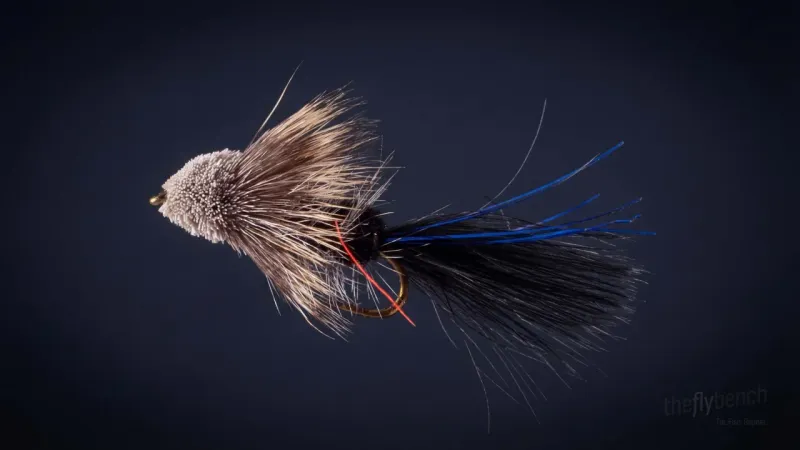
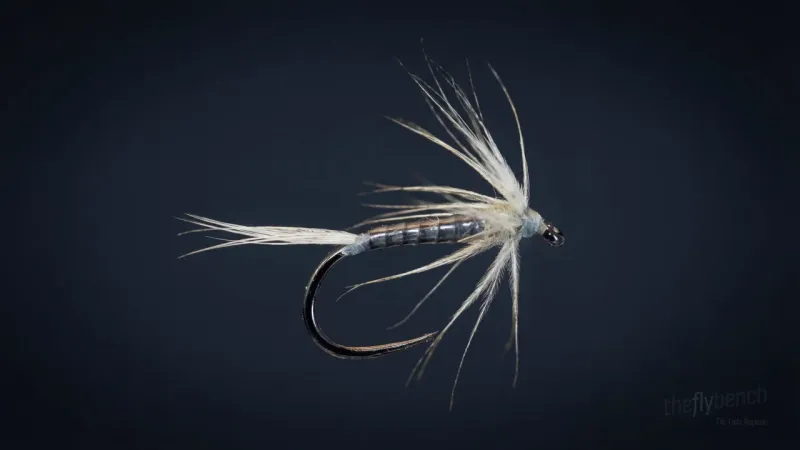
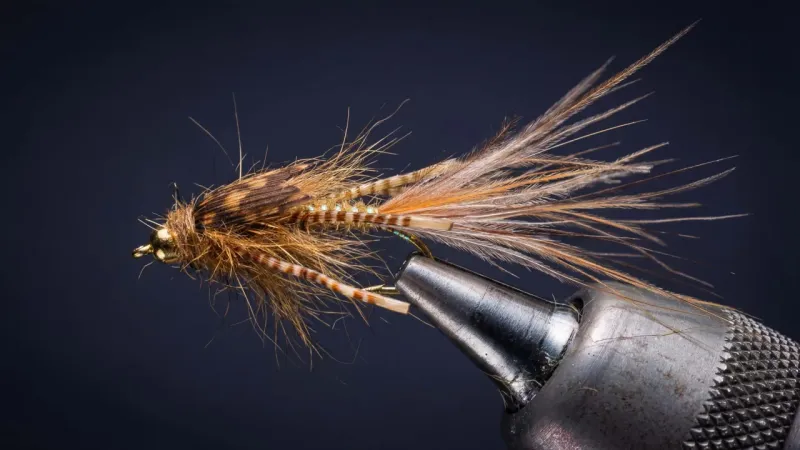
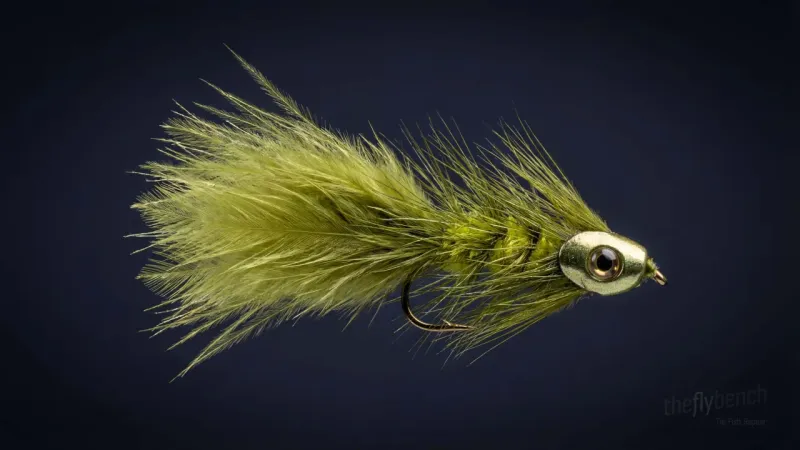
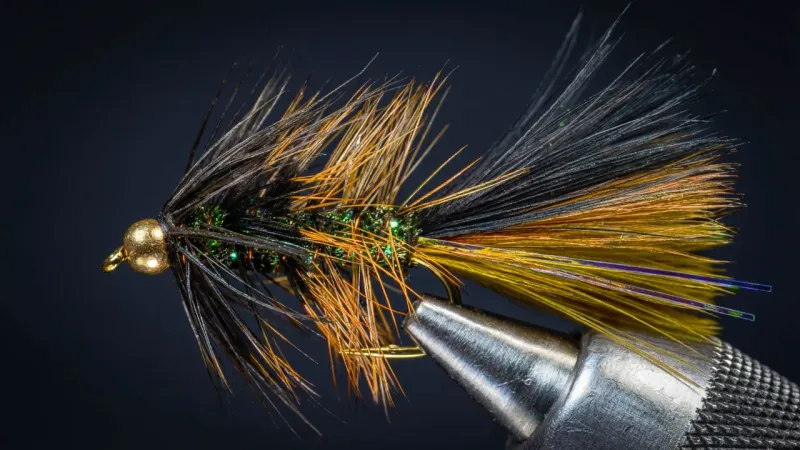
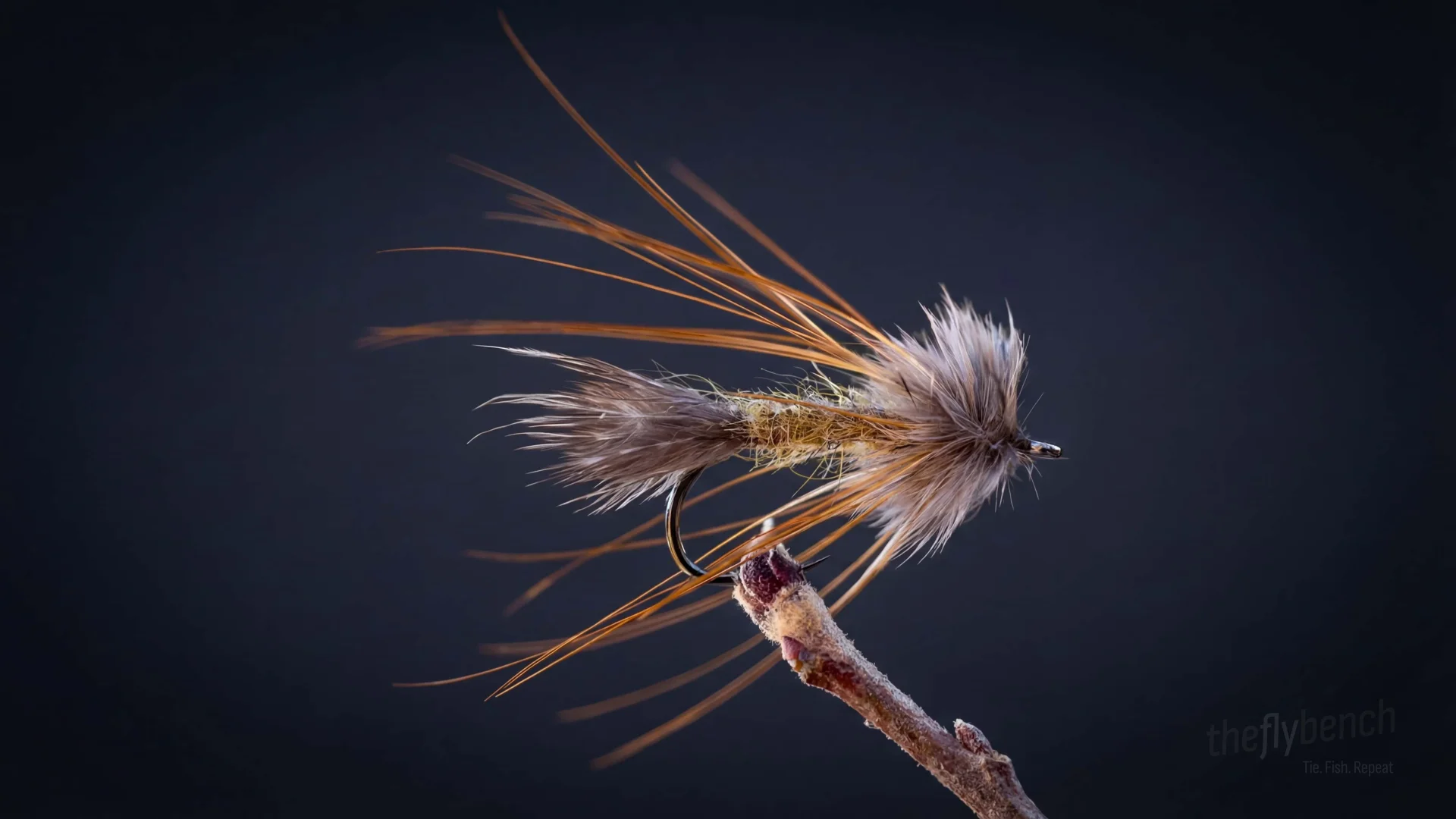
This soft-hackle nymph/emerger is tied with natural materials like pheasant tail, hare's ear, and partridge. It's intentionally messy and buggy, imitating a wide range of aquatic insects and is typically fished with a dead drift or slow swing.
Where to Buy This Fly
We only link to fly shops we trust. Some links are referral links, which may earn us a commission at no extra cost to you.
Materials
- Hook:
- Firehole 718 Size 10
- Thread:
- UTC 70D Olive
- Tail:
- Phesant
- Body:
- Hareline Brown Olive & SLF Spikey squirrel natural fox blend
- Rib:
- UTC Small wire - Brown
- Collar:
- Phesant
- Head:
- Phesant aftershaft feather
Behavior & Presentation
Natural Behavior: Small baitfish and sculpins dart along bottom structure with irregular swimming patterns, often hugging current edges. Injured or disoriented fish exhibit erratic movements and tilted swimming, signaling easy prey to opportunistic trout.
Where Trout Eat It: Fish take this versatile pattern as crayfish or sculpin near bottom structure or as streamer in mid-column on the Madison River. The soft pheasant hackle creates pulsing action attractive to trout feeding on bottom-dwelling prey along current edges and boulder fields.
How to Fish It: Three methods: (1) dead-drift upstream as weighted nymph, (2) down-and-across streamer retrieve, (3) unweighted along brushy banks for terrestrials. For trout, fish like soft hackle or greased-line. Strip aggressively in bass water, slower near bottom for trout with pheasant collar pulsing.
Best Water: Work bottom structure including boulder fields and cobble runs. Target brushy banks and current edges where sculpins and crayfish inhabit. Effective in varied water types from pocket water to slow banks.
Strike Type: Fish hammer the pattern during active retrieves or swing, producing solid weight on the line; employ lateral strip-set by pulling line hand sharply sideways to penetrate bony mouths.
Fishing Strategy
Rigging Suggestions: Floating line with 9-12 foot leader and 1X-2X tippet (10-12 lb) in rivers. Type III sinking line in lake. Add split shot if needed.
Seasonal Timing: effectiveness, with peak periods during (April-June) and (September-November) when crayfish are most active. Early morning and evening when predatory fish hunt near structure.
Pro Tips: The soft hackle creates lifelike pulsing action. Fish it aggressively in bass water, slower and near bottom for trout.
Entomology
Bottom-dwelling sculpins scuttle across cobble and gravel with short, jerky bursts of movement, pausing motionless to camouflage against rocks before darting to new cover. Their large heads, pectoral fins, and mottled coloration make them conspicuous prey when exposed, and trout actively hunt these protein-packed forage fish despite their defensive tendency to wedge under stones.
- Organism Type
- baitfish
- Life Stage
- general