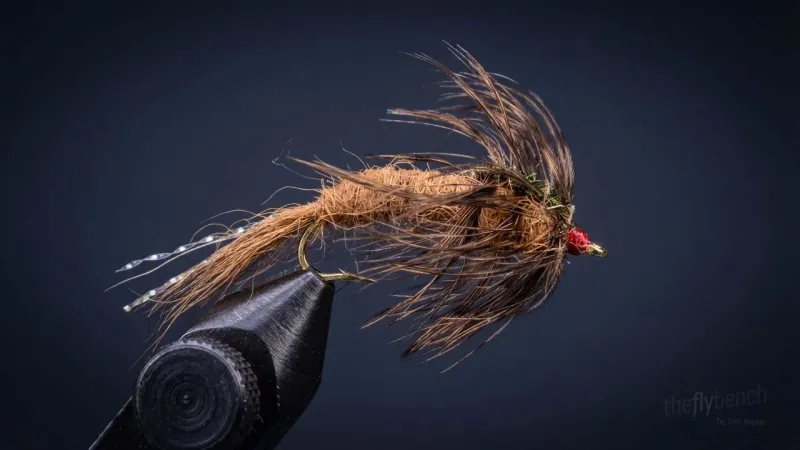
NymphArticulated Stillwater
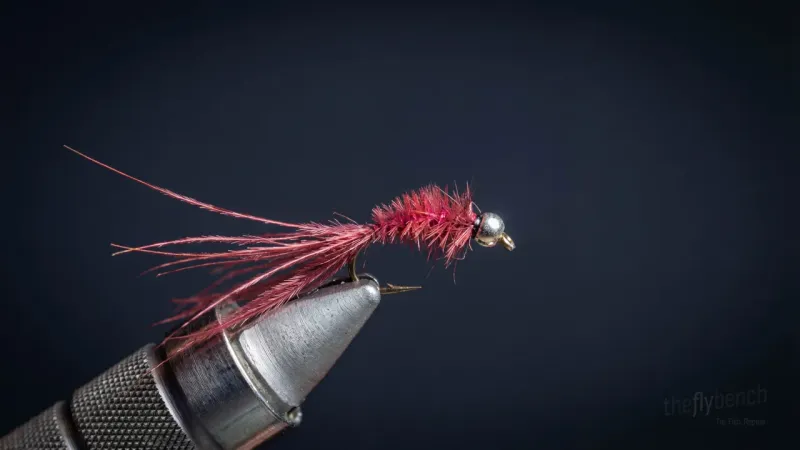
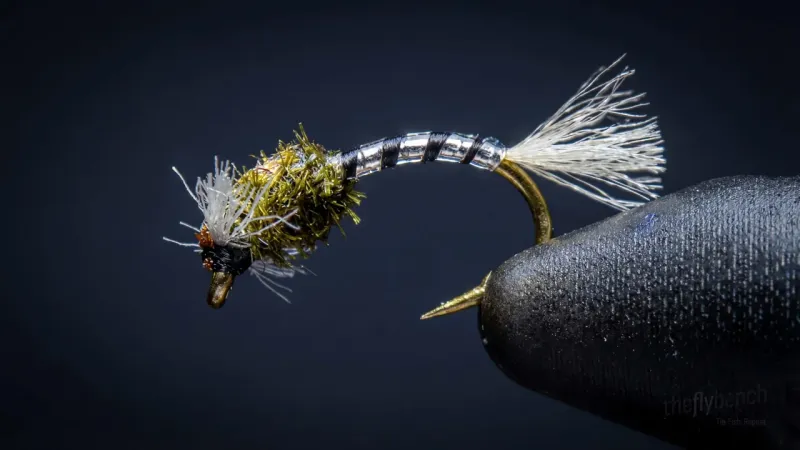
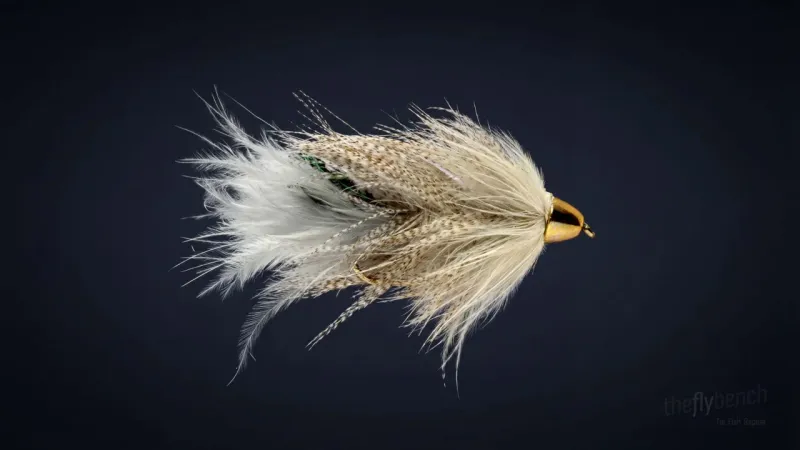
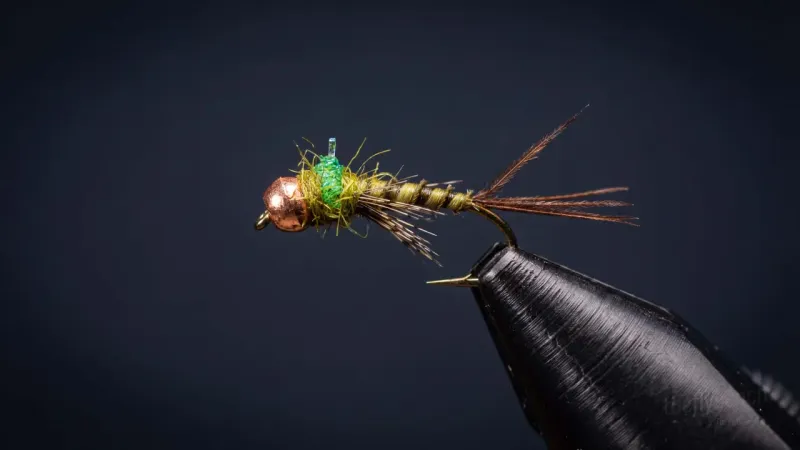
The Articulated Stillwater is a versatile fly pattern that is designed to mimic a range of aquatic insects and small baitfish. Its articulated body provides lifelike movement, making it an effective choice for stillwaters.
Spring, Summer, Fall
Intermediate
Trout
Apr 2025
Overview
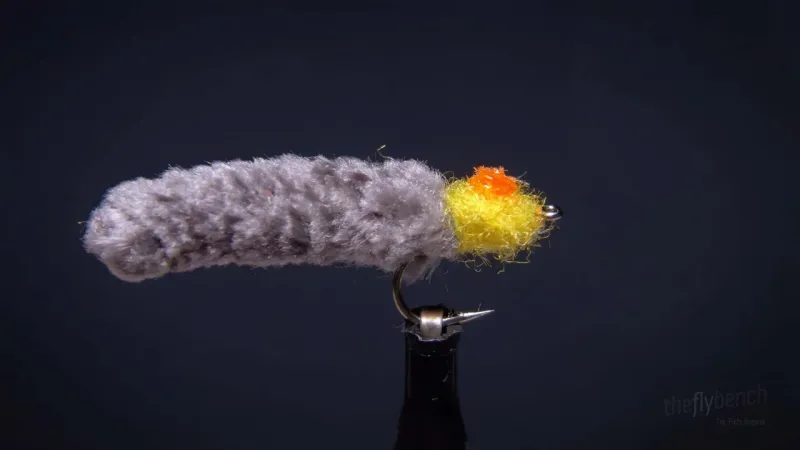
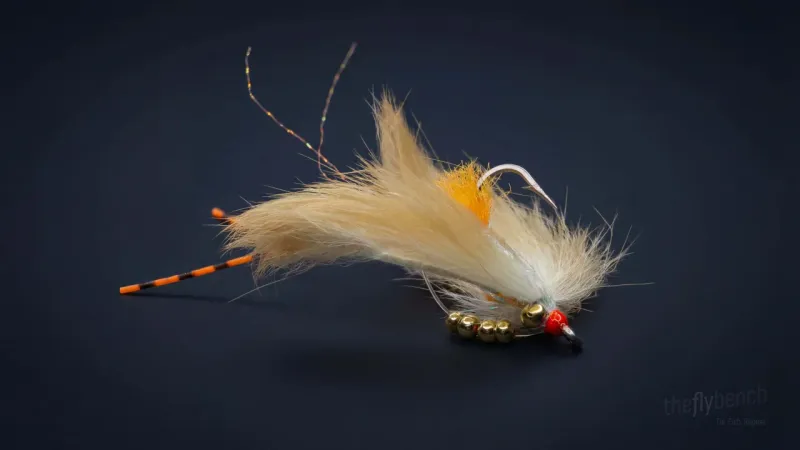
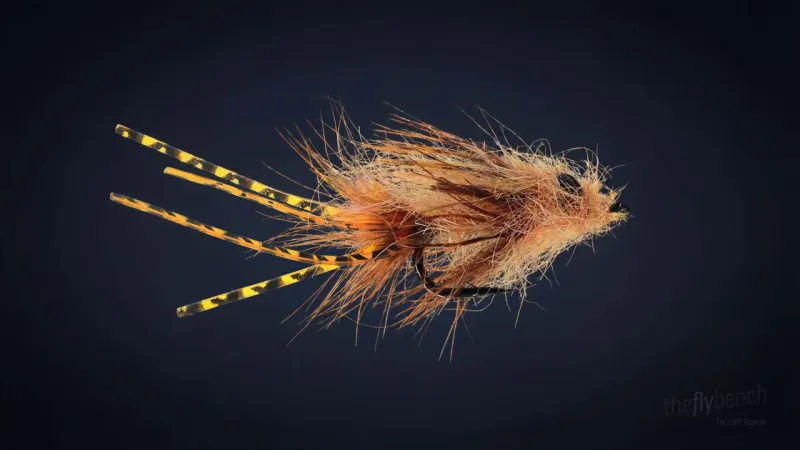
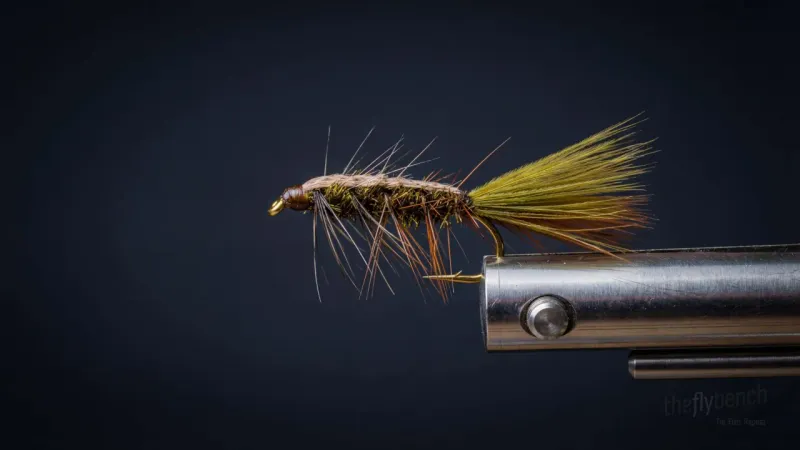
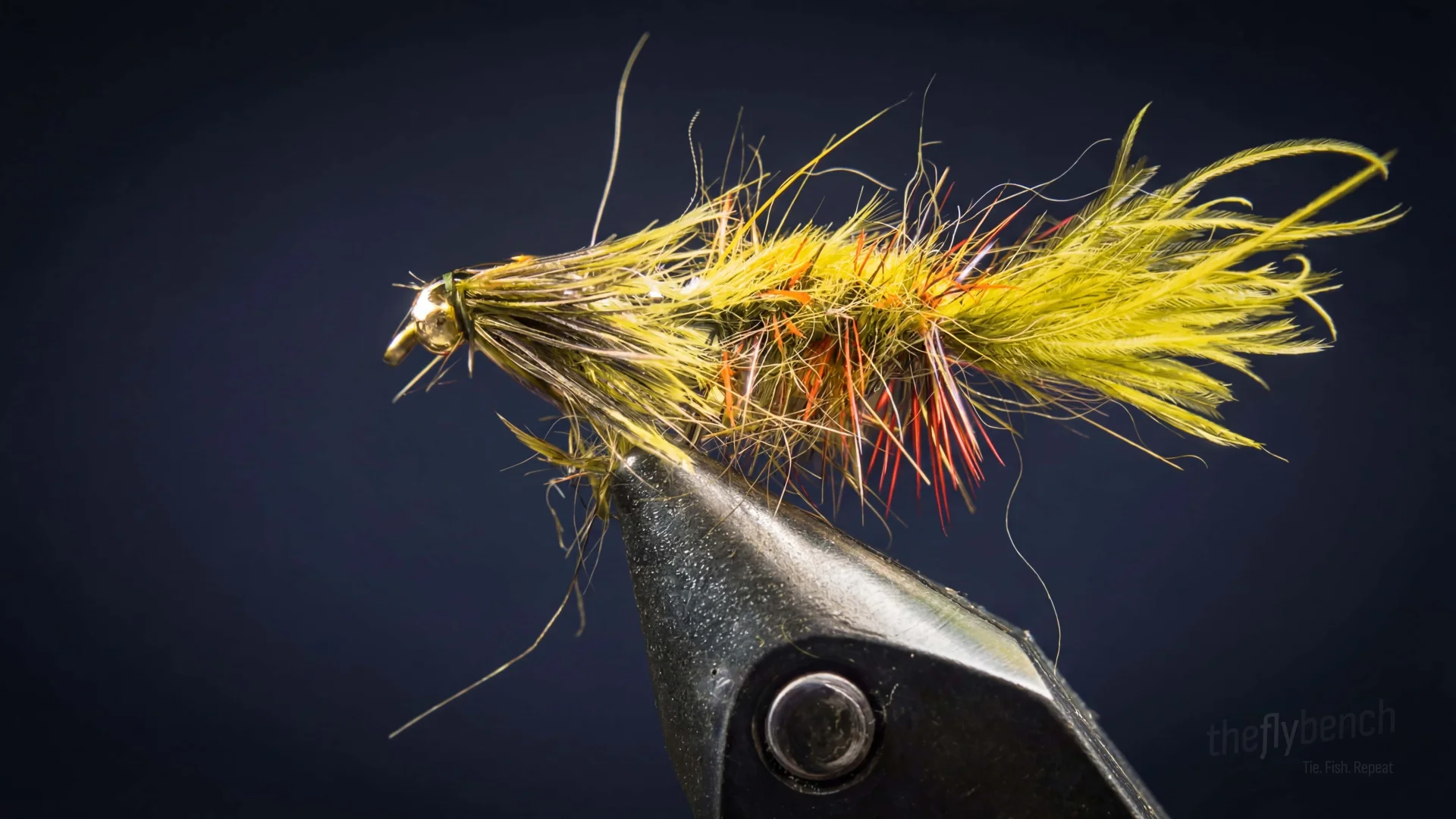
The Articulated Stillwater is a baitfish-imitating streamer designed for lakes and reservoirs. It features a two-part articulated body, often with marabou or rabbit strips for maximum movement. The rear hook typically carries a soft marabou tail and schlappen or UV-dubbed body, while the front section adds flash and a weighted head—often a cone or Fish Skull—for a jigging motion. This pattern excels when retrieved in short, erratic strips and is tied in natural baitfish colors like olive, white, or tan. Ideal for targeting large stillwater trout or bass.
Where to Buy This Fly
We only link to fly shops we trust. Some links are referral links, which may earn us a commission at no extra cost to you.
Materials
- Hook:
- Tiemco 3769, size #12–#16
- Thread:
- Black UNI-Thread 6/0
- Tail:
- Pheasant Tail Fibers
- Body:
- Peacock Herl
- Ribbing:
- Fine Copper Wire
- Head:
- Tungsten Bead
- Shell:
- Solarez Thick Hard UV resin
Behavior & Presentation
Natural Behavior: Baitfish cruise along weed edges and drop-offs with steady swimming interrupted by occasional direction changes while foraging. During turnover periods, disoriented fish become increasingly vulnerable as oxygen shifts and predator-prey dynamics intensify.
Where Trout Eat It: Drop-offs, weed edges, and structure in lakes and ponds where large trout ambush prey.
How to Fish It: Present with slow, steady retrieve or suspend under an indicator for static presentations.
Best Water: Focus on drop-offs, weed edges, and structure where cruising trout patrol predictable routes.
Strike Type: Watch for indicator dips or feel steady pulls as fish take the articulated pattern.
Fishing Strategy
Rigging Suggestions: Try fishing this pattern under an indicator, or on a floating line with a long leader and a slow retrieve.
Seasonal Timing: This pattern is most effective during the warmer months when aquatic insects and small baitfish are abundant.
Pro Tips: This fly sinks and is easily visible due to its tungsten bead head. The Solarez Thick Hard UV resin creates a durable shellback.
Entomology
In stillwater environments, various baitfish species cruise along weed edges and drop-offs, maintaining steady swimming patterns interrupted by occasional direction changes as they forage. During spring and fall turnover periods, disoriented baitfish become increasingly vulnerable as oxygen levels shift and predator-prey dynamics intensify near structure. Large stillwater trout prioritize these mid-sized forage items because they provide optimal nutrition density while being slow enough to intercept with calculated ambush strikes.
- Organism Type
- baitfish
- Life Stage
- general