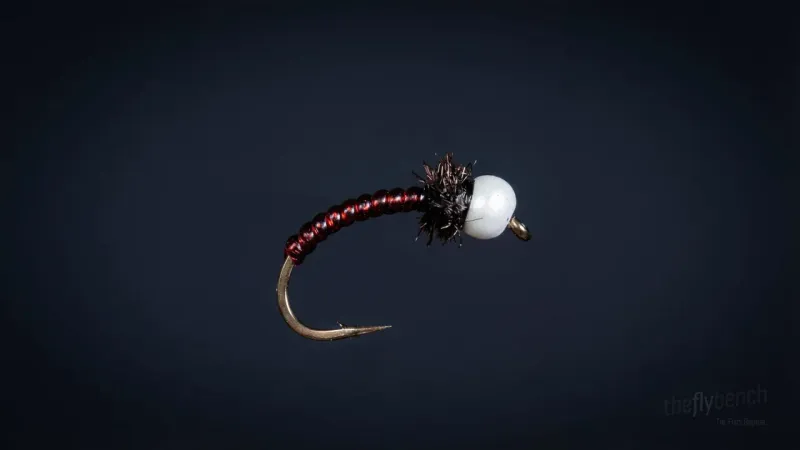
Midge / EmergersChan's Chironomid
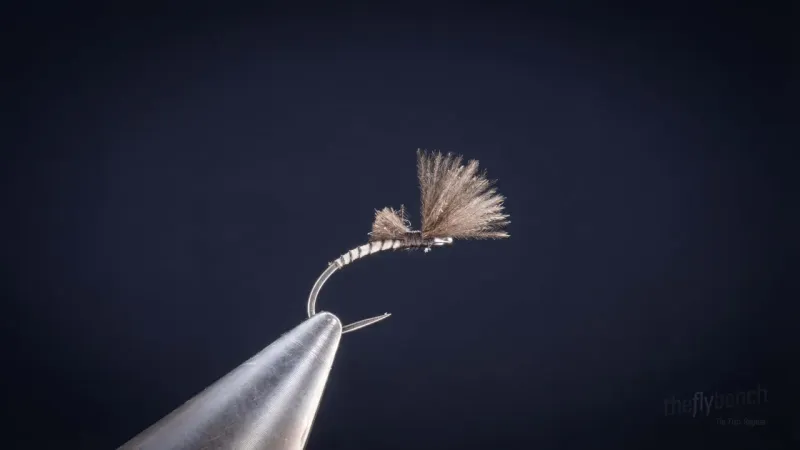
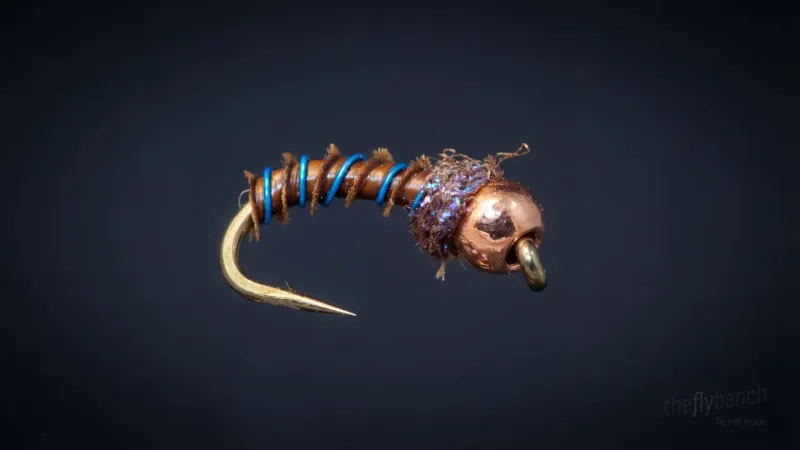
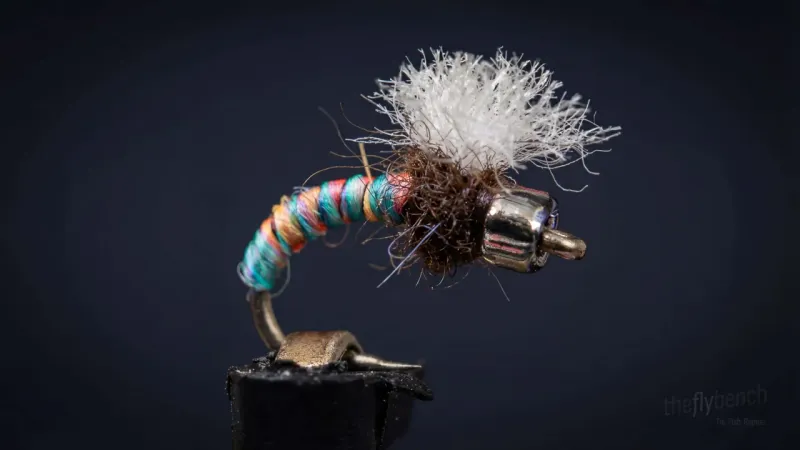
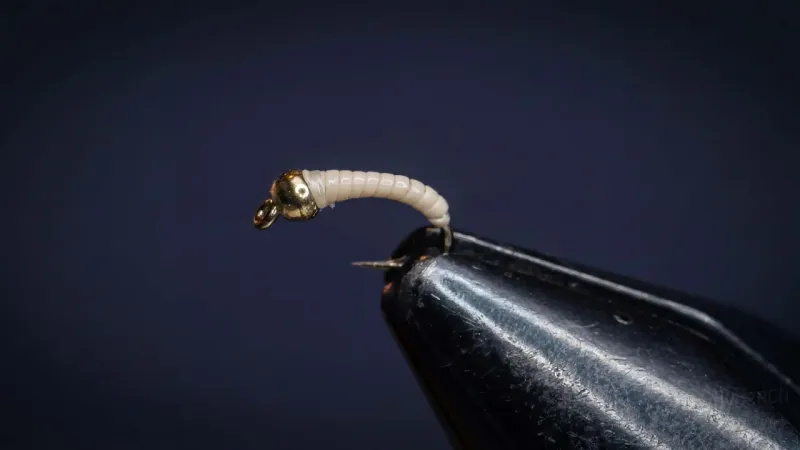
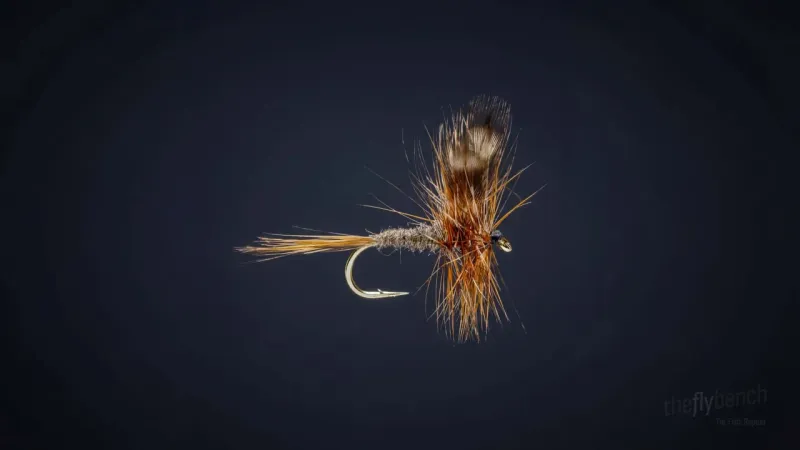
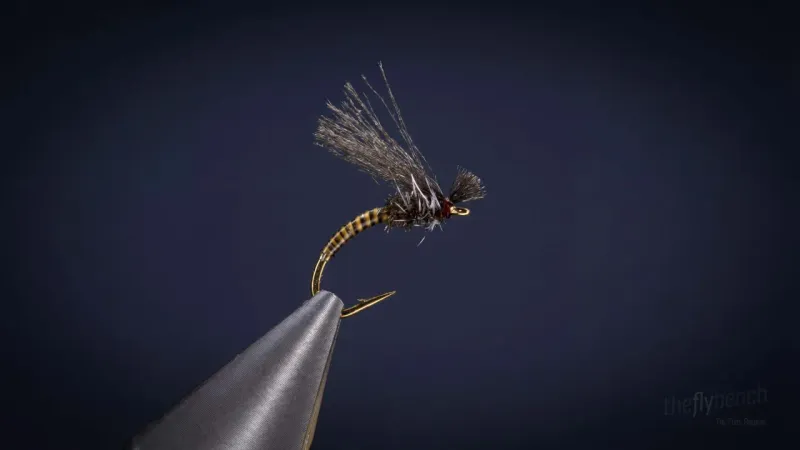
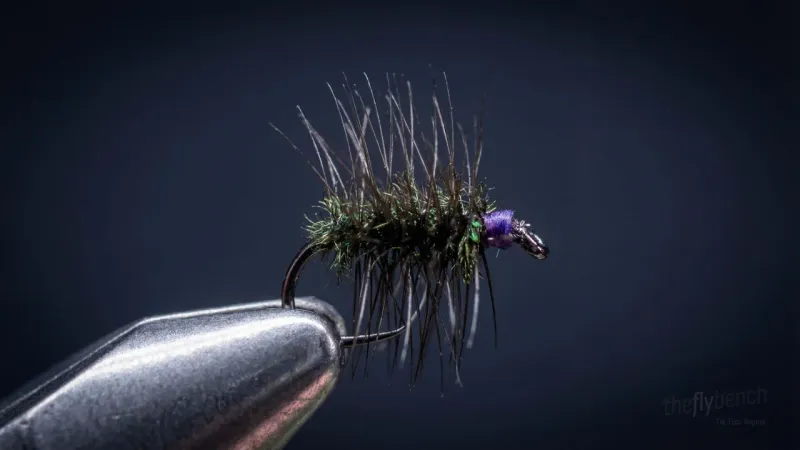
Chan's Chironomid is a very effective midge pattern for stillwater fishing, particularly during a chironomid hatch. It is a must-have in any fly box due to its proven ability to consistently catch fish.
Spring, Summer, Fall
Intermediate
Trout
Apr 2025
Overview
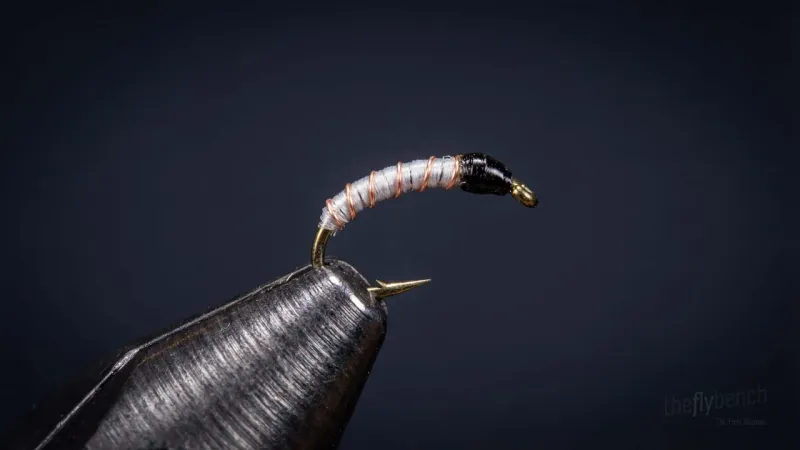
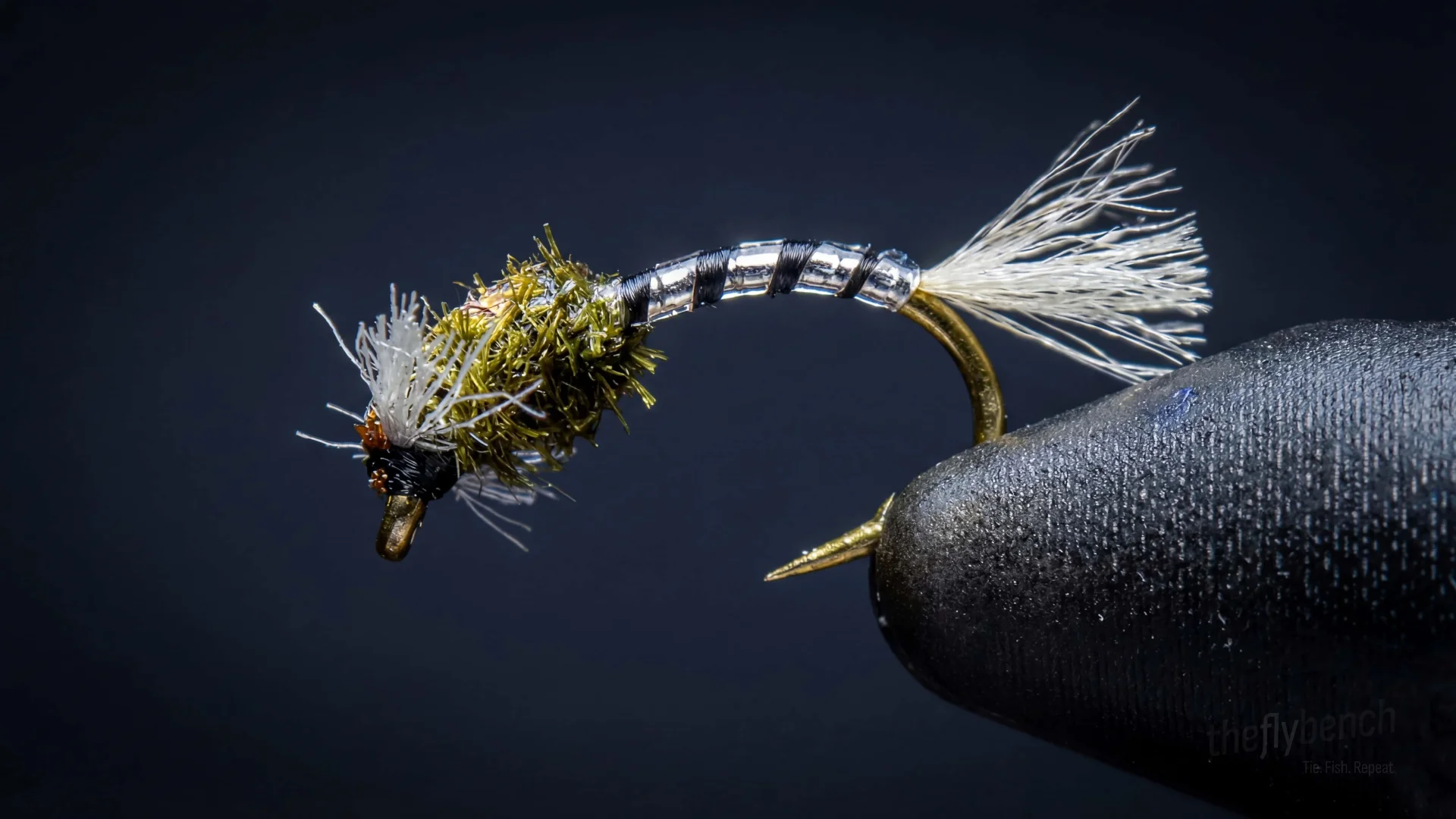
A stillwater staple developed by Brian Chan, this chironomid pattern features a slim, segmented body made from thread and wire ribbing, often with a white bead or gill tuft for realism. Tied in various colors and sizes, it's fished under an indicator or on a slow retrieve to imitate midge pupae rising through the water column.
Where to Buy This Fly
We only link to fly shops we trust. Some links are referral links, which may earn us a commission at no extra cost to you.
Materials
- Hook:
- #10-18 Tiemco 2487
- Thread:
- Black UTC 70
- Tail:
- White Antron
- Body:
- Small Silver Tinsel
- Thorax:
- Peacock Herl
- Casing:
- Pheasant Tail
- Gills:
- White Antron
Behavior & Presentation
Natural Behavior: In lakes, pupae ascend vertically from bottom sediments and hang motionless just beneath the surface film for extended periods while their exoskeletons split during emergence.
Where Trout Eat It: Lake-dwelling trout cruise at precise depths to intercept these suspended pupae during protracted emergence windows lasting hours.
How to Fish It: Suspend at specific depths on a static presentation, imitating the motionless film-hanging behavior during calm conditions.
Best Water: Most effective over drop-offs, near shoals, along weed edges, and in channels where pupae concentrate during their suspended emergence phase.
Strike Type: Confident sips as cruising fish intercept suspended pupae, often detected as subtle line movement or indicator shifts.
Fishing Strategy
Rigging Suggestions: Use a floating line with a 15-20 foot leader and 5X-6X fluorocarbon tippet. Position your strike indicator at the appropriate depth to suspend the fly in the feeding zone.
Seasonal Timing: Most productive from April through October in lake, with peak effectiveness during May-June and September-October when chironomid hatches are prolific. Water temperatures of 45-65°F trigger major emergences.
Pro Tips: The shiny tinsel body imitates the gas bubble trapped under the pupal shuck. Match your fly size and color to naturals—black, olive, red, or brown. Patience is key—chironomid fishing requires minimal movement.
Entomology
In stillwater environments, midge pupae rise vertically from bottom sediments through the water column, hanging motionless just beneath the surface film for extended periods while their exoskeleton splits. This suspension behavior concentrates pupae in specific depth zones, particularly during calm conditions when surface tension prevents immediate emergence. Lake-dwelling trout cruise at precise depths to intercept these suspended pupae, sipping them confidently during the protracted emergence window that can last hours across different midge size classes.
- Order
- Diptera
- Family
- Chironomidae
- Common Name
- Midge
- Organism Type
- insect
- Life Stage
- general