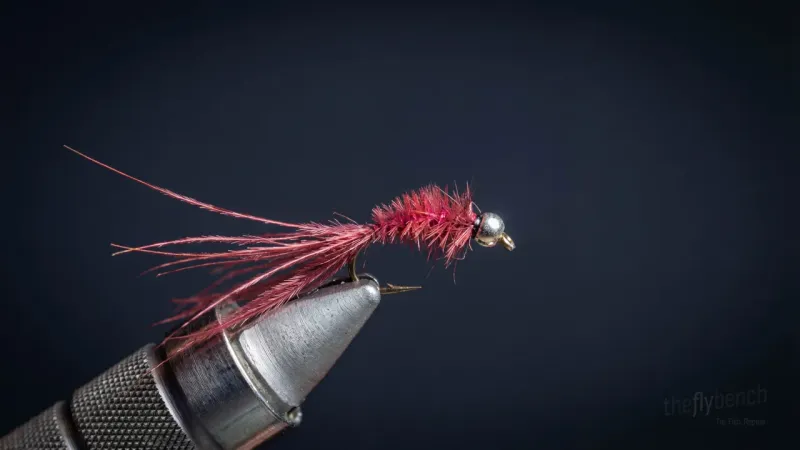
NymphBarry's Carp Bitter
Barry's Carp Bitter is a versatile carp fly that imitates a wide variety of food sources, making it highly effective. It's designed to sink quickly and stay near the bottom, where carp feed.
Spring, Summer, Fall
Intermediate
Carp
Apr 2025
Overview
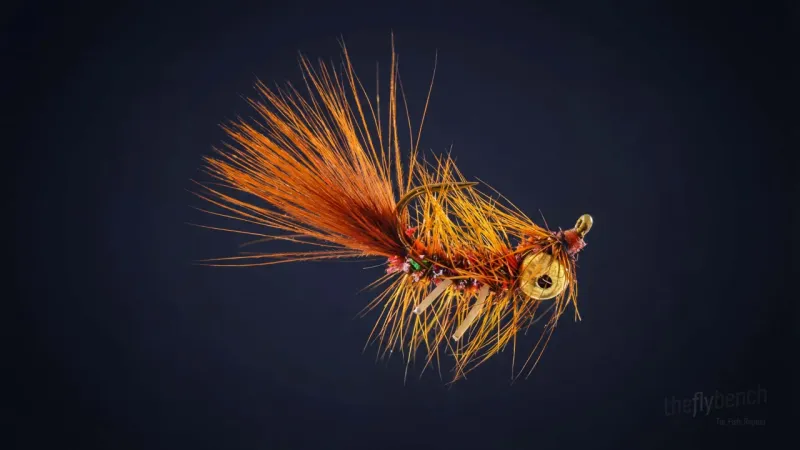
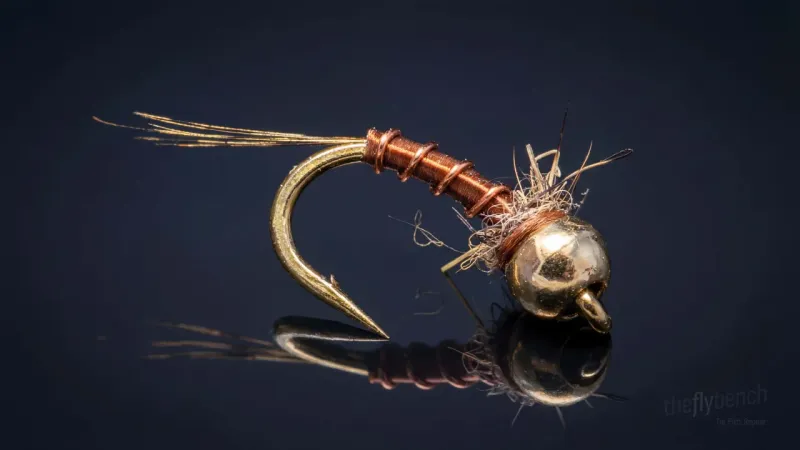
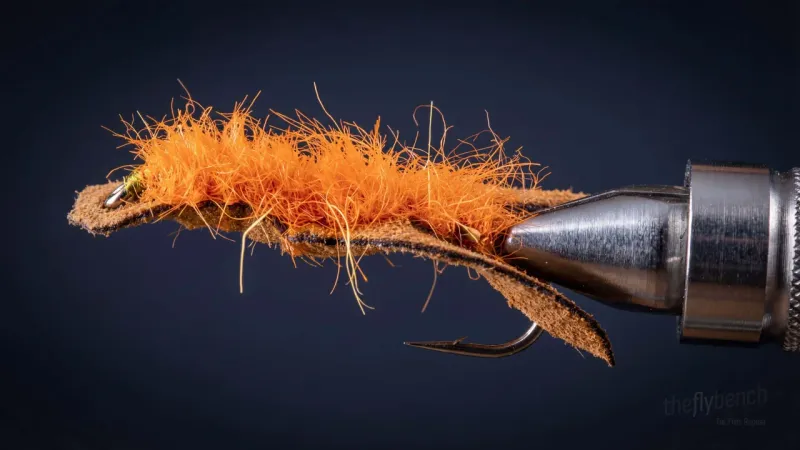
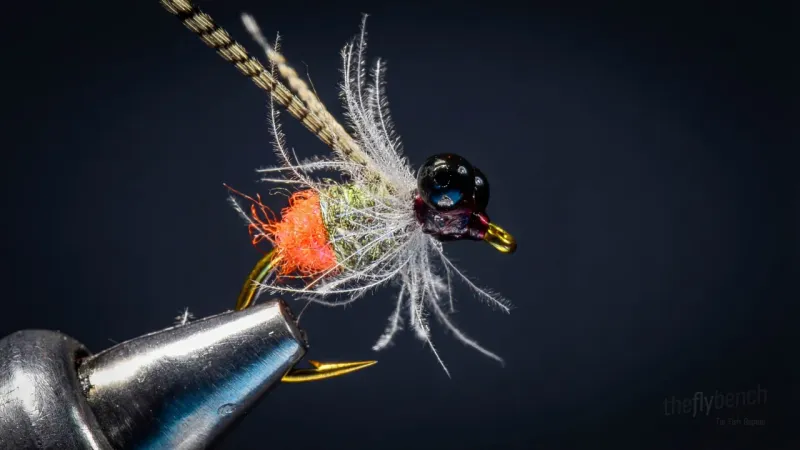
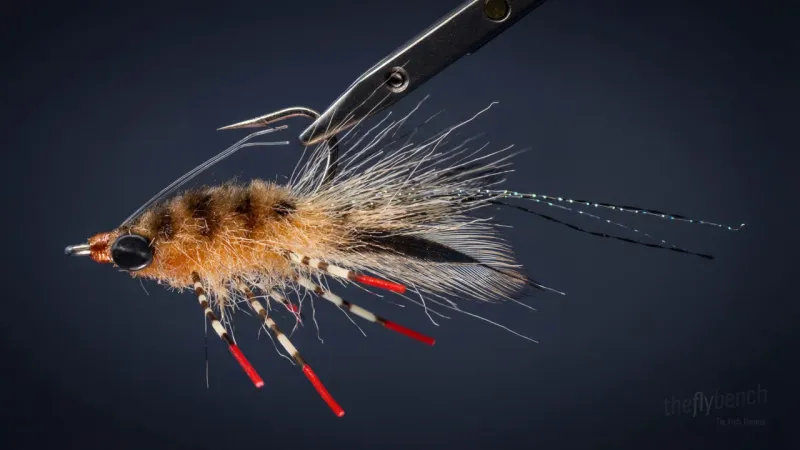
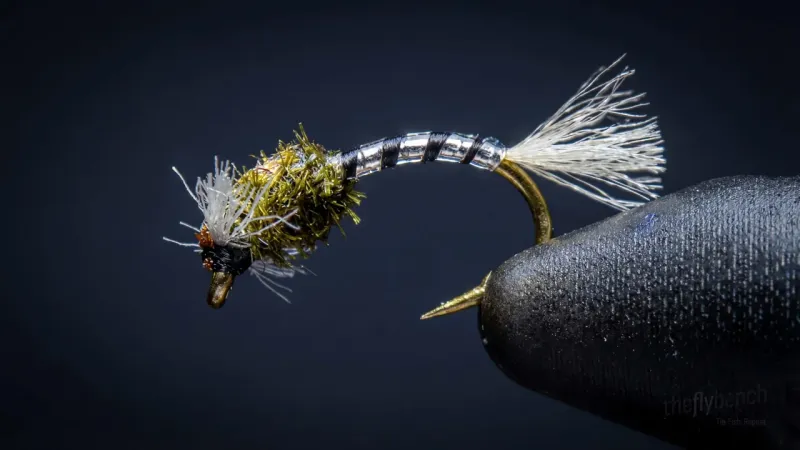
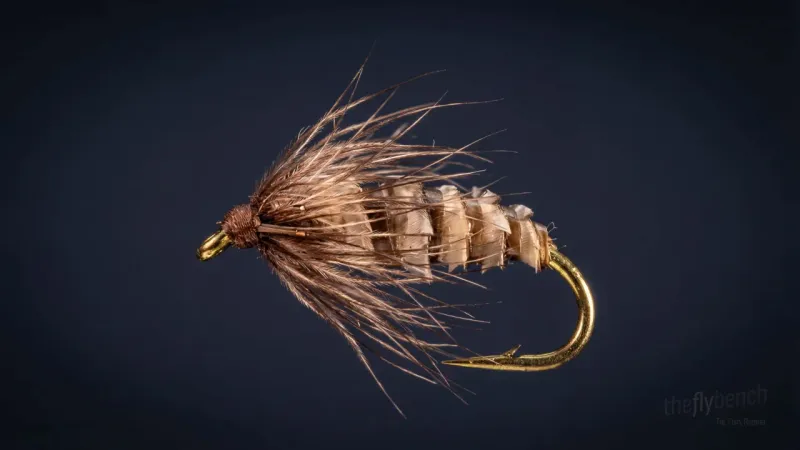
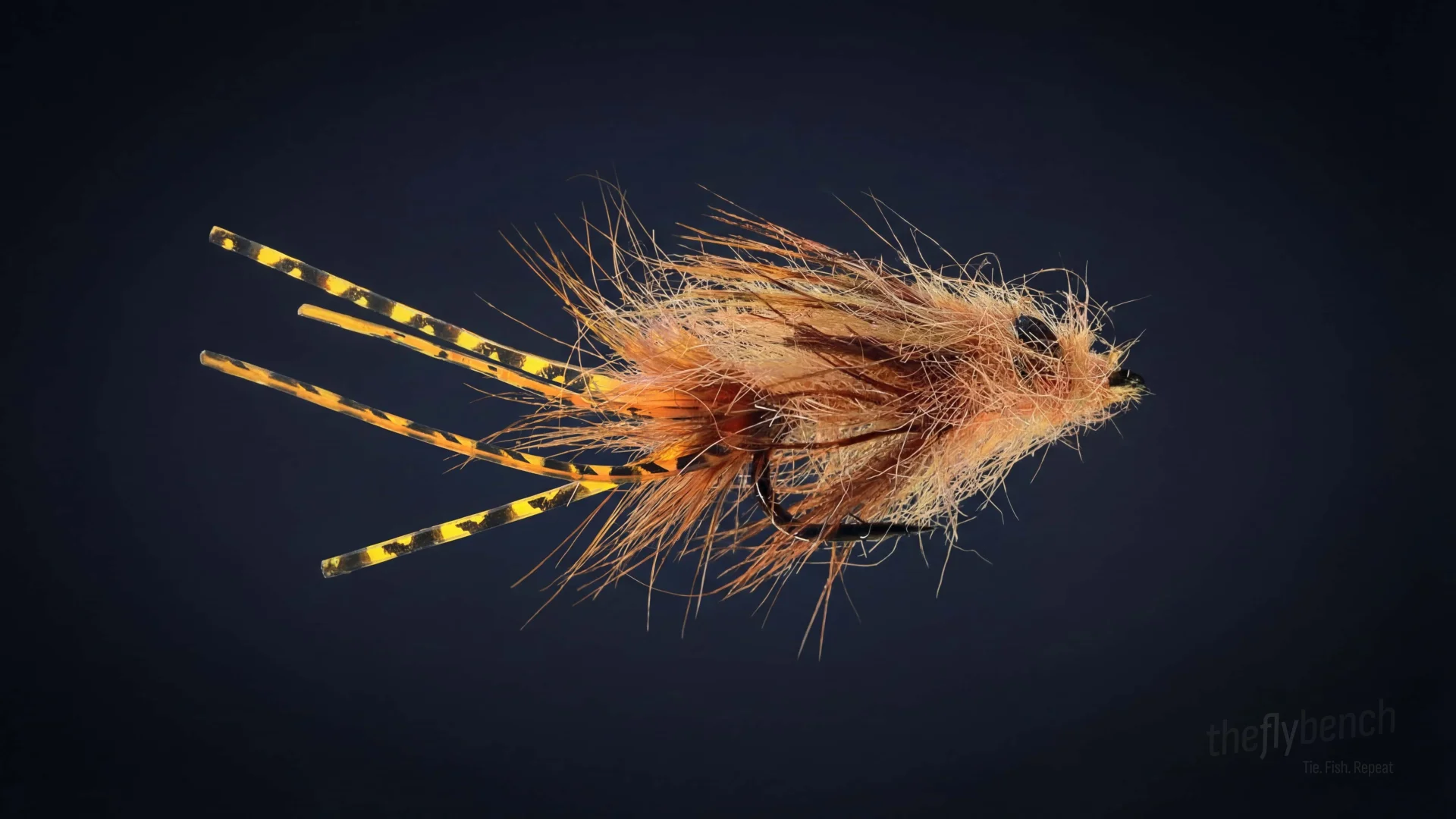
Barry's Carp Bitter is a proven carp fly pattern tied to imitate small aquatic invertebrates and plant matter. It uses bead chain eyes to achieve a slow, enticing sink rate and is often tied with rabbit fur or synthetic dubbing for movement. The body typically features a dubbed thorax and a soft marabou tail, sometimes with rubber legs for added motion. Tied on a short shank, wide-gap hook, it rides hook-point up for snag resistance, making it ideal for sight fishing to wary carp in shallow water.
Where to Buy This Fly
We only link to fly shops we trust. Some links are referral links, which may earn us a commission at no extra cost to you.
Materials
- Hook:
- Tiemco 3769, size #6-#10
- Thread:
- Olive UTC 140
- Body:
- Olive dubbing
- Ribbing:
- Gold wire
- Shellback:
- Pheasant tail fibers
- Coating:
- Solarez Bone Dry UV resin for durability
Behavior & Presentation
Natural Behavior: Small crustaceans side-swim through vegetation tangles, their pale coloration providing camouflage until current dislodges them. Foraging carp methodically work through vegetated zones, consuming these protein sources in quantity.
Where Trout Eat It: Carp root through shallow flats, weed bed margins, and muddy banks where crustaceans concentrate.
How to Fish It: Cast ahead of cruising carp, let sink, then use slow twitching retrieve with long pauses.
Best Water: Target shallow flats, weed edges, muddy banks, and grass margins where carp feed actively.
Strike Type: Watch for line movement rather than visual takes; strikes feel like brief resistance or weight.
Fishing Strategy
Rigging Suggestions: Use a 9-foot leader tapered to 2X or 3X tippet. A weighted line or split shot 12-18 inches above the fly helps achieve quick descent.
Seasonal Timing: Most effective from April through October when carp are actively feeding in warmer water temperatures above 60°F.
Pro Tips: The olive color blends with bottom structure, so watch for line movement rather than visual takes. Let the fly sit motionless for 5-10 seconds between twitches to trigger opportunistic strikes.
Entomology
Small freshwater shrimp and scuds dwell among aquatic vegetation and detritus, using side-swimming motions to navigate through plant tangles. Their pale to olive coloration changes based on diet and surroundings, making them well-camouflaged until dislodged by current or foraging fish. Carp methodically work through vegetated areas, consuming these abundant protein sources in large quantities during feeding sessions.
- Organism Type
- crustacean
- Life Stage
- general