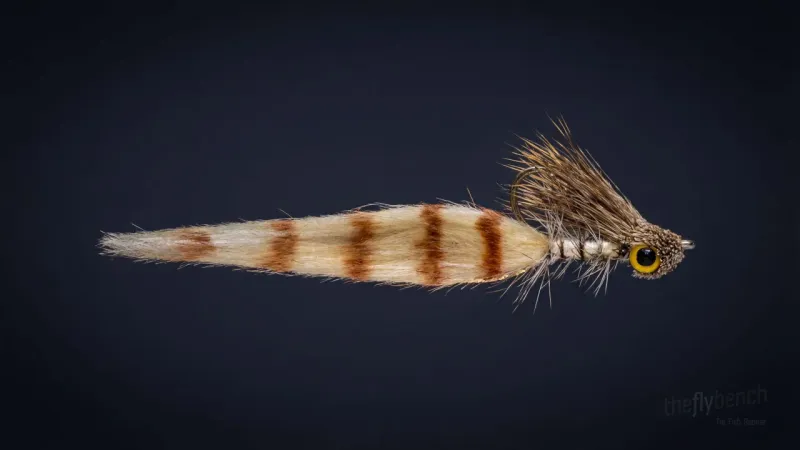
SaltwaterAvalon Permit Fly
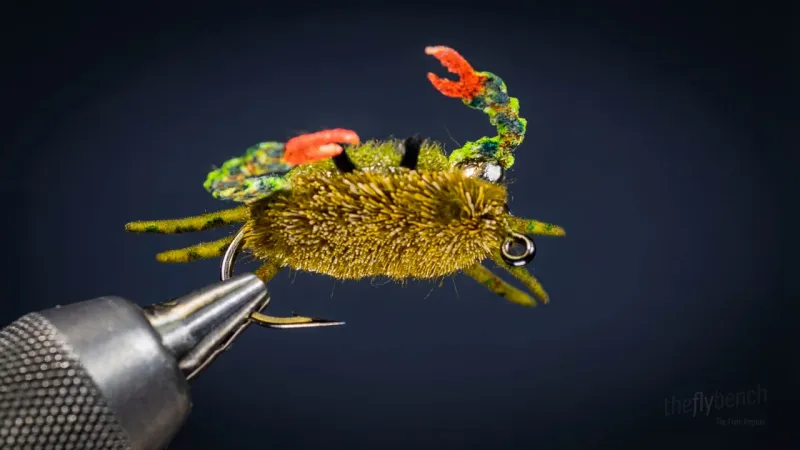
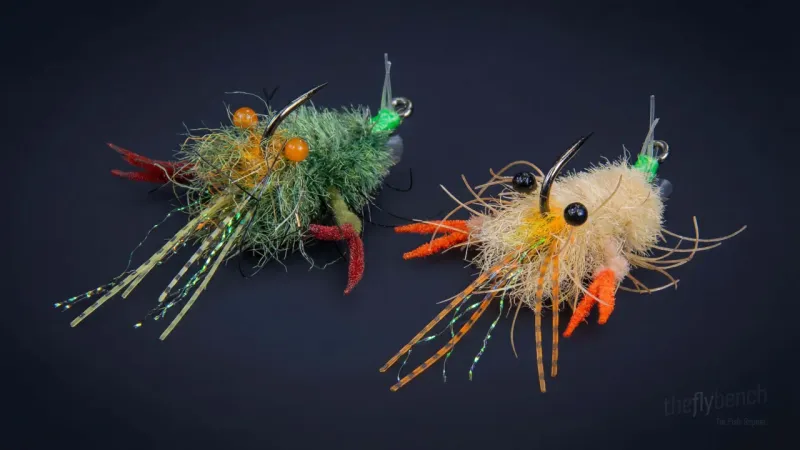
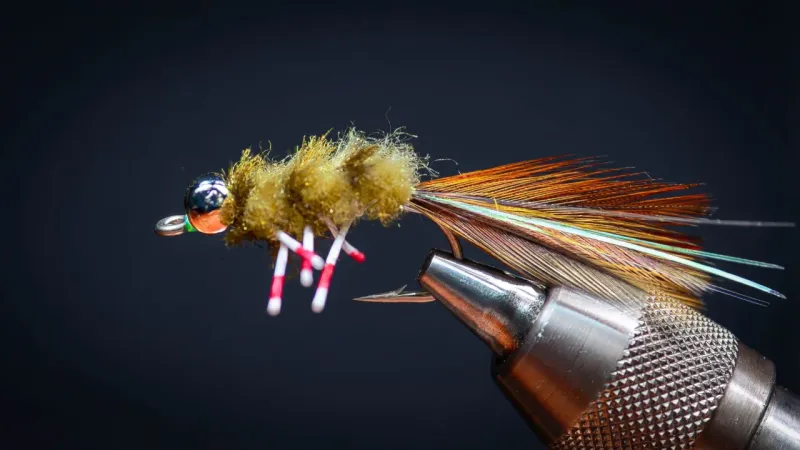
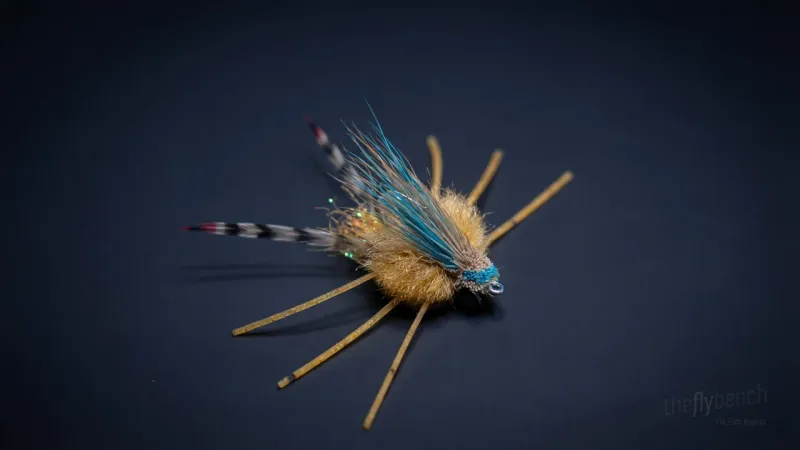
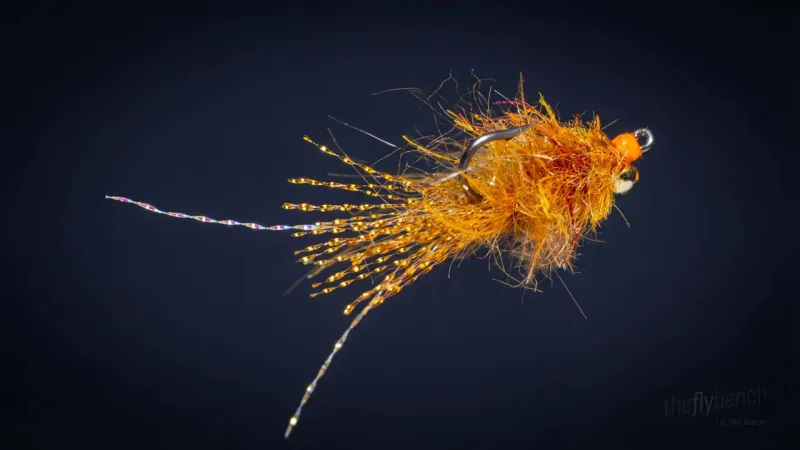
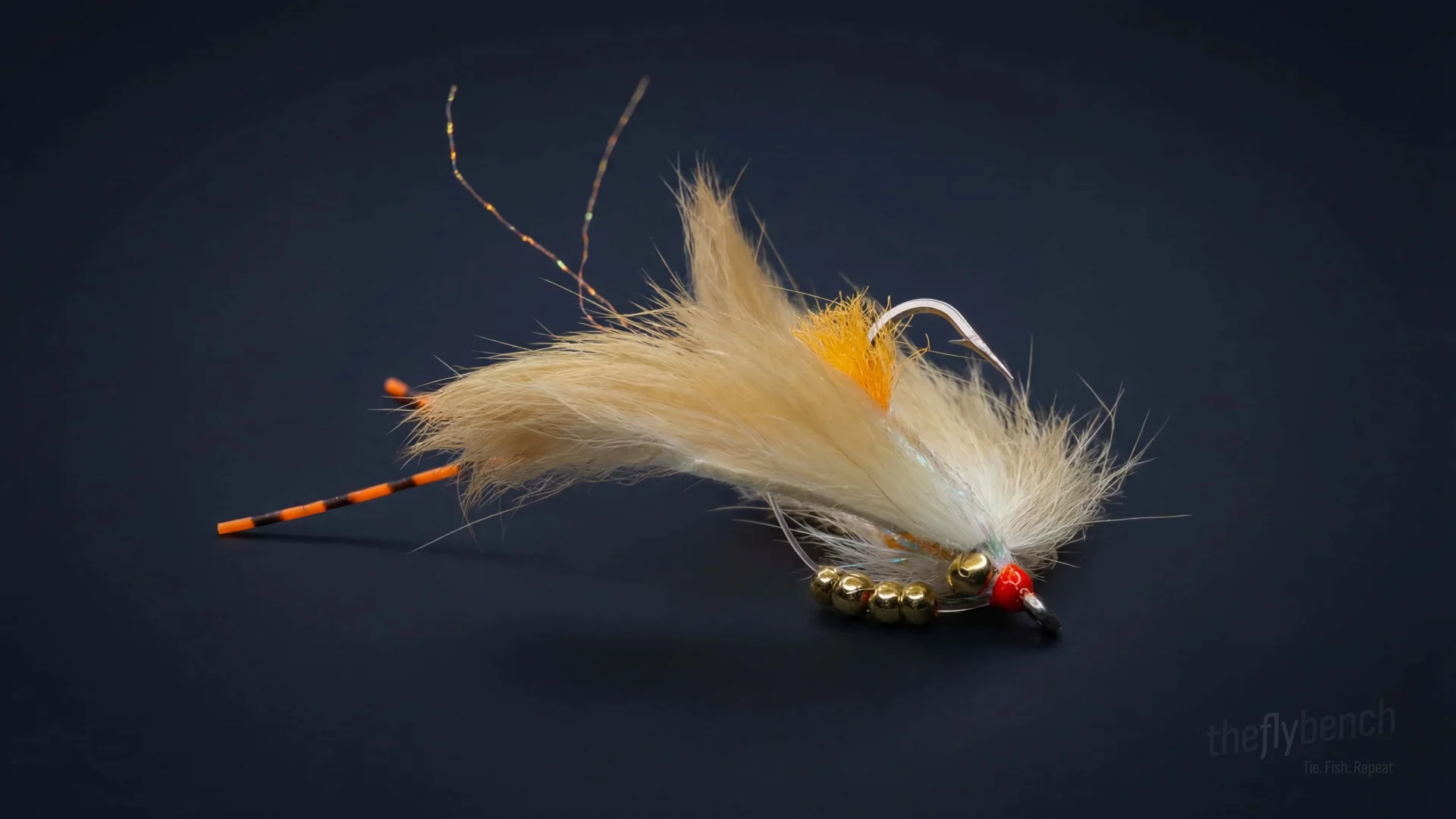
The Avalon Permit Fly is a specialized pattern designed specifically for targeting permit. This fly is effective because it mimics a crab, one of the permit's favorite foods, and it lands softly to avoid spooking the fish.
Year Round
Advanced
Permit
Apr 2025
Overview
The Avalon Permit Fly is a proven saltwater pattern developed in Cuba specifically for targeting permit. Its distinctive bead chain keel helps it ride hook point up and adds a unique jigging action, while the blend of natural and synthetic materials can be customized to match local forage like crabs and shrimp.
Where to Buy This Fly
We only link to fly shops we trust. Some links are referral links, which may earn us a commission at no extra cost to you.
Materials
- Hook:
- Mustad S71SZ, size #2
- Thread:
- Tan, 3/0
- Eyes:
- Medium lead dumbbell eyes
- Body:
- Tan EP Fibers
- Legs:
- Grizzly Sili Legs
- Tail:
- Orange and white craft fur, crystal flash
- Weight:
- Lead wire
Behavior & Presentation
Natural Behavior: Crabs on shallow flats move with sideways scuttling motions, claws raised defensively as they transition between coral heads and grass patches. During tidal feeding periods, they become vulnerable to permit that have evolved specialized crushing plates for processing these armored prey.
Where Trout Eat It: Permit hunt these crabs on shallow flats, channel edges, and grass-to-sand transitions during incoming and high tides.
How to Fish It: Let the fly sink after casting ahead of cruising permit, then retrieve in short, sharp strips to mimic a fleeing crab.
Best Water: Target flats, channel edges, drop-offs, and structure where permit patrol for crabs.
Strike Type: Feel the line accelerate and sense weight; strip-strike when you feel resistance.
Fishing Strategy
Rigging Suggestions: Use a 9-12 foot leader with a 20-pound tippet for best results.
Seasonal Timing: Effective during peak feeding periods when water temperatures and conditions support active feeding behavior.
Pro Tips: The Avalon Permit Fly sinks slowly and is designed to be visible against the sandy bottoms where permit feed. The lead eyes help the fly sink and create a jiggling motion that mimics a crab.
Entomology
Crabs on Cuban and Caribbean flats move with sideways scuttling motions, their claws raised defensively as they transition between coral heads and grass patches during tidal feeding periods. These crustaceans provide exceptional nutritional value due to their size and meat content, making them the preferred prey item for permit despite the effort required to crack their shells. Permit have evolved specialized crushing plates specifically for processing these armored prey, actively hunting them during early morning and late afternoon tide changes when crabs are most exposed.
- Organism Type
- crustacean
- Life Stage
- general