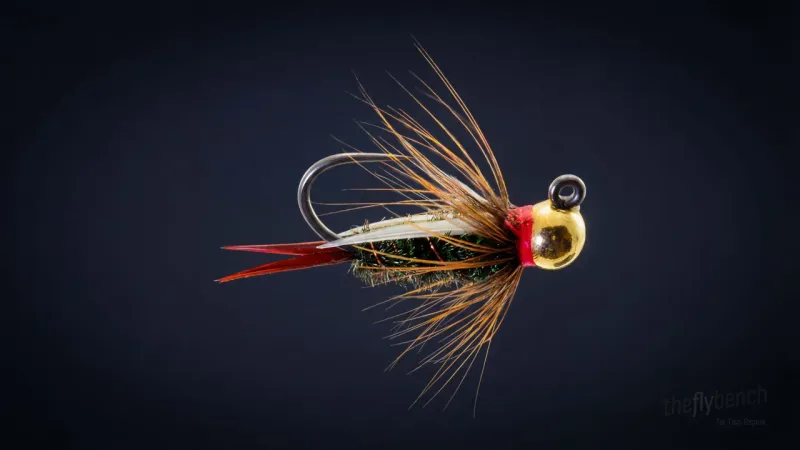
NymphPrince Nymph
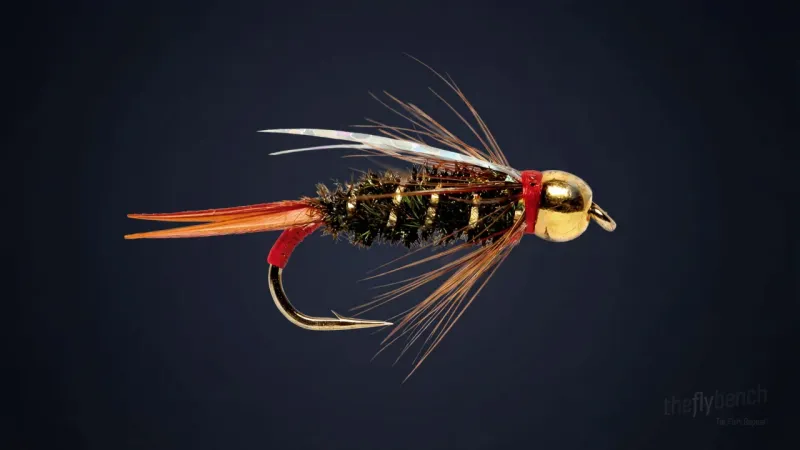
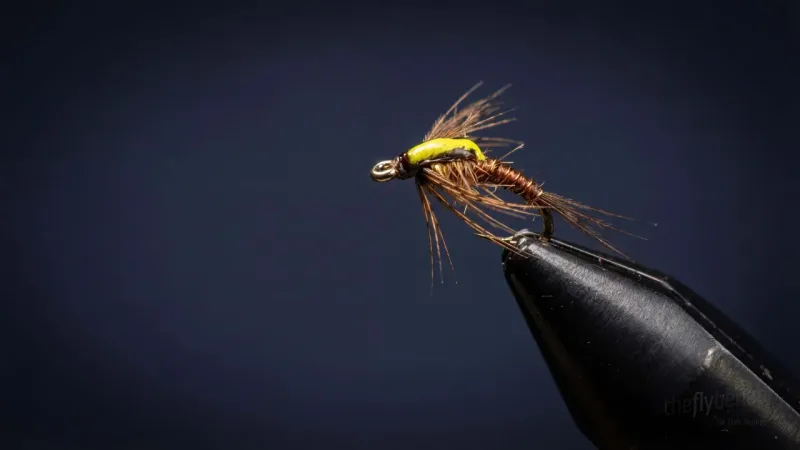
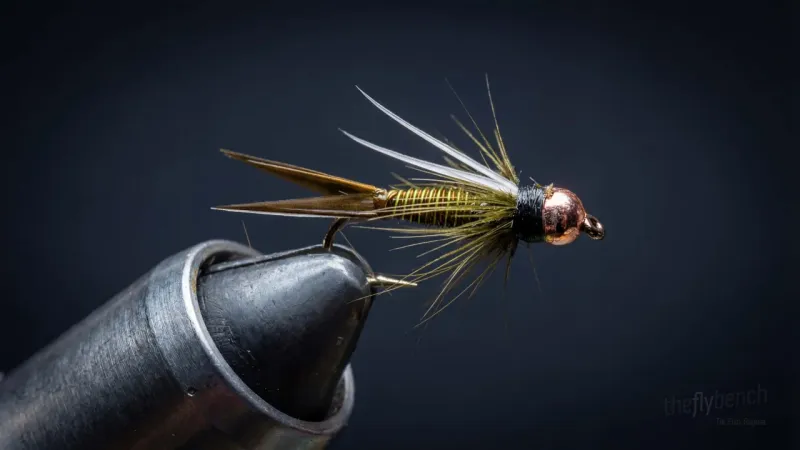
The Prince Nymph is a classic attractor nymph pattern that imitates a variety of aquatic insects, including stonefly and mayfly nymphs. Its biot tail, peacock body, and flashy components make it one of the most reliable nymphs for prospecting and active feeding situations.
Year Round
Intermediate
Trout
Apr 2025
Overview
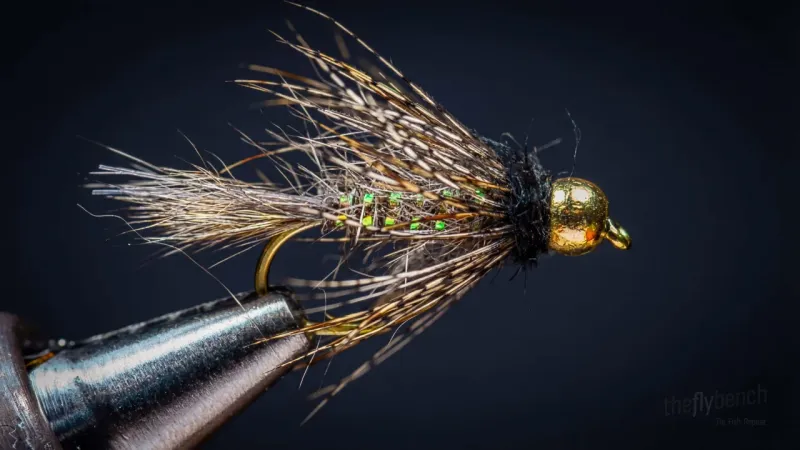
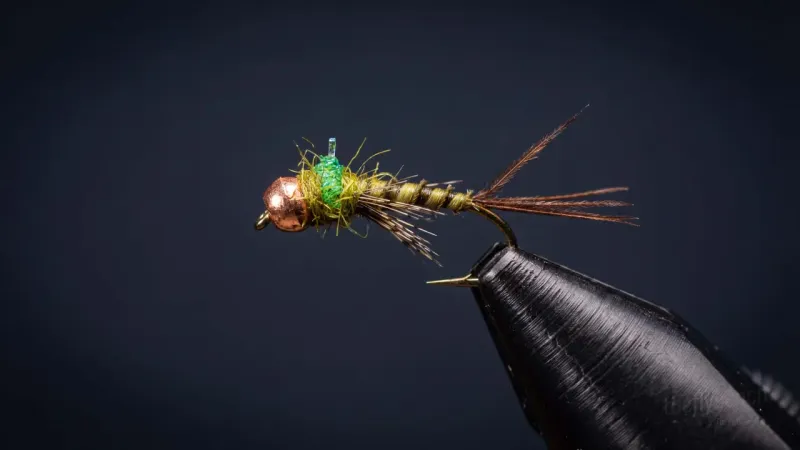
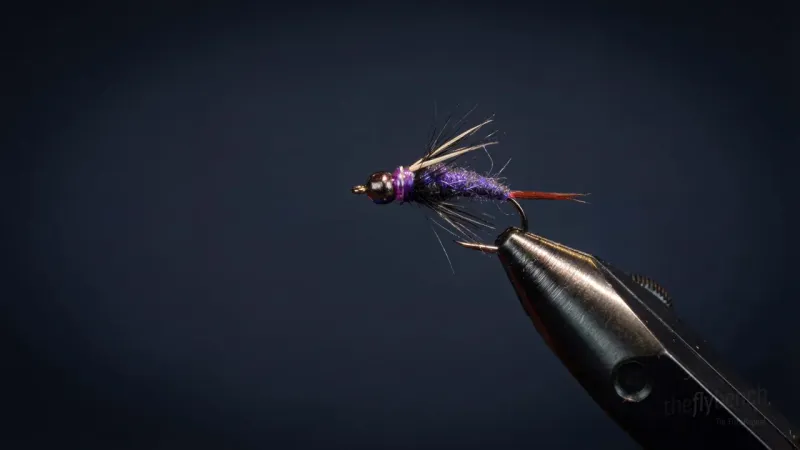
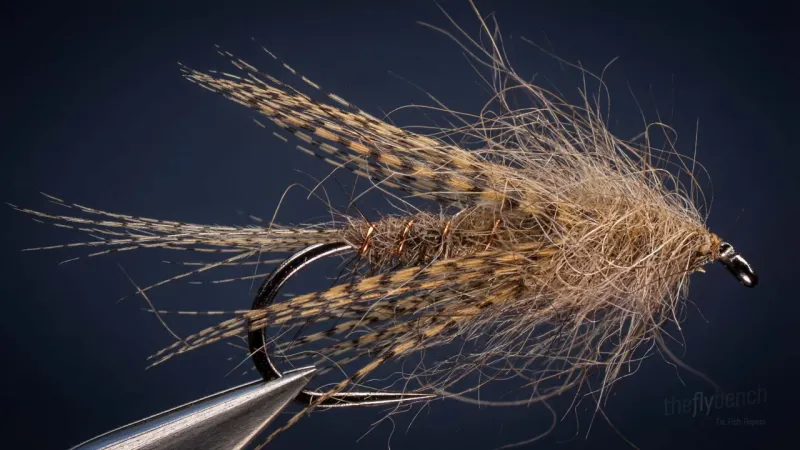
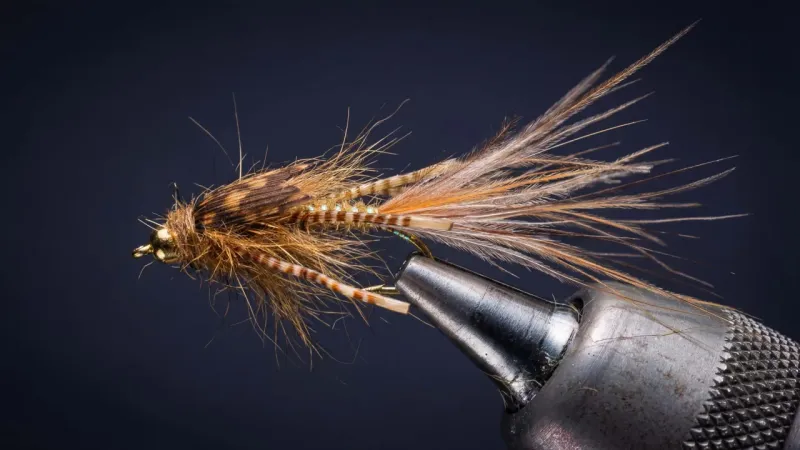
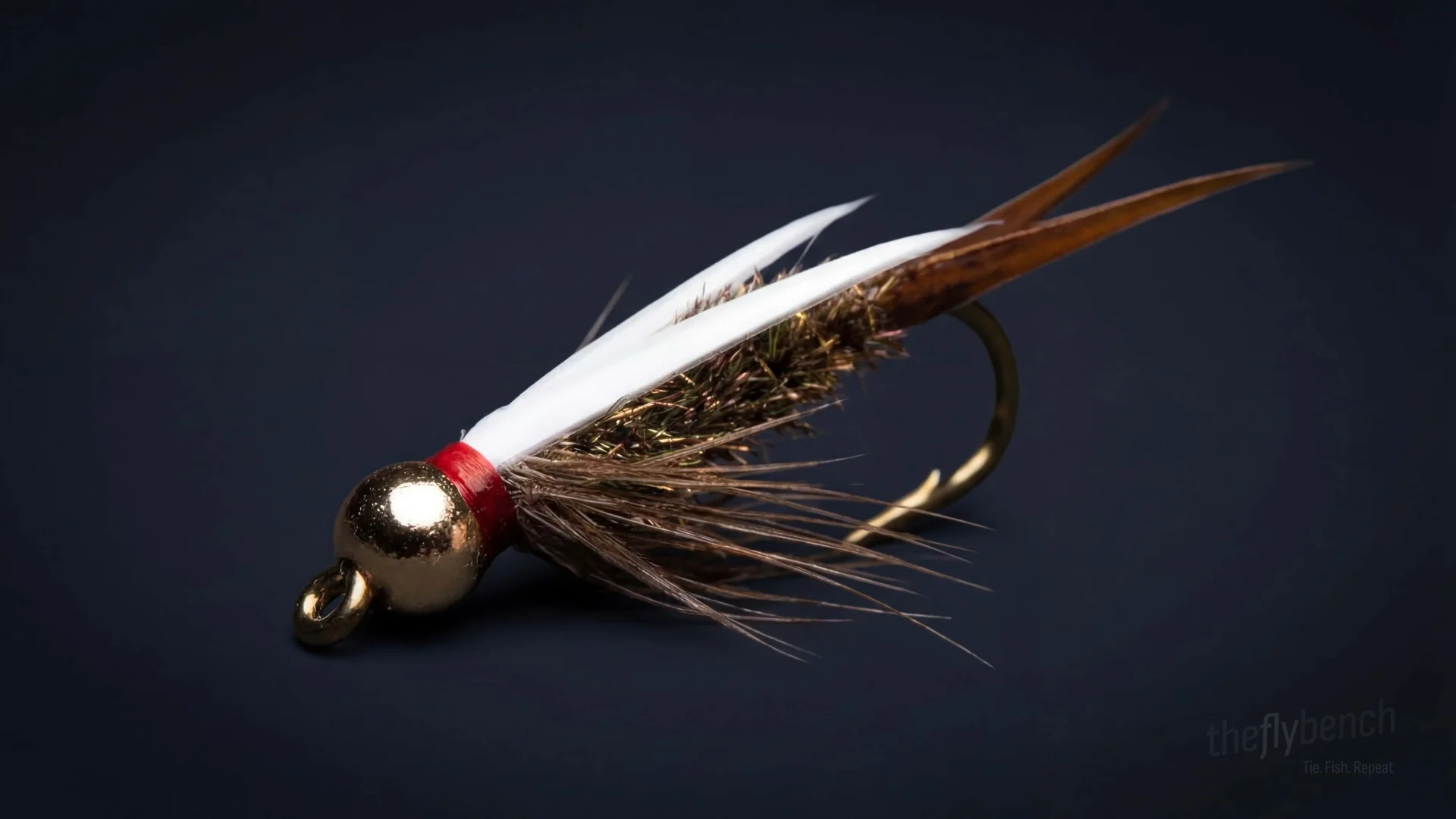
The Prince Nymph is a highly adaptable pattern—while the classic version uses peacock herl, gold wire, and goose biots, many tiers experiment with variations like purple or red bodies, flashback wingcases, or rubber legs for added movement. You can also adjust bead color (gold, black, copper) and wing material (goose biots, synthetics) to suit local conditions and personal preference, making it a versatile staple in any fly box.
Where to Buy This Fly
We only link to fly shops we trust. Some links are referral links, which may earn us a commission at no extra cost to you.
Materials
- Hook:
- Daiichi 1560, size #12–#18
- Thread:
- UTC 70 any color
- Under body:
- Lead free wire, .25
- Tail:
- Brown goose biots
- Ribbing:
- Gold/Silver oval tinsel
- Body:
- Peacock herl
- Hackle:
- Brown hen hackle
- Wing:
- White goose biots
- Bead:
- 3mm Tungsten Gold
Behavior & Presentation
Natural Behavior: Diverse aquatic nymphs occupy rocky substrates from fast riffles to slower pools, crawling among stones to feed on algae and detritus. When dislodged by current or predators, they tumble helplessly downstream until regaining purchase on bottom structure.
Where Trout Eat It: Bottom to mid-column in runs, riffles, and pools across diverse water types. Fish hold in feeding stations to intercept drifting insects.
How to Fish It: Dead drift along bottom under indicator or with tight-line methods. The bead head maintains contact with substrate where nymphs naturally tumble through current.
Best Water: Runs, pockets, channel swings, and tail-outs where current delivers drifting nymphs. Target current breaks and drop-offs.
Strike Type: Watch the indicator for abrupt stops, sideways pulls, or quick drops signaling a take. In Euro nymphing, feel for sudden weight or a sharp tick transmitted to the rod hand.
Fishing Strategy
Rigging Suggestions: Use 4X-5X tippet with 9-12 foot leaders. Works well as the top fly in a two-fly tandem setup with a smaller, more imitative pattern (sizes 18-20 midge or mayfly nymph) trailing 18-24 inches behind. Add weight as needed for depth.
Seasonal Timing: Productive year-round from January through December. Particularly effective during runoff (April-June) when multiple insects are active, and during months (September-November) when trout feed aggressively before .
Pro Tips: The white biot wings serve as a strike indicator when fishing visible nymphing techniques. Vary sizes (10-16) based on water flow and insect activity.
Entomology
Generalist aquatic insect nymphs occupy diverse bottom habitats from fast riffles to slower pools, opportunistically feeding on detritus, algae, and smaller organisms while maintaining position through behavioral drift. Fish consume these generic nymphs consistently because their widespread distribution and neutral profiles make them reliable, year-round food sources that require no specialized feeding adaptations.
- Organism Type
- insect
- Life Stage
- general