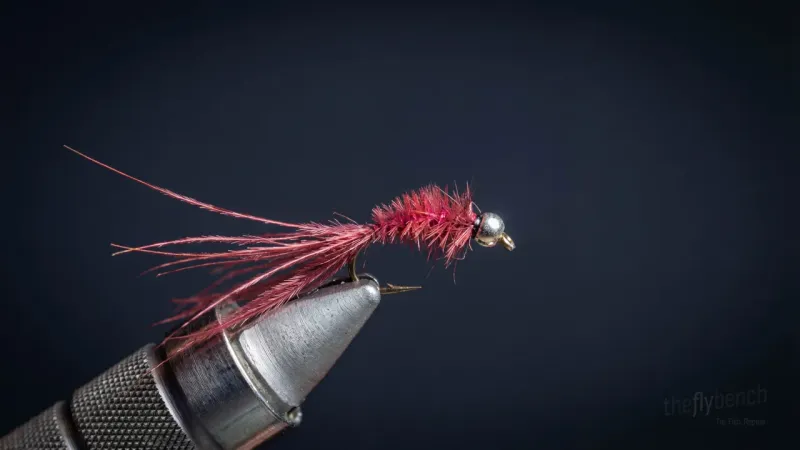
NymphTrigger Nymph
The Trigger Nymph is a versatile fly that's effective in various water types and conditions. Its shape and color mimic a wide range of aquatic insects, making it a go-to pattern when trout seem finicky.
Spring, Summer, Fall
Intermediate
Trout
Apr 2025
Overview
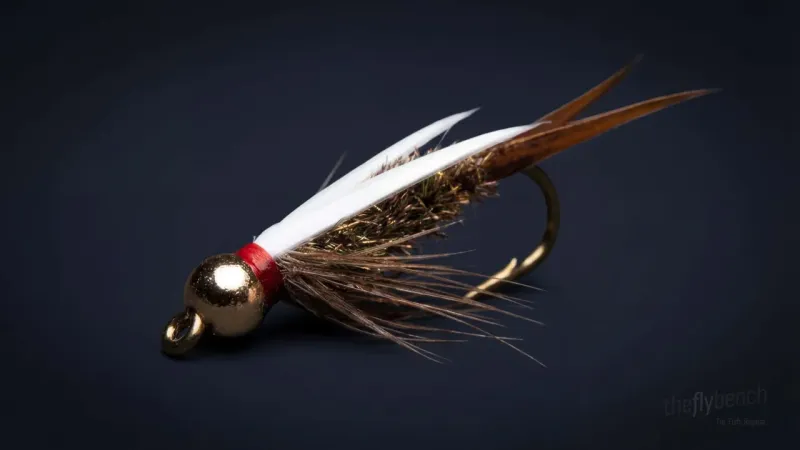
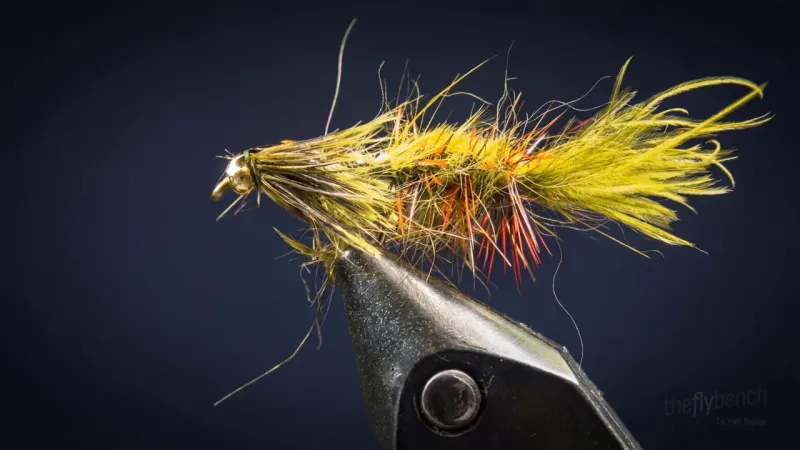
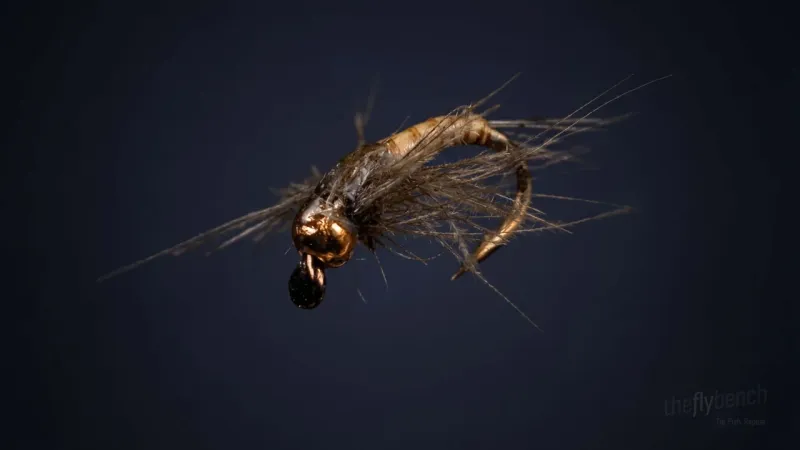
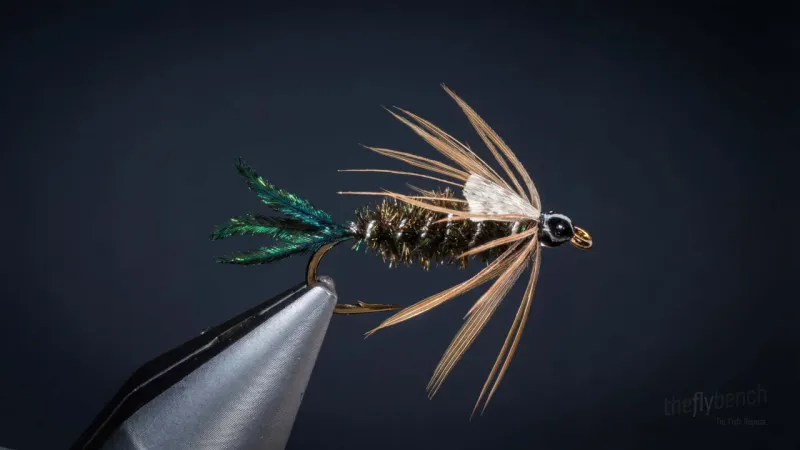
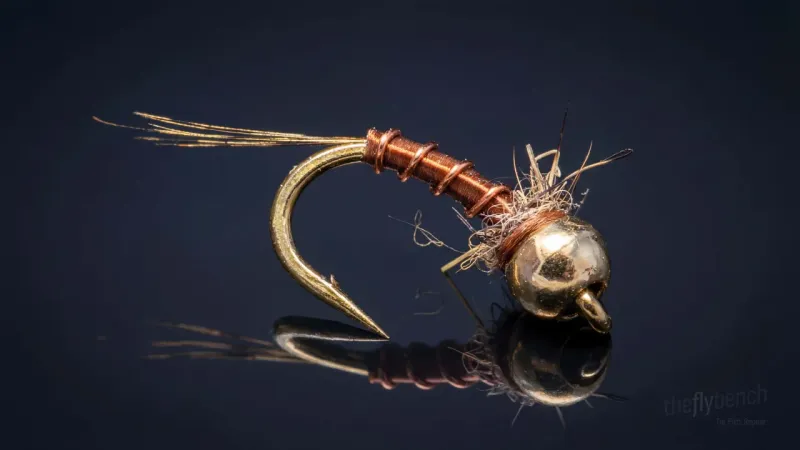
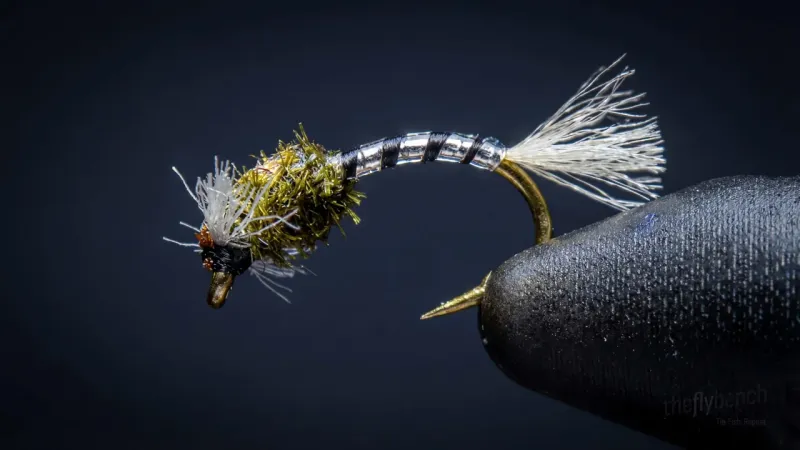
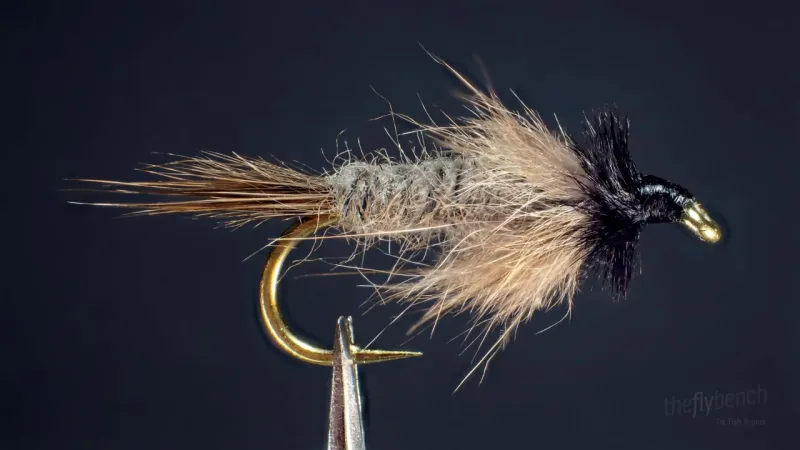
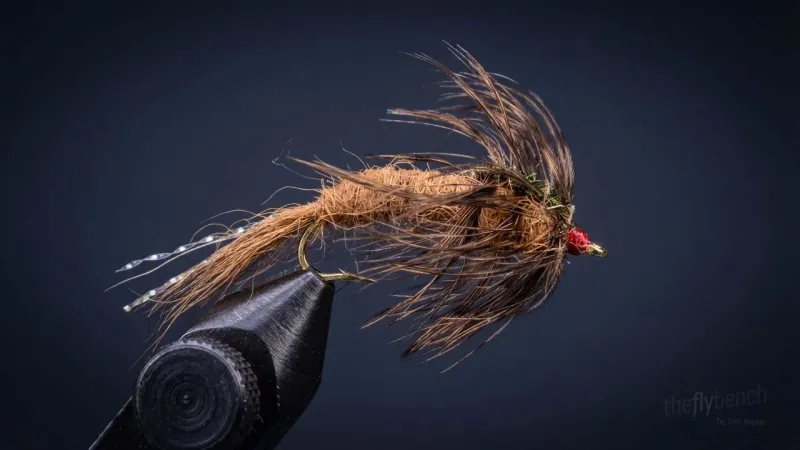
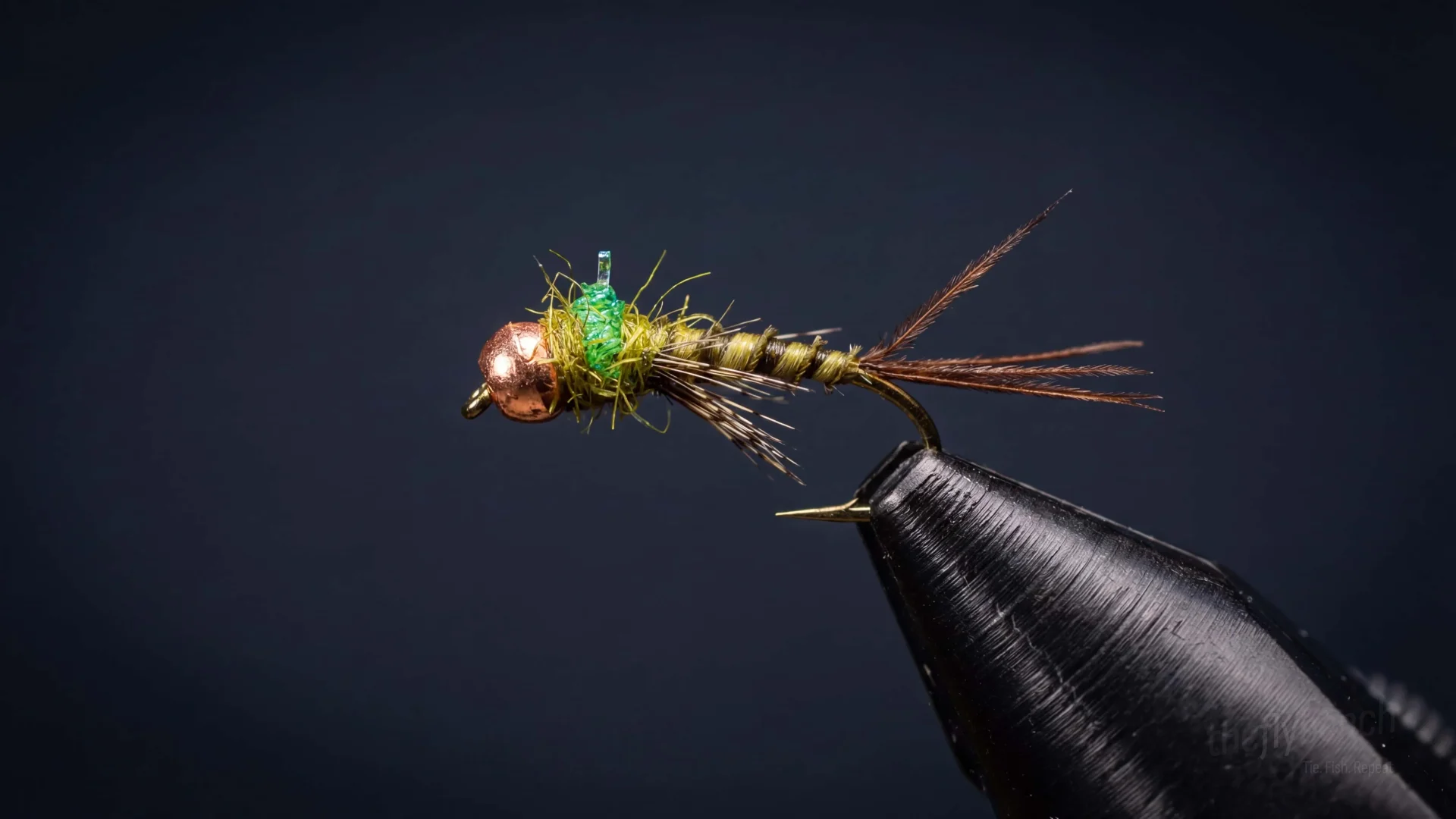
Designed to provoke instinctual takes, the Trigger Nymph features a compact, flashy body, a contrasting hotspot (often orange or pink), and a tungsten bead. Its body may be ice dub, thread, or a mix, with or without a wingcase. It's quick to tie and highly effective.
Where to Buy This Fly
We only link to fly shops we trust. Some links are referral links, which may earn us a commission at no extra cost to you.
Materials
- Hook:
- Tiemco 2302 Size 10-16
- Bead:
- Countersunk Tungsten
- Thread:
- UTC 70 Olive or Veevus
- Tail:
- Pheasant Tail
- Body:
- Turkey Biot
- “Trigger”:
- Ice dubbing, Olive
- Thorax:
- Hare's Ear Plus Olive
Behavior & Presentation
Natural Behavior: Aquatic insect nymphs alternate between crawling on the substrate and drifting in the current when dislodged. Some species actively swim short distances, while others tumble passively in the flow, providing varied feeding opportunities throughout the water column.
Where Trout Eat It: Trout feed opportunistically on drifting nymphs at multiple depths in runs, pocket water, and along weed edges.
How to Fish It: Dead drift with indicator or tight-line euro-nymphing techniques, adjusting depth to match feeding zone. Vary presentation from bottom to mid-column.
Best Water: Focus on riffle tail-outs, pocket water behind boulders, and channel swings where current delivers drifting nymphs. Drop-offs and weed edges concentrate feeding activity.
Strike Type: The hotspot triggers aggressive takes shown by sharp indicator jerks or sighter dips. Fish attack the contrasting collar decisively, creating clear visual or tactile signals.
Fishing Strategy
Rigging Suggestions: It can be fished alone or as part of a multi-fly setup. Consider pairing it with a larger attractor nymph.
Seasonal Timing: Effective during active feeding periods throughout the season. Fish morning and evening for best results.
Pro Tips: The Trigger Nymph is a sinking fly. Its gold beadhead adds weight and flash, helping it get deep quickly and attracting attention from fish.
Entomology
Generalist aquatic insect nymphs exhibit diverse behaviors including substrate crawling, active swimming, and passive drifting, depending on species and environmental conditions in the water column. Trout consume these varied organisms because they constitute the bulk of subsurface biomass in most streams, offering reliable feeding opportunities when fish are focused below the surface rather than on emergent or adult insects.
- Organism Type
- insect
- Life Stage
- general