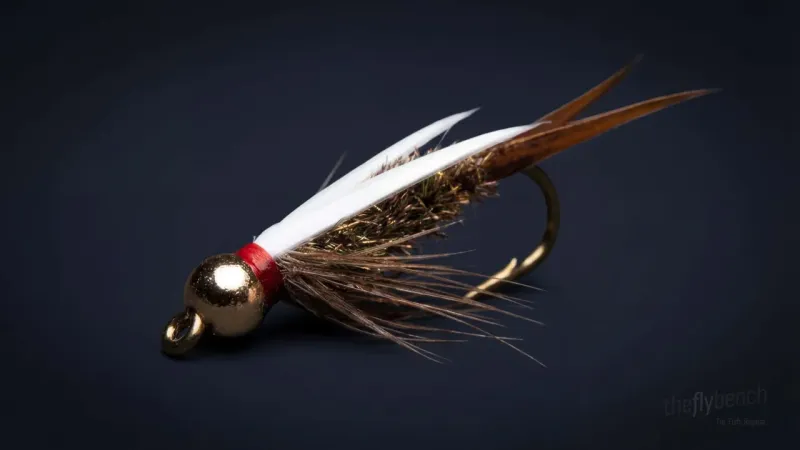
NymphPurple Prince
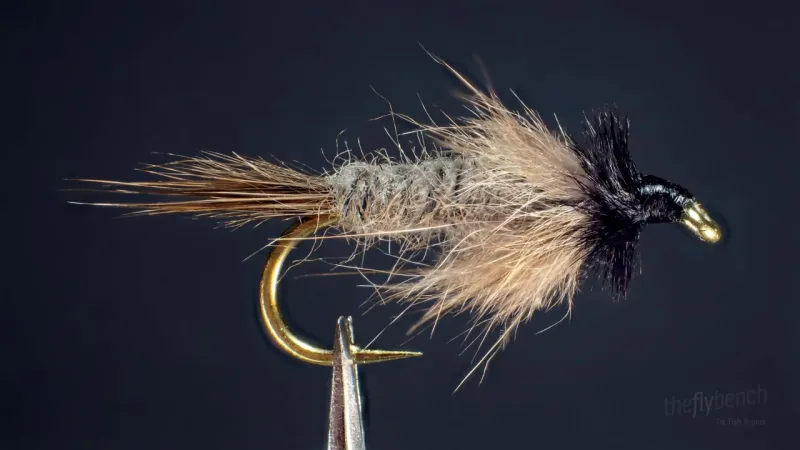
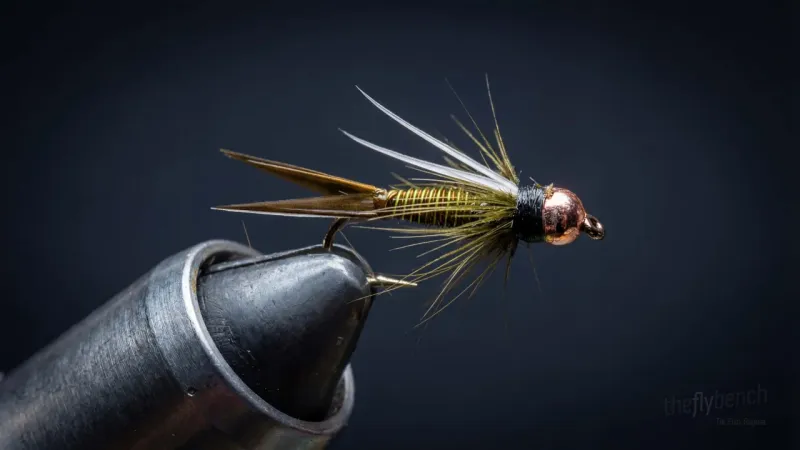
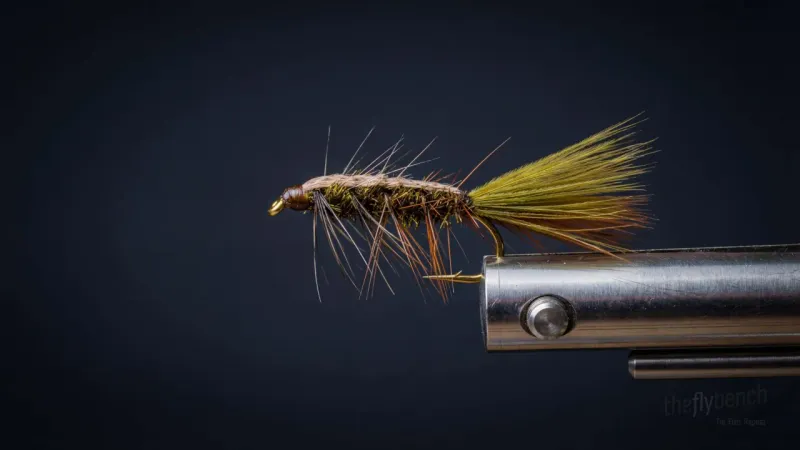
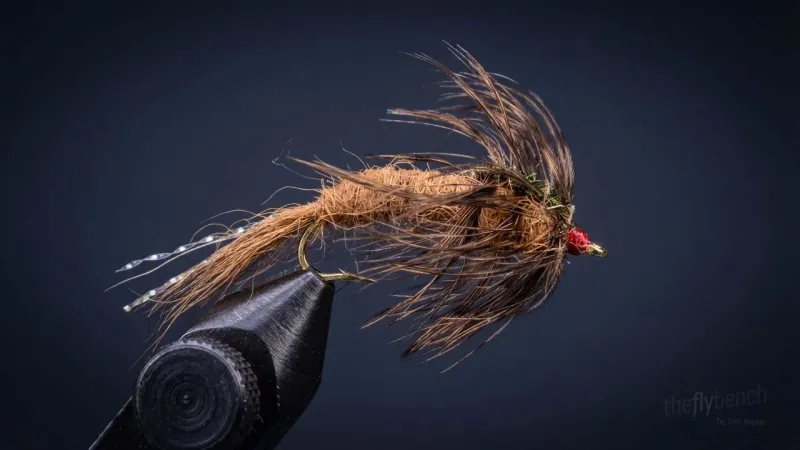
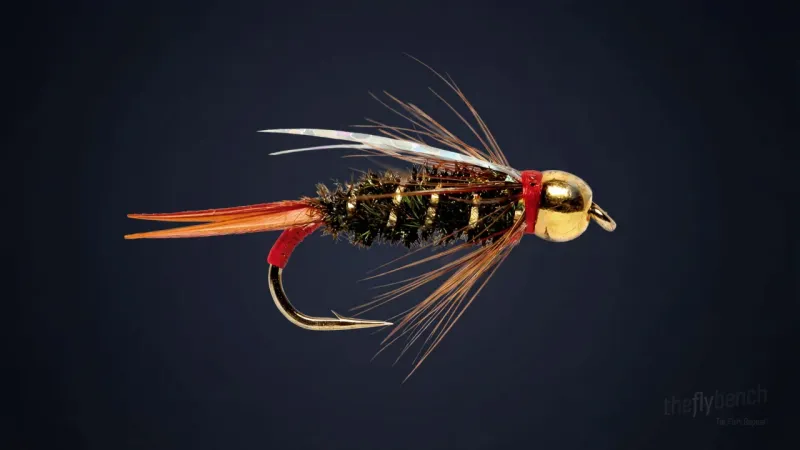
The Purple Prince is a vibrant variation of the classic Prince Nymph, offering the same attractor-style silhouette with a flashy twist. Its bright purple body adds visibility in stained or turbulent water, making it an excellent pattern for prospecting or when trout are keyed in on flashy nymphs.
Spring, Summer, Fall
Intermediate
Trout
Apr 2025
Overview
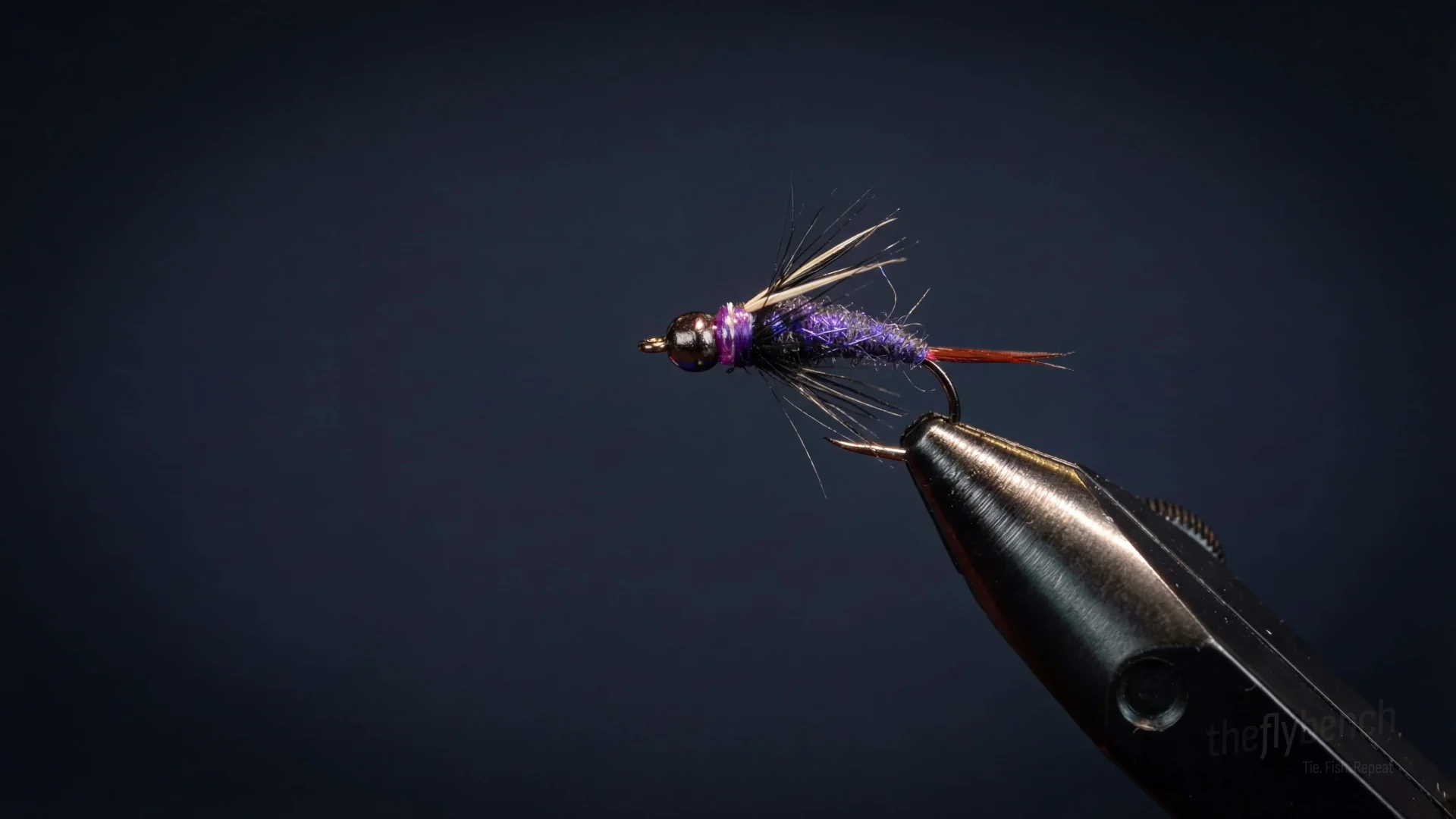
The Purple Prince is a vibrant variation of the classic Prince Nymph, replacing the traditional peacock body with purple dubbing or synthetic fibers for added visibility. It keeps the iconic split goose biot tail and white biot wings, plus a gold bead head and brass wire ribbing for weight and flash. A great attractor pattern, especially effective in off-colored water.
Where to Buy This Fly
We only link to fly shops we trust. Some links are referral links, which may earn us a commission at no extra cost to you.
Materials
- Hook:
- Daiichi 1560, size #12–#16
- Bead:
- Gold tungsten bead
- Thread:
- Purple UTC 70 denier
- Tail:
- Brown goose biots
- Body:
- Purple tinsel or purple holographic flashabou
- Ribbing:
- Fine gold wire
- Wingcase:
- Peacock herl
- Legs:
- Brown partridge or hen fibers
Behavior & Presentation
Natural Behavior: General nymphs occupy diverse substrates, crawling along bottom to feed on algae and detritus. When dislodged by current or predators, they tumble downstream helplessly until regaining purchase, creating consistent drift opportunities for feeding fish.
Where Trout Eat It: Bottom to mid-column in runs, pockets, and pools. Fish hold in feeding stations to intercept drifting insects, especially in stained water where flash increases visibility.
How to Fish It: Dead drift near bottom using indicator or tight-line Euro techniques. The purple flash and tungsten bead stand out in stained water, triggering aggressive takes.
Best Water: Runs, pockets, channel swings, and tail-outs where current delivers drifting nymphs. Target deeper runs and drop-offs in off-color water.
Strike Type: In stained water, strikes register as aggressive indicator grabs or decisive stops. Watch for quick pulls rather than tentative bumps when fish spot the purple flash.
Fishing Strategy
Rigging Suggestions: Use 4X-5X tippet with 9-12 foot leaders. Fish as the lead fly in a double-nymph rig with a smaller trailer (size 16-18 mayfly or midge nymph) positioned 18-24 inches behind, or as a dropper 24 inches below a buoyant dry fly like a stimulator or foam hopper.
Seasonal Timing: Most productive from April through October, with peak effectiveness during runoff (May-June) when water is slightly off-color and during (September-October) when trout feed aggressively before . Also effective during monsoon periods in the West.
Pro Tips: The purple body and flashabou wingcase create an attractor profile that triggers aggressive takes in off-color water. Sizes 12-16 work for most conditions. The white biot wings also serve as a subtle strike indicator.
Entomology
General nymphs occupy various substrate types from rocky riffles to silty pools, their movements ranging from crawling along the bottom to brief swimming bursts when disturbed by current or predators. Fish feed opportunistically on these aquatic insects as they become available in the drift, with patterns most effective when dead-drifted near the stream bottom.
- Organism Type
- insect
- Life Stage
- nymph