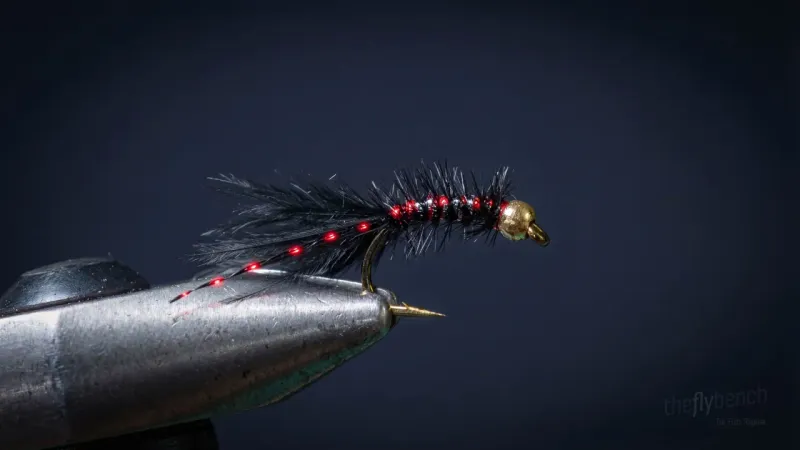
LeechBrian Chan BMW Micro Leech
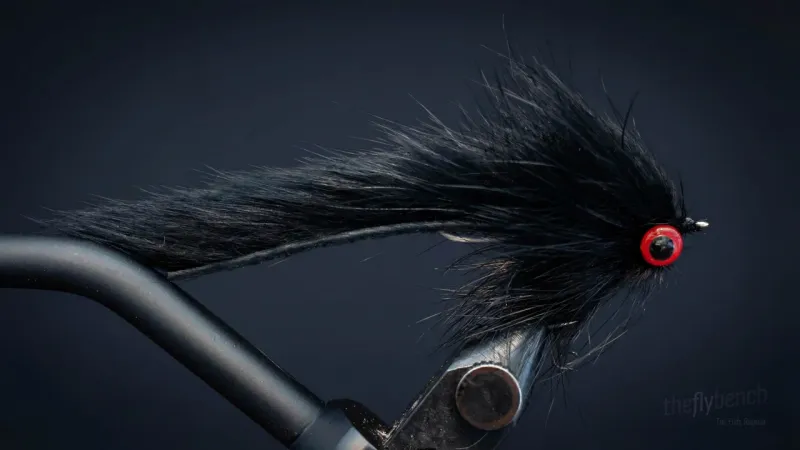
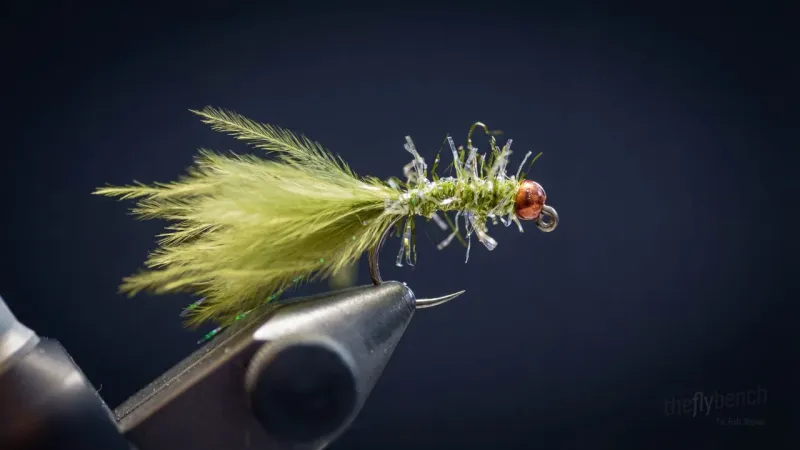
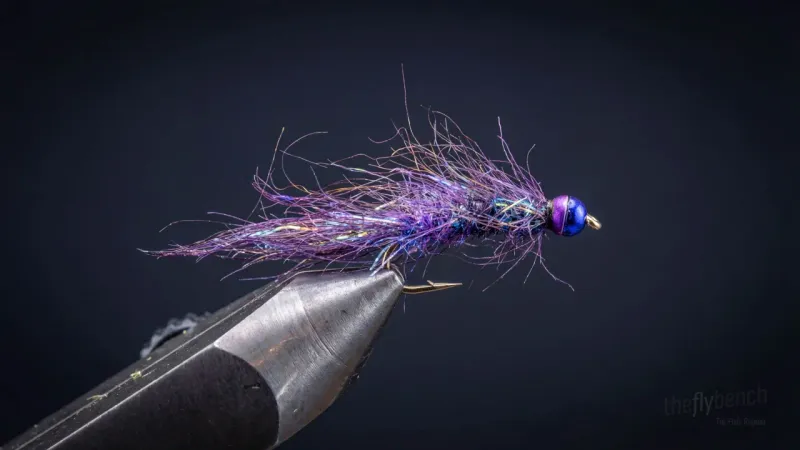
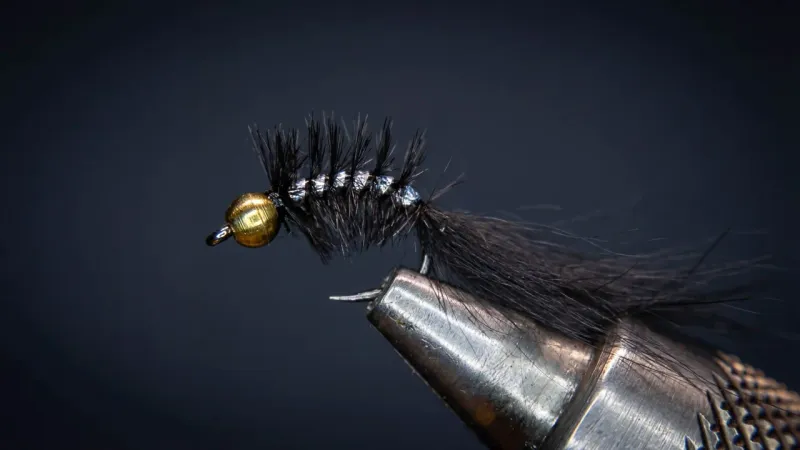
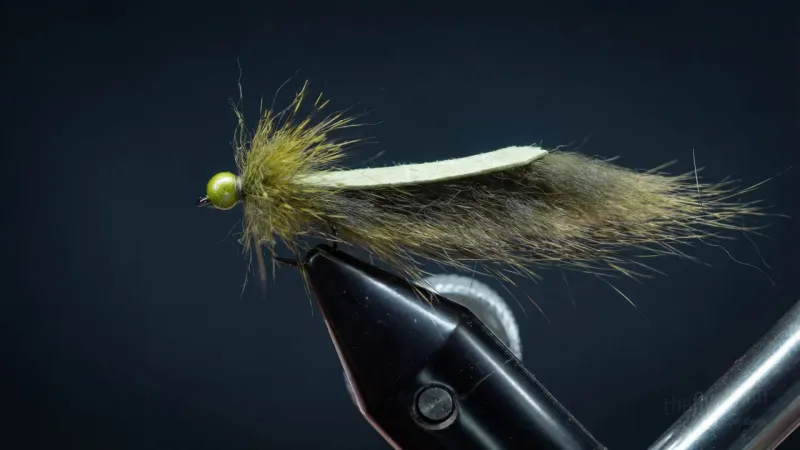
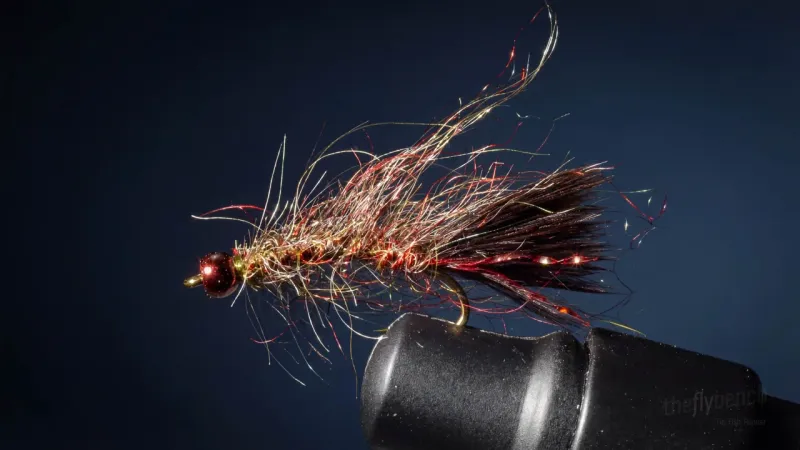
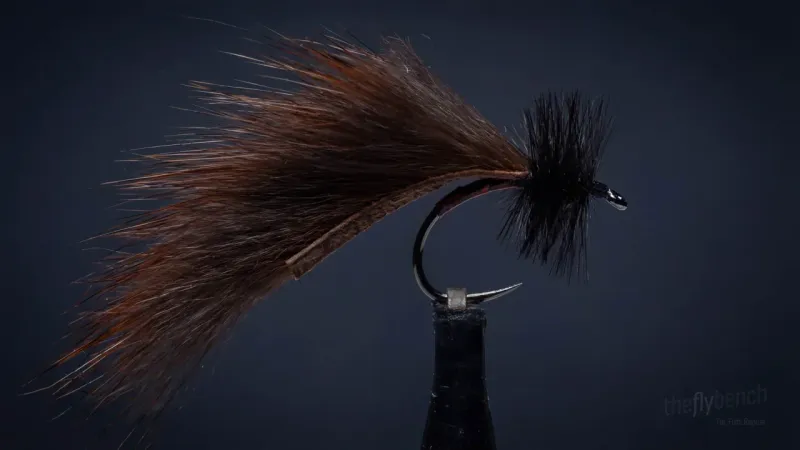
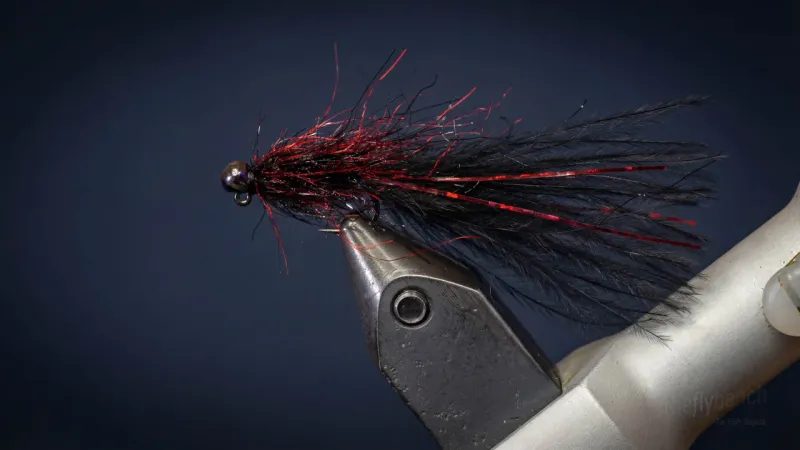
Brian Chan's BMW (Brian's Marabou Wiggler) Micro Leech is a must-have stillwater pattern from one of British Columbia's most respected stillwater anglers. This simple yet effective pattern uses marabou for both tail and body, creating maximum movement with minimal materials. The versatile design can imitate micro leeches, damselfly nymphs, or serve as a general searching pattern in clear water.
Spring, Fall
Intermediate
Trout
Dec 2025
Overview
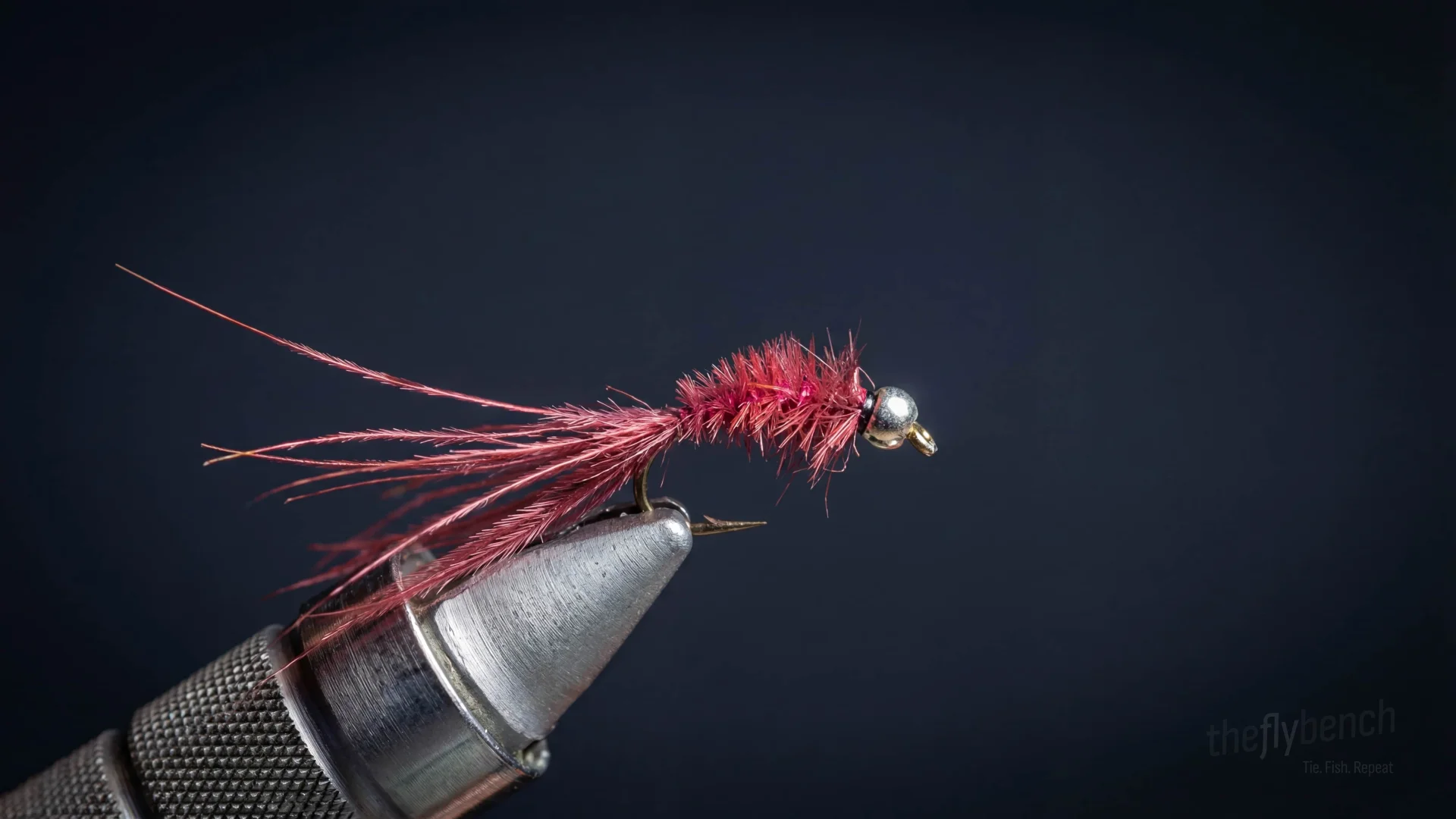
This Northern Lights Fly Fishers demonstration by Brian Chan showcases a pattern that has become legendary among BC stillwater anglers. Brian notes that micro leeches are often more effective than large leeches, especially when fishing very clear water. The suggestive profile means this pattern can be taken for a damselfly nymph, mayfly nymph, or even a caddis pupa. Tie in various colors including black, maroon (claret), and shades of olive. Mottled marabou versions are also effective options.
Materials
Hook: Daiichi 1760, #12-14
Thread: MFC 8/0 or UTC 70, color to complement body
Bead: Tungsten bead, 3/32" (2.4mm), silver or gold
Tail: Marabou
Rib: UTC Ultra Wire, gold or silver
Body: Marabou
Behavior & Presentation
Natural Behavior: Tiny leeches propel themselves with rhythmic body contractions, particularly active during early season when they move between vegetation and mud. Their compact size makes them accessible, easy meals in clear water conditions.
Where Trout Eat It: Trout feed selectively on this over shallow shoals in clear BC lakes where small leeches move between vegetation and mud. The marabou construction creates maximum movement in upper water column during early and late season when trout cruise shoals actively.
How to Fish It: Suspend under sensitive indicator at shoal depths and retrieve with slow pulsing strips. The marabou creates subtle movement with minimal manipulation. Fish it slowly because micro size works when trout in clear lakes inspect carefully before taking.
Best Water: Most effective over shallow shoals less than 10 feet at Roche, Corbett, and Morgan Lakes during ice-off and late-season periods. The small tungsten bead provides moderate sink rate for upper water column where suggestive profile passes for damsel nymph or micro leech.
Strike Type: Indicator hesitates or edges sideways as fish engulf the small profile—quick strip-set prevents rejection.
Fishing Strategy
Rigging Suggestions: Fish on 12-15 foot leader with 5X-6X fluorocarbon tippet under a sensitive strike indicator. The small tungsten bead provides adequate weight for presentations in the upper water column where trout often cruise.
Seasonal Timing: Particularly effective during early and late season over shallow shoals when trout are actively feeding on small invertebrates. The versatile profile makes it productive throughout the season.
Pro Tips: The tungsten bead provides moderate sink rates suitable for shoal presentations. The marabou body and tail create maximum movement while maintaining a subtle, natural profile that doesn't spook wary fish.
Entomology
Tiny leeches propel themselves with rhythmic body contractions through the water column, particularly active during spring and early summer when they move between vegetation and mud. Trout in clear lakes target these small leeches opportunistically, often preferring their compact size to larger specimens because they represent an easy, accessible food source.
- Organism Type
- leech
- Life Stage
- general