Euro NymphsZirdle Bug
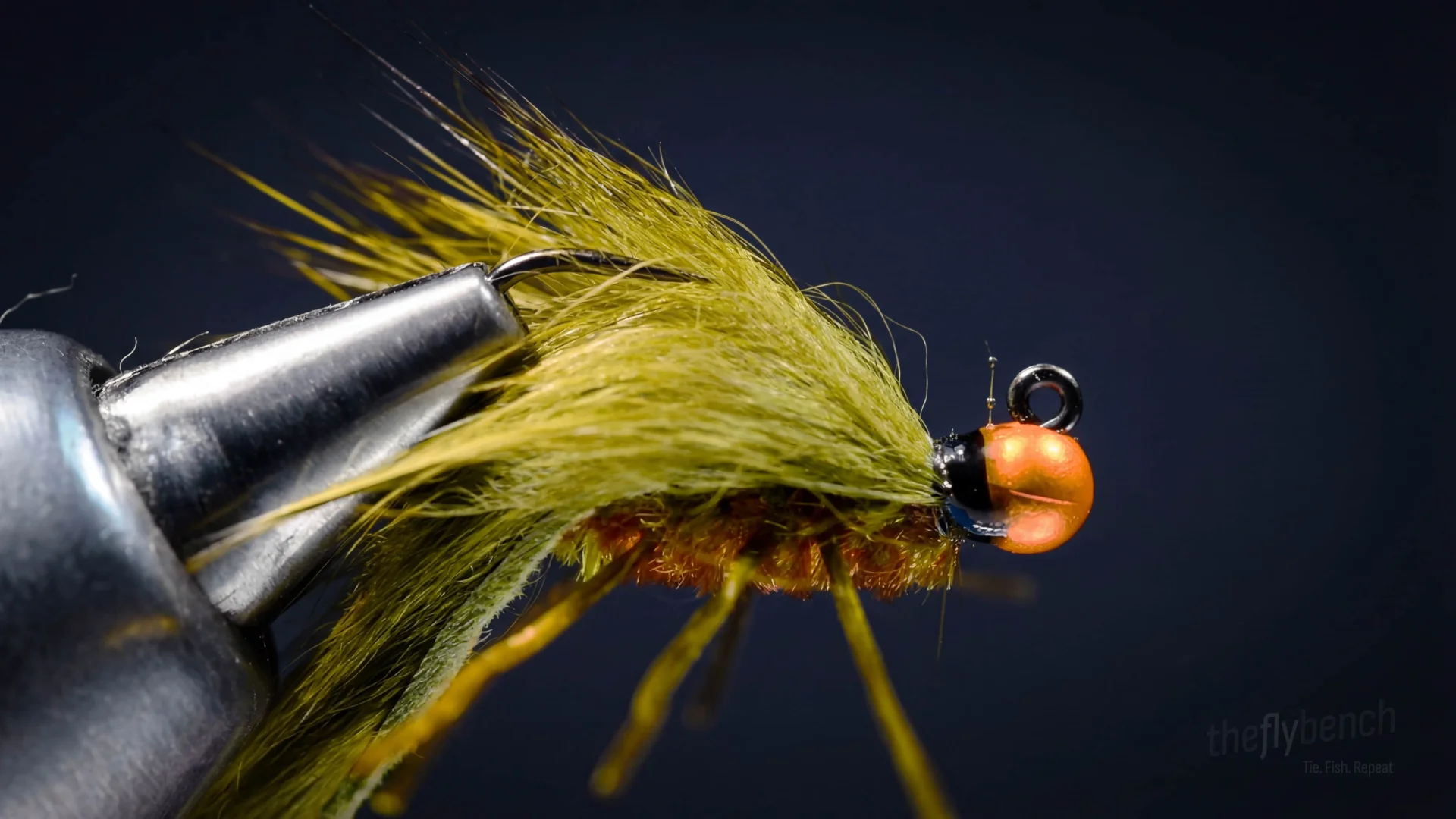
The Zirdle Bug is Charlie Craven's euro-nymphing buggy attractor pattern that combines the profile of a Girdle Bug with modern materials and a jig hook design. Featuring variegated chenille body with superfloss legs and a rabbit strip wing, this pattern creates an irresistible silhouette that triggers aggressive strikes from trout looking for a substantial meal.
Year Round
Intermediate
Trout
Dec 2025
Overview
This Charlie Craven pattern from Charlie's Fly Box showcases the effectiveness of combining classic attractor elements with modern euro-nymphing techniques. The variegated chenille creates natural color variation while the rabbit strip wing provides lifelike movement. The hot orange tungsten bead serves as both weight and trigger point, drawing fish to the fly. The jig hook design keeps the hook point riding up for reduced snags.
Materials
Hook: Hanak 400BL, #8
Thread: UNI 6/0, black
Bead: Tungsten slotted, 3.8mm, orange
Body: Variegated Chenille, medium, olive/rust
Legs: Superfloss, rusty olive
Wing: Rabbit Strip, olive variant
Behavior & Presentation
Natural Behavior: Large bottom-dwelling larvae move along stream substrates with segmented accordion-like motions, extending and contracting their bodies through silt and debris. Their substantial size makes them high-value targets providing significant nutrition.
Where Trout Eat It: Fish hold near bottom in runs and pocket water, intercepting large nymphs drifting through feeding zones.
How to Fish It: Fish tight-line euro style bouncing the heavy pattern along bottom, maintaining direct contact for immediate strike detection.
Best Water: Target runs with moderate to fast current, pocket water concentrating larger insects, and riffle edges where nymphs tumble.
Strike Type: Watch for sighter sags, sharp ticks, or sudden pauses signaling aggressive takes.
Fishing Strategy
Rigging Suggestions: Fish on a euro-nymphing setup with 10-12 foot leader tapering to 4X-5X fluorocarbon tippet. Use as a point fly with smaller patterns dropped off the bend.
Seasonal Timing: Year-round effectiveness, particularly productive during stonefly activity or when fish are looking for larger food items.
Pro Tips: The hot orange bead provides visibility while the olive/rust variegated body creates a natural buggy profile. The rabbit strip wing pulses with every current change, adding lifelike movement.
Entomology
Crane fly larvae wriggle along stream bottoms in a distinctive segmented, accordion-like motion, their leathery bodies extending and contracting as they move through silt and debris. Fish recognize these substantial bottom-dwelling organisms as high-value targets that provide significant nutrition, particularly in European-style nymphing waters where varied subsurface life is abundant.
- Order
- Diptera
- Family
- Tipulidae
- Common Name
- Crane Fly
- Organism Type
- insect
- Life Stage
- nymph