Euro NymphsTactical SOS
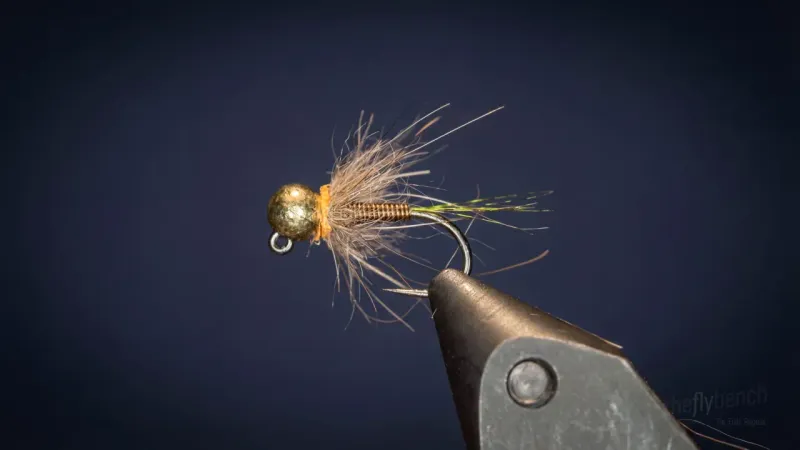
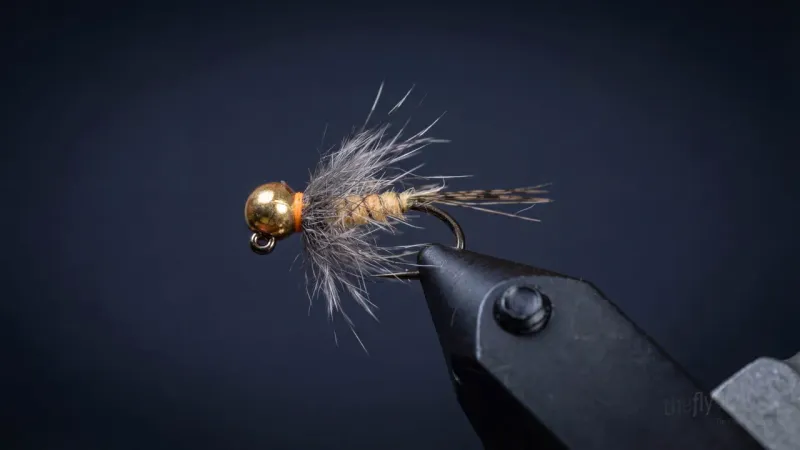
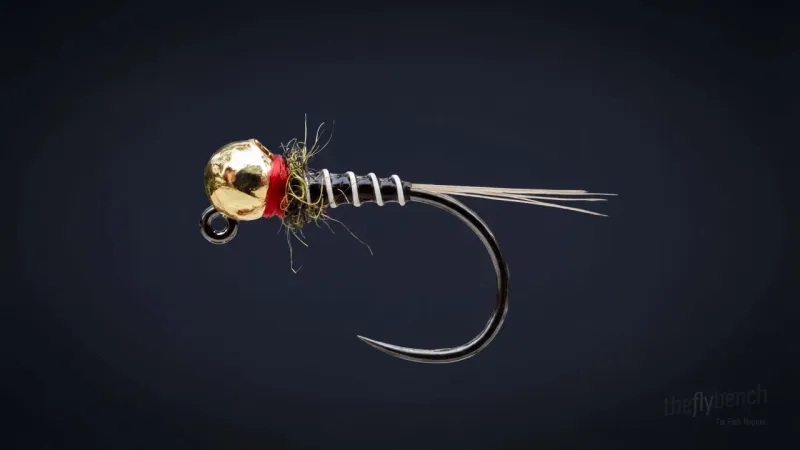
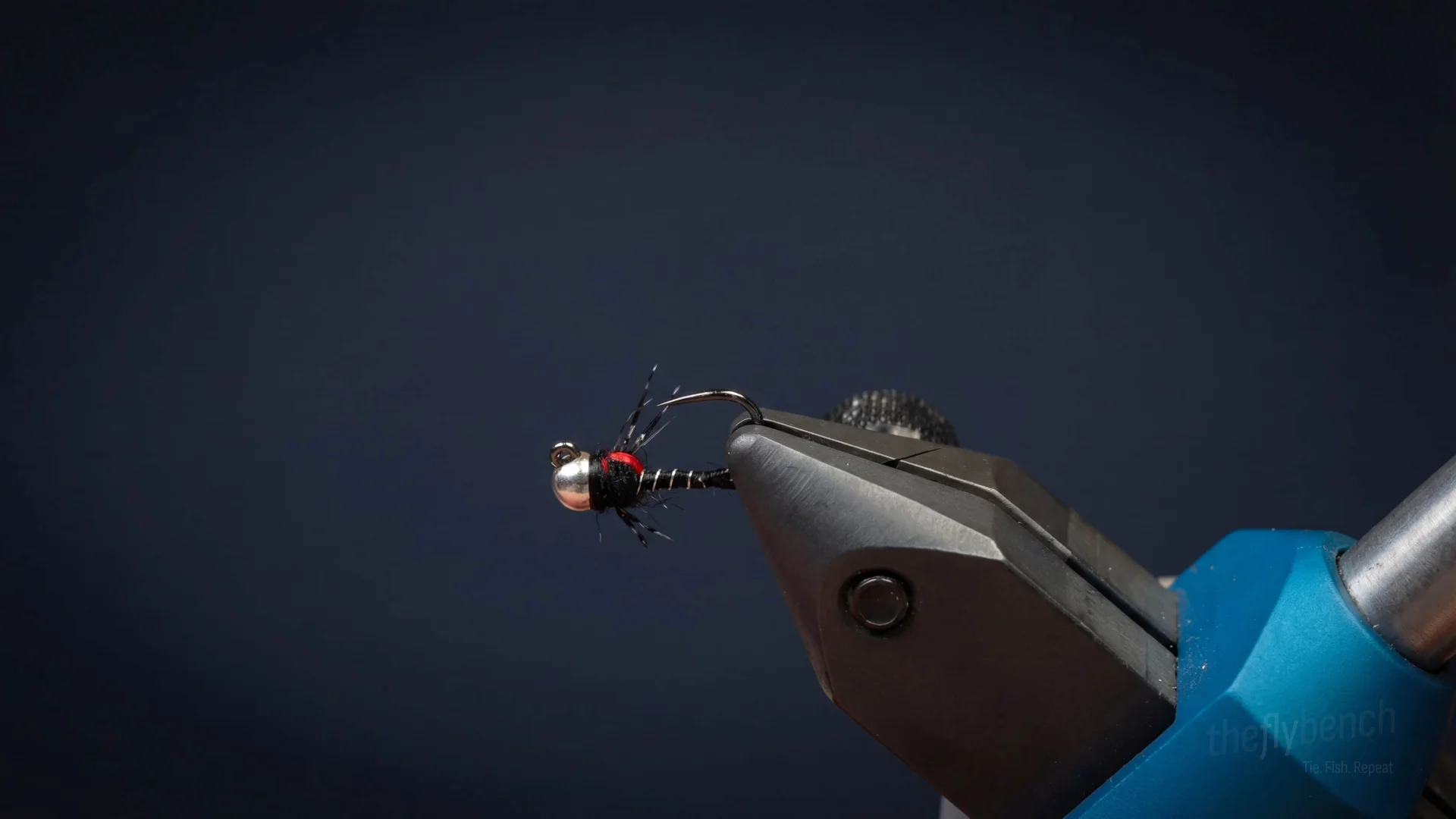
The Tactical SOS is a jig hook adaptation of the original SOS pattern, proven effective worldwide. This versatile euro nymph features a striking red wingcase hotspot and buggy squirrel dubbing thorax that triggers strikes from even the pickiest trout. Designed by Spencer at Fly Fish Food, it excels as both a euro nymph and dry-dropper pattern.
Year Round
Intermediate
Trout
Dec 2025
Overview
The Tactical SOS has earned its reputation as a last-resort pattern that consistently produces when other flies fail. The name says it all—when you're in trouble, tie on an SOS. The combination of dark body materials with a bright red wingcase creates an effective trigger point. The squirrel dubbing provides natural movement and a buggy profile that trout find irresistible in pressured waters.
Materials
Hook: Fulling Mill 5045 Jig Force Barbless, size #16 (or Umpqua XC400BL-BN)
Thread: UTC 70 Denier, black
Bead: Fulling Mill Slotted Tungsten, silver, 2.8mm
Tail: Ringneck Pheasant Tail, black (or Spanish Coq De Leon pardo)
Rib: Semperfli Tying Wire, 0.2mm, bright silver
Thorax: Hareline Squirrel Hair Dubbing, black (or Fulling Mill Euro Nymph Body Dub)
Wingcase: Danville's Rayon 4 Strand Floss, red (or 54 Dean Street Ovale Pure Silk Floss)
Legs: Krystal Flash, black
Behavior & Presentation
Natural Behavior: Large stonefly and mayfly nymphs crawl actively or tumble when swept from substrate, their dark bodies visible against lighter bottoms.
Where Trout Eat It: Fish hold near bottom in feeding lanes 3-5 feet deep, intercepting large nymphs in pocket water and channel swings.
How to Fish It: Tight-line euro technique for maximum sensitivity. Jig hook rides point-up through rocky structure while maintaining natural drift.
Best Water: Target pocket water with boulders, seams along current breaks, and channel swings where large nymphs concentrate.
Strike Type: Tick or sudden pause. Red hotspot triggers visual strikes detected through tight-line contact.
Fishing Strategy
Rigging Suggestions: Fish on 5X-6X fluorocarbon tippet. Use as point fly in euro rigs or as dropper below dry flies.
Seasonal Timing: as a searching pattern. Particularly productive during stonefly and mayfly activity, but the dark coloration works well in any season when trout are keyed on darker nymphs.
Pro Tips: The tungsten bead provides quick sink rate. The red wingcase creates a visible trigger point while the dark body blends naturally.
Entomology
Stonefly nymphs require cold, highly oxygenated water and serve as biological indicators of stream health, favoring boulder-cobble substrates in pristine mountain watersheds. Their emergence strategy involves crawling completely out of water onto streamside rocks and vegetation, but pre-emergence positioning exposes them in shallow margins where trout specifically cruise to intercept these calorie-rich nymphs during peak spring runoff periods.
- Order
- Plecoptera
- Common Name
- Stonefly
- Organism Type
- insect
- Life Stage
- nymph