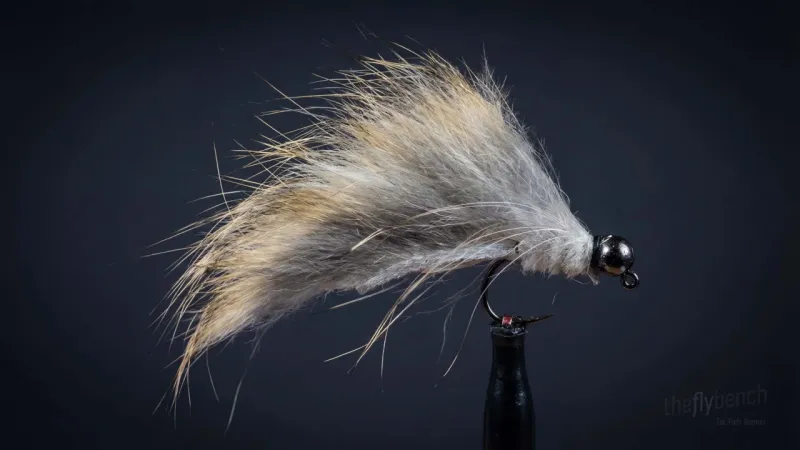
NymphBarr's Cranefly
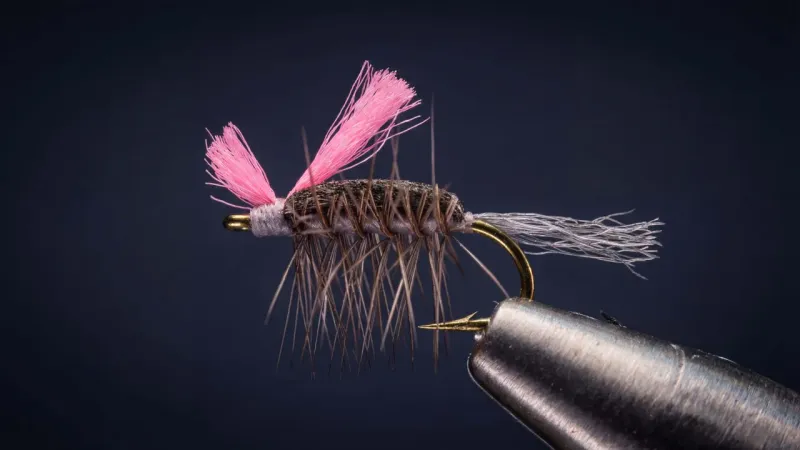
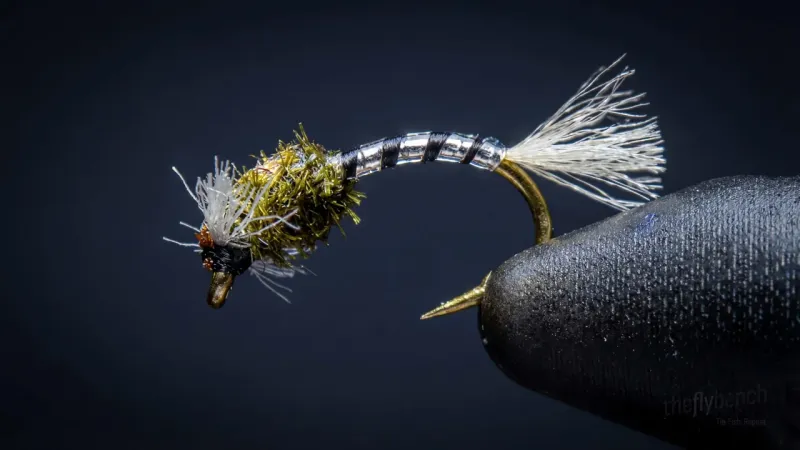
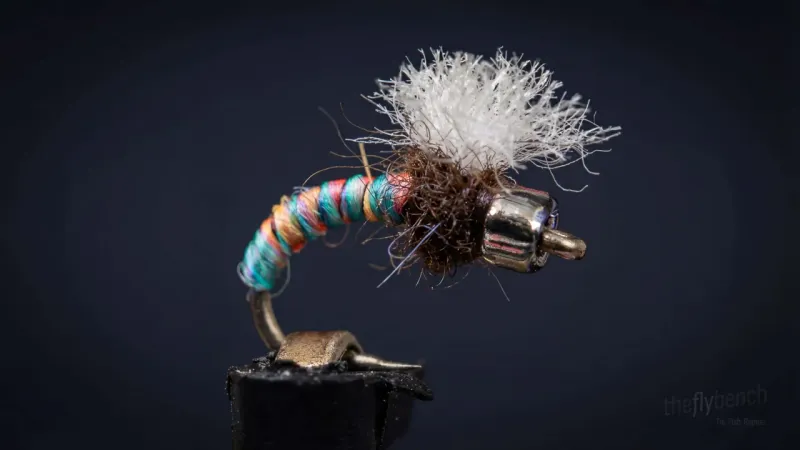
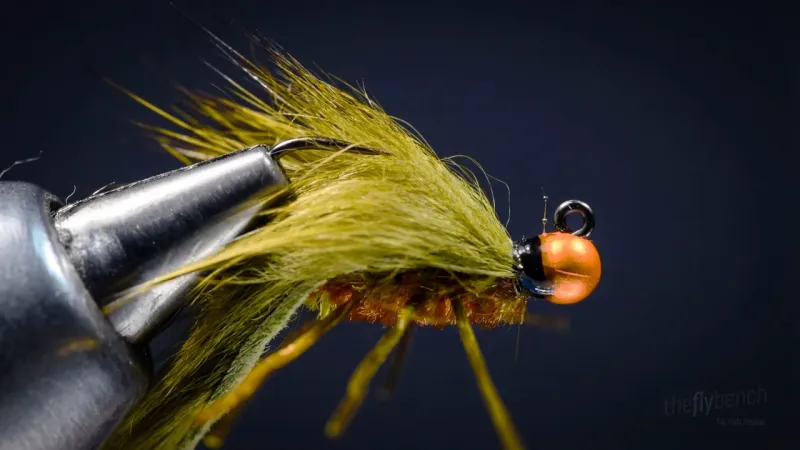
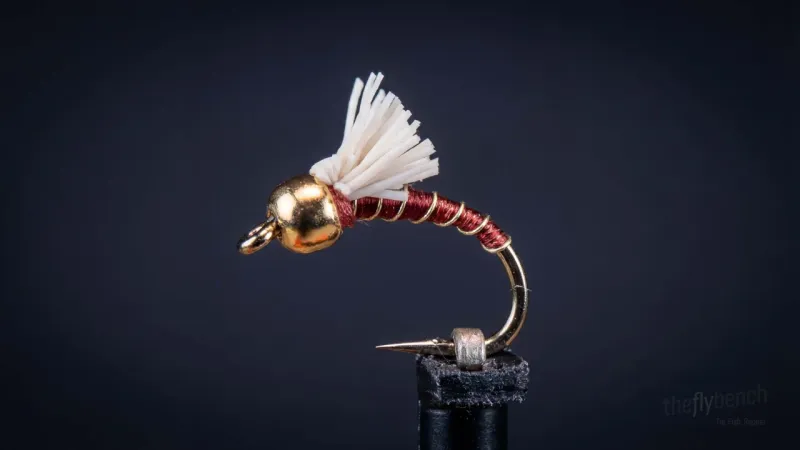
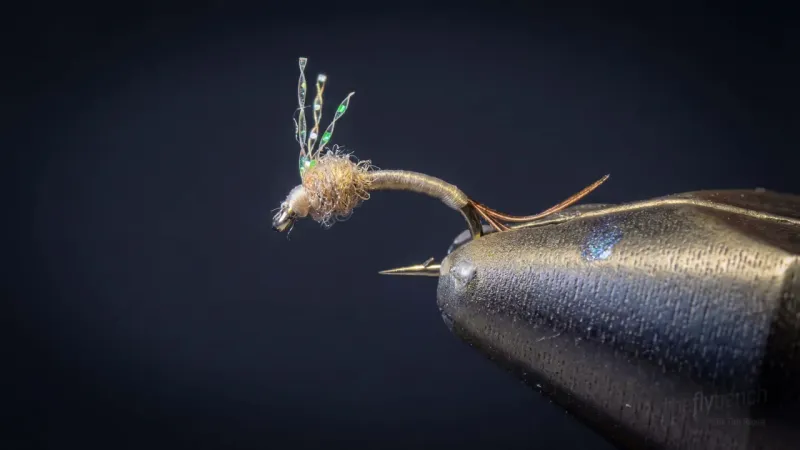
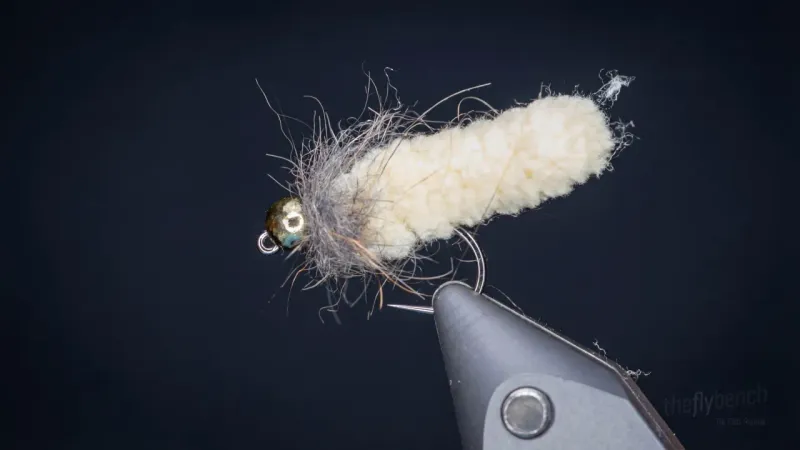
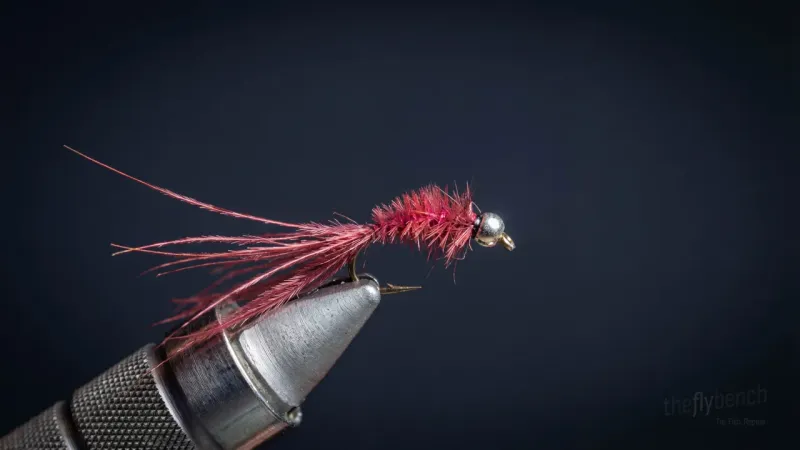
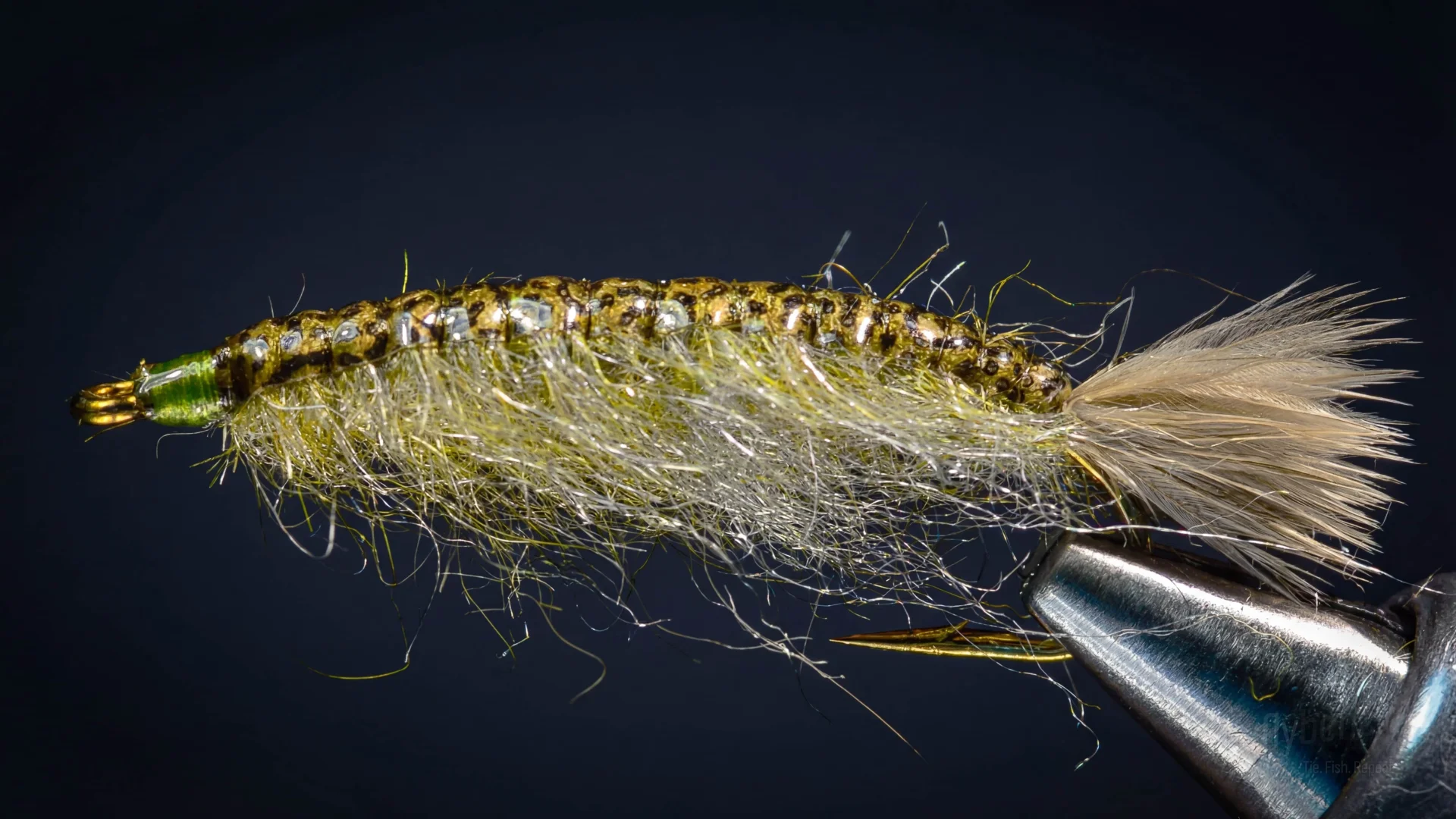
John Barr's realistic imitation of cranefly larvae, one of the most underutilized food sources in trout streams. This substantial nymph pattern features a segmented body created with Thinskin over dubbing, producing the distinctive translucent appearance of natural cranefly larvae. The weighted design allows the fly to quickly reach the stream bottom.
Spring, Summer, Fall
Intermediate
Trout
Dec 2025
Overview
This Charlie Craven pattern from Charlie's Fly Box developed in the 1990s showcases John Barr's talent for creating effective imitative patterns that fill overlooked niches in the trout's diet. Cranefly larvae are among the largest aquatic invertebrates available to trout, yet few anglers carry an effective imitation. The Thinskin body creates the segmented, semi-translucent look of the natural while the sow scud dubbing provides the fuzzy texture that makes these larvae so recognizable. Tied in sizes 4-8 to match the substantial size of natural cranefly larvae.
Materials
Hook: Tiemco 200R, #4
Thread: Danville 3/0 Monocord, olive
Weight: Lead Wire, .030"
Tail: Marabou, olive or tan
Rib: Mono/Tippet, 3X
Body: Thinskin, tan fly specks
Casing: Sow Scud Dubbing, olive or tan
Behavior & Presentation
Natural Behavior: Crane fly larvae burrow in saturated bank soils and root mats along stream margins, feeding on decaying vegetation. When floods erode banks, larvae flush into currents where their wriggling bodies and bright colors make them conspicuous, high-calorie targets for opportunistic trout.
Where Trout Eat It: Runoff erodes banks and flushes terrestrial crane fly larvae into main current. Trophy trout hold in bank-adjacent deep runs, intercepting oversized larvae (up to 50mm) tumbling from saturated soils.
How to Fish It: Dead drift deep with heavy split shot or indicator. Keep the fly bouncing along bottom near banks—larvae have zero swimming ability.
Best Water: Focus on eroding outside bends with undercut banks during runoff in 3-8 foot depths.
Strike Type: Large trout grab this substantial pattern confidently, producing indicator plunges or sudden line straightening under tension. The lead-weighted body means strikes feel distinctly different from bottom bounces—fish takes create sustained pulls rather than momentary ticks.
Fishing Strategy
Rigging Suggestions: Fish as a point fly in a multi-fly nymph rig or as a single fly on a tight-line setup. Use adequate weight to keep the fly in the strike zone along the bottom at depths of 3-8 feet.
Seasonal Timing: Most effective March through October when cranefly larvae are active in the substrate. Peak productivity occurs during April-May and September-October.
Pro Tips: This is a subsurface pattern designed to sink quickly to the stream bottom. The tan coloration blends naturally with the substrate while the segmented body creates a lifelike silhouette that larger trout find appealing.
Entomology
Crane fly larvae inhabit saturated streambank soils and submerged root mats along margins, using muscular contractions to wriggle through organic debris while feeding on decaying vegetation. Spring floods erode banks and flush these larvae into main current channels where their lack of swimming ability and bright coloration makes them conspicuous targets, and their substantial size (up to 50mm in mature Tipula species) provides exceptional caloric return that justifies aggressive feeding responses from large predatory trout.
- Order
- Diptera
- Family
- Tipulidae
- Common Name
- Crane Fly
- Organism Type
- insect
- Life Stage
- larva