


Overview
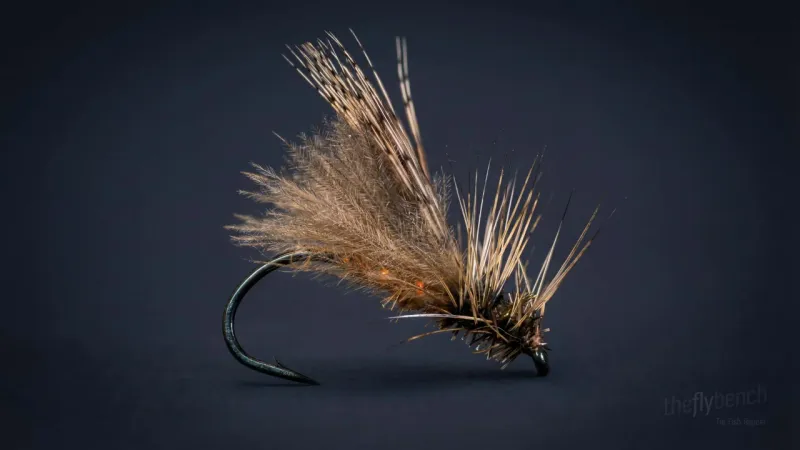
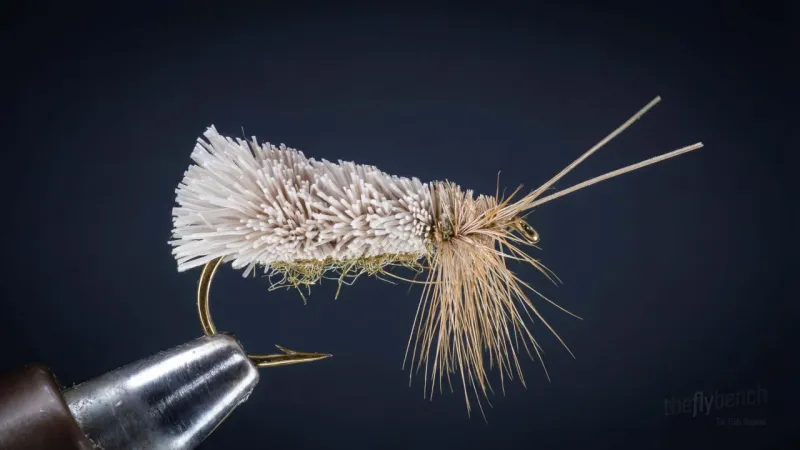
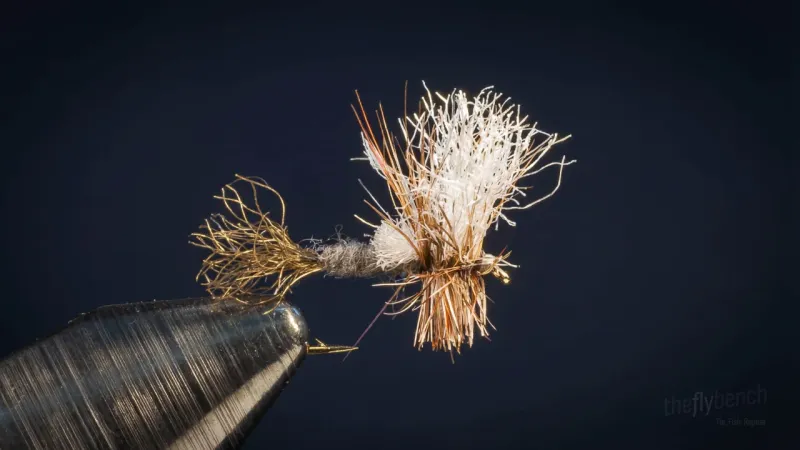
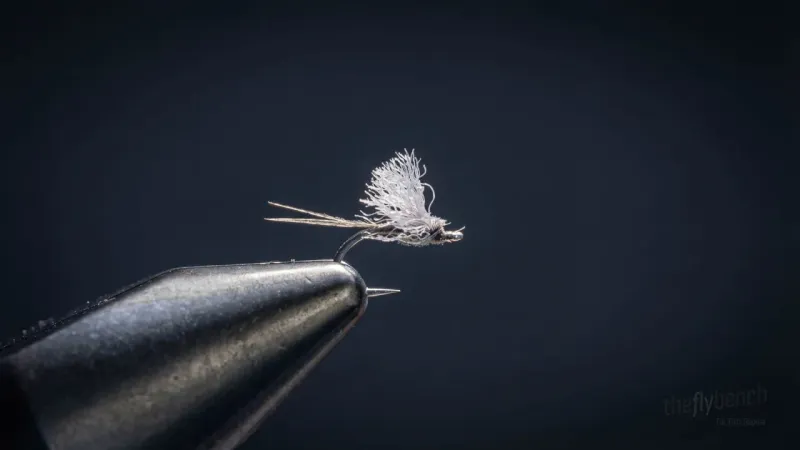
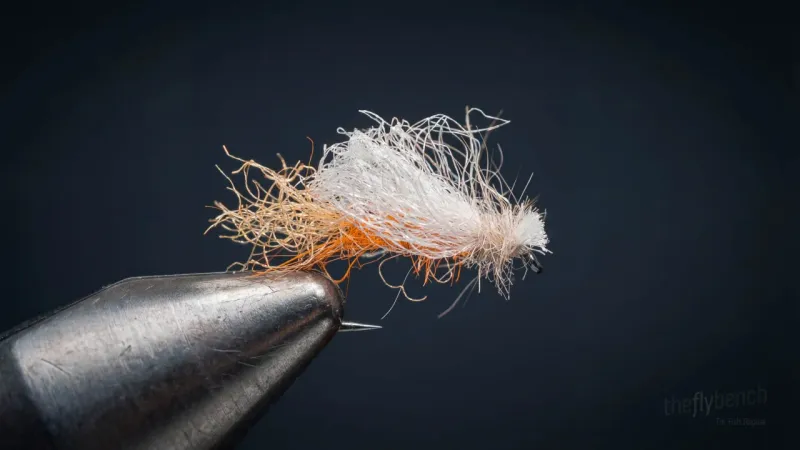
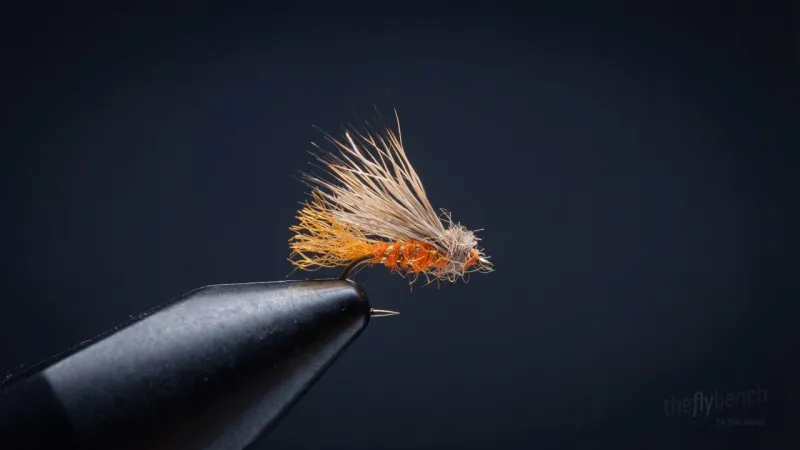
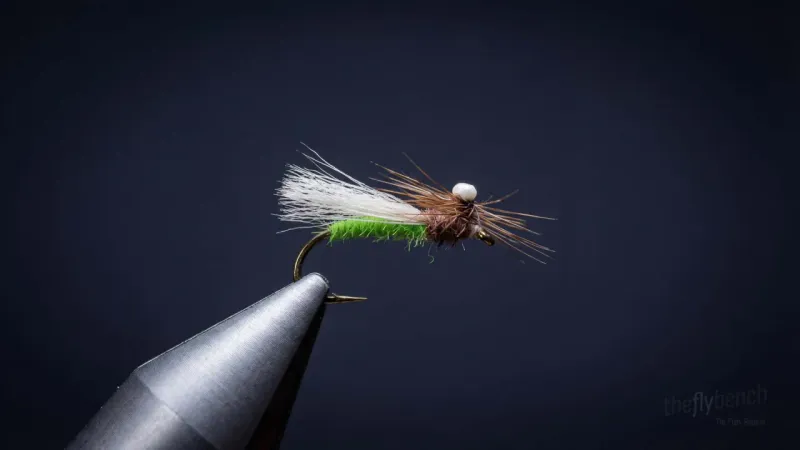
This pattern from Barry Ord Clarke combines traditional deer hair techniques with modern synthetic wings for a highly effective October caddis imitation. The CDC underwing adds movement and aids floatation while the wonder wings provide a realistic wing profile. The spun deer hair hackle creates a robust pattern that handles rough water. The moose hair antennae add realism without compromising durability.
Related patterns
Behavior & presentation
- Natural Behavior
- Large October caddis emerge during fall, fluttering clumsily with bright orange bodies that signal the final major hatch before winter. These oversized adults provide critical pre-spawn calories for aggressive trout.
- Where Trout Eat It
- Fish intercept caddis along foam lines, in runs, and at riffle edges where large adults collect after emergence efforts.
- How to Fish It
- Dead drift or add downstream twitches to simulate struggling adults attempting escape from water surface.
- Best Water
- Target foam lines in runs, riffle edges where current slows, and tail-outs that concentrate drifting adults.
- Strike Type
- Violent splashy rises indicate fish attacking large food items with aggressive, confident takes.
Fishing strategy
- Rigging Suggestions
- Use 9-foot leaders tapered to 3X or 4X tippet—the large fly and aggressive takes allow for heavier tippet. Fish as a single dry or use as a lead fly with a small nymph dropper.
- Seasonal Timing
- Primarily October caddis hatches from September through November. Peak activity typically occurs in late afternoon and evening.
- Pro Tips
- Rides high and visible even in broken water. The light-colored wonder wings make tracking easy in varied light conditions.
Where to fish it
Rivers anglers pair with this fly, with local shops that stock it.
River details and fly shops from River & Run, our sister site.
Entomology
Large October caddis adults emerge in fall, fluttering clumsily over the water with bright orange bodies that signal their seasonal peak abundance. Trout aggressively pursue these oversized caddisflies because they represent the final major insect hatch before winter, offering critical pre-spawn caloric loading opportunities.
- Order
- Trichoptera
- Family
- Limnephilidae
- Common name
- October Caddis
- Organism
- insect
- Life stage
- adult
Pattern details
- Moving Water
- Pacific Northwest
- dead-drift
- caddis-hatch
- classic
- modern
- searching-pattern
- freestone