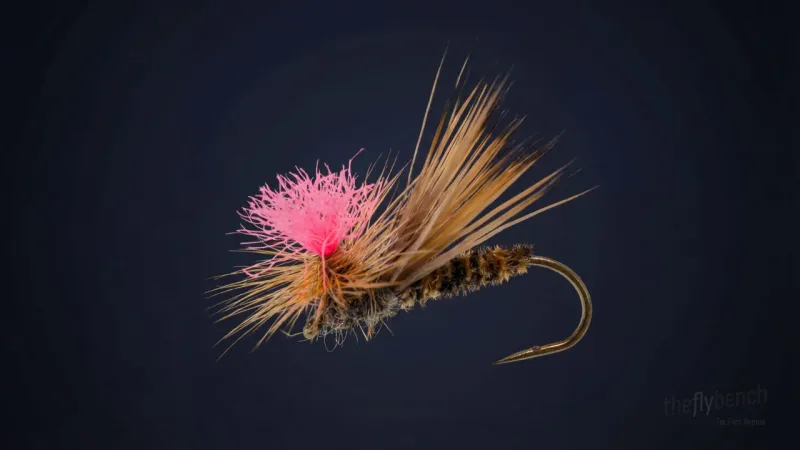
Dry FliesGerbec's Resting Caddis
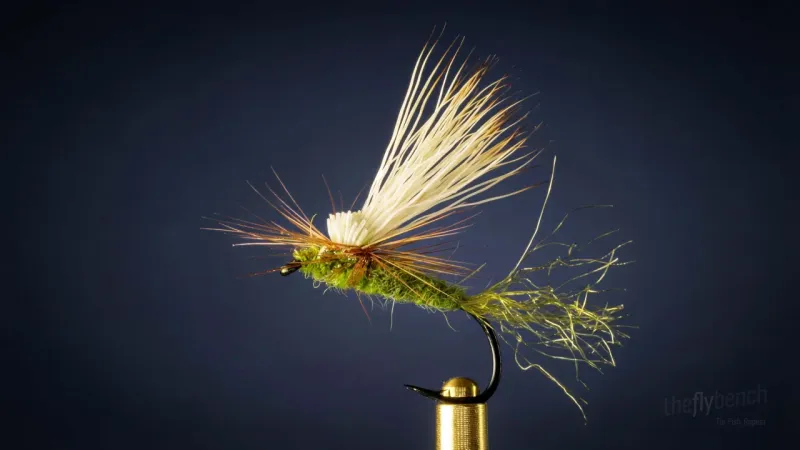
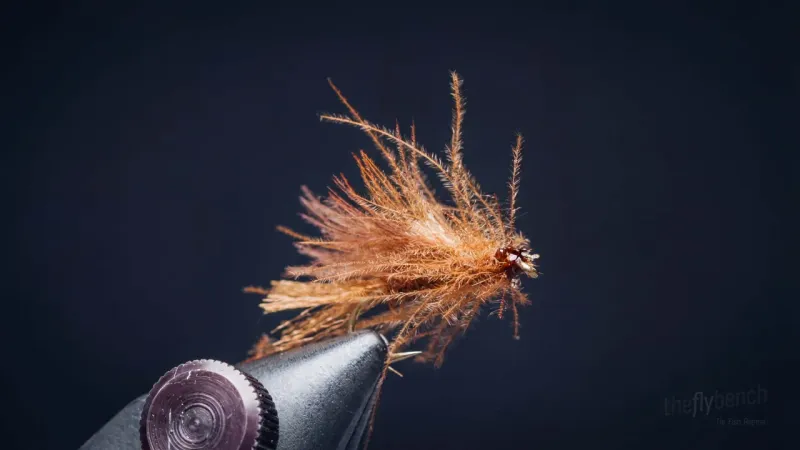
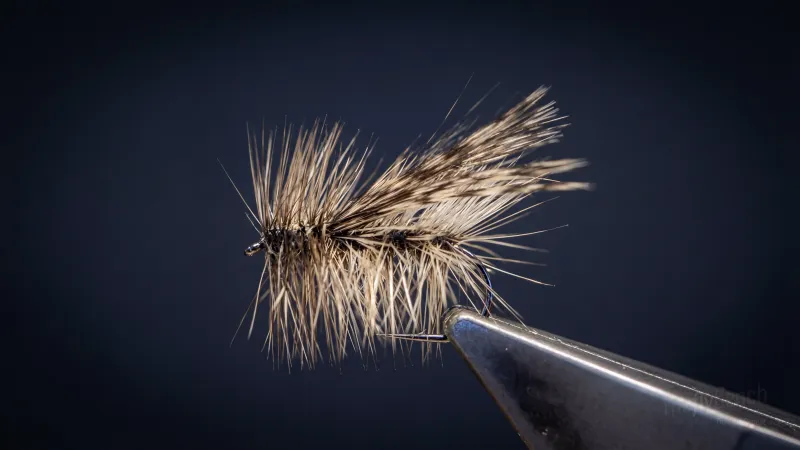
Gerbec's Resting Caddis is a sophisticated dry fly pattern designed by Alec Gerbec to fool selective trout during caddis hatches. This pattern employs the challenging but effective Wally wing technique using mallard flank feathers to create incredibly realistic tent-shaped wings. The CDC underwing enhances the silhouette and improves floatation, while the curved hook and trimmed hackle collar ensure the fly sits low in the surface film like a natural caddis at rest.
Spring, Summer, Fall
Advanced
Trout
Dec 2025
Overview
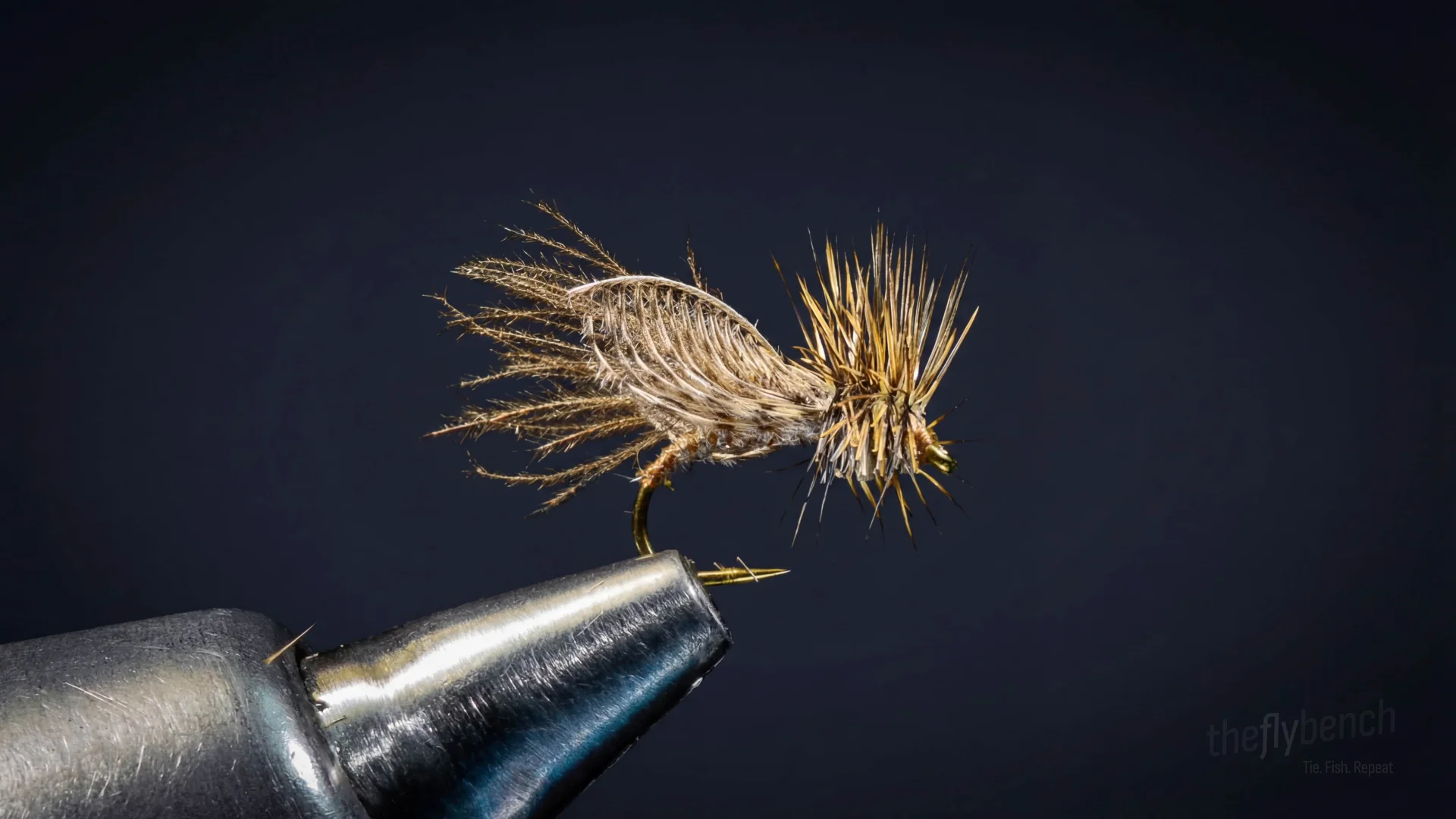
This Charlie Craven pattern from Charlie's Fly Box showcases Alec Gerbec's innovative approach to caddis imitations. Gerbec, a guide with experience from Colorado rivers to Alaska lodges to the Seychelles, developed this pattern on the upper Sacramento River to fool caddis-eating trout that rejected traditional offerings. The key innovation is the Wally wing technique using soaked mallard flank feathers - the soaking process softens the center quill and makes the "peeling" technique work smoothly. The thread tag end serves as the body rib, and the natural speckling of mallard flank provides perfect color variation for imitating various caddis species.
Materials
Hook: Umpqua XC300, #10-18
Thread: Veevus 14/0, brown
Body: Superfine Dubbing, tan
Underwing: CDC, natural
Wing: Mallard Flank Feather (Wally wing)
Hackle: Rooster Saddle, grizzly
Behavior & Presentation
Natural Behavior: Exhausted caddis adults fall back to the water after failed landing attempts or during wind events, collapsing with wings splayed flat against the surface. These spent insects drift passively in the film with no escape behavior, their bodies riding low with tent-shaped wings spread sideways in the defeated posture of dying or egg-depleted females unable to maintain flight.
Where Trout Eat It: Trout sip resting caddis in Colorado River, Sacramento River, and South Platte technical waters where selective fish scrutinize dead-drifting adults. The trimmed hackle and CDC underwing create low profile that sits flush in surface film in calm water.
How to Fish It: Dead drift through calm water where the curved hook and trimmed hackle collar sit low on the water. The mallard wally wings create splayed-out profile of laid-out adult caddis on surface for technical presentations.
Best Water: Fish slicker water in upper Sacramento River, Colorado River, and South Platte, targeting glassy tail-outs, slicks, and slow glides where trout eyeball surface food closely.
Strike Type: Expect confident sips and quiet rise forms—selective fish in calm water inhale resting caddis with barely a ripple, requiring visual focus on the fly itself rather than dramatic surface disturbance.
Fishing Strategy
Rigging Suggestions: Fish on a 9-12 foot leader tapering to 5X-6X tippet. The delicate presentation required matches the technical water this fly excels in.
Seasonal Timing: through fall caddis hatches. Caddis activity typically begins in April and continues through fall, with evening hatches being particularly productive.
Pro Tips: The grizzly hackle collar is trimmed to allow the fly to ride low in the film. The inherent speckling of mallard flank matches natural caddis wing coloration.
Entomology
Post-emergence caddisflies seek streamside vegetation where they rest with characteristic tent-shaped wings, occasionally falling back to the water during wind events or failed landing attempts. These resting adults drift passively with no escape behavior, riding low in the surface film with wings collapsed alongside the body. Their defeated posture and lack of movement signal exhausted or dying insects, prompting confident surface takes from opportunistic feeders throughout the day.
- Order
- Trichoptera
- Common Name
- Caddisfly
- Organism Type
- insect
- Life Stage
- adult