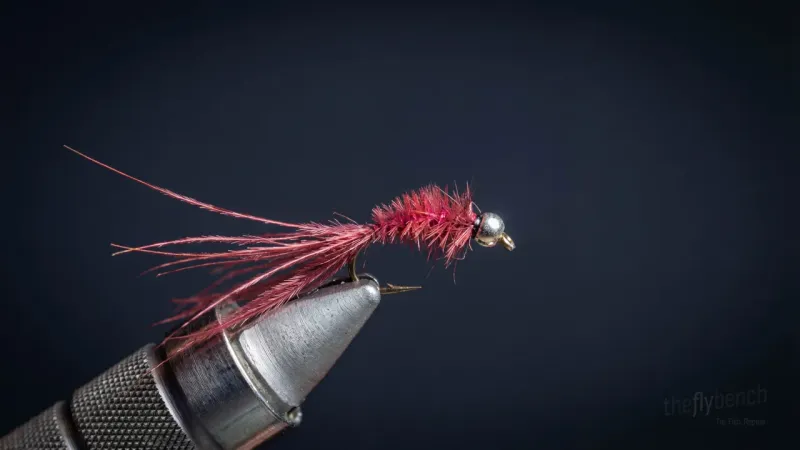
NymphWiggle Damsel
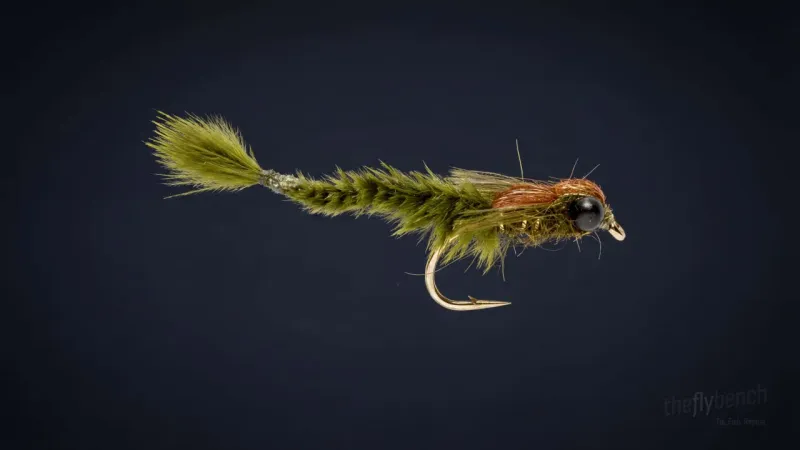
The Wiggle Damsel is Charlie Craven's articulated damselfly nymph pattern that features a two-section body connected by monofilament for remarkable swimming action. This pattern mimics the distinctive undulating movement of damselfly nymphs as they swim toward shore to emerge, triggering aggressive strikes from cruising trout.
Spring, Summer
Intermediate
Trout
Dec 2025
Overview
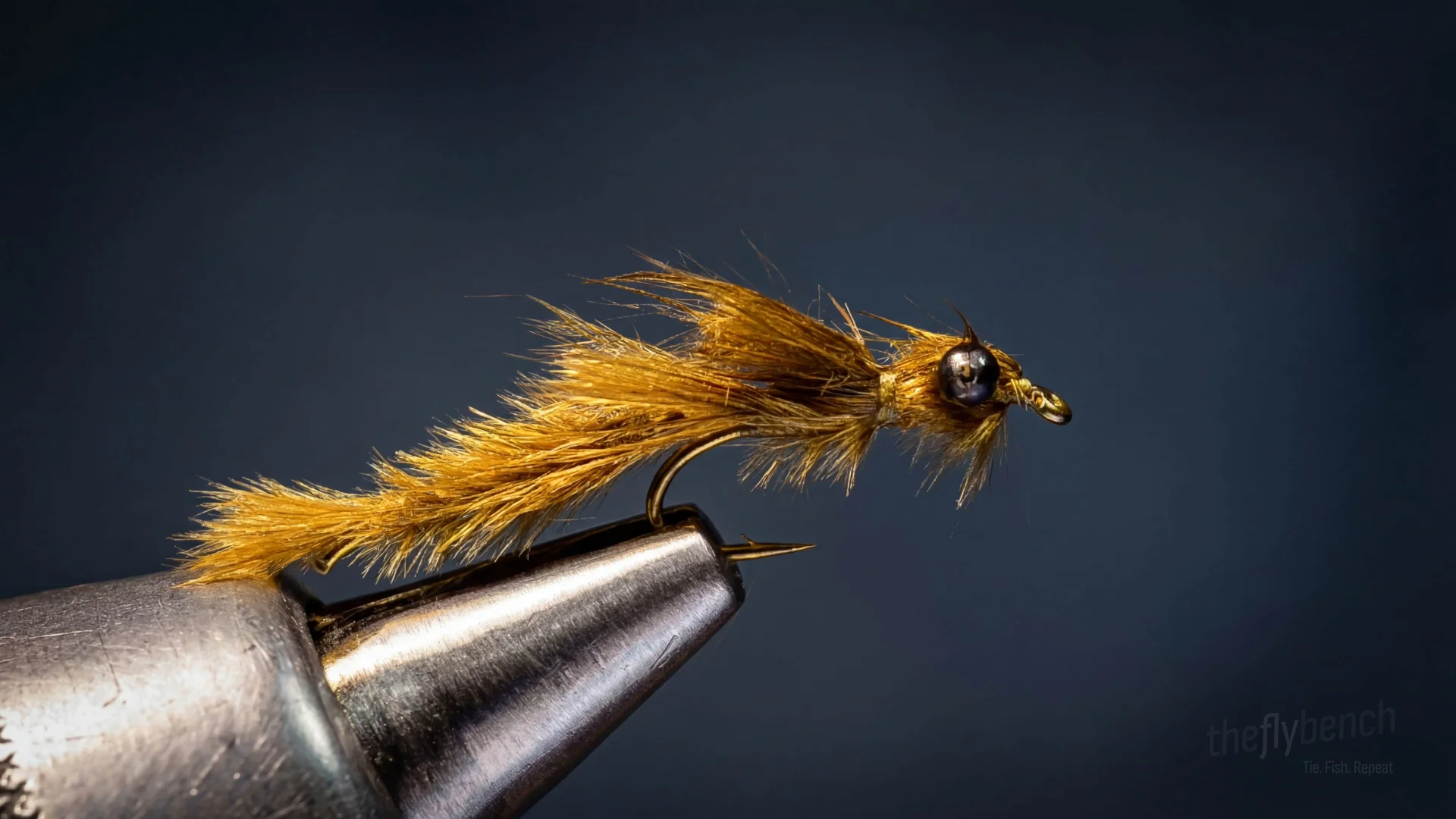
This Charlie Craven pattern from Charlie's Fly Box showcases the effectiveness of articulated designs for imitating swimming insects. The two-section body connected by monofilament creates the distinctive side-to-side swimming motion that damselfly nymphs exhibit as they migrate toward shore to emerge. The olive marabou provides both realistic coloration and natural movement in the water. The bead chain eyes add weight to help the pattern sink and give it a lifelike jigging action.
Where to Buy This Fly
We only link to fly shops we trust. Some links are referral links, which may earn us a commission at no extra cost to you.
Materials
- Hook:
- Tiemco 3769 or 3761, #14 (rear); Tiemco 101, #14 (front)
- Thread:
- UNI 8/0, olive dun
- Eyes:
- Bead Chain, x-small, black
- Tail:
- Marabou, olive
- Body:
- Marabou, olive
- Connection:
- Tippet, 3X
Behavior & Presentation
Natural Behavior: Damselfly nymphs swim with sinuous serpentine movements through weed beds and open water, undulating their elongated bodies rhythmically toward shore during emergence migrations. Their animated swimming triggers aggressive strikes from cruising trout.
Where Trout Eat It: Fish cruise drop-offs and weed edges in lakes and ponds, intercepting damsel nymphs during their shoreward migration swims.
How to Fish It: Strip slowly toward shore with pauses allowing the articulated body to wiggle enticingly, mimicking natural swimming motion.
Best Water: Work weed edges where nymphs migrate, drop-offs along vegetation transitions, and shoals near emergence zones.
Strike Type: Expect aggressive strikes often felt as solid grabs during the retrieve or pause.
Fishing Strategy
Rigging Suggestions: Fish on a floating or intermediate sinking line with 12-15 foot leader tapering to 4X-5X fluorocarbon. The two-hook design requires careful casting to avoid tangles.
Seasonal Timing: Most effective during when damselfly nymphs are active and migrating to shore for emergence. Prime time is late morning through afternoon when nymphs are most active.
Pro Tips: The olive coloration matches natural damselfly nymphs while the marabou provides lifelike movement. The articulated design creates an irresistible swimming action that draws strikes from cruising trout.
Entomology
Damselfly nymphs propel themselves through stillwater environments with sinuous, serpentine swimming strokes, moving between weed beds and shoreline structure in distinctive undulating motions. Their elongated bodies and animated swimming action trigger aggressive strikes from lake-dwelling trout, especially during late spring and summer when damsel migrations peak.
- Order
- Odonata
- Family
- Coenagrionidae
- Common Name
- Damselfly
- Organism Type
- insect
- Life Stage
- nymph