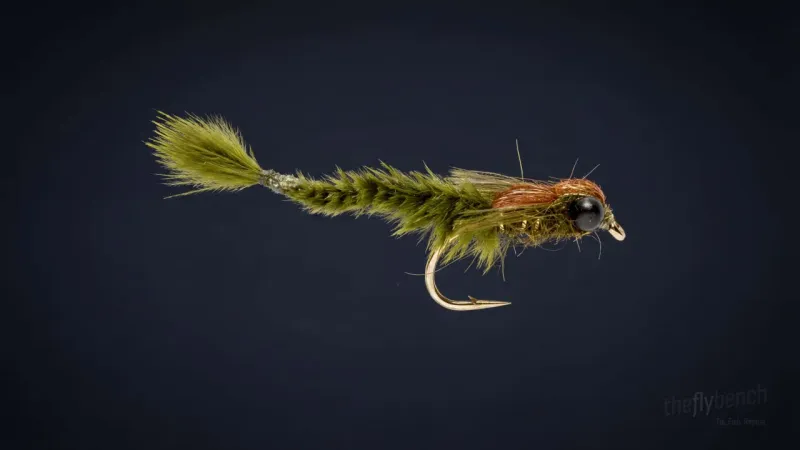
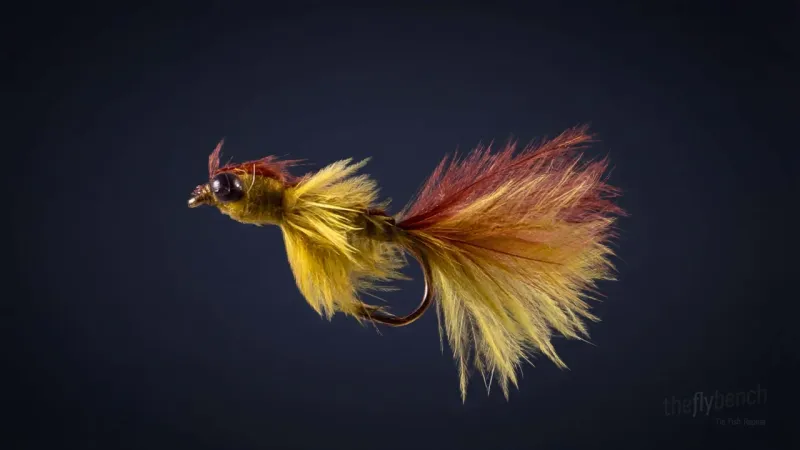
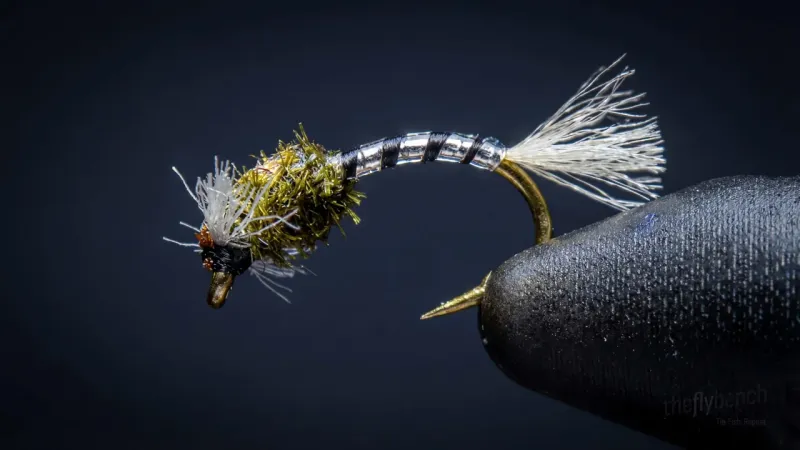
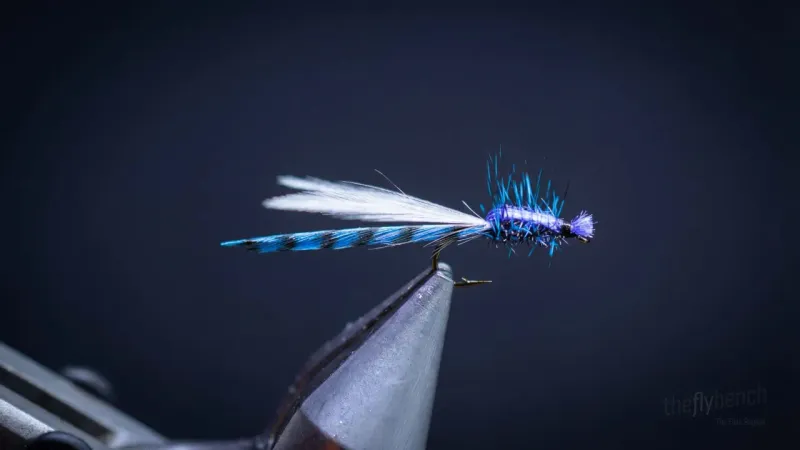
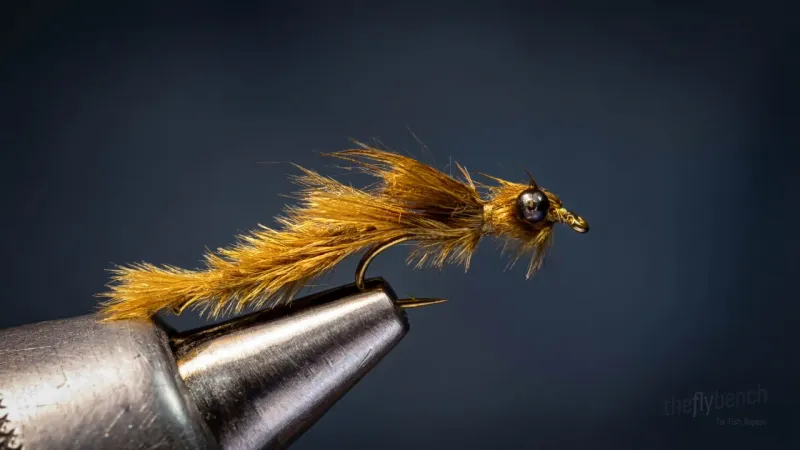
NymphKILLER Balanced Damsel
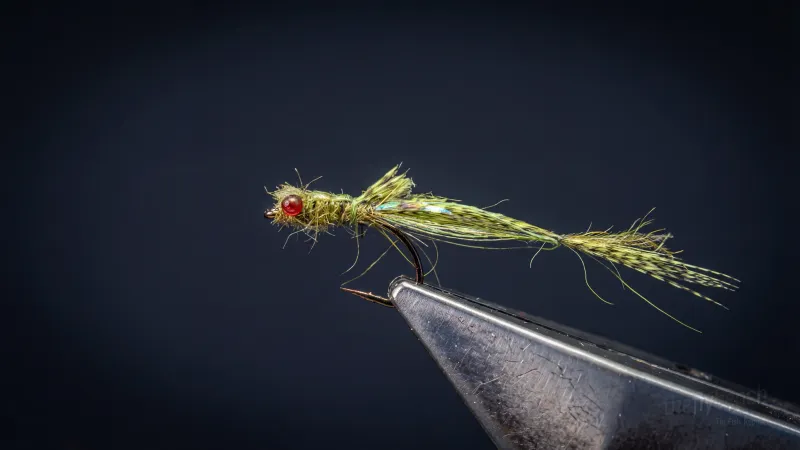
Balanced damsel pattern from Fly Fish Food is one of their favorite patterns for imitating damselfly nymphs in stillwater. This updated version has been refined for improved effectiveness while maintaining the balanced design that presents the fly horizontally in the water column, mimicking how natural damsel nymphs swim.
Spring, Summer, Fall
Advanced
Trout
Dec 2025
Overview
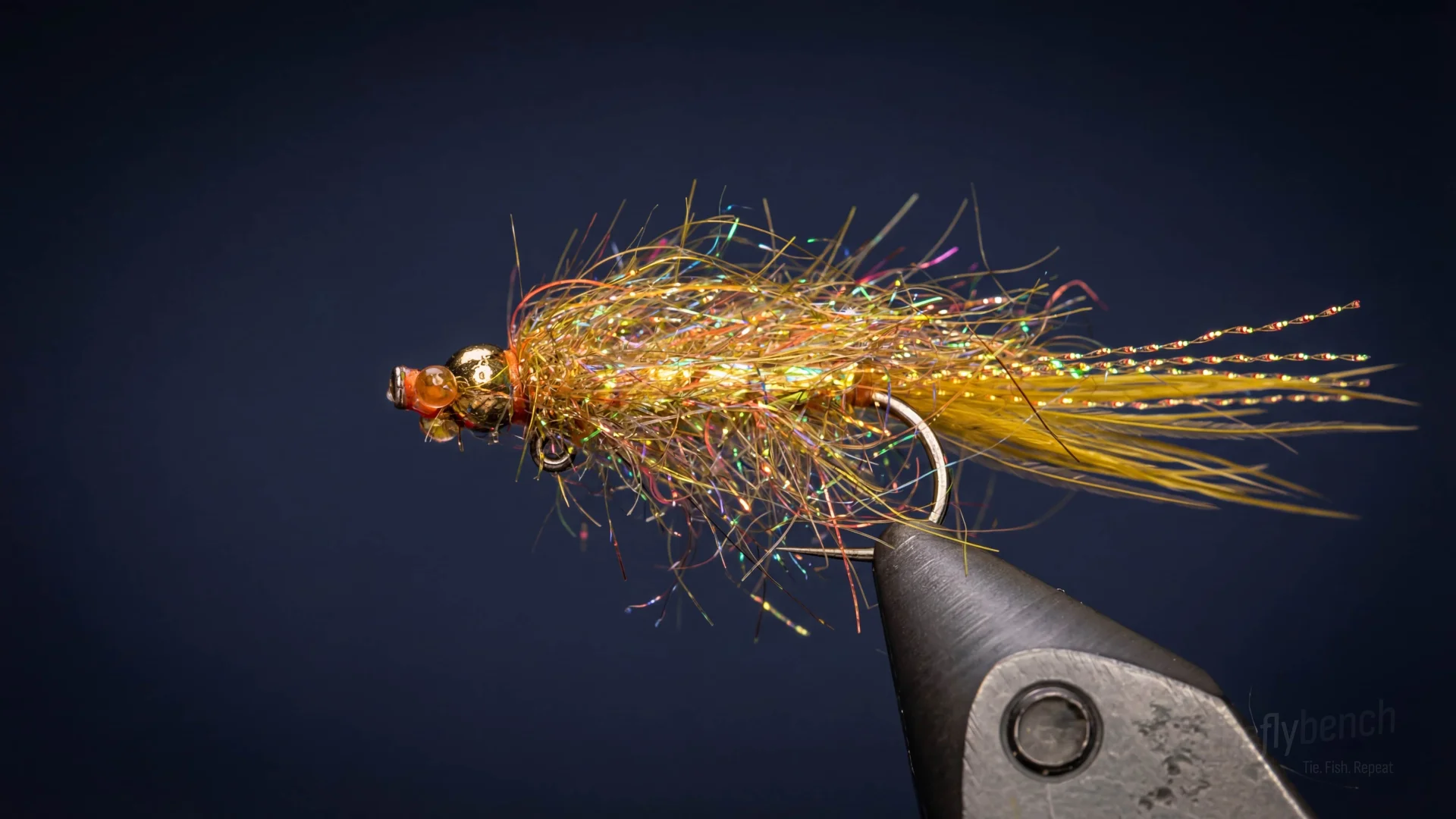
This Fly Fish Food pattern developed in the 2010s has accounted for a good number of fish on local stillwaters. The balanced design allows the fly to hang horizontally when fished under an indicator, presenting a natural damsel nymph profile. These flies can also be stripped on sinking lines, making them versatile for various stillwater presentations. The UV-enhanced olive marabou provides excellent visibility while the Ice Dub and Simi Seal create a translucent body that matches natural damsel nymphs.
Where to Buy This Fly
We only link to fly shops we trust. Some links are referral links, which may earn us a commission at no extra cost to you.
Materials
- Hook:
- Fulling Mill 5045 Jig Force Barbless or Hanak H 400 BL, #10-14
- Thread:
- UTC 140 Denier, burnt orange
- Pin:
- Sewing pin
- Bead:
- Tungsten bead, 1/8" (3.2mm)
- Tail:
- Strung marabou, fluorescent damsel nymph olive (UV)
- Underbody:
- Mirage Tinsel, opal, large
- Body:
- Ice Dub (golden brown) and Arizona Simi Seal (Canadian brown and Canadian olive)
Behavior & Presentation
Natural Behavior: Damselfly nymphs swim using distinctive side-to-side undulations through vegetation, propelled by three leaf-like tail gills. Their elongated bodies and swimming motion are highly visible in weedy lake environments. Abundance and predictable emergence timing make them dietary staples during May-June hatches.
Where Trout Eat It: Fish intercept swimming nymphs at mid-column depths in weedy areas and shallow shoals of 2-8 feet. Focus on weed edges where nymphs migrate toward shore.
How to Fish It: Suspend under indicators at 3-12 feet or retrieve with slow 3-6 inch strips on sinking lines. The balanced design creates natural swimming motion.
Best Water: Target weed edges, shoals, grass edges, and structural transitions in lakes with healthy damselfly populations.
Strike Type: Steady pull or line draw as trout intercept swimming nymphs mid-column.
Fishing Strategy
Rigging Suggestions: Fish on 12-15ft 5X-6X fluorocarbon tippet under an adjustable indicator. During hatches, concentrate on shallow water where nymphs migrate toward shore to emerge.
Seasonal Timing: Most effective April through October during spring, summer, and fall when damselfly nymphs are active, with peak effectiveness May-June during damsel emergence when water temperatures reach 60-70°F because trout key in heavily on these nymphs during this period. Select this pattern during damsel hatches (typically late morning 10am-2pm) or when you observe damsel nymphs swimming in the shallows. Also effective as a searching pattern during warmer months.
Pro Tips: The UV-enhanced olive marabou provides excellent visibility while the Ice Dub and Simi Seal create a translucent body that matches natural damsel nymphs. The tungsten bead ensures proper sink rates while maintaining the horizontal presentation.
Entomology
Damselfly nymphs swim with distinctive side-to-side undulations through aquatic vegetation, using their three leaf-like tail gills for propulsion. Trout hunt these elongated nymphs because their swimming motion is highly visible and they're abundant in weedy lake environments.
- Order
- Odonata
- Family
- Coenagrionidae
- Common Name
- Damselfly
- Organism Type
- insect
- Life Stage
- nymph