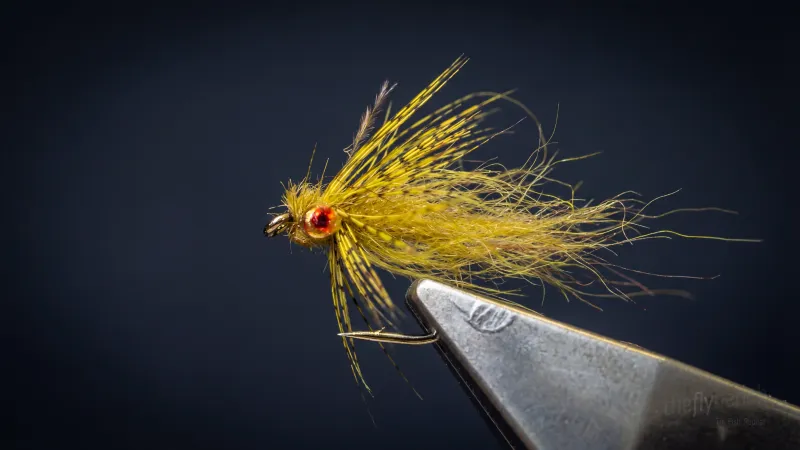
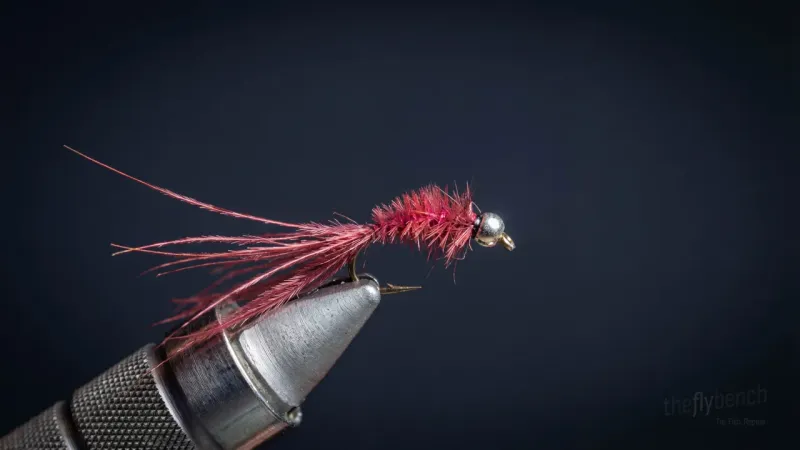
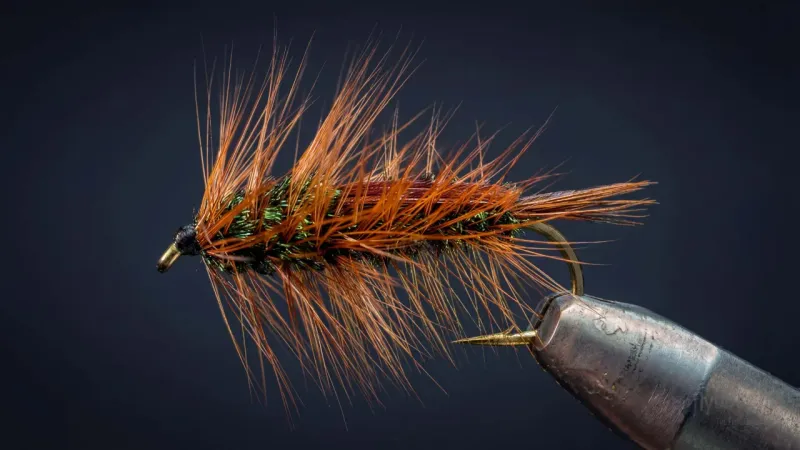
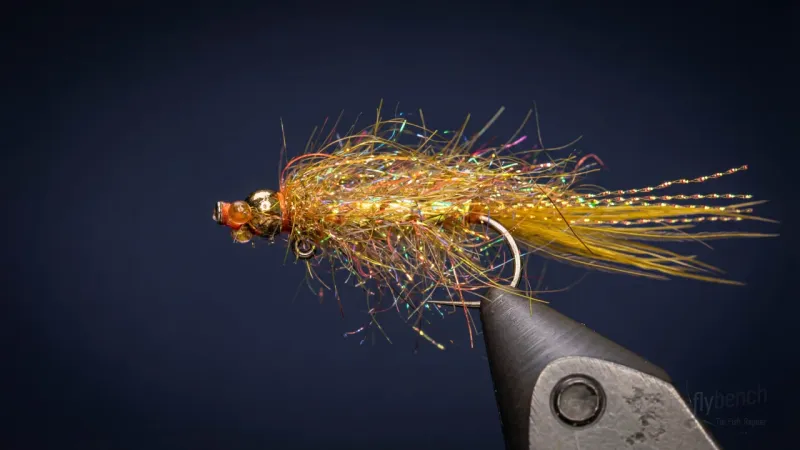
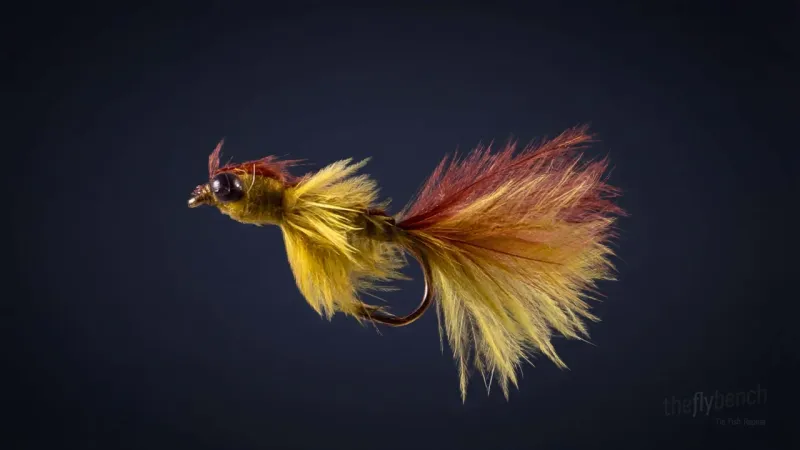
NymphDamsel Fly
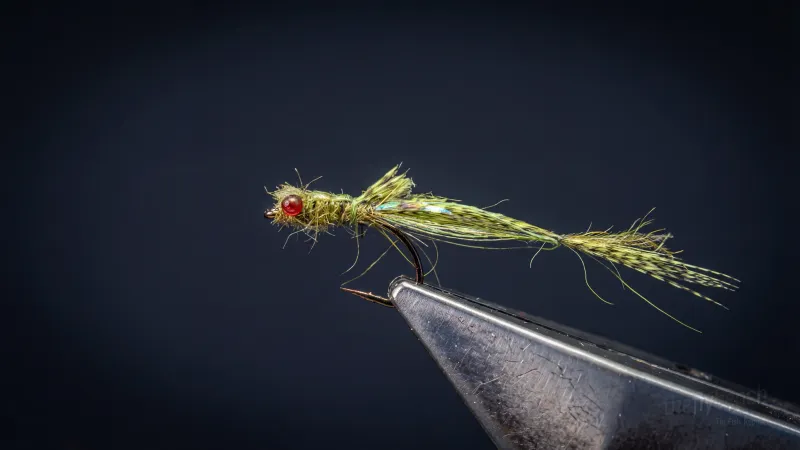
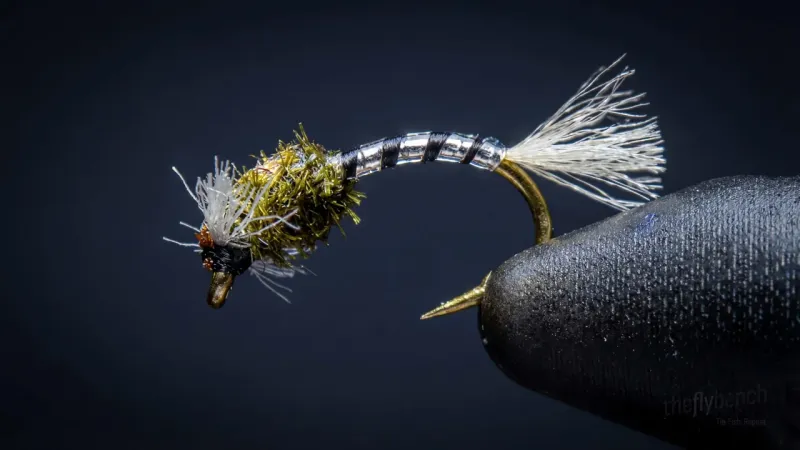
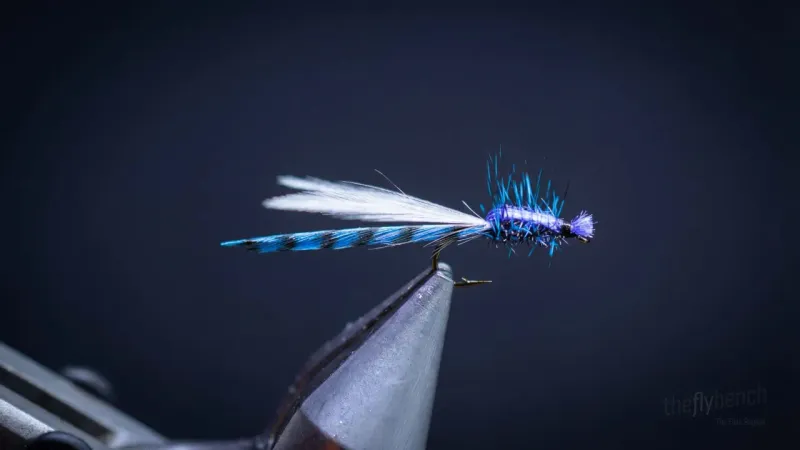
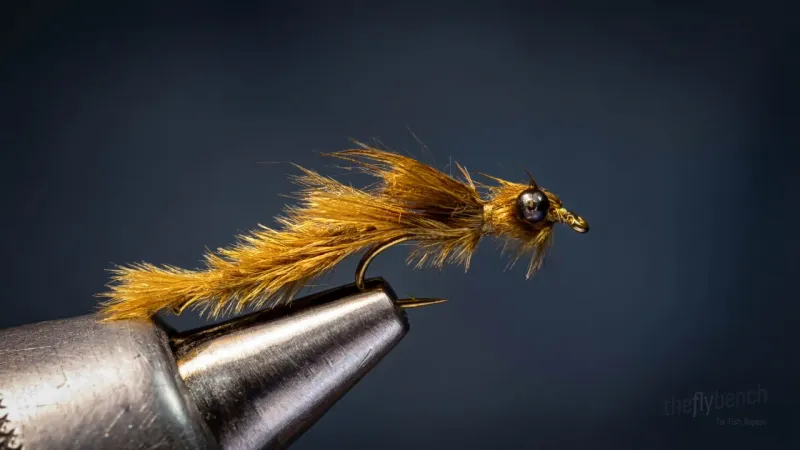
The Damsel Fly pattern imitates the damselfly nymph, a favorite food for many species of fish. Its marabou tail and rubber legs create a lifelike movement in the water, triggering aggressive strikes from predatory fish.
Spring, Summer
Intermediate
Trout, Bass
Apr 2025
Overview
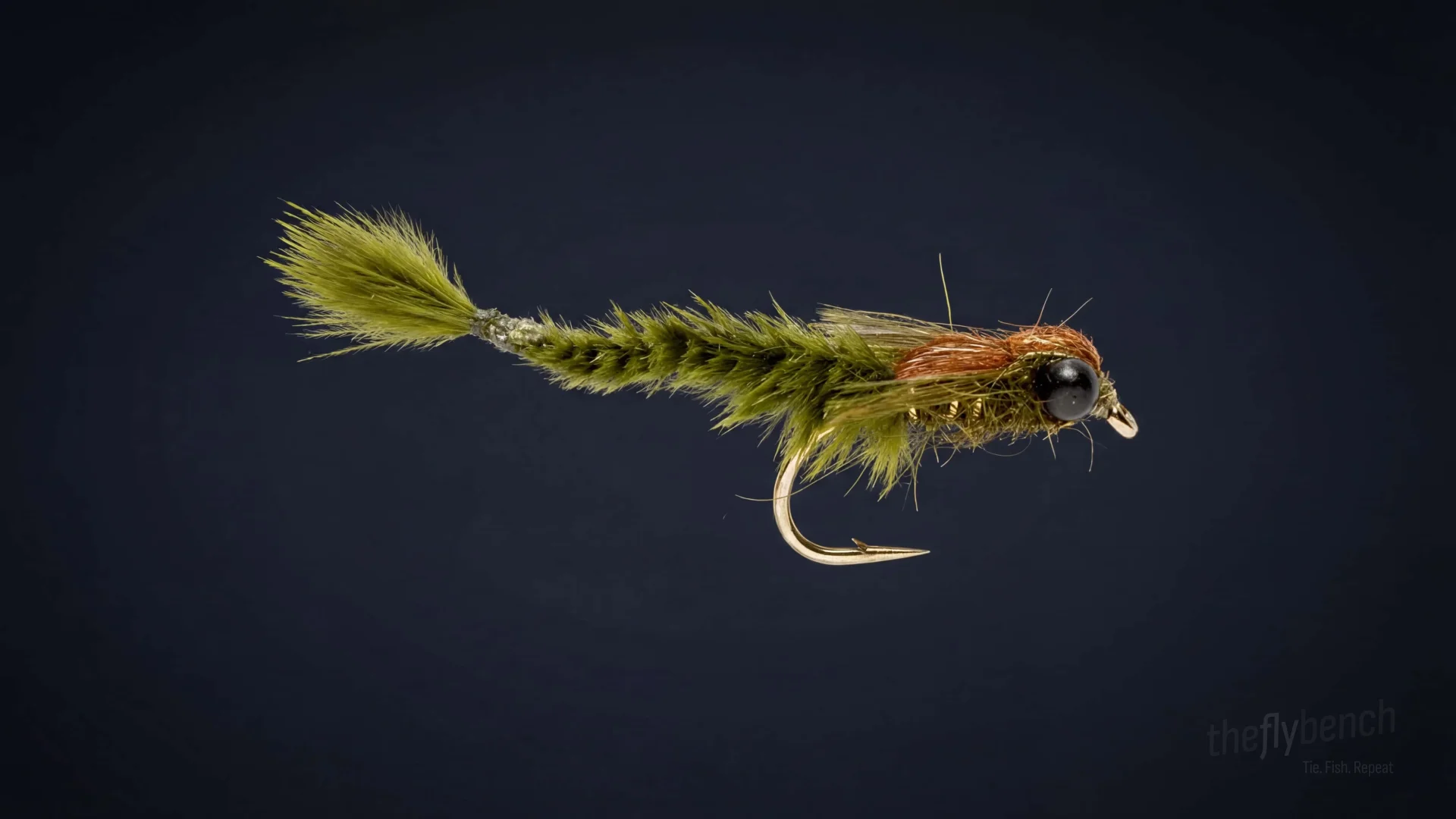
This stillwater nymph uses a marabou tail, dubbed or woven body (in olive or tan), mono or wire ribbing, and bead chain or small dumbbell eyes. The marabou gives it a seductive swimming motion when retrieved slowly near weed beds.
Where to Buy This Fly
We only link to fly shops we trust. Some links are referral links, which may earn us a commission at no extra cost to you.
Materials
- Hook:
- Tiemco 3761, size #10–#14
- Thread:
- Olive Dun Uni-Thread 8/0
- Eyes:
- Medium black bead chain
- Tail:
- Olive marabou
- Body:
- Olive chenille
- Shellback:
- Olive Thin Skin
- Legs:
- Barred rubber legs
- Antennae:
- Olive marabou
- Coating:
- Solarez Bone Dry UV resin
Behavior & Presentation
Natural Behavior: Damselfly nymphs swim with distinctive lateral undulations through aquatic vegetation in stillwaters, propelling themselves in short bursts using caudal gills that pulse rhythmically. Fish in lakes and ponds key heavily on migrating damsels during late spring and early summer when nymphs abandon the safety of weeds to swim toward shore for emergence, creating predictable feeding opportunities along drop-offs and weed edges.
Where Trout Eat It: Trout intercept migrating damsel nymphs along drop-offs, weed edges, and shoal transitions at 2-10 feet deep during late spring when nymphs swim toward shore for emergence.
How to Fish It: Slow hand-twist retrieve (one inch per second) with occasional side-to-side rod twitches and 2-3 second pauses. Short quick jerks every 20-30 seconds imitate crawling amongst weeds.
Best Water: Weed edges bordering drop-offs where damsels migrate from deep vegetation, and shoal transitions between depths.
Strike Type: Stillwater trout inhale this pattern during the slow retrieve, producing a steady draw that gradually loads the rod rather than a sharp strike—maintain retrieve until weight confirms.
Fishing Strategy
Rigging Suggestions: Fish this pattern on a floating line with a long leader and tippet. A slow retrieve will help to imitate the swimming motion of the natural insect.
Seasonal Timing: and Use this pattern during a damselfly hatch or as a searching pattern in lake environments. It can also be effective in moving water near the banks.
Pro Tips: The Damsel Fly is a sinking pattern. Its olive color helps it blend in with the natural environment, and the bead chain eyes help it sink to the right depth. The Solarez Bone Dry UV resin coating adds shine and durability to the fly.
Entomology
Damselfly nymphs swim with distinctive lateral undulations through aquatic vegetation in stillwaters, propelling themselves in short bursts using caudal gills that pulse rhythmically. Fish in lakes and ponds key heavily on migrating damsels during late spring and early summer when nymphs abandon the safety of weeds to swim toward shore for emergence, creating predictable feeding opportunities along drop-offs and weed edges.
- Order
- Odonata
- Family
- Coenagrionidae
- Common Name
- Damselfly
- Organism Type
- insect
- Life Stage
- nymph