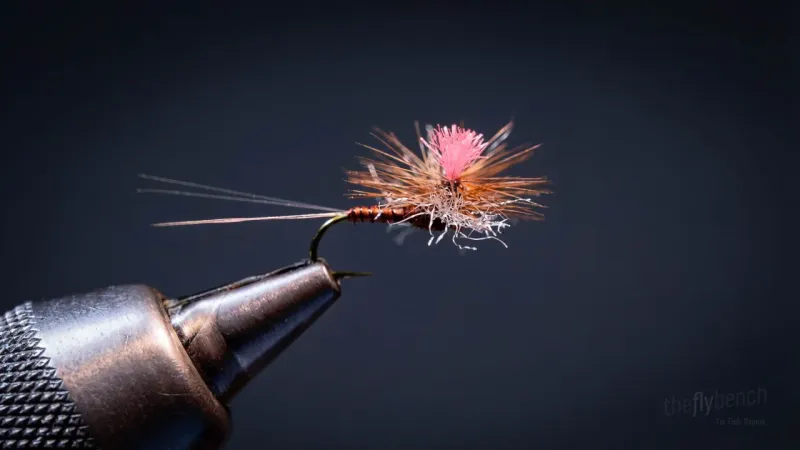
NymphHalfback Nymph
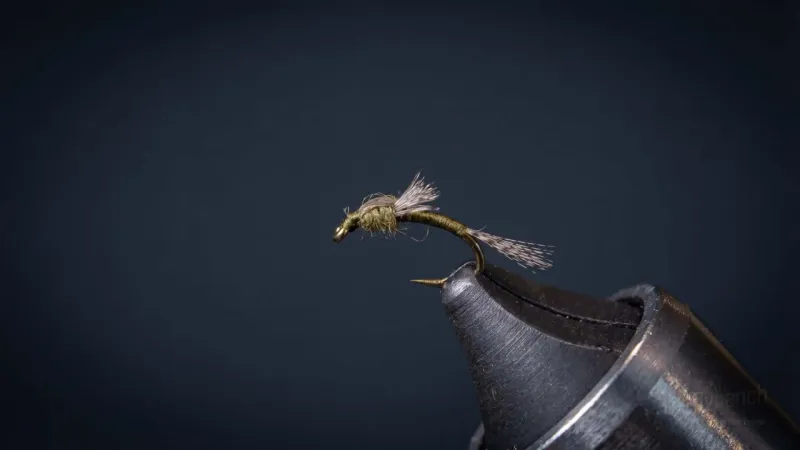
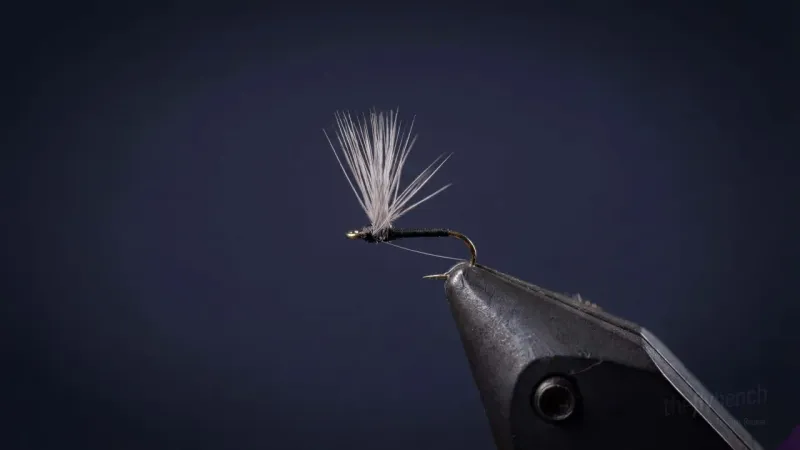
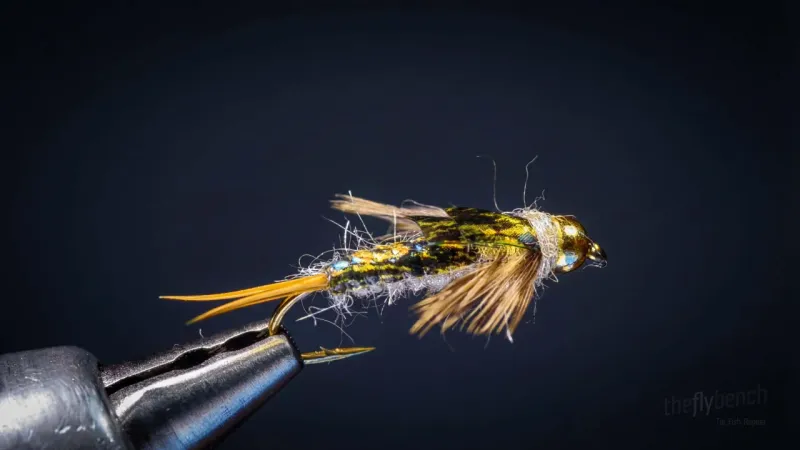
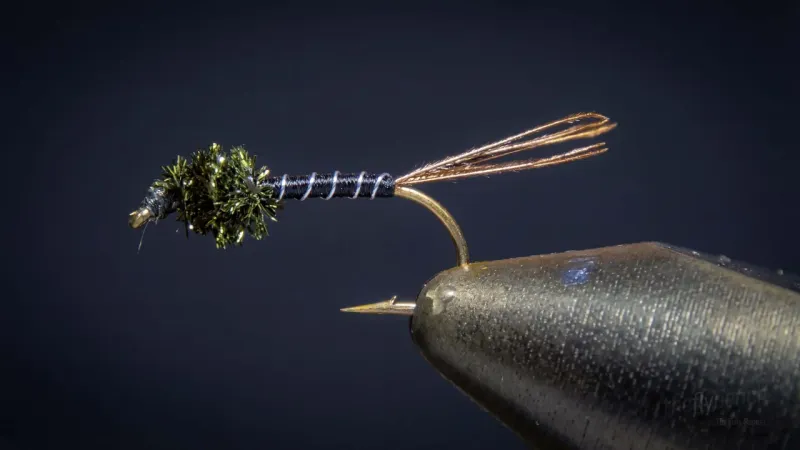
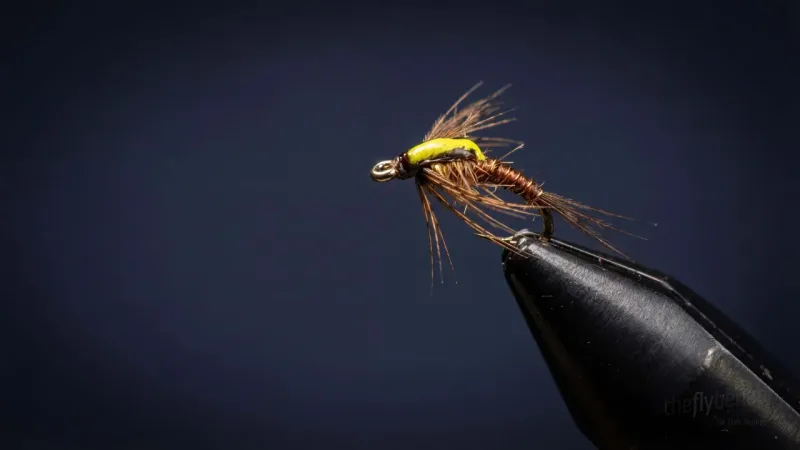
The Halfback Nymph is a classic fly pattern that is known for its effectiveness in imitating various nymphs and immature insects. The fly sinks quickly and can be fished at different depths to target feeding trout.
Spring, Summer, Fall
Intermediate
Trout
Apr 2025
Overview
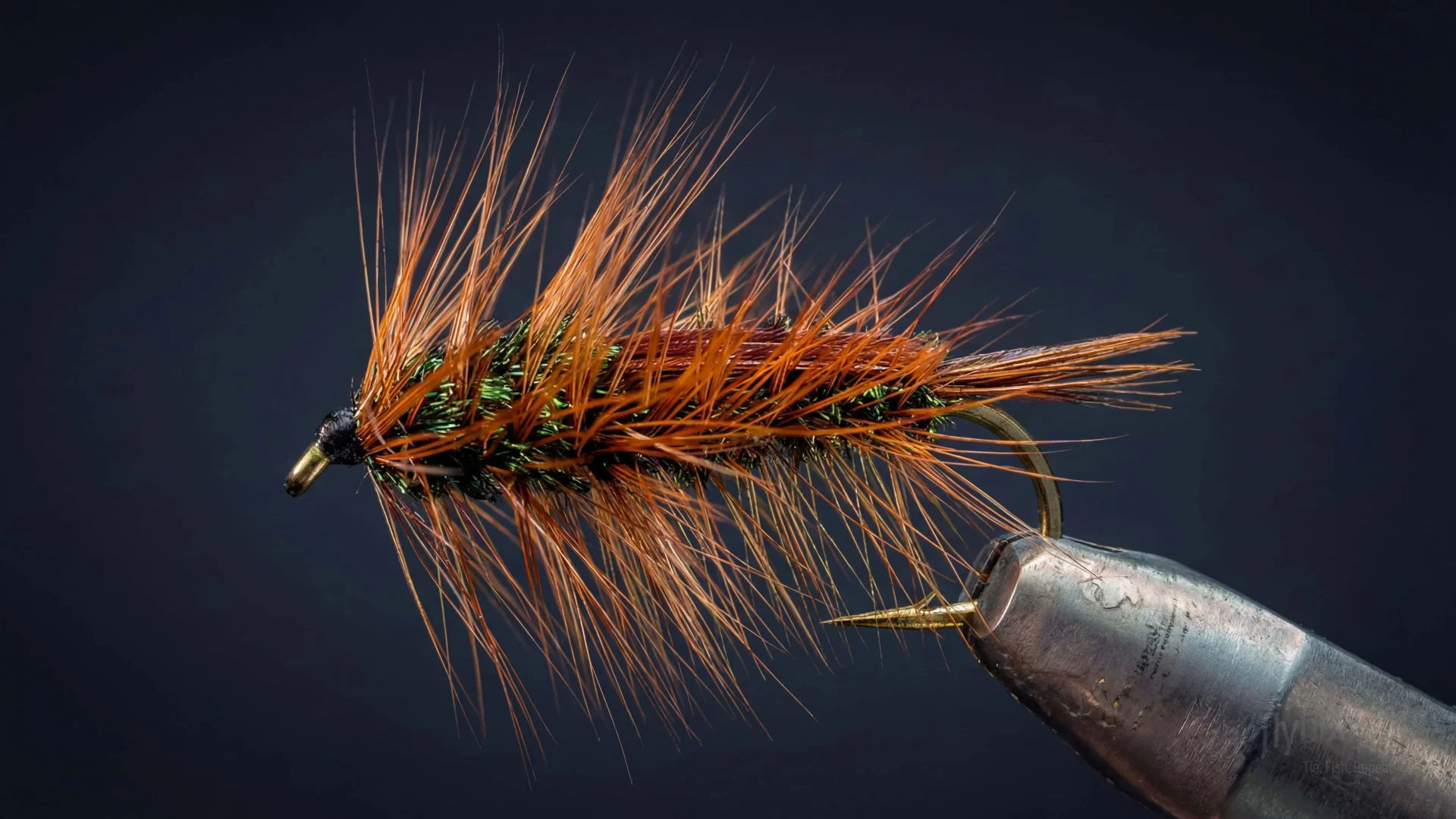
A chunky attractor-style nymph featuring a full peacock herl body and wingcase, with brown hackle or turkey tail for legs. Tied with a bead or lead wraps for weight, it's not an exact imitation but triggers strikes thanks to its buggy profile and flash.
Where to Buy This Fly
We only link to fly shops we trust. Some links are referral links, which may earn us a commission at no extra cost to you.
Materials
- Hook:
- Tiemco 3769, sizes #10-#14
- Thread:
- Black UTC 70
- Tail:
- Pheasant Tail
- Casing:
- Pheasant Tail
- Body:
- Peacock Herl
- Legs:
- Brown Rooster Saddle or Cape
Behavior & Presentation
Natural Behavior: Dragonfly nymphs ambush prey from weed beds using explosive jet propulsion bursts, expelling water to rocket forward when threatened. Their substantial size and erratic movements trigger reaction strikes despite rarely drifting naturally.
Where Trout Eat It: Near bottom in weed beds, along vegetation edges, and drop-offs where dragonflies establish territories.
How to Fish It: Dead drift or slow retrieve to match the infrequent but dramatic movement of disturbed nymphs.
Best Water: Focus on weed edges, drop-offs, and structure where dragonfly nymphs inhabit before emergence.
Strike Type: Feel aggressive strikes as trophy fish react to substantial profile and erratic movements.
Fishing Strategy
Rigging Suggestions: Use a standard nymphing setup with a floating line, weighted leader, and a 9-12 foot leader ending in a 4X or 5X tippet.
Seasonal Timing: The Halfback Nymph is effective in the when nymphs are active. Use the Halfback Nymph when fish are feeding beneath the surface, especially during a mayfly or dragonfly hatch.
Pro Tips: The Halfback Nymph is designed to sink quickly. The peacock herl body adds a bit of shine, and the pheasant tail shellback provides natural camouflage.
Entomology
Dragonfly nymphs ambush prey from weed beds and muddy substrates using explosive jet propulsion bursts, expelling water through their rectum to rocket forward when threatened or pursuing food. These aggressive predators rarely drift naturally, but when they do, their substantial size and erratic movements trigger reaction strikes from large fish. The stillwater habitat preference and substantial protein content make dragonfly nymphs priority targets for trophy trout and bass feeding near vegetation edges and drop-offs.
- Order
- Odonata
- Family
- Aeshnidae
- Common Name
- Dragonfly
- Organism Type
- insect
- Life Stage
- nymph