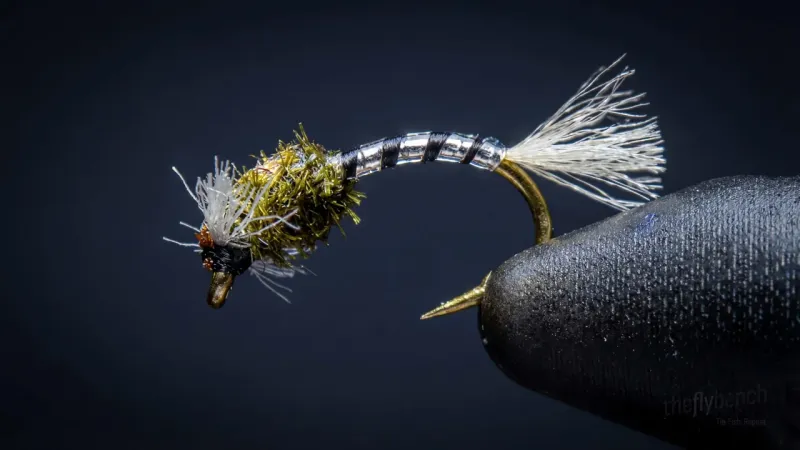
NymphNo Name Damsel
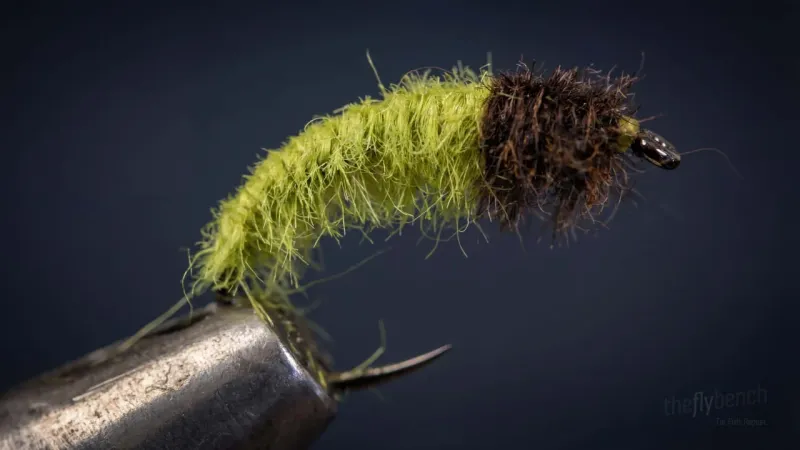
Realistic nymph pattern imitates the damselfly nymph with lifelike movement in the water. Makes it appealing to trout, especially during late spring and summer when damselflies are most active. Minimalist damsel nymph tied with olive marabou or pine squirrel for excellent motion. Designed to fish near weed lines or drop-offs.
Spring, Summer
Intermediate
Trout
Apr 2025
Overview
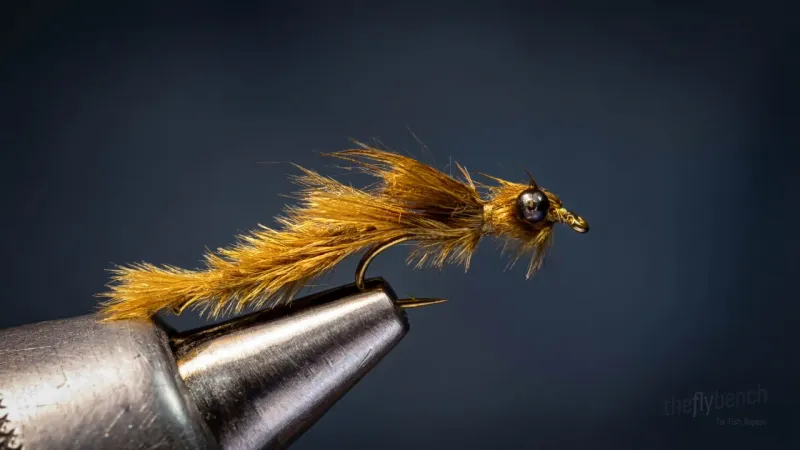
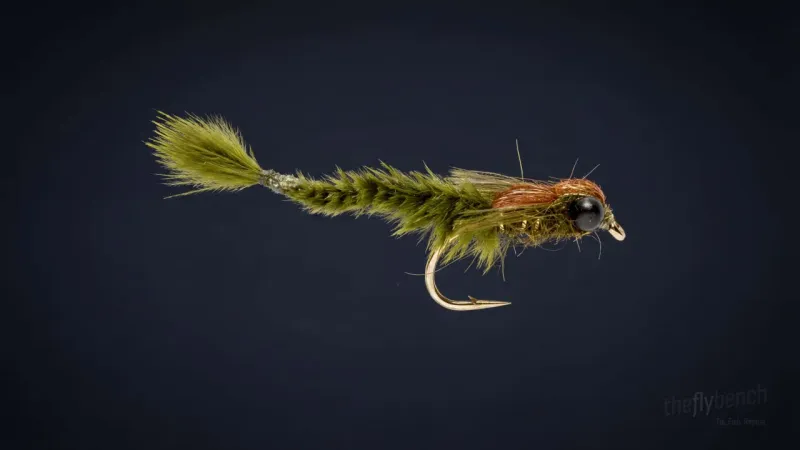
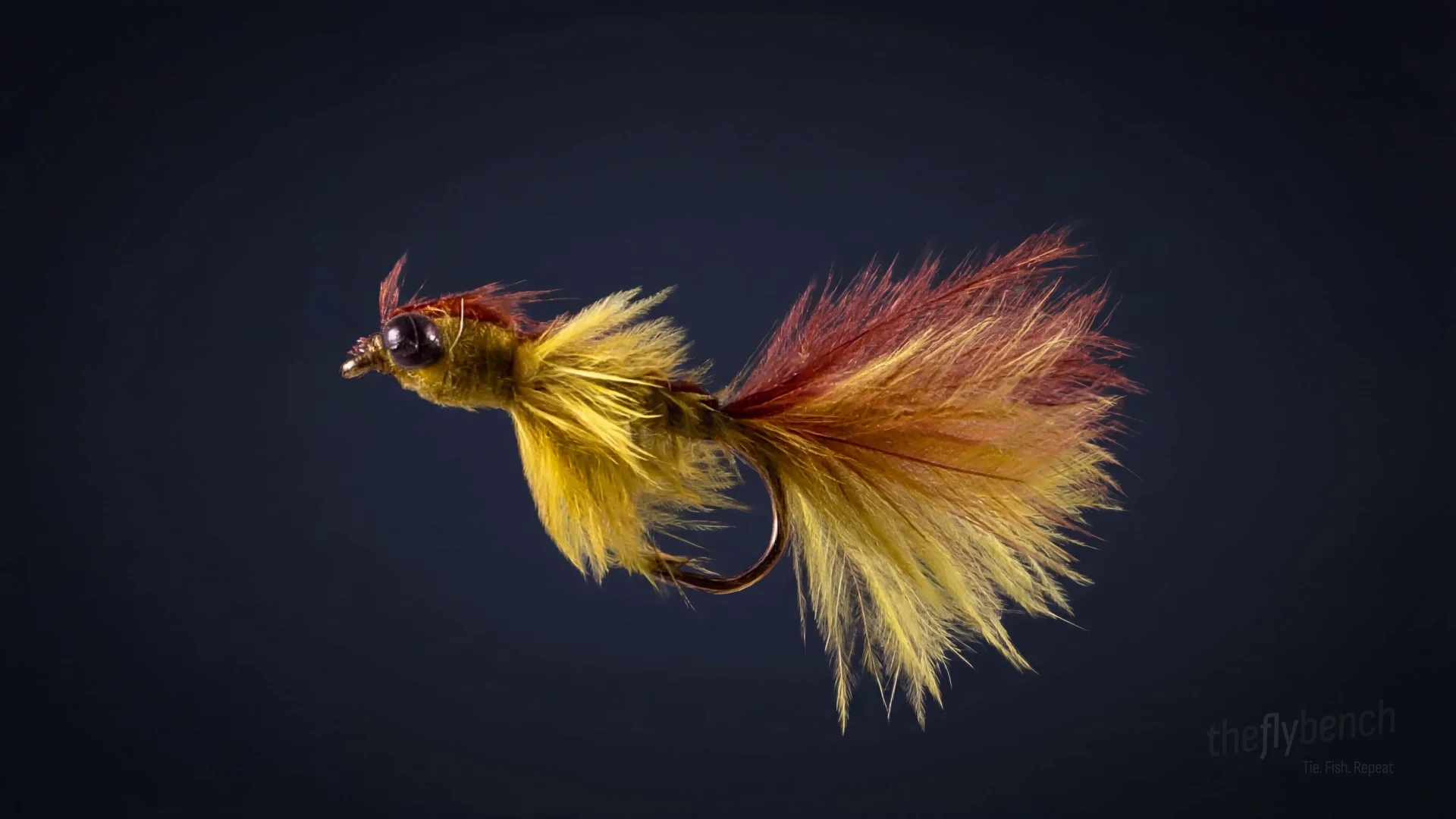
Minimalist damsel nymph pattern developed in the 2000s, typically tied with olive marabou or pine squirrel for the body and tail. Uses few materials but has excellent motion in the water. The sparse construction allows the materials to breathe and pulse with minimal movement. Designed to fish near weed lines or drop-offs in stillwater where damsel nymphs congregate. Most effective in sizes #8-12 with olive being the most productive color.
Where to Buy This Fly
We only link to fly shops we trust. Some links are referral links, which may earn us a commission at no extra cost to you.
Materials
- Hook:
- Daiichi 1560, size #12–#16
- Thread:
- UTC 140 Denier, Olive
- Eyes:
- 16lb Rio Hard Mono
- Tail:
- Woolly Bugger Marabou, Brown
- Body:
- Woolly Bugger Marabou, Olive
- Rib:
- 4X Rio Mono Tippet
- Head:
- SLF Dubbing, Damsel Nymph Olive
Behavior & Presentation
Natural Behavior: Damsel nymphs swim toward shore in undulating, start-stop movements to emerge on vegetation. This migration triggers aggressive pursuit from cruising fish.
Where Trout Eat It: Cruising trout intercept this during pre-emergence migrations near weed bed edges in 3-10 feet. Fish patrol drop-offs where damsel nymphs swim horizontally toward shore vegetation.
How to Fish It: Use slow twitching with 3-6 inch pulls and pauses. Employ steady hand-twist retrieve with occasional side-to-side rod twitch mimicking damsel's undulating movement.
Best Water: Target weed bed edges and drop-offs between shallow and deep water in 4-8 feet of depth.
Strike Type: The indicator often slides sideways or slowly submerges rather than dipping sharply—damsel takes can be surprisingly gentle. Watch for steady pulls or gradual loading as cruising fish inhale the pattern during a pause in your retrieve.
Fishing Strategy
Rigging Suggestions: Fish it on a floating line with a long leader (12-15 feet) and 5X-6X fluorocarbon tippet, or on an intermediate line for deeper presentations (8-12 feet).
Seasonal Timing: Late and most effective May through August when damselflies are active. Peak productivity occurs during June-July when water temperatures reach 60-70°F and damsel emergence is heaviest.
Pro Tips: This fly sinks and is intended to be fished subsurface at depths of 3-10 feet. The marabou or pine squirrel tail creates realistic swimming motion with each strip. Fish it slowly to maximize the movement of materials.
Entomology
Damselfly nymphs swim through weed beds and open water with distinctive undulating movements, propelling themselves with rhythmic tail flexing while hunting smaller aquatic organisms. Their elongated bodies and predictable swimming behavior make them attractive targets for cruising trout in stillwater environments, especially during pre-emergence migrations toward shore.
- Order
- Odonata
- Family
- Coenagrionidae
- Common Name
- Damselfly
- Organism Type
- insect
- Life Stage
- nymph