Dry FliesDainty Damsel
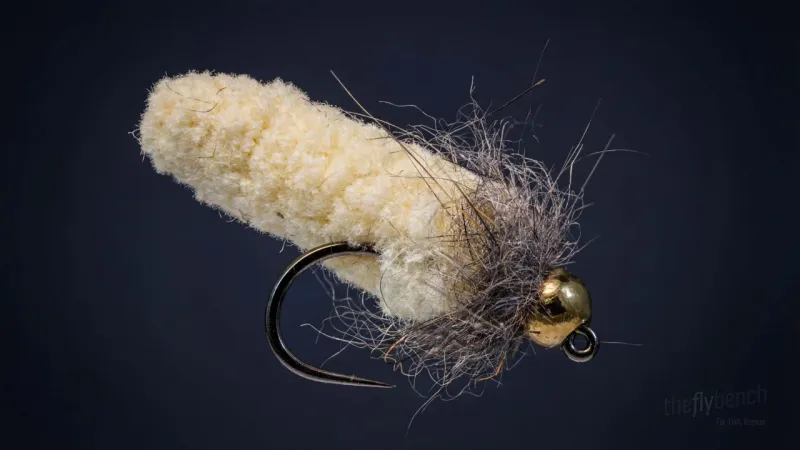
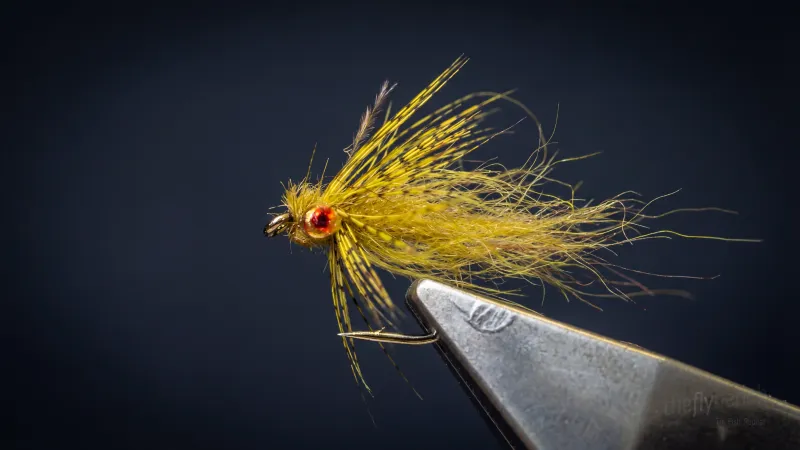
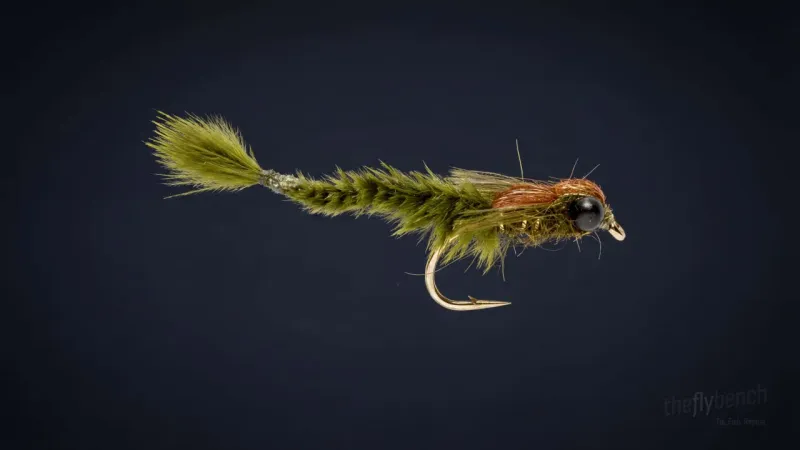
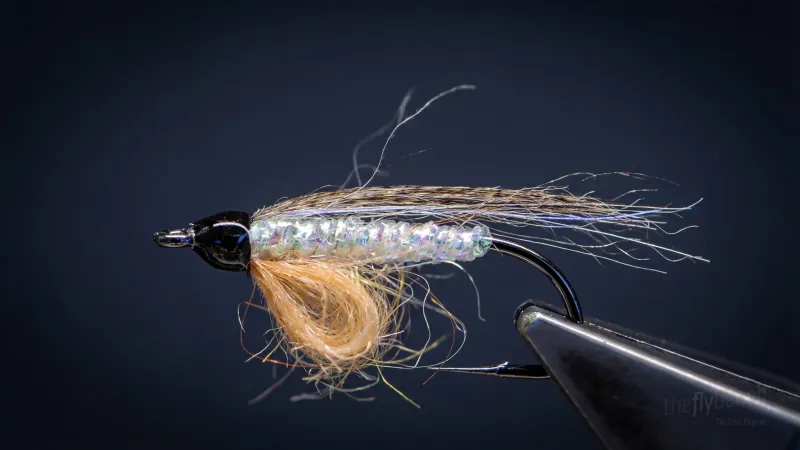
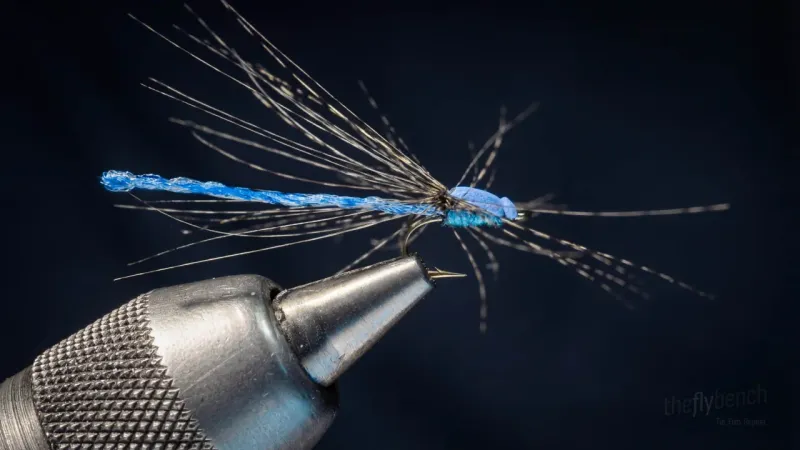
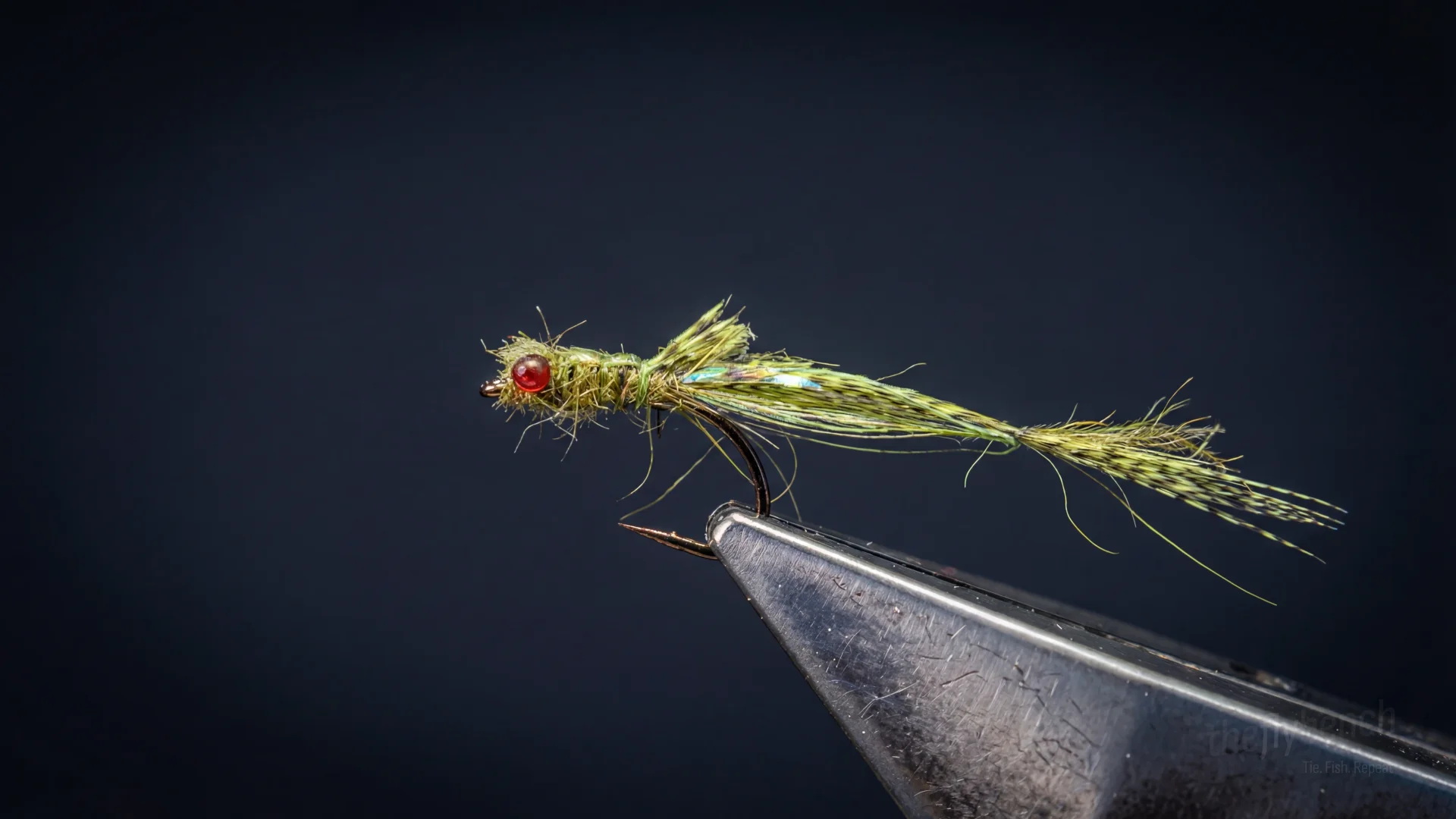
The Dainty Damsel is a dry fly pattern designed by Steven Schwartz. This effective pattern works well in a variety of water conditions and is tied with traditional materials for a proven presentation.
Spring, Summer, Fall
Intermediate
Trout
Feb 2026
Overview
Steven Schwartz's Dainty Damsel captures the slender profile and distinctive coloration of damselfly nymphs as they migrate toward shore or vegetation to emerge. The pattern's long, tapered body and subtle wing case suggest the natural's elegant form. Its construction allows for a swimming retrieve that mimics the damsel's undulating motion, making it particularly effective in stillwaters during damselfly migrations in late spring and summer.
Where to Buy This Fly
We only link to fly shops we trust. Some links are referral links, which may earn us a commission at no extra cost to you.
Materials
- Hook:
- Mustad C49S #12
- Thread:
- Gudebrod 8/0, olive
- Eyes:
- Mono, red
- Thorax:
- Fox squirrel, dyed olive
Behavior & Presentation
Natural Behavior: Adult damselflies flutter weakly across the surface during egg-laying, occasionally touching down and creating rings. Nymphs ascending to emerge swim actively through mid-column before breaking the film.
Where Trout Eat It: Fish cruise near-surface zones and weed edges, ambushing adults and ascending nymphs.
How to Fish It: Skate across the surface or twitch to imitate fluttering adults, or fish subsurface with swimming retrieves.
Best Water: Weed edges, shoals, drop-offs, and calm flats in lakes and ponds during damsel emergence.
Strike Type: Aggressive surface strikes or hard grabs subsurface as fish chase the active profile.
Fishing Strategy
Rigging Suggestions: Use a 9-12 foot leader tapering to 5X tippet for delicate presentations. Apply floatant to the body and hackle.
Seasonal Timing: Most effective during peak feeding periods at dawn and dusk. Water temperatures between 45-65°F typically produce best results.
Pro Tips: Floats well with proper floatant application. The natural materials provide good visibility without spooking wary fish.
Entomology
Damselfly nymphs migrate toward shore through open water with an undulating swimming motion, pausing frequently between bursts of movement as they prepare to crawl out for emergence. Fish intercept these migrations, targeting the nymphs during vulnerable moments when they hang suspended between swimming efforts.
- Order
- Odonata
- Family
- Coenagrionidae
- Common Name
- Damselfly
- Organism Type
- insect
- Life Stage
- nymph