Midge / EmergersWD-40
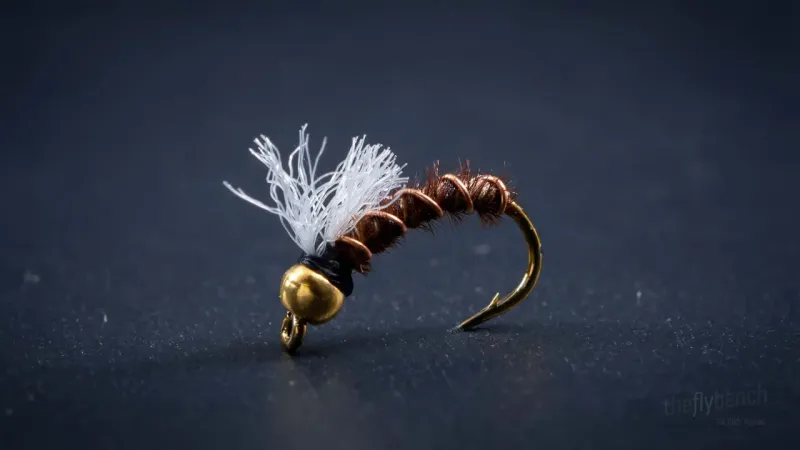
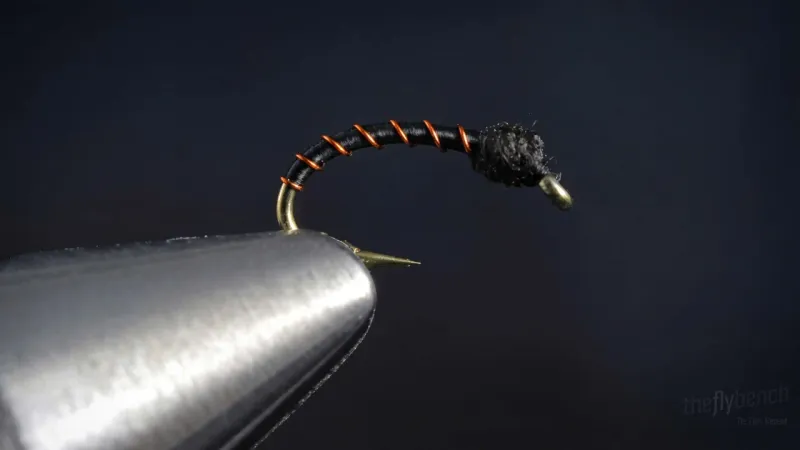
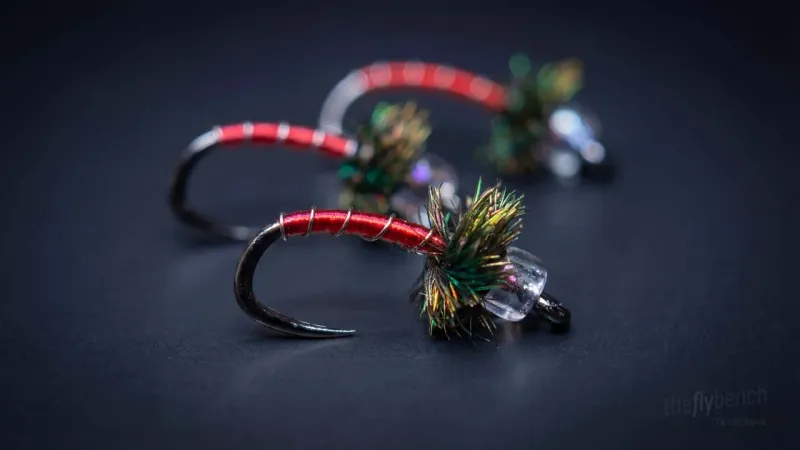
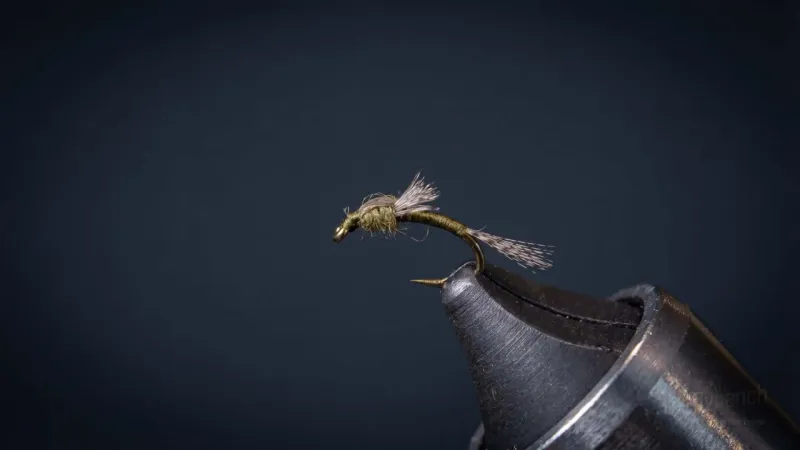
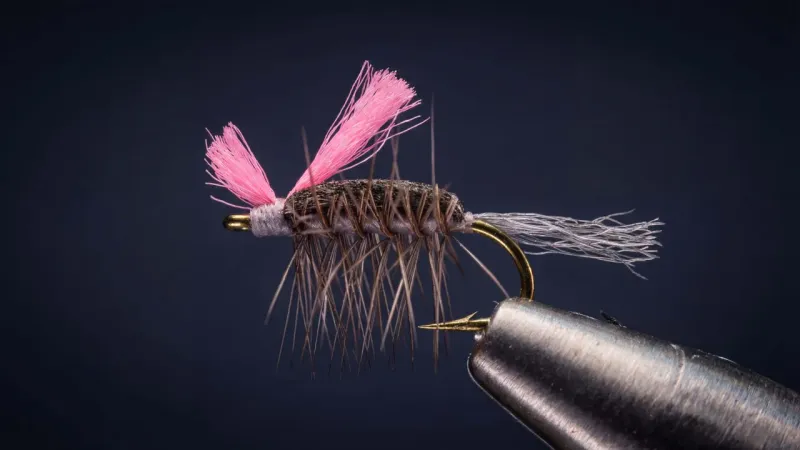
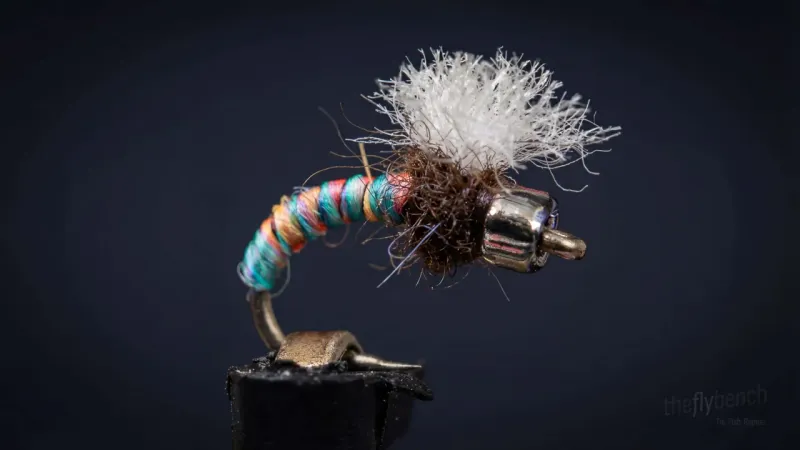
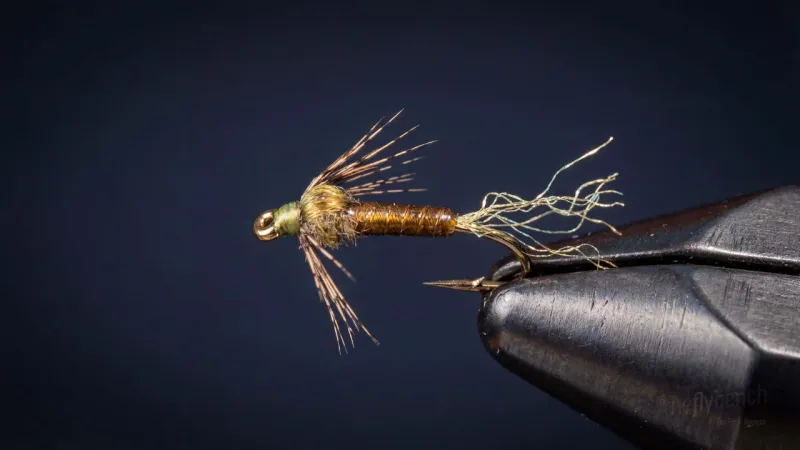
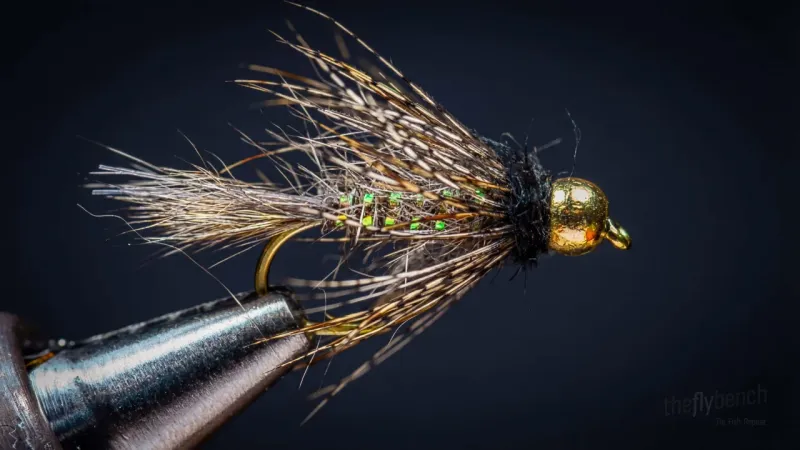
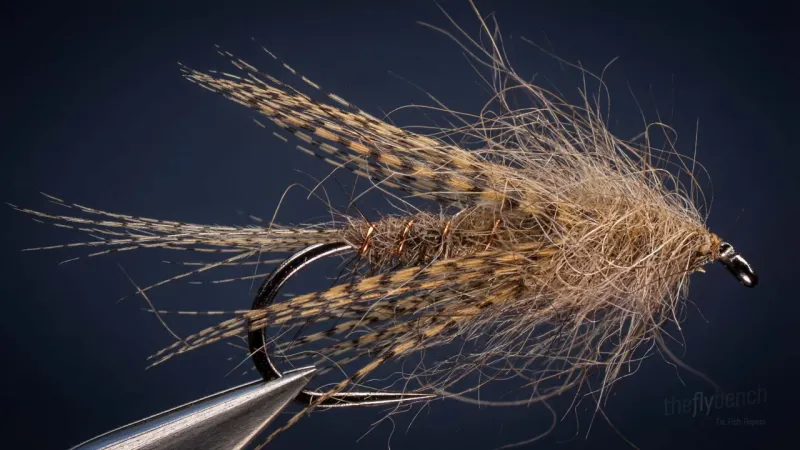
Simple yet effective midge pattern created by John Barr that mimics various stages of a midge's lifecycle. Excellent choice when trout are selectively feeding on midges. Features thread body, sparse dubbing thorax, and soft wing made from mallard or Antron. Typically tied in gray, olive, or brown with a slim profile.
Spring, Summer, Fall
Beginner
Trout
Dec 2025
Overview
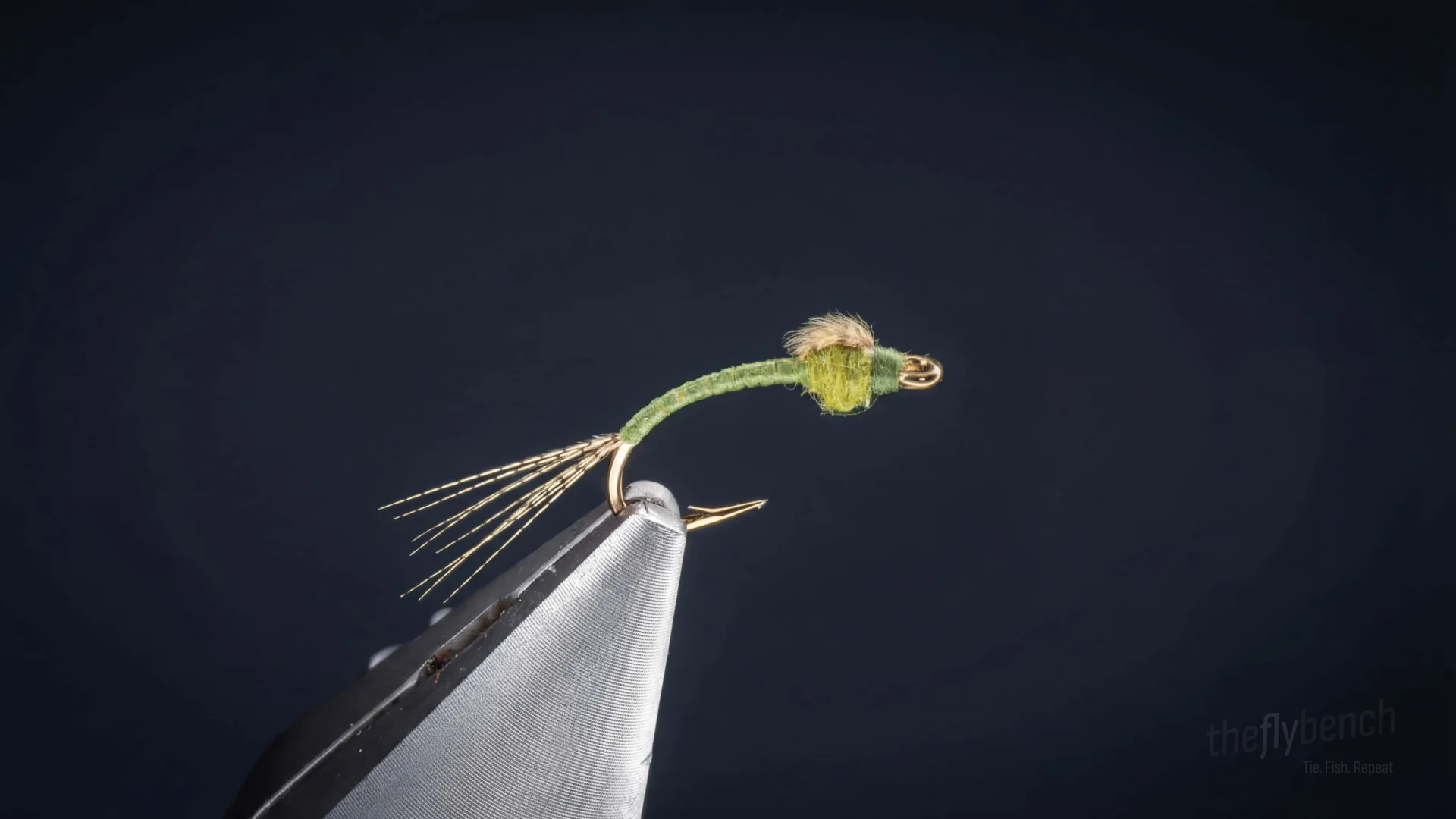
Developed by John Barr in the late 1980s, this simple emerger/nymph pattern features a thread body, sparse dubbing thorax, and soft wing made from mallard or Antron. Typically tied in gray, olive, or brown, with a slim profile that matches midge or small mayfly emergers. The name comes from the oily sheen of the materials, reminiscent of the penetrating oil. Most effective in sizes #18-24 for pressured tailwaters and spring creeks where selective feeding is common.
Where to Buy This Fly
We only link to fly shops we trust. Some links are referral links, which may earn us a commission at no extra cost to you.
Materials
- Hook:
- #16-22 Tiemco 2487
- Thread:
- Tobacco 6/0 Danville
- Tail:
- Woodduck Gold Mallard Flank
- Body:
- Tobacco 6/0 Danville
- Casing:
- Woodduck Gold Mallard Flank
- Thorax:
- Grey Muskrat or Beaver Dubbing
Behavior & Presentation
Natural Behavior: Midge pupae ascend vertically with pulsing movements, hanging suspended just beneath the meniscus as gas-filled cases create distinctive silhouettes during transition. This concentrated vulnerability in predictable depth zones creates focused feeding opportunities.
Where Trout Eat It: Fish suspend just below the film in tailwaters and spring creeks, targeting vulnerable emergers during hatch activity in soft water.
How to Fish It: Dead drift in the film with micro-adjustments, maintaining natural speed without drag or unnatural movement.
Best Water: Target slicks, tail-outs, and back eddies where midge emergers concentrate. Seams hold selectively feeding fish.
Strike Type: Detect subtle sips, indicator hesitations, or barely perceptible movements as fish take gently.
Fishing Strategy
Rigging Suggestions: The WD-40 can be fished alone, as a dropper behind a dry fly 18-24 inches below, or in a tandem nymph rig. Use 5X-6X fluorocarbon tippet.
Seasonal Timing: Most effective March through November from when midges are most active. Peak productivity occurs during months (December-February) on tailwaters when water temperatures are between 38-50°F and midges are the primary food source.
Pro Tips: This fly is designed to sit in or just below the surface film, imitating a midge pupa or emerger. Its small size can make it difficult to see, so it's often fished as a dropper behind a more visible fly like a parachute Adams.
Entomology
Midge larvae and emerging pupae drift in enormous numbers through tailwater and spring creek runs, often suspended in the water column or hanging just beneath the surface during transitions. Fish consume midges in staggering volumes because these tiny insects hatch consistently year-round, providing dependable nutrition when other food sources are scarce, particularly in cold-water environments.
- Order
- Diptera
- Family
- Chironomidae
- Common Name
- Midge
- Organism Type
- insect
- Life Stage
- general