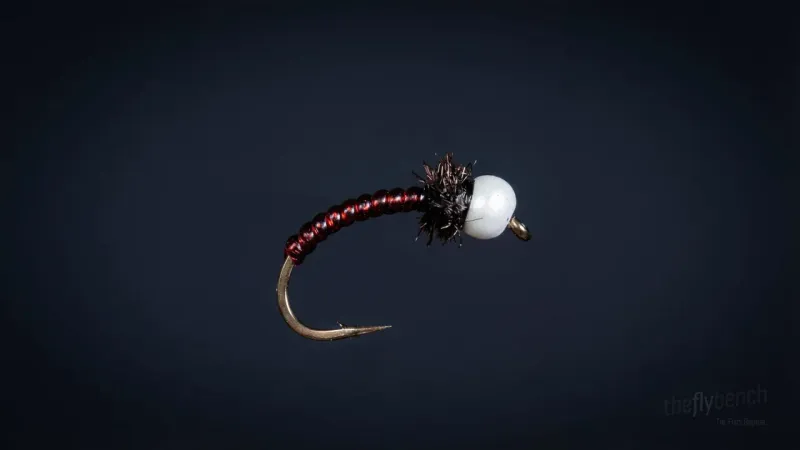
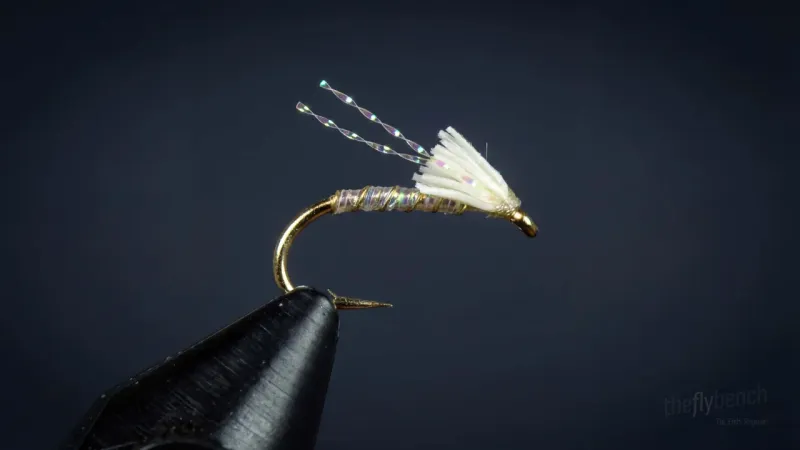
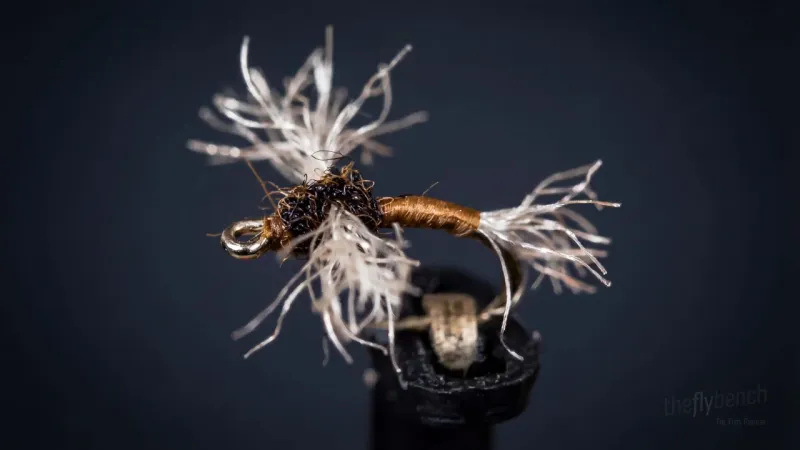
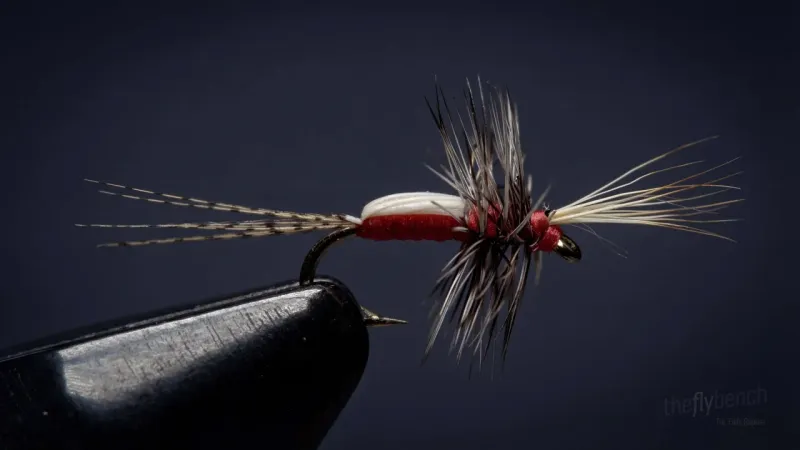
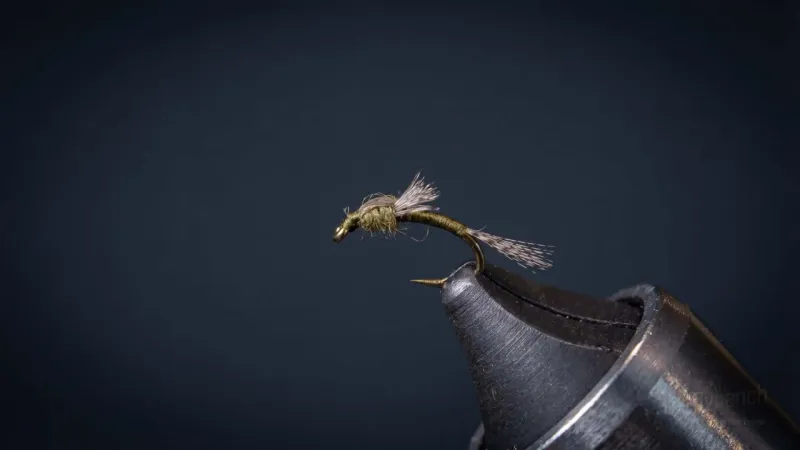
NymphBead Head Brassie
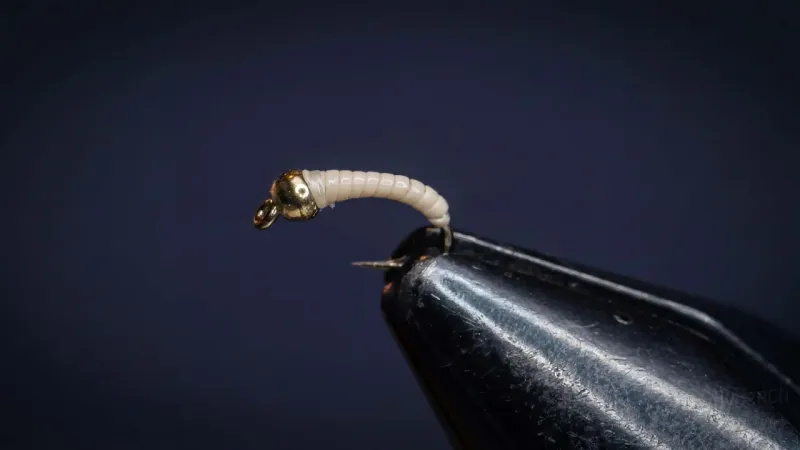
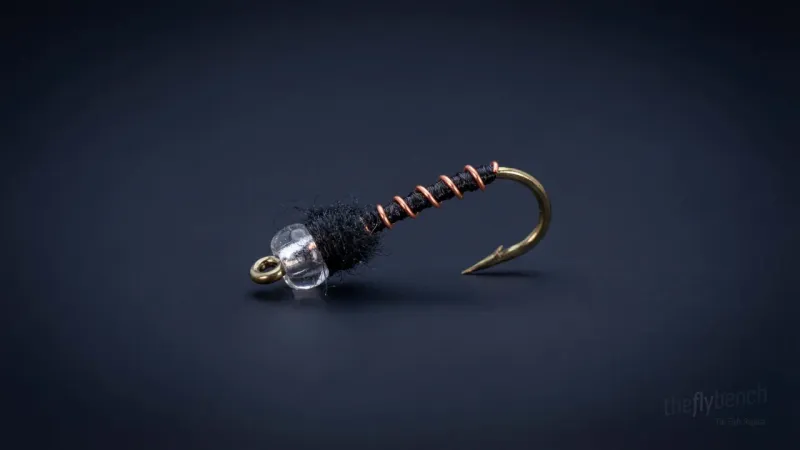
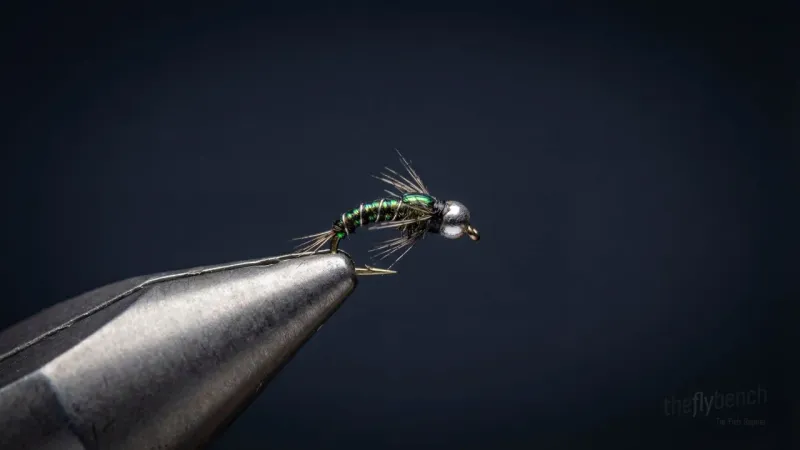
The Beadhead Brassie is a classic nymph pattern that's been catching fish for decades. The wire-wrapped body and bead head give it weight, allowing it to sink quickly to where the fish are feeding.
Year Round
Beginner
Trout
Apr 2025
Overview
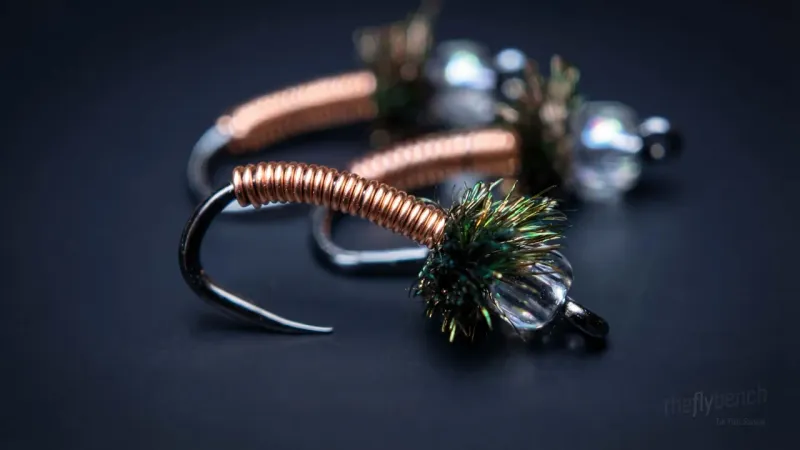
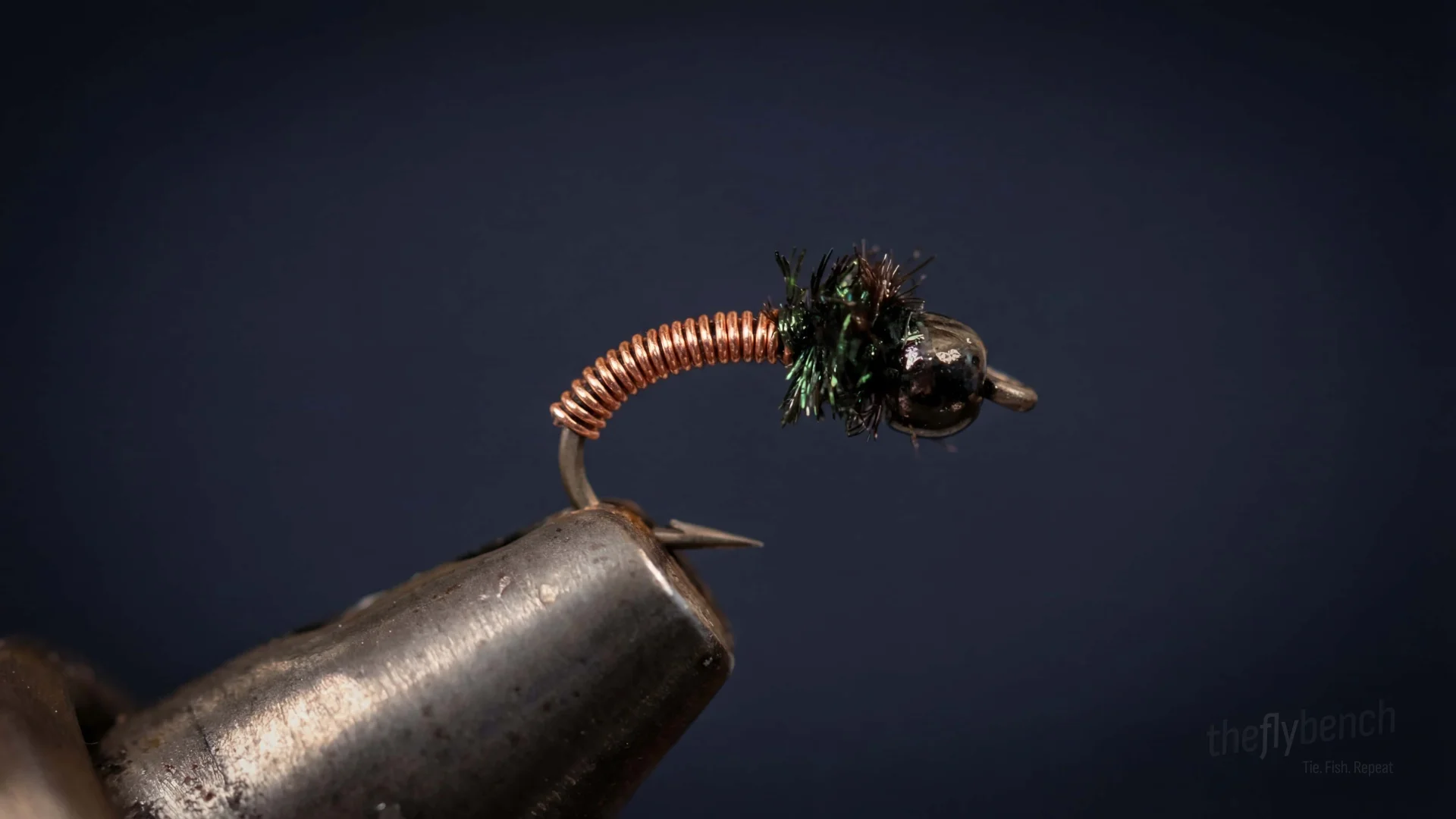
A classic midge pattern, the Bead Head Brassie is tied with a wire-wrapped body (copper or colored), a bead for weight, and a sparse peacock or dubbed thorax. Use a small, curved hook and fine wire for neat segmentation. Finish with a small black thread collar behind the bead. It's durable, heavy, and quick to tie.
Where to Buy This Fly
We only link to fly shops we trust. Some links are referral links, which may earn us a commission at no extra cost to you.
Materials
- Hook:
- Tiemco 3769, size #16–#20
- Bead:
- Gold brass bead, 2mm
- Thread:
- Black Veevus 14/0
- Body:
- Copper wire
- Thorax:
- Peacock herl
Behavior & Presentation
Natural Behavior: Tiny larvae colonize substrates in overwhelming densities, tumbling along the bottom when flows dislodge them from rocks, vegetation, and debris where they feed on microorganisms.
Where Trout Eat It: Fish consume these volume feeders near the bottom in both rivers and lakes, capitalizing on their abundance despite diminutive size.
How to Fish It: Dead drift along substrate, allowing the pattern to tumble naturally with current, weighted to maintain bottom contact throughout the drift.
Best Water: Productive in riffle edges, gravel runs, pocket water, and current breaks where larvae detach and enter feeding lanes.
Strike Type: Subtle takes often feeling like ticks or brief weight as fish sip drifting larvae with minimal movement.
Fishing Strategy
Rigging Suggestions: Use a strike indicator to detect subtle takes, or fish tight-line style. Rig on 5X-6X tippet as a dropper below a larger nymph or dry fly.
Seasonal Timing: Effective year-round as midges are available in all seasons, but especially productive during early when midges dominate the trout's diet in tailwaters and creeks.
Pro Tips: The bead head makes this fly sink quickly to the feeding zone, and its shiny copper wire body reflects light, making it highly visible in various water conditions even at small sizes.
Entomology
Midge larvae colonize substrates in incredible densities, attaching to rocks, vegetation, and bottom debris in both rivers and lakes where they feed on organic detritus and microorganisms. They enter the drift sporadically when flows increase or when they detach to relocate, tumbling along the bottom in a dead-drift presentation. Trout consistently feed on drifting midge larvae because their small size is offset by overwhelming abundance, allowing fish to maintain positive energy balance through volume feeding.
- Order
- Diptera
- Family
- Chironomidae
- Common Name
- Midge
- Organism Type
- insect
- Life Stage
- general