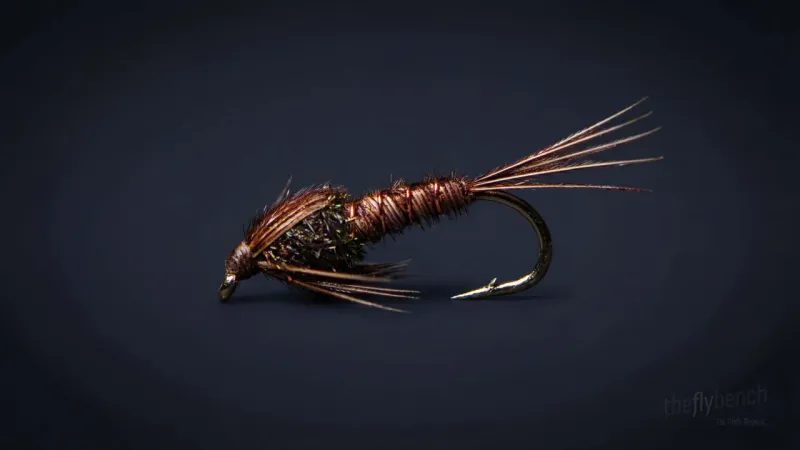
NymphTwo Flymphs (generic)
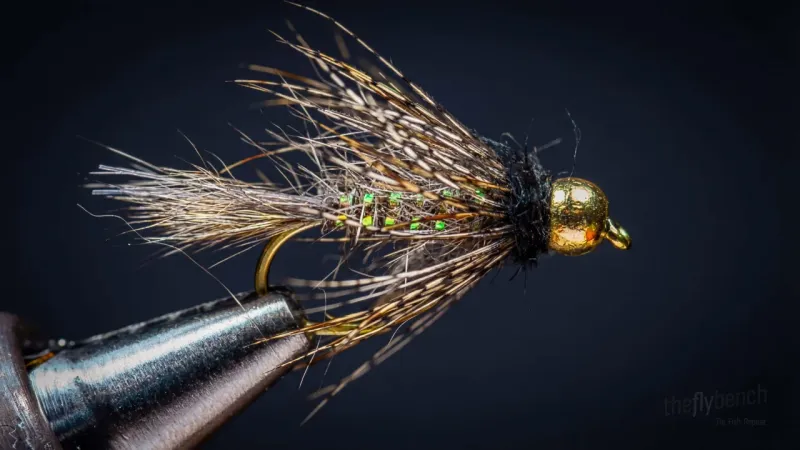
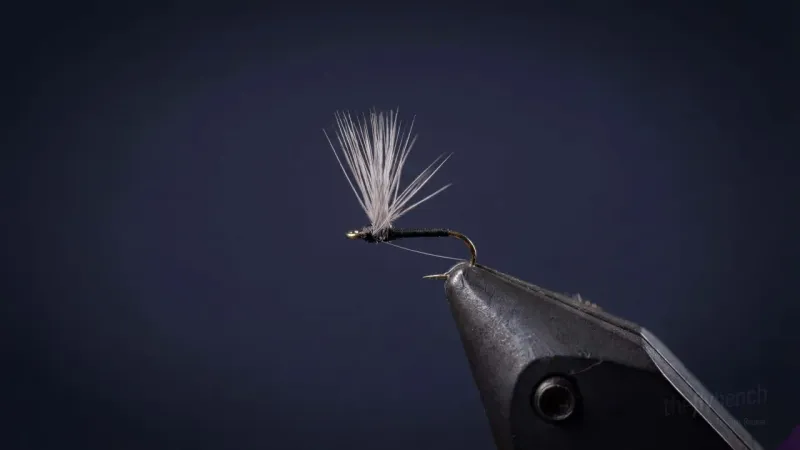
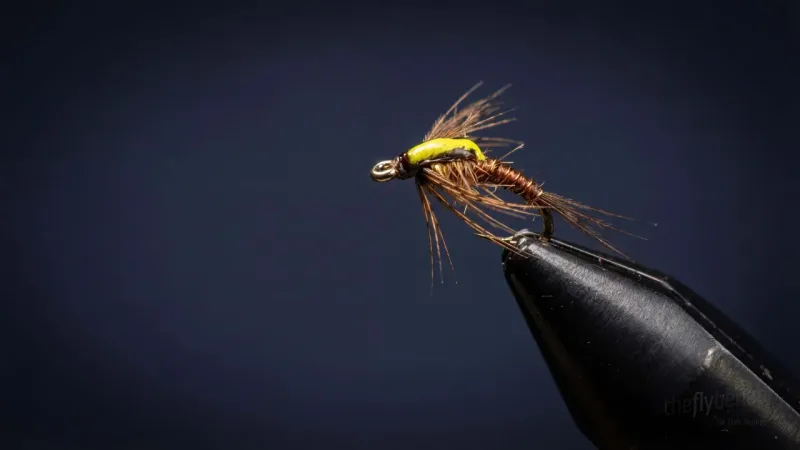
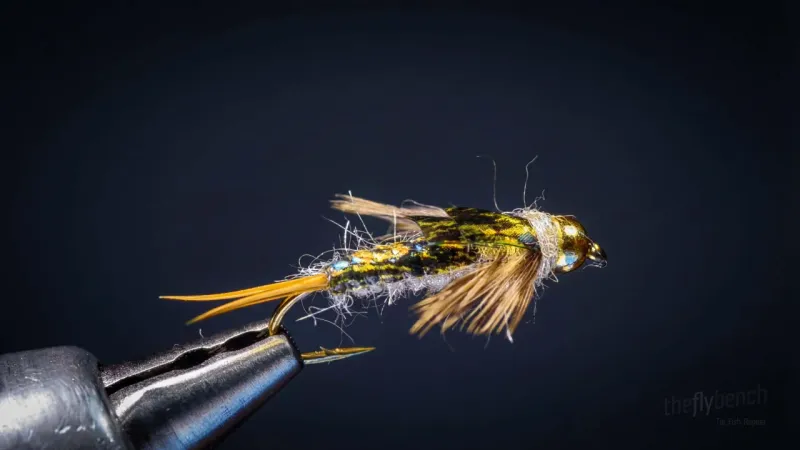
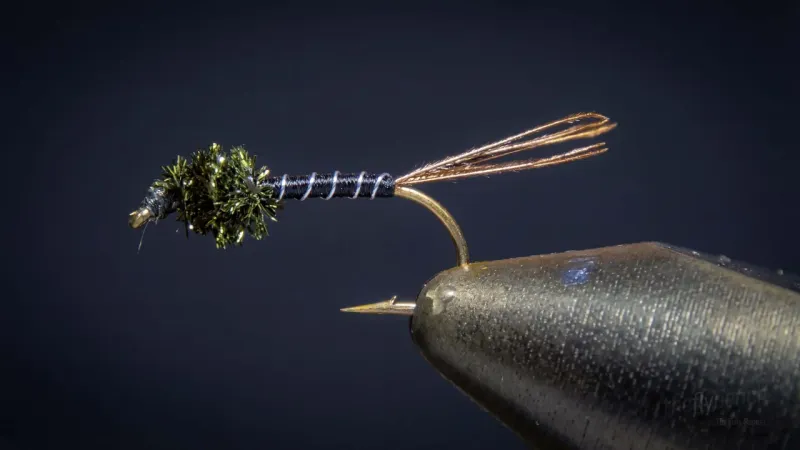
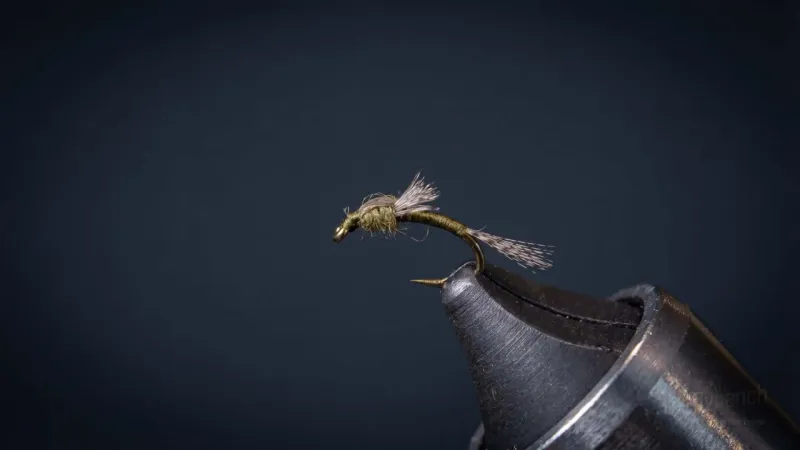
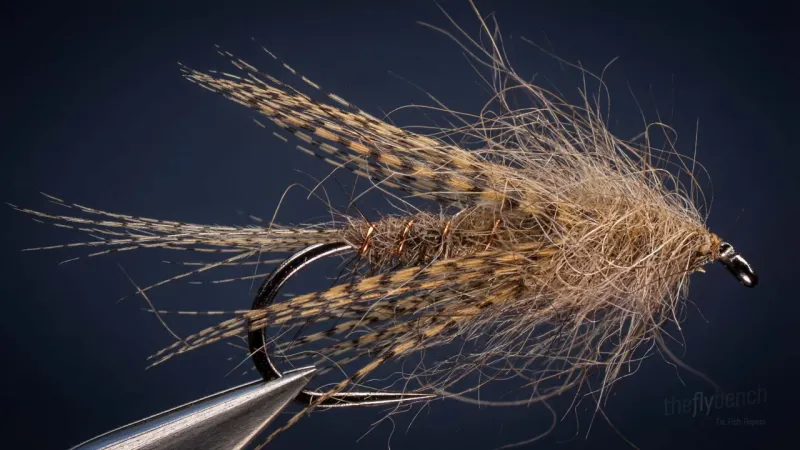
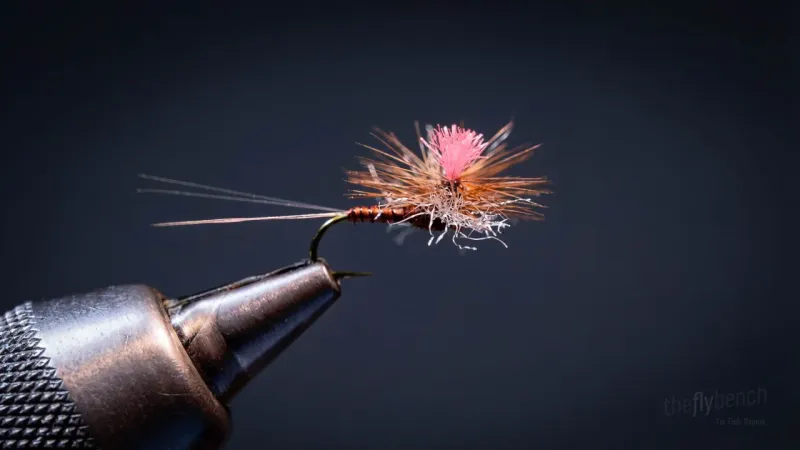
The Two Flymphs (generic) is a nymph pattern designed by Dale Beamish. This effective pattern combines traditional materials with proven techniques for consistent results in a variety of water conditions.
Spring, Summer, Fall
Intermediate
Trout
Feb 2026
Overview
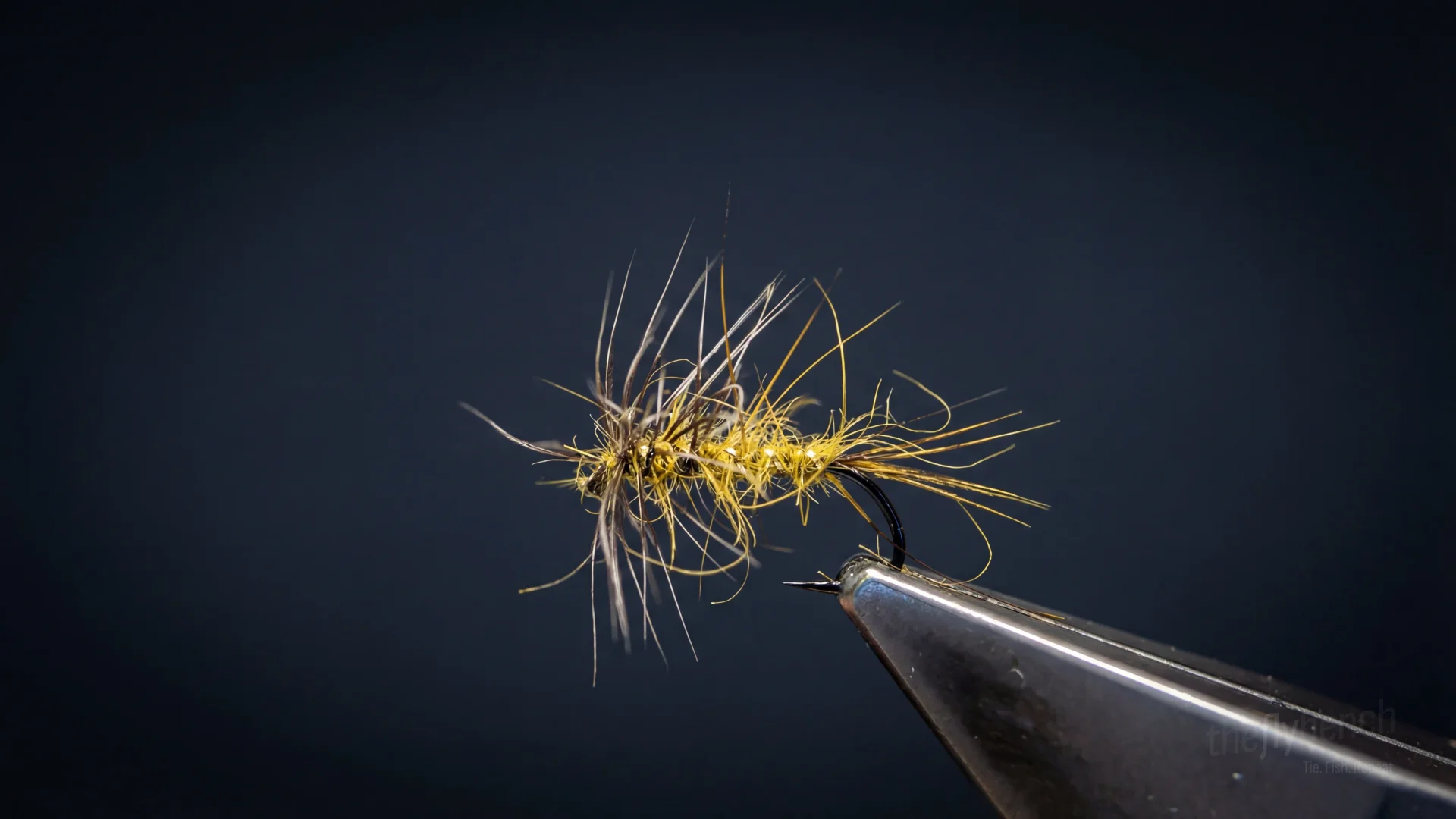
Dale Beamish's pattern draws inspiration from Vernon Hidy's flymph concept, creating a hybrid between nymph and wet fly. The soft hackle and streamlined body allow the pattern to fish effectively in the transitional zone between nymph and emerger. The materials breathe naturally in current, suggesting multiple life stages simultaneously. Works best when swung through runs or fished with a tightline presentation.
Where to Buy This Fly
We only link to fly shops we trust. Some links are referral links, which may earn us a commission at no extra cost to you.
Materials
- Hook:
- TMC 3761
- Thread:
- To match the natural
- Tail:
- Hackle fibers or Coq de Leon
- Rib:
- Fine gold wire (optional)
- Hackle:
- Hen neck, to match the natural
- Body:
- Hare dubbing to match the natural, spiky
Behavior & Presentation
Natural Behavior: Mayfly nymphs swim with pulsing abdominal movements and gill vibrations as they transition from bottom feeding to pre-emergence staging just beneath the surface. Fish recognize these active swimming nymphs as more vulnerable than dead-drifting individuals, targeting the visible movement before hatches intensify.
Where Trout Eat It: Just subsurface to mid-depth in runs and riffles, with trout positioned in current seams intercepting swimming nymphs transitioning toward emergence zones.
How to Fish It: Traditional wet fly swing across current, adding Leisenring lift near drift's end to animate the pattern like ascending nymphs swimming toward the surface during pre-hatch movements.
Best Water: Moderate runs with depth transitions, riffle edges where nymphs stage before emergence, and current seams funneling pre-emergent nymphs into concentrated feeding lanes.
Strike Type: Subtle resistance or line hesitation as trout intercept swinging nymphs, often requiring immediate strip-set to connect during the brief take window.
Fishing Strategy
Rigging Suggestions: Use a 9-11 foot leader with 4X or 5X tippet. Fish one or two flies in tandem, spacing them 18-24 inches apart for traditional wet fly fishing.
Seasonal Timing: Effective year-round but peaks during mayfly emergences, particularly productive March through May and September through November.
Pro Tips: Traditional flymph technique emphasizes fishing just subsurface where emerging nymphs are most vulnerable. Maintain a tight line to detect subtle takes.
Entomology
Mayfly nymphs make subtle swimming motions using undulating abdominal movements and gill plate vibrations as they navigate between feeding areas. Trout are attuned to these small-scale movements, selectively targeting nymphs that display active swimming rather than dead-drifting postures.
- Order
- Ephemeroptera
- Common Name
- Mayfly
- Organism Type
- insect
- Life Stage
- nymph