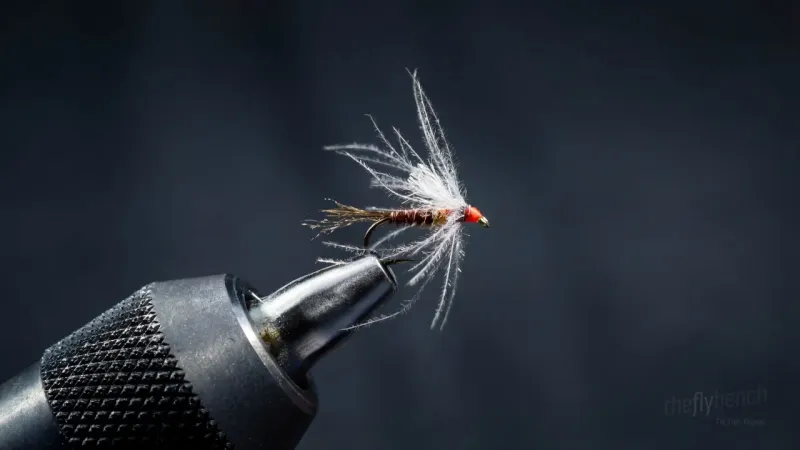
NymphThe Crack-Back Aero PMD
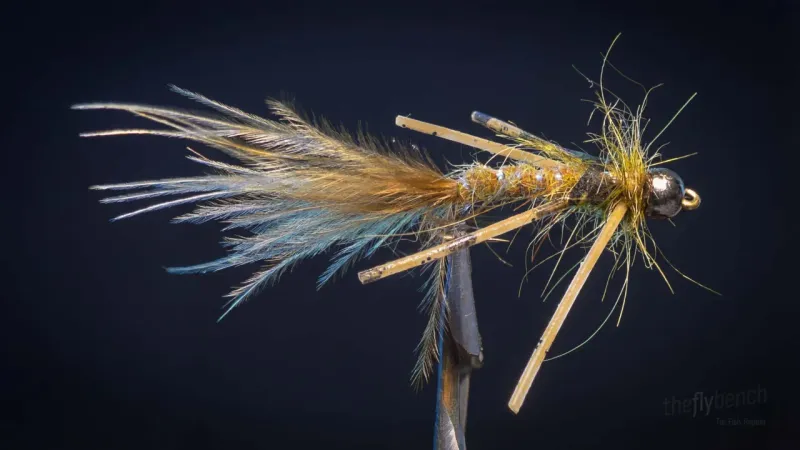
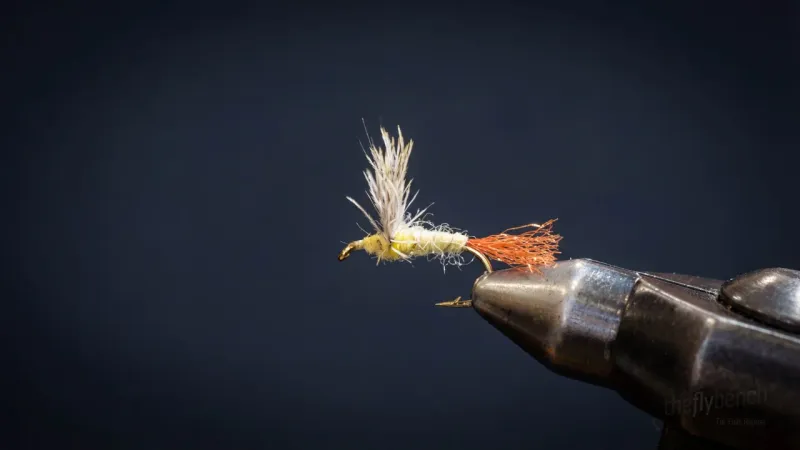
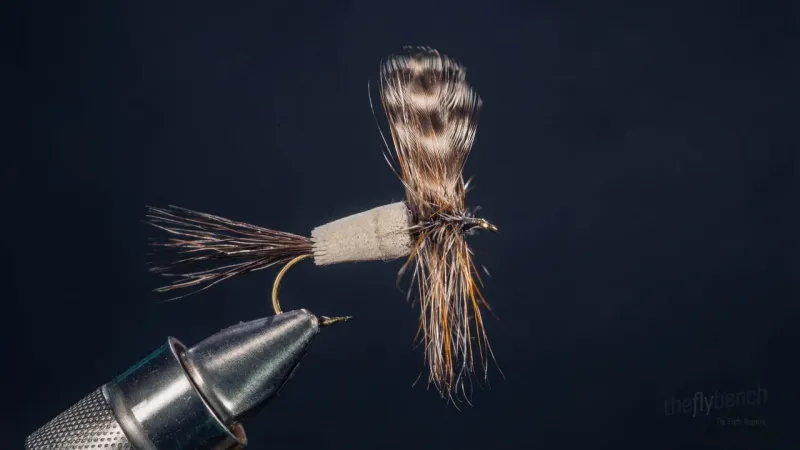
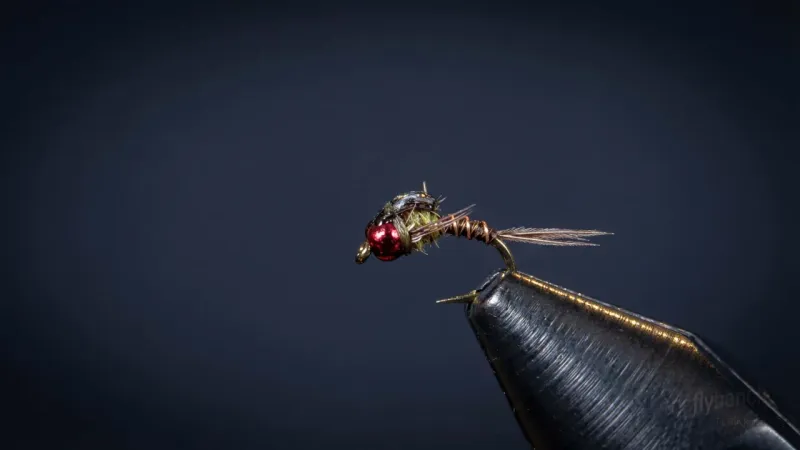
A highly effective PMD nymph pattern designed with a realistic segmented body and translucent, curved profile. The Crack-Back Aero PMD imitates the Pale Morning Dun in its nymphal stage, using modern materials for durability, visibility, and fish-triggering movement.
Summer
Intermediate
Trout
Apr 2025
Overview
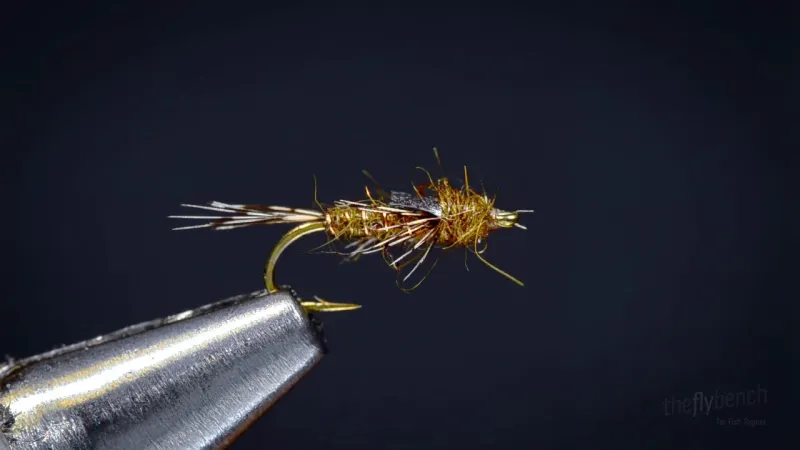
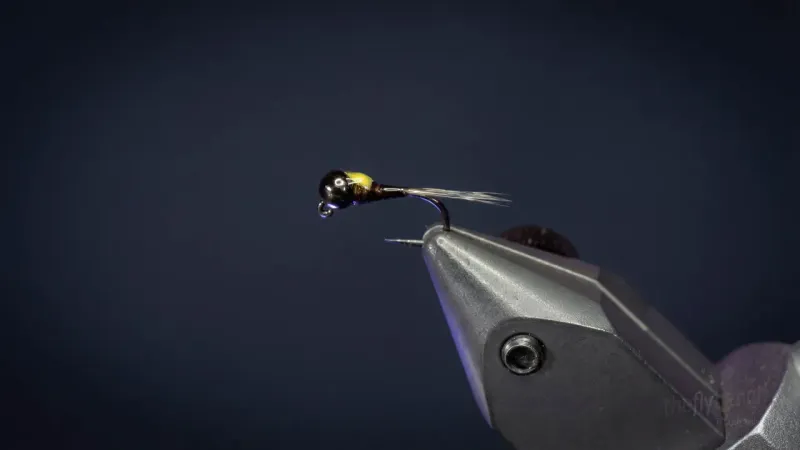
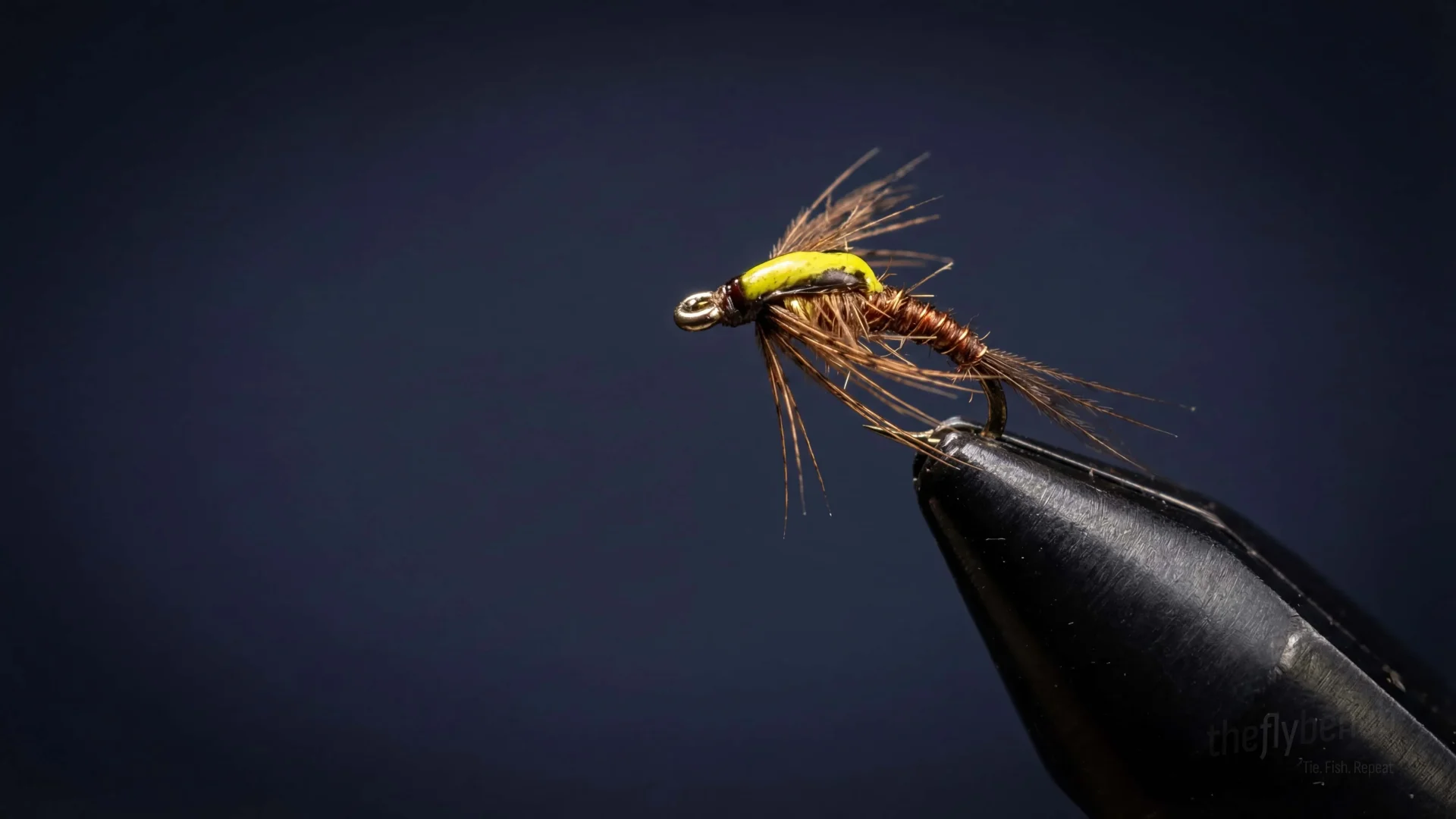
This PMD emerger-style nymph features a split back using thin skin or similar material to imitate the cracking nymphal shuck, with a slender abdomen often made from dyed pheasant tail or synthetic quills. The thorax is typically dubbed with a light tan or amber mix, and the pattern is weighted with a tungsten bead to get it down quickly. A great fly for technical waters and during Pale Morning Dun hatches.
Materials
Hook: Fulling Mill 5115, sizes #16-#20
Bead: Fulling Mill Tungsten Beads - Black - 2.4mm
Thread: 8/0 UNI-Thread Waxed Midge - Dark Brown
Tail/Legs: Premium Partridge Feathers - Brown
Body: Veevus Holographic Tinsel - Brown - Medium
Ribbing: UTC Ultra Wire - Brown - Small
Wing Case: Thin Skin - Mottled, Bustard Natural
Crack: Gulff Ambulance Resin 15 ml - Fl. Yellow
Behavior & Presentation
Natural Behavior: Pale Morning Dun nymphs cling to rocks in moderate currents, using flattened bodies to resist flow while grazing. During behavioral drift and pre-emergence movements, they tumble with legs and tails extended in a vulnerable posture.
Where Trout Eat It: Trout position near the bottom in riffle-run transitions and smooth glides, intercepting nymphs as they drift through feeding lanes.
How to Fish It: Execute upstream dead drifts with occasional subtle twitches to simulate emerging duns.
Best Water: Most effective in pockets, glides, and riffle edges where PMD nymphs naturally tumble.
Strike Type: Fish intercept this emerger imitation with delicate takes that appear as slight indicator movement or a subtle draw in the leader—set gently to avoid breaking light tippet.
Fishing Strategy
Rigging Suggestions: Fish as a solo dry fly on 9-12 foot leaders tapered to 5X or 6X, or position ahead of a smaller BWO nymph in a dry-dropper rig.
Seasonal Timing: Most productive from June through August during peak Pale Morning Dun emergence, particularly effective in water temperatures of 55-65°F. Target this pattern during PMD hatches on sunny days between 10 AM and 2 PM when emergence is strongest.
Pro Tips: The UV resin adds durability for multiple fish and creates a realistic sheen that mimics the gas bubble of an emerging dun. Treat with floatant only on the foam, leaving the trailing shuck untreated for proper riding angle.
Entomology
Pale Morning Dun emergers struggle in the surface film during the critical transition from nymph to adult, suspended partially submerged while shedding their shuck and unfurling delicate wings. This vulnerable emergence phase can last several minutes in cool weather or slow water, creating extended feeding opportunities as the insects drift helplessly downstream. The predictable timing of PMD hatches (typically late morning to afternoon) and the insects' bright yellowish coloration make them highly visible targets during prolific Western hatch periods.
- Order
- Ephemeroptera
- Family
- Ephemerellidae
- Common Name
- Pale Morning Dun
- Organism Type
- insect
- Life Stage
- dun