Dry FliesProfile Spinner
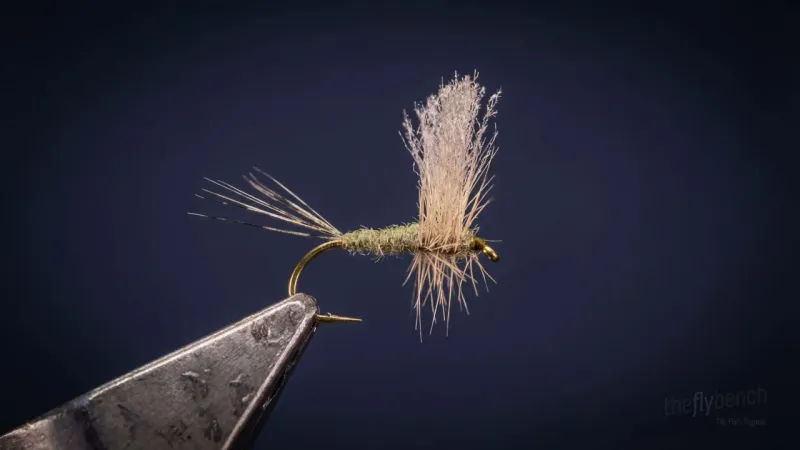
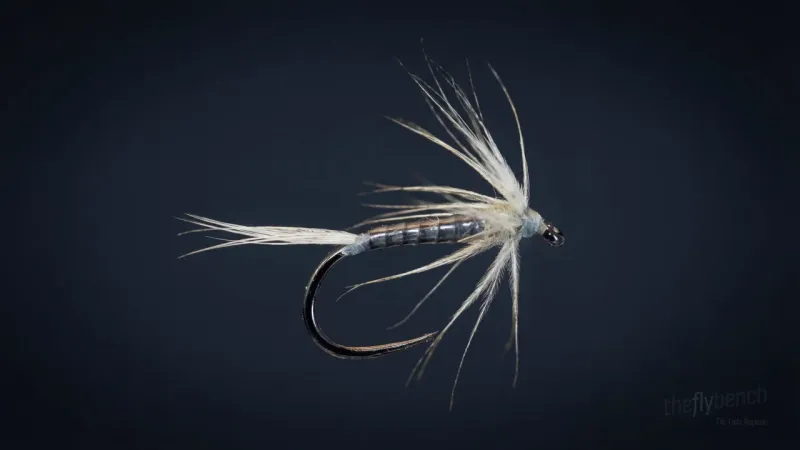
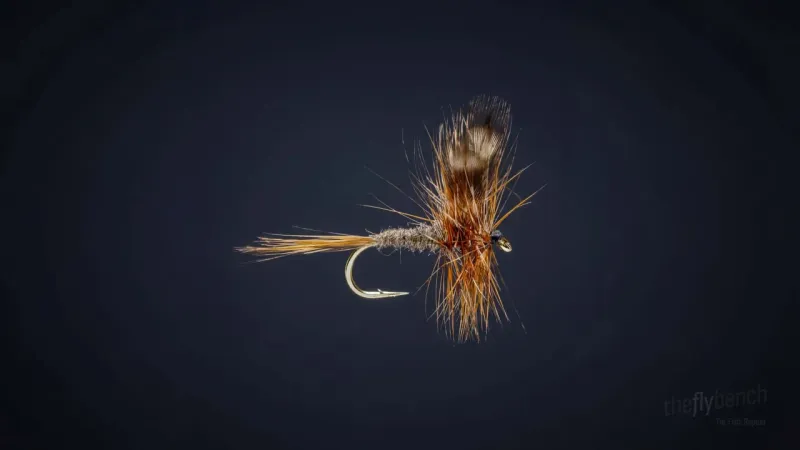
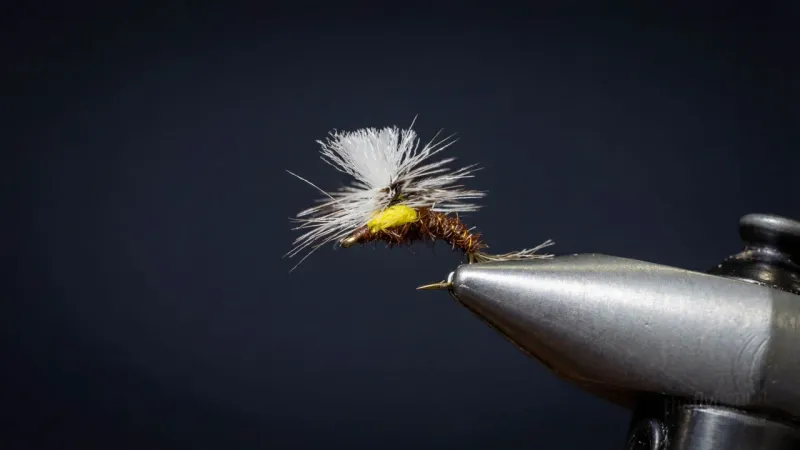
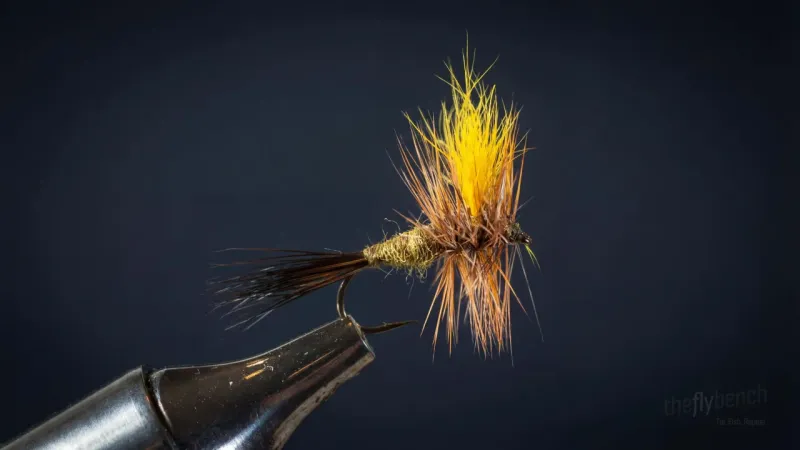
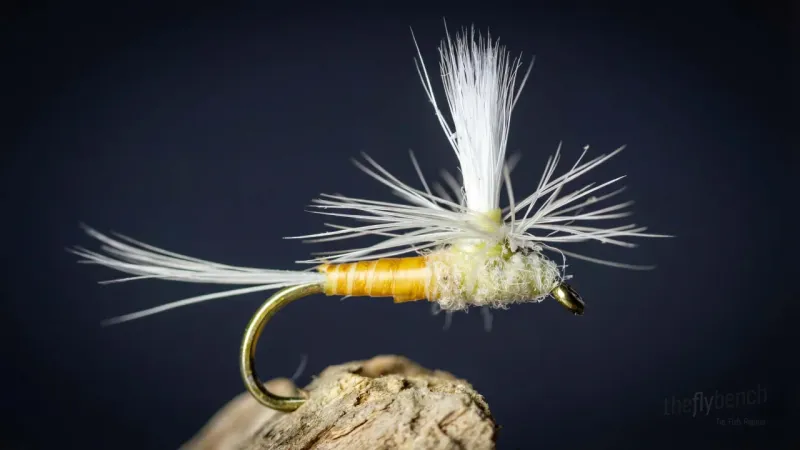
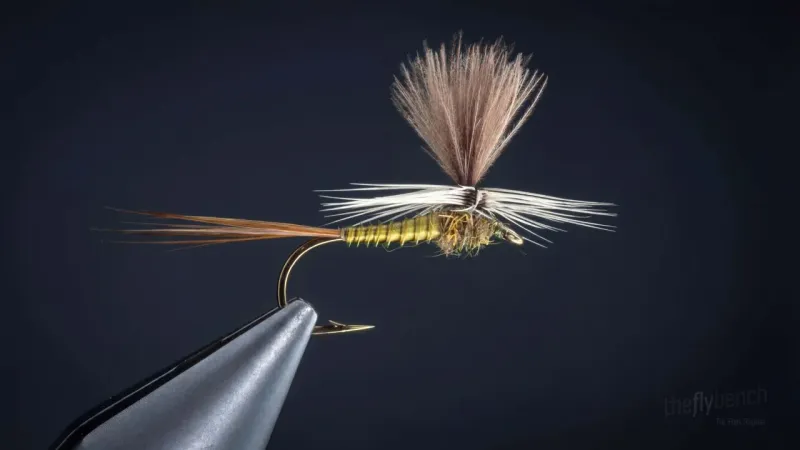
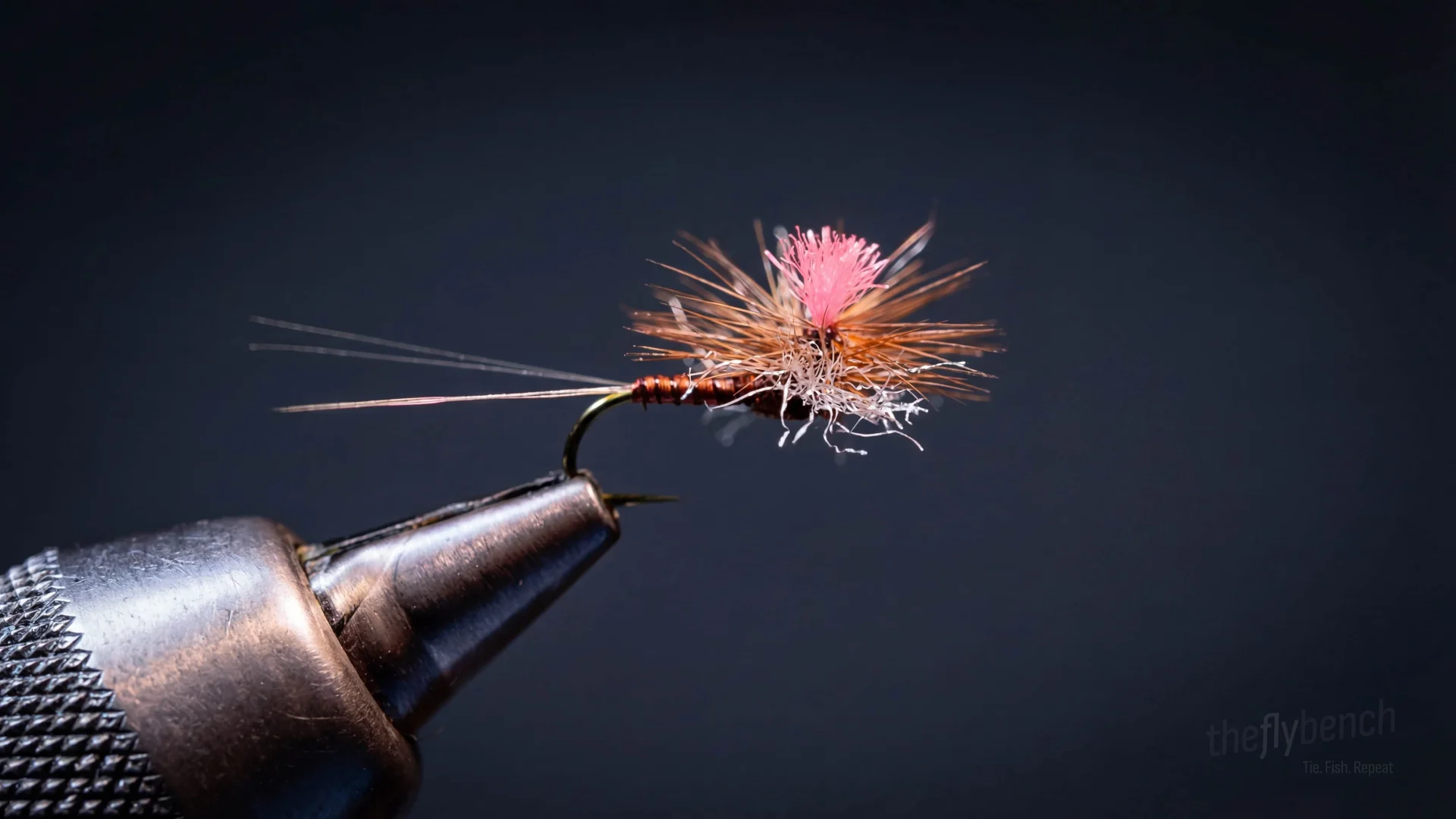
The Profile Spinner is a mayfly spinner imitation that combines realistic silhouette with excellent visibility for the angler. This pattern features a goose biot body for segmented realism, mayfly tail fibers for the characteristic split tails of spent spinners, a cerise McFlylon parachute post for visibility, polypropylene macrame yarn spent wings, and parachute-style hackle wound around the post. The design creates an accurate spinner profile while remaining visible to the angler during low-light spinner falls.
Spring, Summer, Fall
Intermediate
Trout
Dec 2025
Overview
This Charlie Craven pattern from Charlie's Fly Box represents a thoughtful approach to spinner imitation that balances realism with fishability. The goose biot body creates the segmented appearance of natural mayfly spinners while the polypropylene yarn wings suggest the translucent, spent wings of dead and dying mayflies. The parachute hackle design allows the fly to land softly and sit flush in the surface film like a natural spinner. The cerise parachute post is a key feature - while it provides excellent visibility for the angler in low-light conditions typical of spinner falls, it doesn't spook fish because it sits above the water's surface where trout focus on the body and wings in the film.
Materials
Hook: Tiemco 100SPBL, #12-18
Thread: Veevus 14/0, rusty brown
Tail: Mayfly Tails, dun or brown
Body: Goose Biot, rusty brown or brown
Parachute Post: McFlylon, cerise
Wing: Polypropylene Macrame Yarn, silver
Hackle: Rooster Cape or Saddle (Whiting), brown or light dun
Glue: Zap A Gap
Behavior & Presentation
Natural Behavior: Adult mayflies return to the water after mating, their wings spreading flat against the surface as they expire and drift helplessly. These spinners concentrate in specific feeding lanes where trout can sip them rhythmically without expending energy chasing mobile prey.
Where Trout Eat It: Trout intercept spinners drifting in the surface film throughout flat tailouts, pool slicks, and gentle runs where spent mayflies accumulate after evening falls.
How to Fish It: Dead drift flush in the surface film where the parachute hackle supports the pattern while the body settles naturally. Match the delicate feeding rhythm of spinner-focused trout with drag-free presentations.
Best Water: Target flat tailouts, pool slicks, and seams where spinners collect during evening falls and trout establish feeding positions.
Strike Type: Expect subtle sipping rises where the fish barely dimples the surface as it inhales the spent mayfly.
Fishing Strategy
Rigging Suggestions: Fish on a long, fine leader of 12-15 feet tapering to 6X-7X fluorocarbon tippet. The fine tippet ensures drag-free drifts essential for spinner fishing. Apply floatant sparingly to the hackle and post only, allowing the body to sit in the film.
Seasonal Timing: Most effective during mayfly spinner falls. Peak effectiveness occurs during evening and early morning when spinners return to the water to lay eggs and die.
Pro Tips: The cerise parachute post provides excellent visibility for the angler while the hackle keeps the fly floating properly. The body should penetrate the surface film slightly, mimicking the flush profile of natural spent spinners.
Entomology
Spent mayfly spinners lie flush in the surface film with outstretched wings after completing their mating flights and egg-laying duties. Trout sip these dying adults delicately because spinner falls create concentrated feeding opportunities where large numbers of insects become trapped and fully exposed.
- Order
- Ephemeroptera
- Common Name
- Mayfly
- Organism Type
- insect
- Life Stage
- spinner