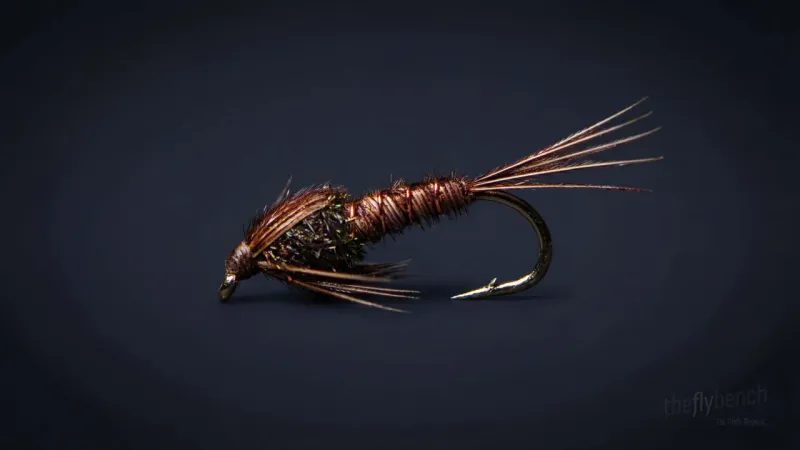
NymphCDC Pheasant Tail
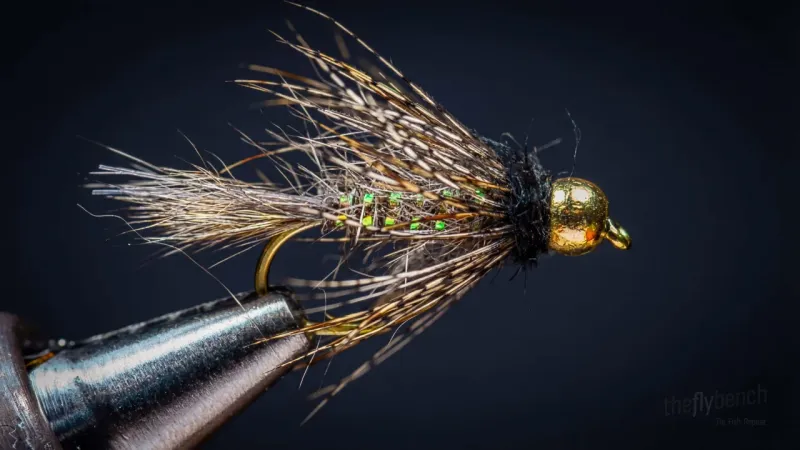
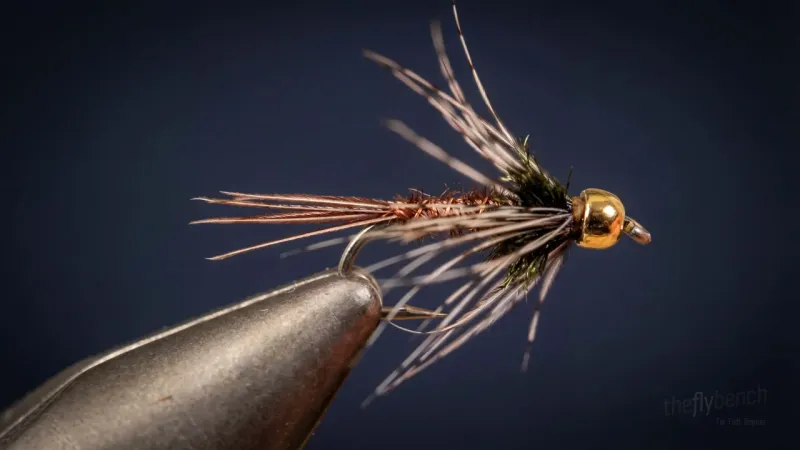
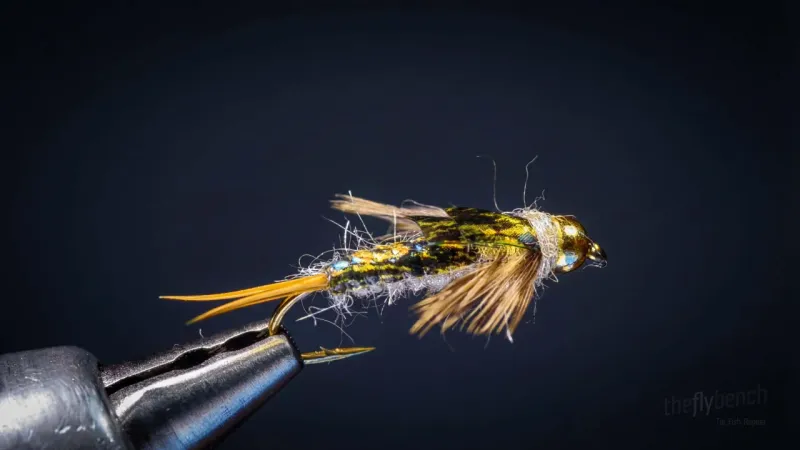
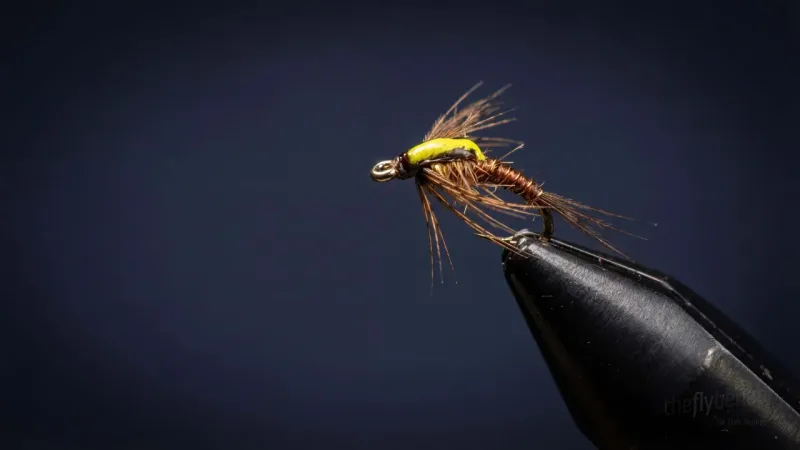
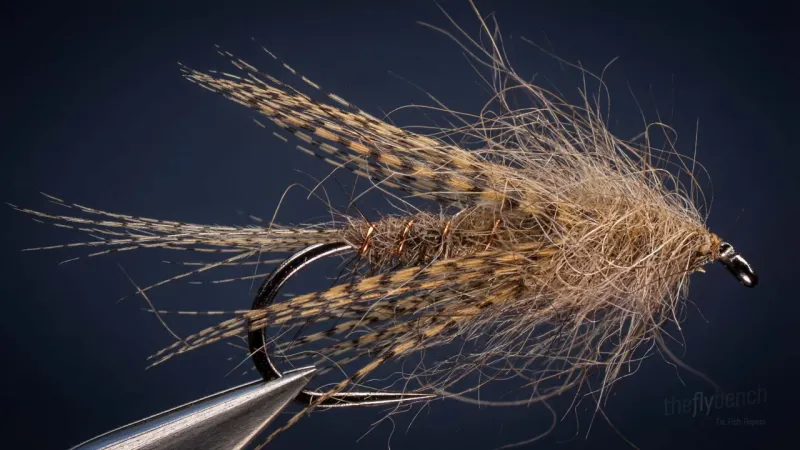
The CDC Pheasant Tail is a variation of the classic Pheasant Tail, adding the buoyancy and movement of CDC feathers. The fly effectively represents a variety of mayfly nymphs and is a proven pattern for trout fishing in both still and moving water.
Spring, Summer, Fall
Intermediate
Trout
Apr 2025
Overview
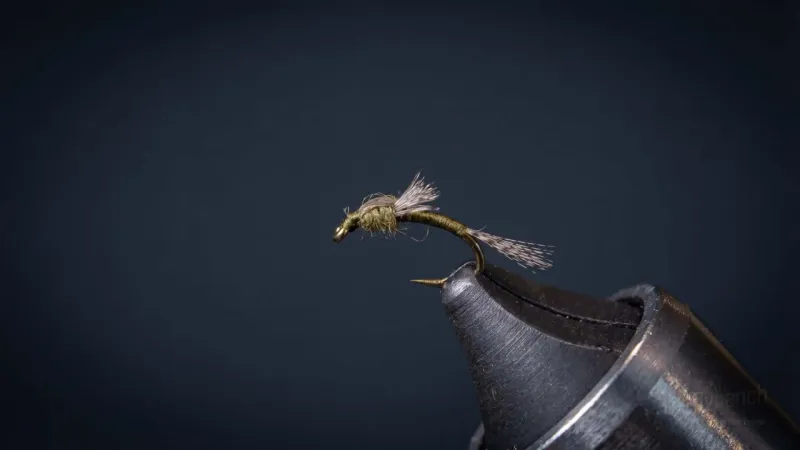
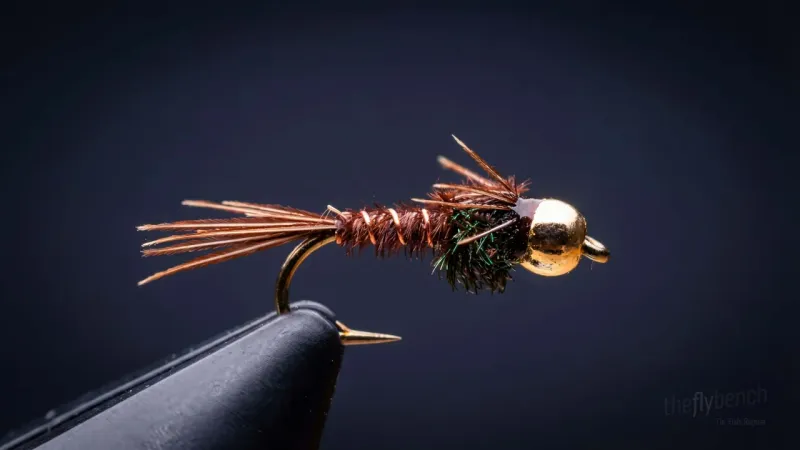
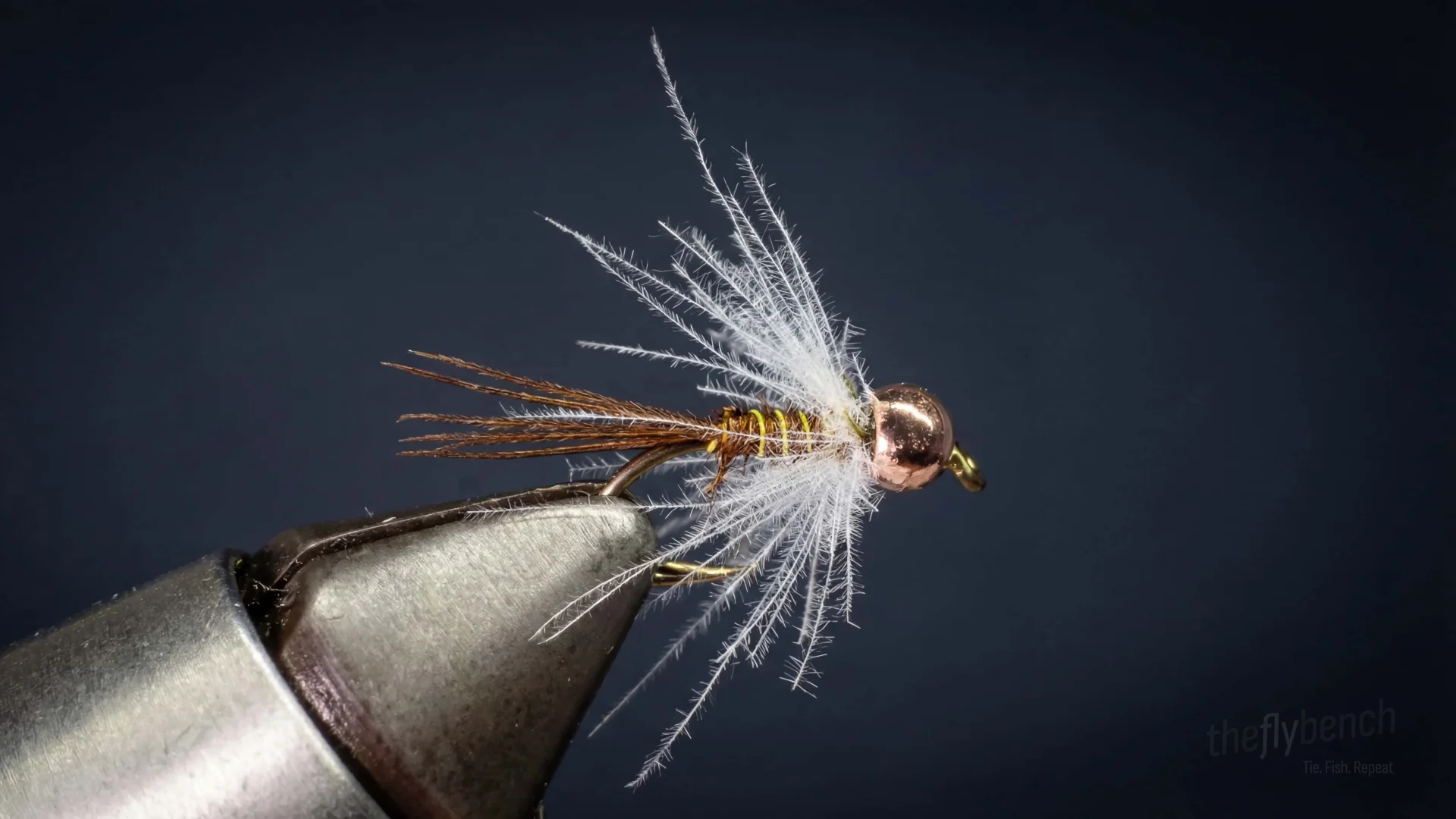
A variation of the classic, this version swaps the traditional wingcase or flash for a sparse CDC feather tied in as an emergent wing or soft hackle. Use pheasant tail fibers for the tail and abdomen, fine wire for ribbing, and a thorax of peacock herl or dark dubbing. Finish with a CDC puff or wrap to add natural movement.
Where to Buy This Fly
We only link to fly shops we trust. Some links are referral links, which may earn us a commission at no extra cost to you.
Materials
- Hook:
- Tiemco 3769, size #14–#18
- Thread:
- Brown Veevus 14/0
- Tail:
- Pheasant tail fibers
- Body:
- Pheasant tail fibers
- Ribbing:
- Fine copper wire
- Thorax:
- Peacock herl
- Wing:
- Natural CDC feathers
Behavior & Presentation
Natural Behavior: Nymphs cling to submerged structure in moderate currents, releasing their grip to tumble short distances before re-attaching, with behavioral drift intensifying during dawn and dusk preceding emergence.
Where Trout Eat It: Fish station themselves in feeding lanes to intercept these drifting nymphs throughout the season, recognizing them as primary subsurface food items.
How to Fish It: Dead drift with occasional induced movement to suggest restless pre-emergence behavior during peak behavioral drift periods.
Best Water: Effective in riffle edges, current seams, runs, and pockets where behavioral drift concentrates nymphs in predictable feeding lanes.
Strike Type: Takes ranging from subtle ticks to solid grabs depending on feeding intensity, often more aggressive during pre-hatch activity.
Fishing Strategy
Rigging Suggestions: This fly can be fished on a standard nymph setup or as part of a multi-fly rig.
Seasonal Timing: The CDC Pheasant Tail is effective from through when mayfly nymphs are active. Use this fly when mayfly nymphs are present in the water.
Pro Tips: The CDC Pheasant Tail sinks well but the CDC feathers also allow it to hover in the water column, mimicking a nymph rising to hatch.
Entomology
Mayfly nymphs cling to submerged rocks and vegetation in moderate currents, occasionally releasing their grip to tumble short distances downstream before re-attaching, a behavior that becomes more frequent preceding emergence. This behavioral drift occurs most intensely during dawn and dusk periods when nymphs become restless before ascending to emerge. Fish station themselves in feeding lanes to intercept these drifting nymphs because the combination of size, predictable drift timing, and regular availability makes them primary subsurface food items throughout the season.
- Order
- Ephemeroptera
- Common Name
- Mayfly
- Organism Type
- insect
- Life Stage
- nymph