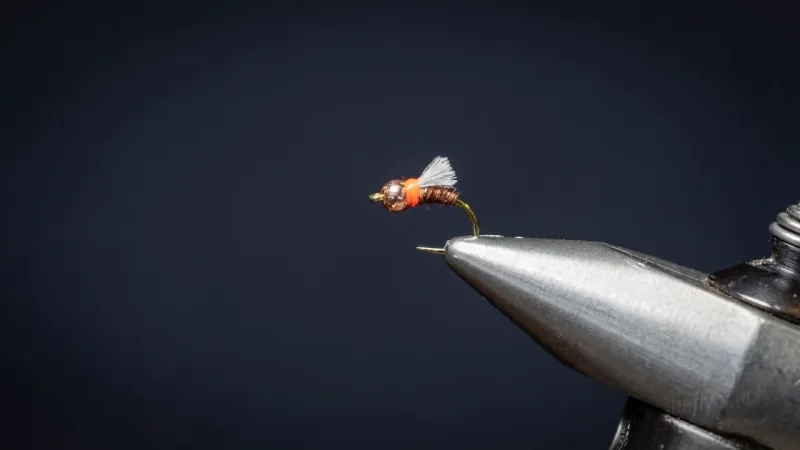
NymphSkinny Nelson
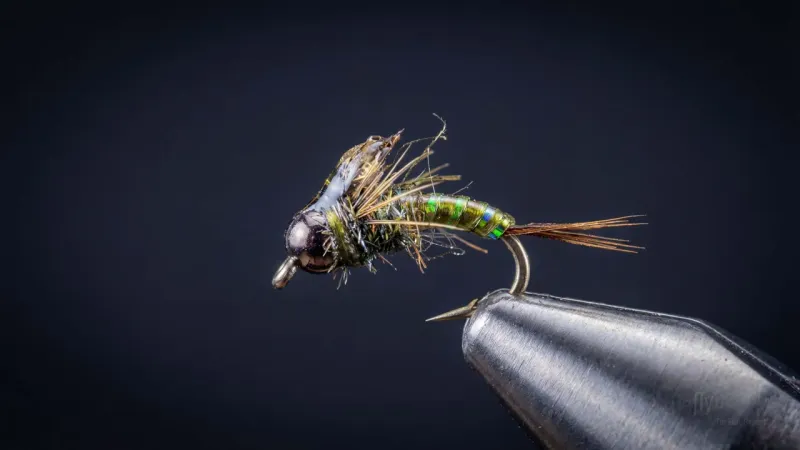
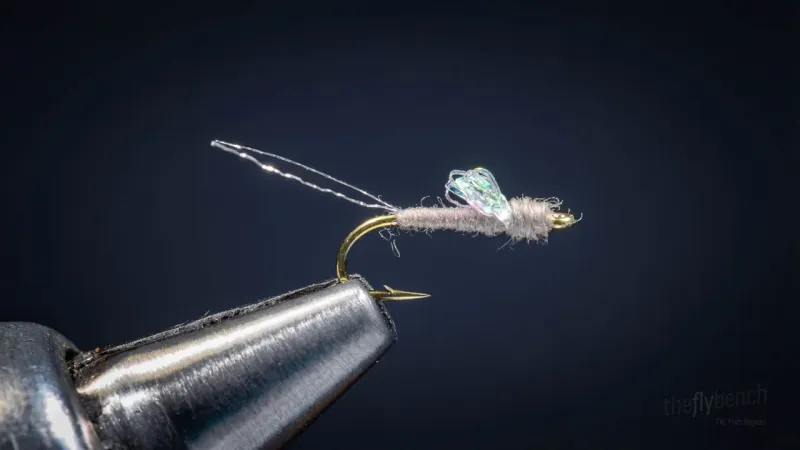
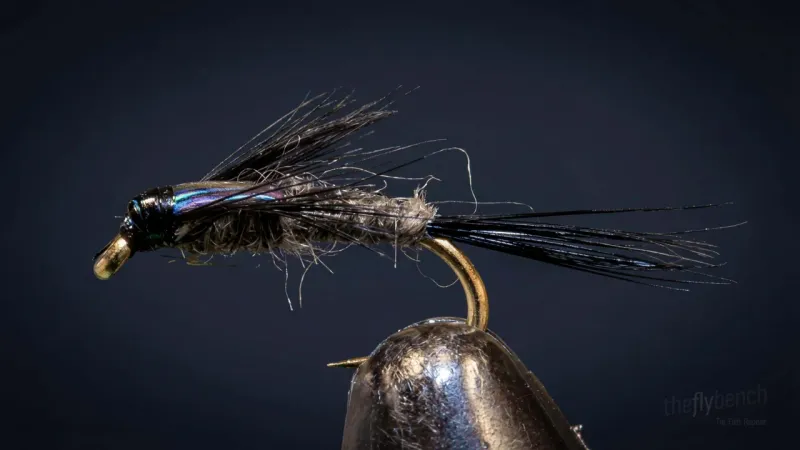
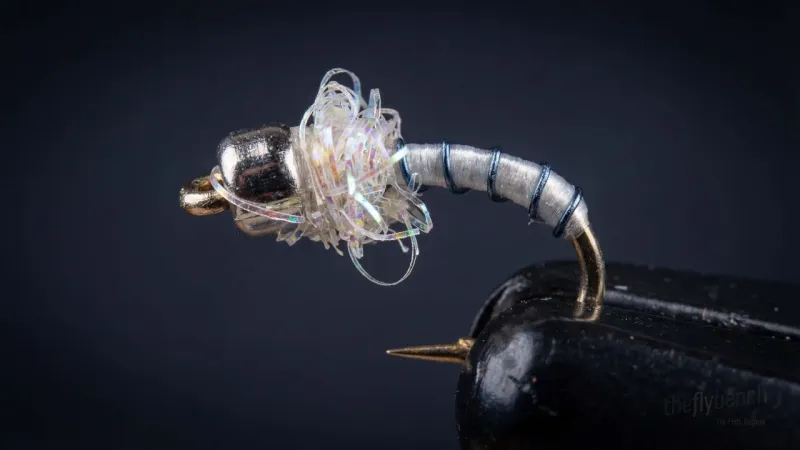
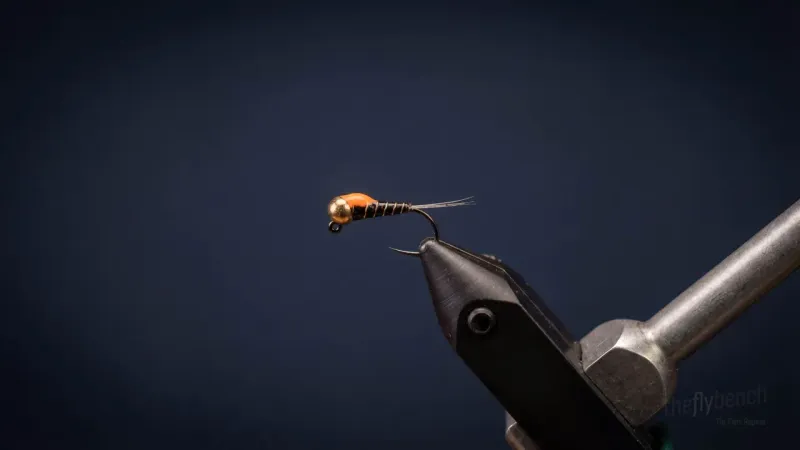
George Daniel's slender nymph features a thread body and minimal materials that create an ultra-realistic profile for imitating small Baetis nymphs and midge pupae. The pattern's sparse construction allows for quick descent in Euro nymphing rigs, making it a go-to choice for pressured tailwater trout feeding on tiny naturals.
Year Round
Intermediate
Trout
Apr 2025
Overview
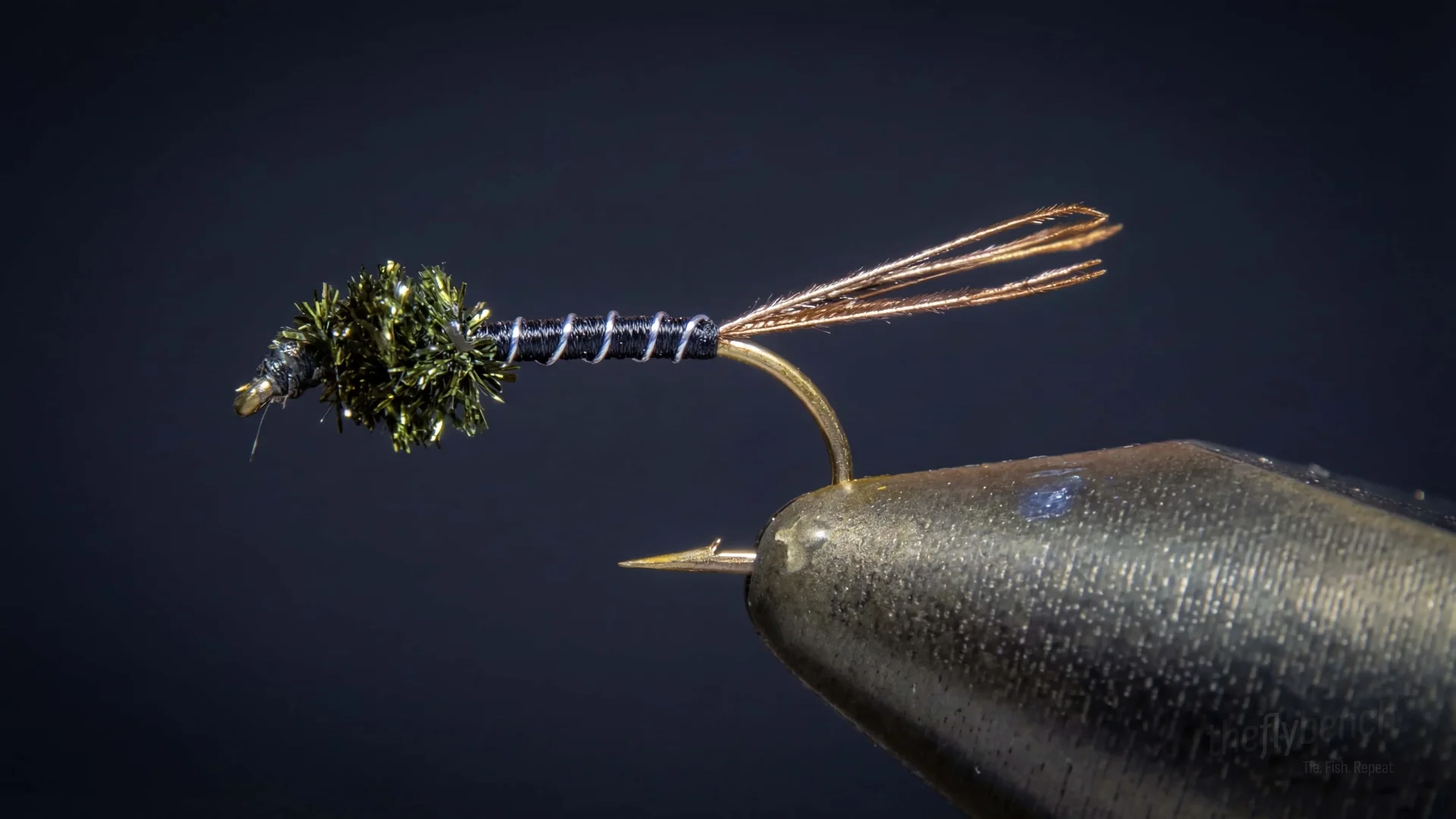
This micro-nymph pattern features a thin thread or wire-wrapped body (usually olive or brown), a sparse tail of pheasant tail or Coq de Leon, and a small bead for weight. It's a simple, fast tie ideal for imitating small mayfly or midge larvae, especially in technical tailwaters.
Where to Buy This Fly
We only link to fly shops we trust. Some links are referral links, which may earn us a commission at no extra cost to you.
Materials
- Hook:
- #16-20 Tiemco 100
- Thread:
- Black UTC 70
- Tail:
- Pheasant Tail
- Body:
- Black UTC 70
- Rib:
- Small Silver Wire
- Thorax:
- Peacock Herl
- Casing:
- Medium or Large Pearlescent Tinsel
Behavior & Presentation
Natural Behavior: Small baitfish swim in erratic patterns through open water, fleeing predators with quick directional changes and panicked bursts. These vulnerable fry get separated from schools and struggle against currents, becoming easy targets as they tire.
Where Trout Eat It: Trout ambush baitfish in mid-column positions near drop-offs and along channel swings where current concentrates vulnerable fry.
How to Fish It: Retrieve with short, erratic strips to imitate fleeing fry, pausing occasionally to let the fly sink and trigger following fish.
Best Water: Work drop-offs and channel swings in rivers and lake, targeting transition zones where baitfish move between feeding and shelter areas.
Strike Type: Trout strike aggressively with explosive takes as they chase down fleeing baitfish.
Fishing Strategy
Rigging Suggestions: Use 5X-6X fluorocarbon tippet with 9-12 foot leaders. Fish as a single fly on a Euro rig or as a dropper 18 inches below a larger anchor nymph. Keep tippet thin to allow natural drift in slow currents.
Seasonal Timing: Effective throughout the year, but particularly productive during late through early (November-March) when Baetis are active, and during midge emergences in tailwater fisheries.
Pro Tips: The gold ribbing provides just enough flash to attract attention without spooking selective feeders. Match hook size (18-22) to naturals observed on the water.
Entomology
Baetis nymphs and midge pupae exhibit slender profiles as they navigate through current seams and eddies, with pupae ascending vertically while nymphs drift horizontally along the bottom. Fish selectively feed on these streamlined insects in clear water conditions where their small size requires precise feeding, targeting concentrated emergence periods when efficiency improves.
- Order
- Ephemeroptera
- Family
- Baetidae
- Common Name
- Baetis
- Organism Type
- insect
- Life Stage
- pupa