NymphTwo Bit Hooker
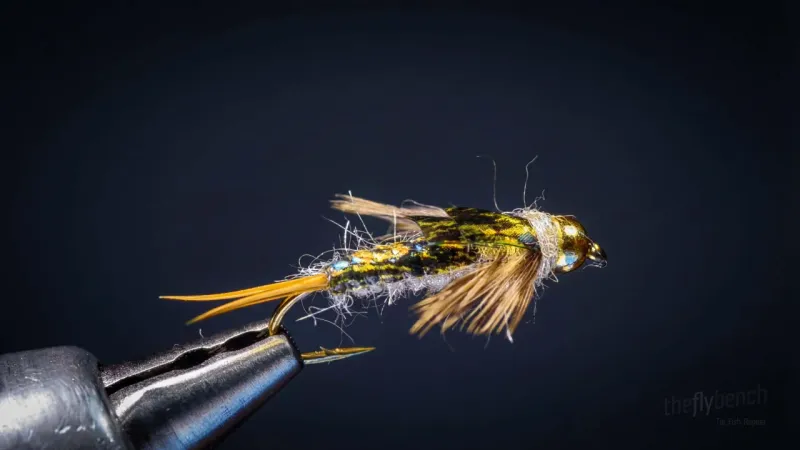
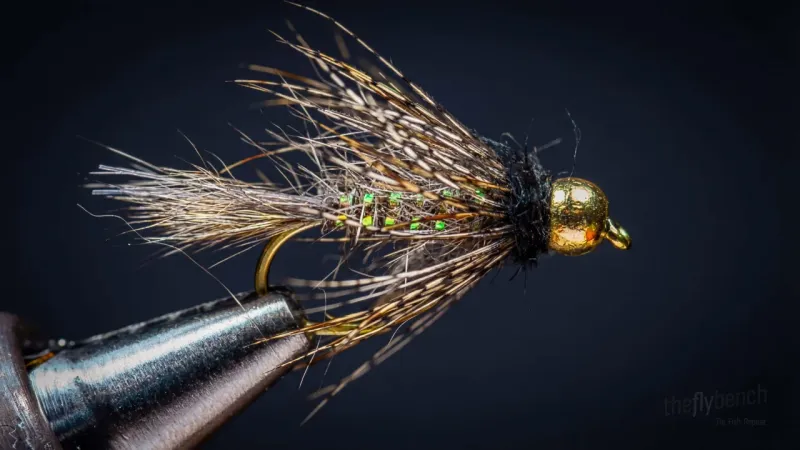
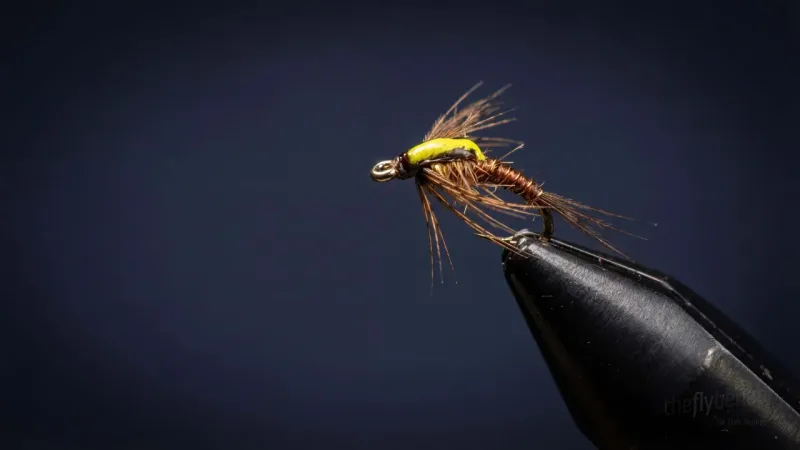
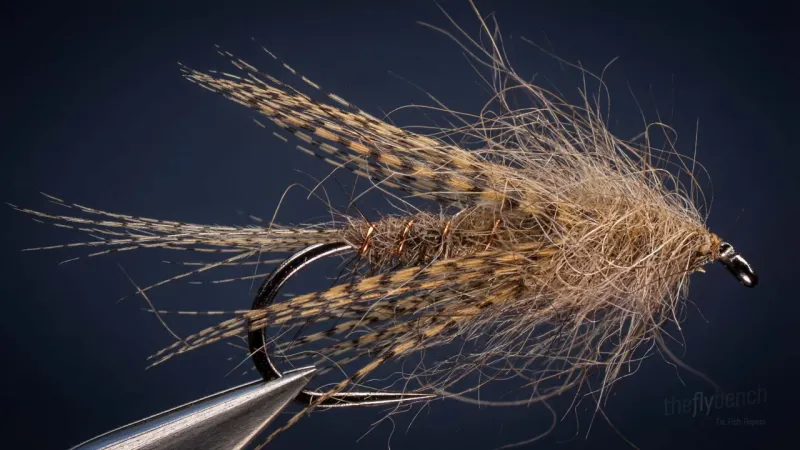
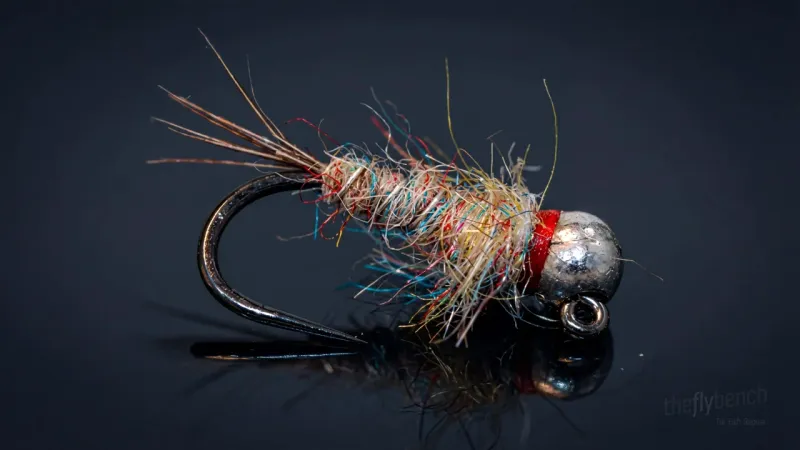
A popular and versatile nymph pattern designed to imitate a variety of mayfly nymphs. Its unique double-beaded design provides extra weight, allowing it to sink quickly to the feeding zone.
Year Round
Intermediate
Trout
Apr 2025
Overview
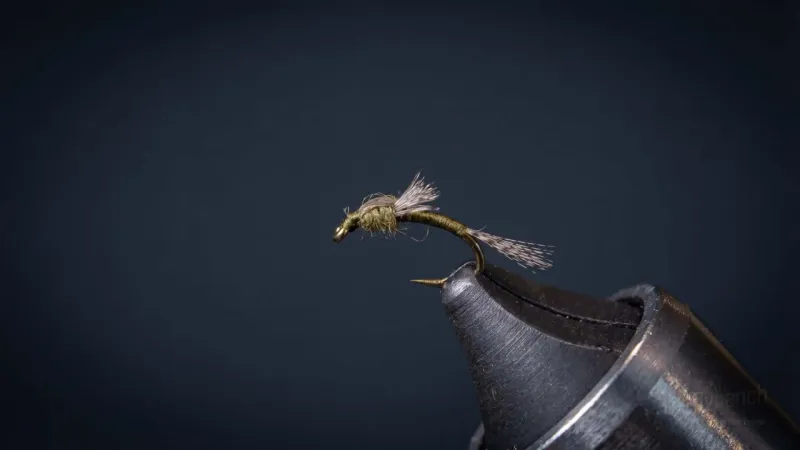
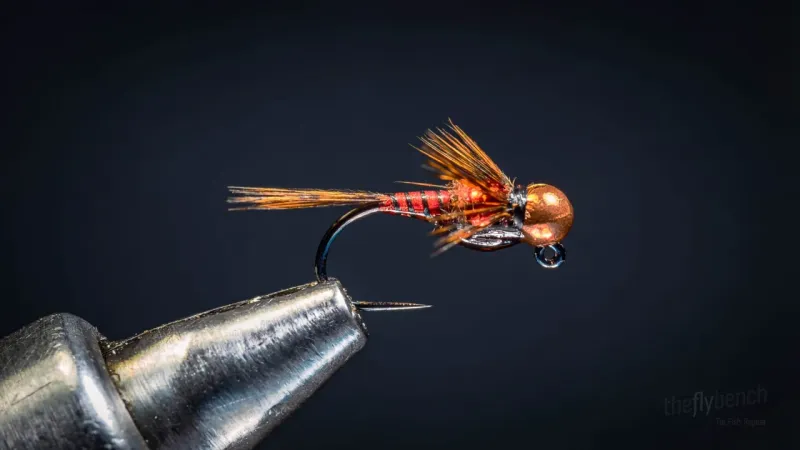
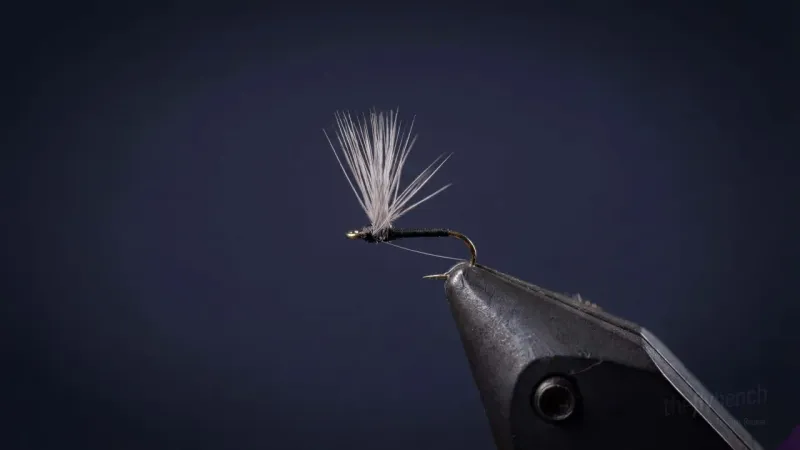
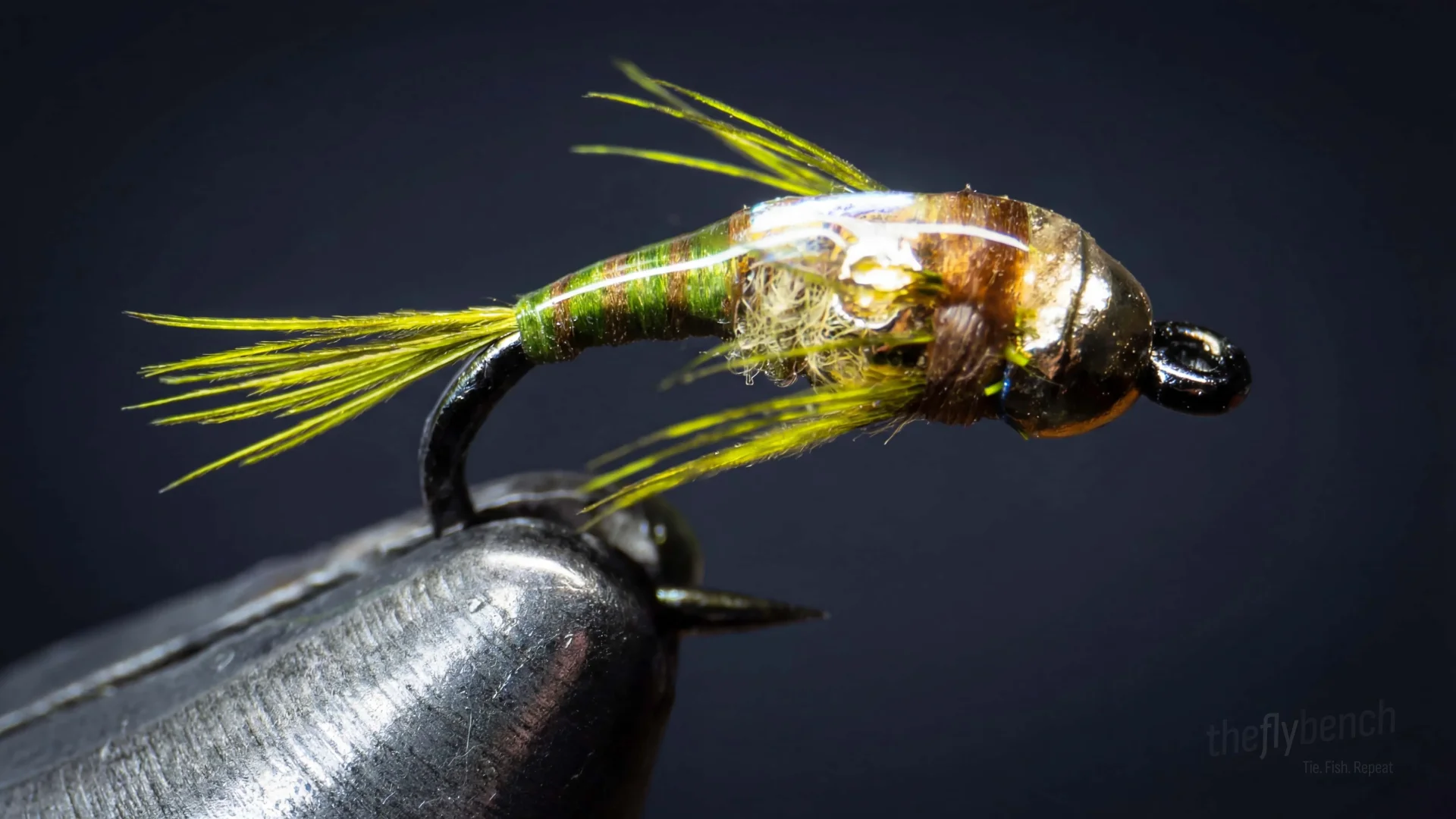
A double-bead mayfly nymph with a segmented synthetic or natural body, CDC legs, and a forked tail. The dual tungsten beads help it dive quickly. Tied in olive, brown, or black, it mimics baetis or other juvenile mayflies and is a favorite for fast water.
Where to Buy This Fly
We only link to fly shops we trust. Some links are referral links, which may earn us a commission at no extra cost to you.
Materials
- Hook:
- #14-18 Tiemco 921
- Bead:
- Tungsten, Copper
- Thread:
- Brown UTC 70 denier
- Tail:
- Mottled Brown India Hen Back Fibers
- Abdomen:
- Brown UTC 70 Denier
- Rib:
- Black UTC 70 Denier
- Wingcase:
- Medium Opal Mirage Tinsel
- Thorax:
- Rusty Brown Superfine Dubbing
- Legs:
- Mottled Brown India Hen Back Fibers
- Body Coating:
- Clear Resin Finish
Behavior & Presentation
Natural Behavior: Mayfly nymphs occasionally lose their grip on rocky substrates in moderate to fast currents, tumbling helplessly in the drift while attempting to regain purchase. Their continuous availability as displaced naturals makes them staple food throughout the year.
Where Trout Eat It: Trout feed on this double-beaded nymph in fast pocket water where mayfly nymphs tumble helplessly after losing grip. Fish intercept it in hydraulic cushions behind boulders.
How to Fish It: Dead drift along bottom allowing double-beaded design to sink quickly and create unique jigging motion. Use as lead fly in Euro-nymphing setup or point fly in tandem rig.
Best Water: Focus on fast pocket water 2-6 feet deep, hydraulic seams behind boulders, and deep channel slots.
Strike Type: The double-bead design creates distinct jigging action that triggers firm takes; watch for sharp indicator dips or line pulls.
Fishing Strategy
Rigging Suggestions: Can be used as the lead fly in a Euro-nymphing setup, or as the point fly in a traditional tandem rig.
Seasonal Timing: This pattern can be used throughout the year, but is particularly effective during Mayfly hatches.
Pro Tips: The double beads help this fly sink quickly to the feeding zone and also gives the fly a unique jigging motion that can entice strikes.
Entomology
Mayfly nymphs cling to rocky substrates in moderate to fast currents, occasionally losing their grip and tumbling helplessly in the drift while attempting to regain purchase on the bottom. Trout actively search for these drifting nymphs because they represent concentrated protein sources that appear continuously as naturals are displaced by current, making them a staple food item throughout the year.
- Order
- Ephemeroptera
- Common Name
- Mayfly
- Organism Type
- insect
- Life Stage
- nymph