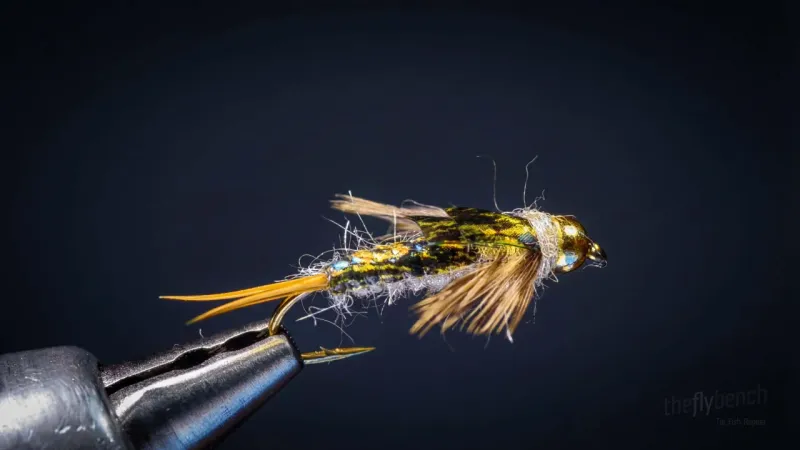
NymphPheasant Tail
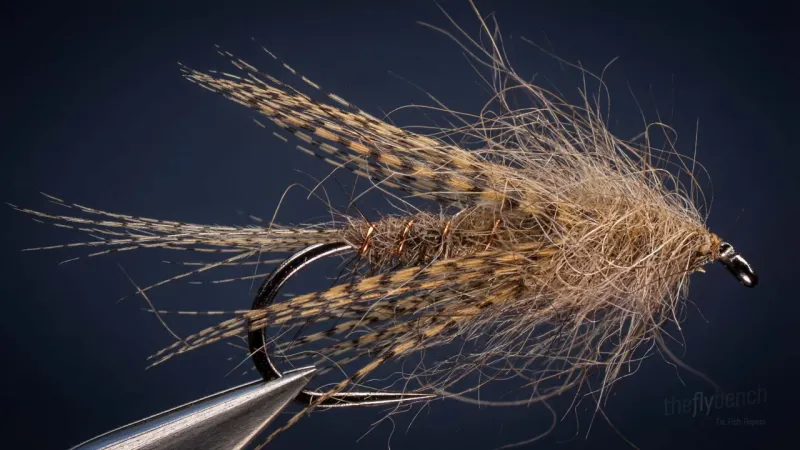
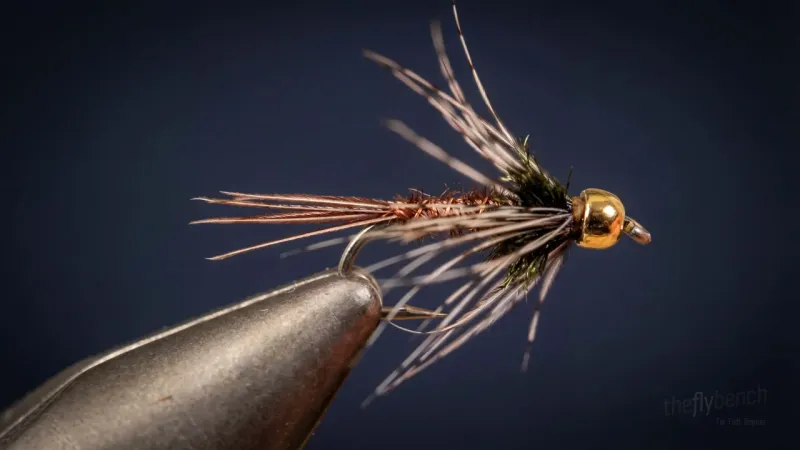
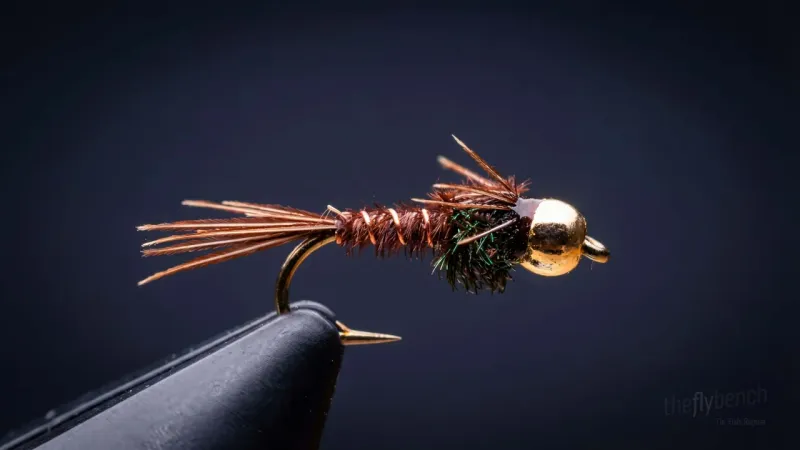
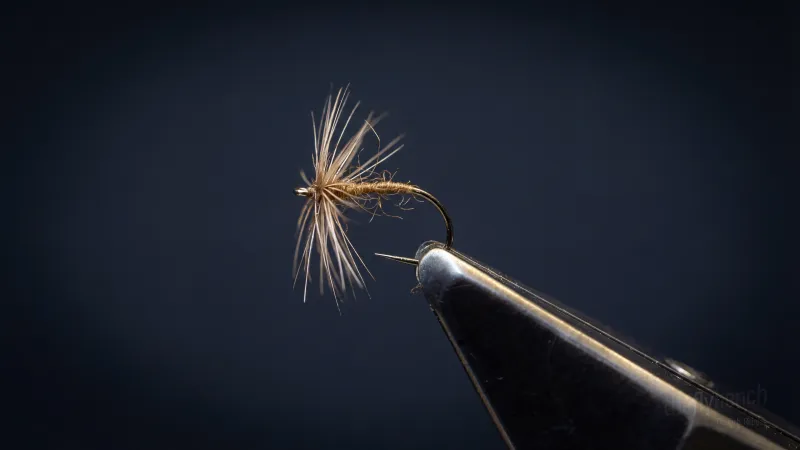
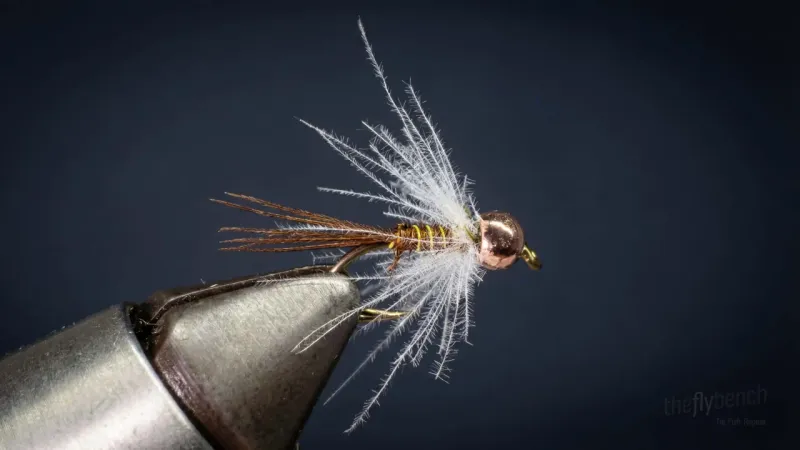
The Pheasant Tail is a classic nymph pattern that is extremely effective at catching trout. It's versatile, imitating a wide range of mayfly nymphs, and is a proven pattern around the world.
Spring, Summer, Fall
Intermediate
Trout
Apr 2025
Overview
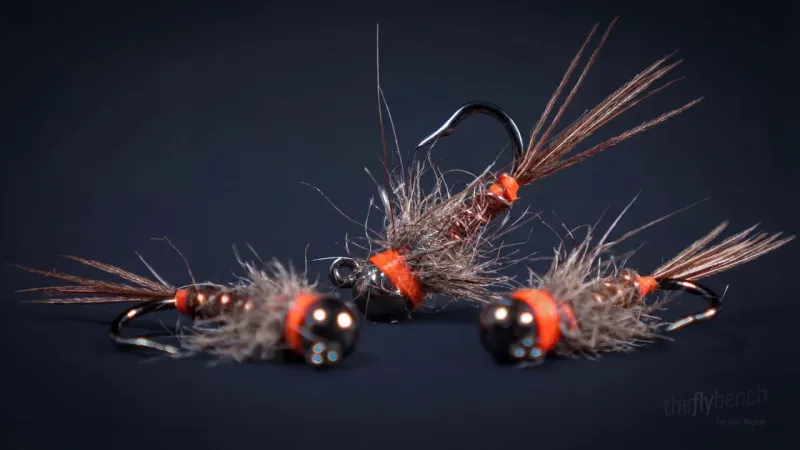
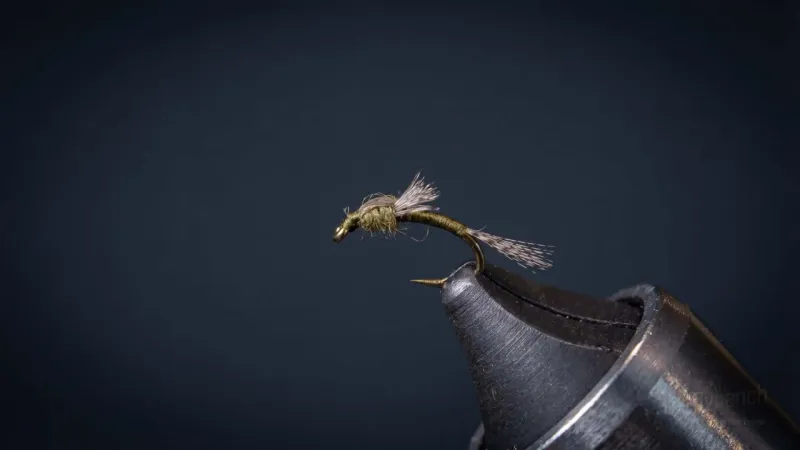
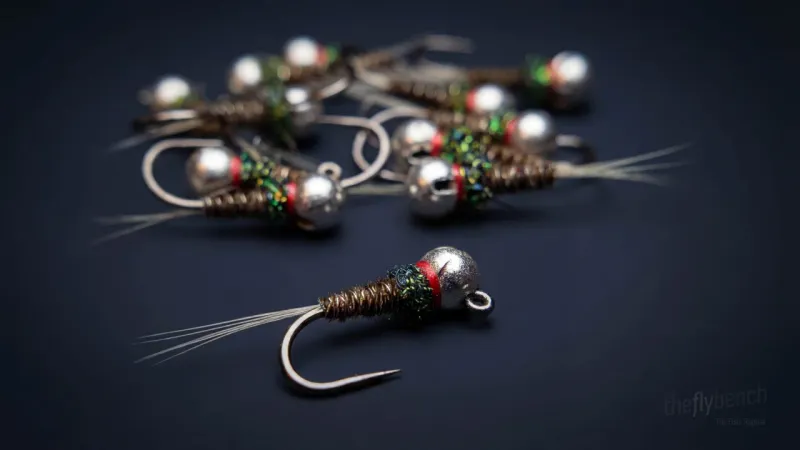
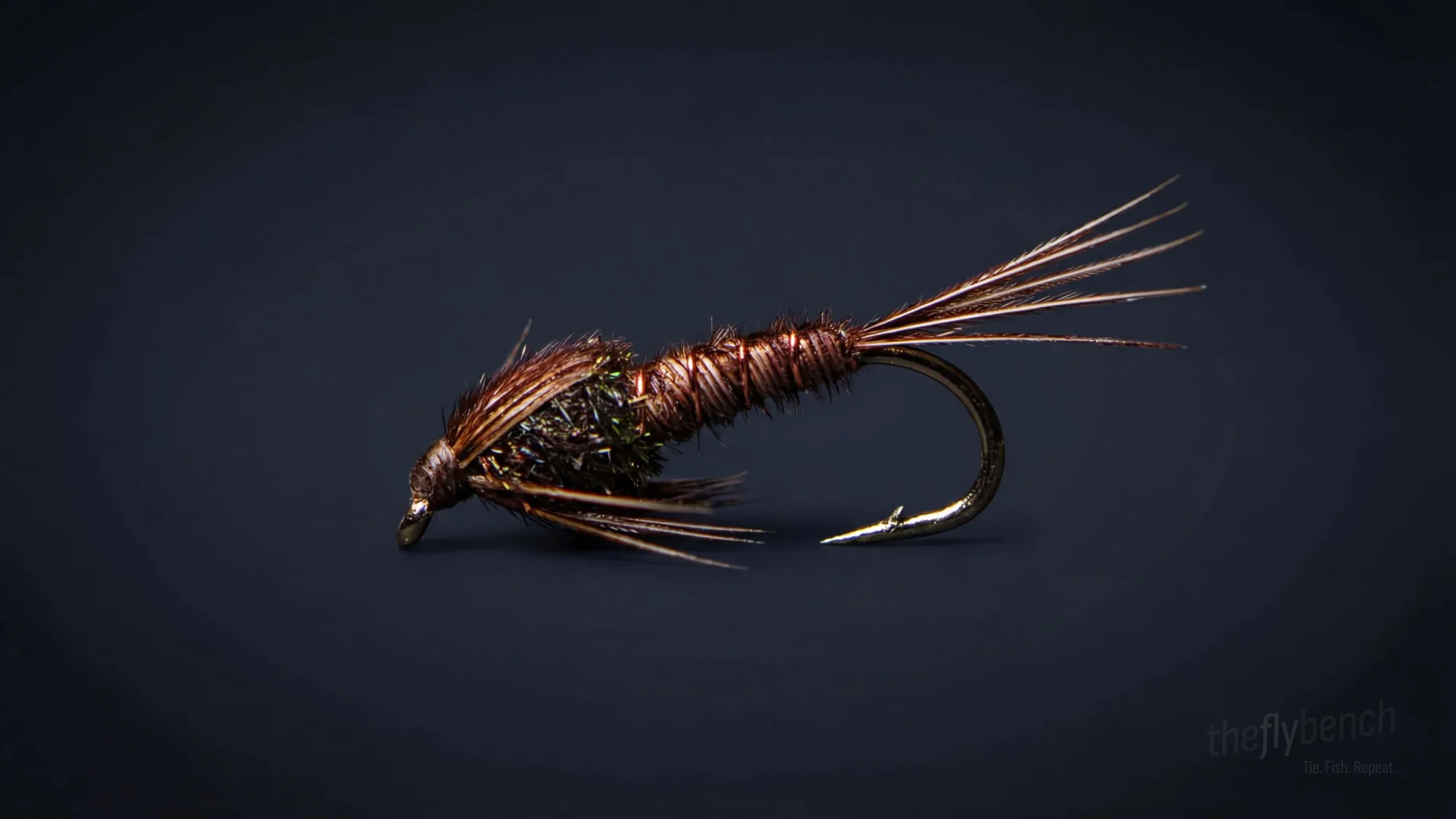
The Pheasant Tail is a timeless and highly adaptable nymph pattern known for its natural profile and effectiveness across a wide range of insect hatches. Variants include beadhead versions, flashback wingcases, and color changes to better imitate specific mayfly species or add visibility in different water conditions.
Where to Buy This Fly
We only link to fly shops we trust. Some links are referral links, which may earn us a commission at no extra cost to you.
Materials
- Hook:
- Tiemco 3769, size #12–#20
- Thread:
- Brown Veevus 14/0
- Tail:
- Pheasant tail fibers
- Body:
- Pheasant tail fibers wrapped forward
- Ribbing:
- Fine copper wire
- Thorax:
- Peacock herl
- Wingcase:
- Pheasant tail fibers
- Legs:
- Pheasant tail fibers
- Resin Coating:
- Solarez Bone Dry UV resin
Behavior & Presentation
Natural Behavior: Mayfly nymphs crawl along rocky bottoms before dislodging into drift lanes, tumbling helplessly until finding new purchase.
Where Trout Eat It: Fish hold in feeding lanes at mid-depth, intercepting drifting nymphs tumbling through riffles and runs.
How to Fish It: Dead drift near bottom with natural current speed, allowing the slim profile to tumble naturally through feeding zones.
Best Water: Focus on runs, pockets, and channel swings where current delivers nymphs. Tail-outs and drop-offs hold feeders.
Strike Type: Watch indicator for dips, hesitations, or pauses in the drift and set immediately.
Fishing Strategy
Rigging Suggestions: Try fishing this fly as part of a nymph rig, with a heavier nymph as the lead fly and the Pheasant Tail as the trailing fly.
Seasonal Timing: This fly is most effective in the and seasons when mayflies are most active. Use the Pheasant Tail nymph when mayflies are active, or when nothing else seems to be working. It's a versatile fly that can be effective year-round.
Pro Tips: This fly sinks and is not highly visible, so a strike indicator may be useful.
Entomology
Mayfly nymphs cling to rocks, vegetation, and woody debris in diverse current speeds, periodically releasing to drift downstream as part of natural behavioral drift. They tuck their legs and gills against their bodies while drifting, tumbling helplessly through the current column. This universal behavior across multiple mayfly species makes the Pheasant Tail effective year-round, as trout consistently feed on drifting nymphs regardless of specific hatch conditions.
- Order
- Ephemeroptera
- Common Name
- Mayfly
- Organism Type
- insect
- Life Stage
- nymph