Euro NymphsTwo Bit Jig
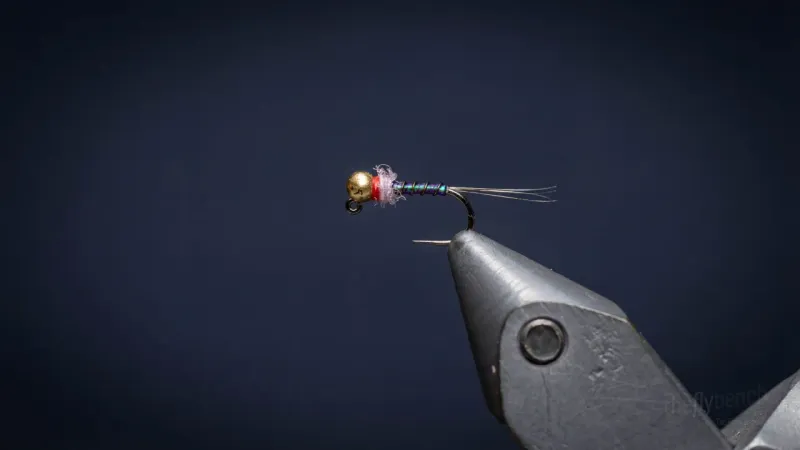
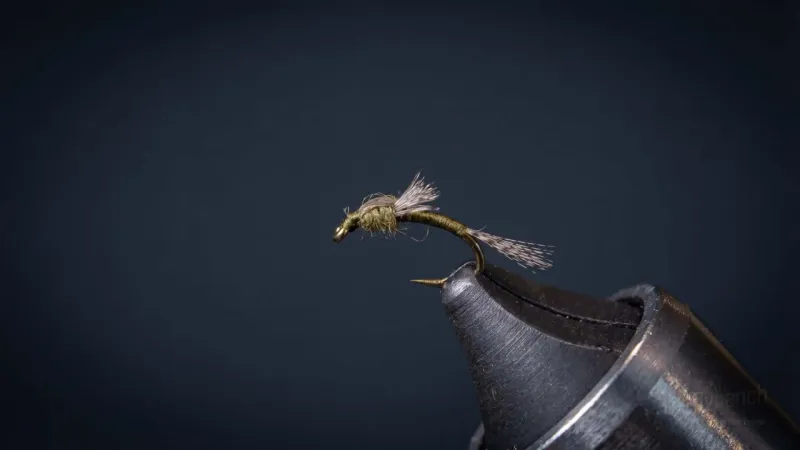
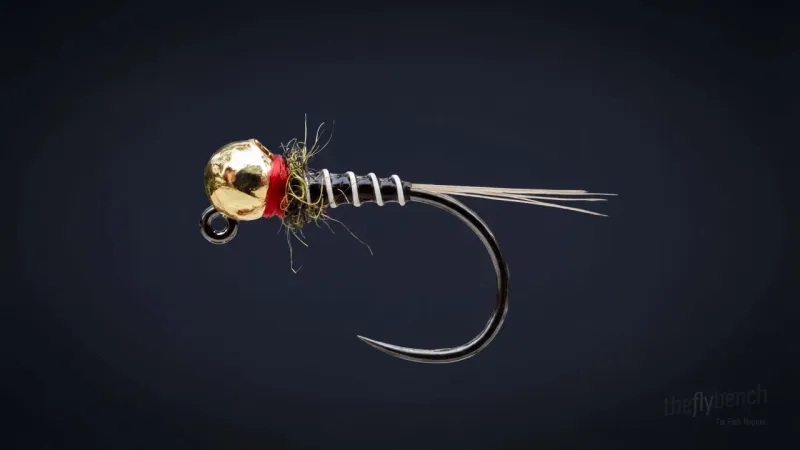
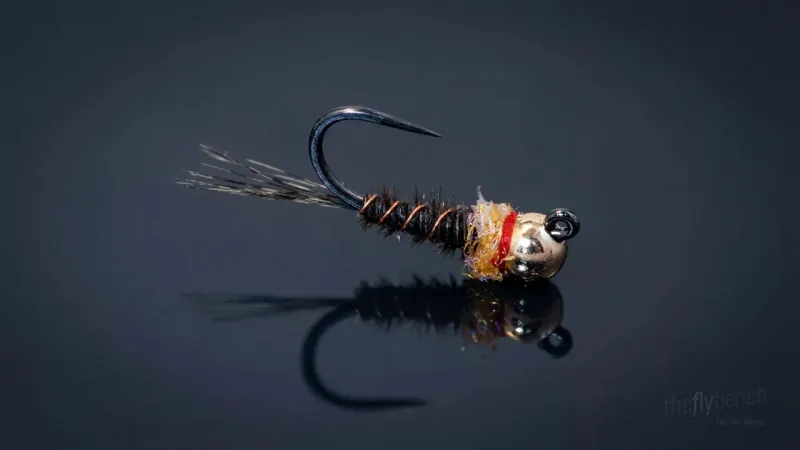
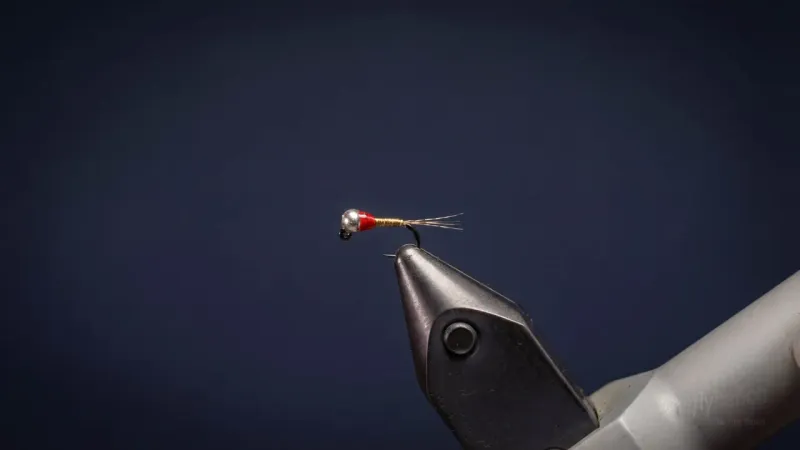
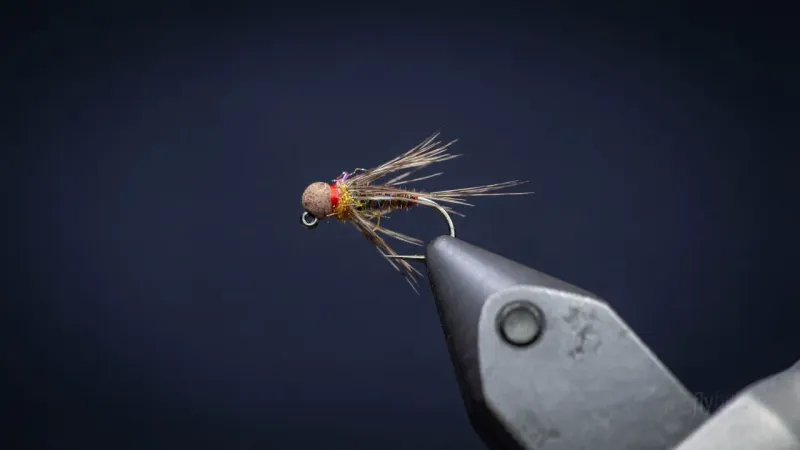
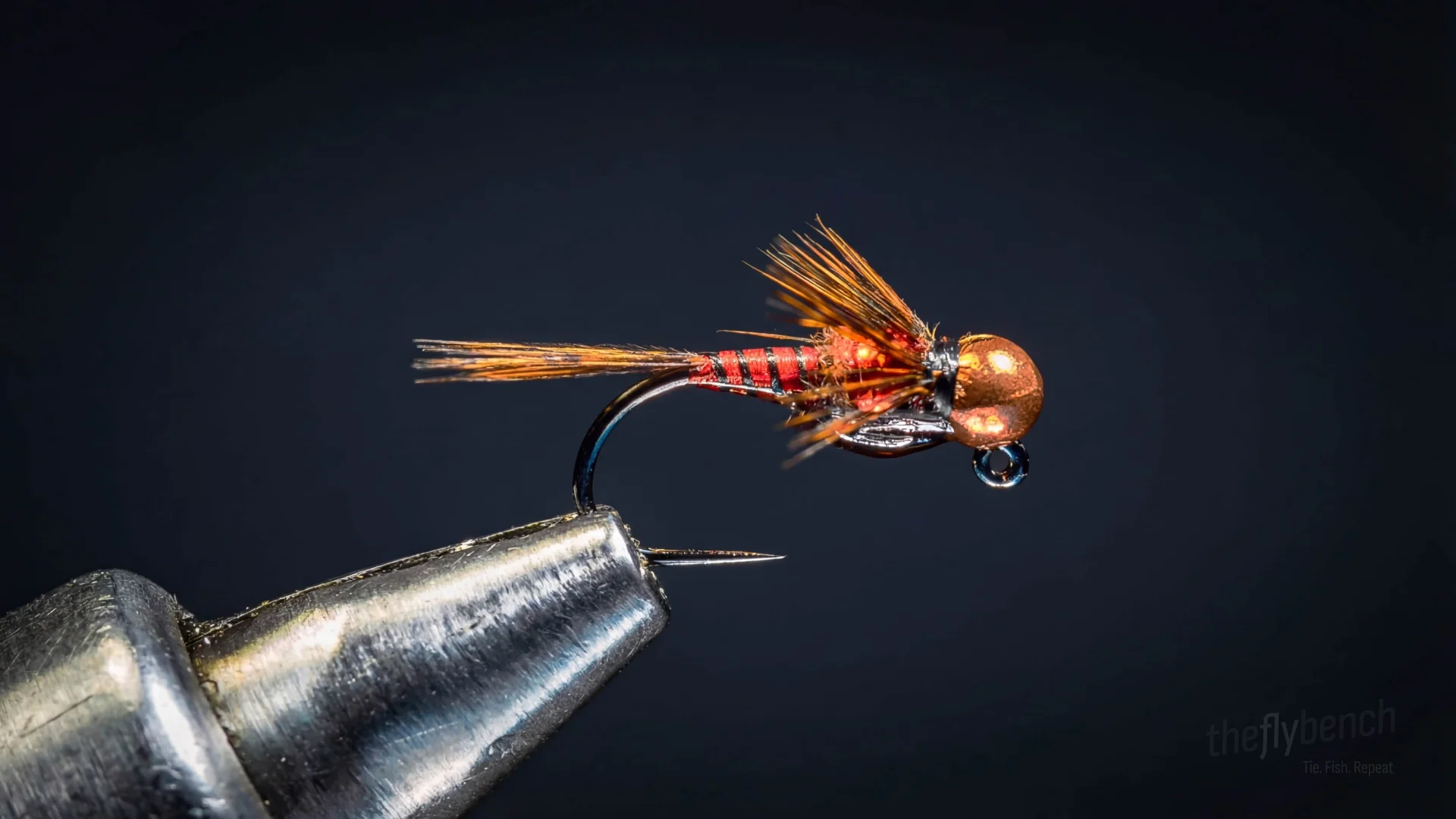
The Two Bit Jig is a jig-hook adaptation of the popular Two Bit Hooker pattern, designed for euro nymphing presentations. This pattern features a dual bead system with a brown slotted tungsten bead and a smaller red collar bead that creates a distinctive hot spot, an India hen back tail and legs, a slim black thread body, and a mahogany superfine dubbing thorax. The jig hook configuration ensures the fly rides point-up, reducing snags while maintaining an attractive presentation.
Year Round
Intermediate
Trout
Dec 2025
Overview
This Charlie Craven pattern from Charlie's Fly Box represents a euro nymphing adaptation of the classic Two Bit Hooker. The dual bead system is a signature element - the larger brown tungsten bead provides weight and the head profile, while the smaller red bead creates a collar hot spot that serves as an attractor element. The jig hook (Tiemco 403BLJ) positions the fly to ride point-up, which significantly reduces snagging on the bottom while keeping the fly in the strike zone longer. The India hen back provides soft, mottled fibers for both tail and legs that suggest the appendages of natural mayfly nymphs. The slim black thread body creates a segmented appearance and quick sink rate. The mahogany superfine dubbing thorax adds bulk where mayfly nymphs naturally have it while providing a contrasting color zone. UV resin coating adds durability and a subtle sheen.
Materials
Hook: Tiemco 403BLJ, #14
Bead: Tungsten Slotted Bead (3.3mm), brown
Bead 2: Bead (7/64), red
Thread: Veevus 14/0, red and black
Tail: India Hen Back
Body: Veevus 14/0, black (thread body)
Thorax: Superfine Dubbing, mahogany
Legs: India Hen Back
Coating: Solarez UV Resin (medium)
Behavior & Presentation
Natural Behavior: Blue-winged olive nymphs swim actively between rocks using undulating body movements while foraging, alternating between clinging and drifting freely. Their consistent presence in drift samples and active behavior make them predictable targets.
Where Trout Eat It: Fish hold near bottom in riffles and runs, intercepting drifting nymphs as they tumble through feeding lanes.
How to Fish It: Fish tight-line euro style maintaining direct contact, allowing the jig hook to bounce along bottom without snagging.
Best Water: Target riffles with moderate current delivering consistent drift, runs providing feeding stations, and pocket water concentrating nymphs.
Strike Type: Watch for sighter sags, subtle ticks, or slight pauses indicating takes during the drift.
Fishing Strategy
Rigging Suggestions: Fish on a euro nymphing leader with 5X-6X fluorocarbon tippet. Works well as a point fly in a two-fly rig, with a lighter pattern as a dropper. The weight makes it effective for anchoring a multi-fly system.
Seasonal Timing: Effective year-round but particularly productive during mayfly seasons. The dark coloration works well for imitating BWO nymphs and other dark mayfly species.
Pro Tips: This is a sinking pattern designed to probe the bottom of the water column. The red bead hot spot provides a trigger point that can provoke strikes even from neutral fish.
Entomology
Blue-winged olive nymphs swim actively through current lanes with undulating body movements, alternating between clinging to rocks and drifting freely as they forage for diatoms and organic matter. Their swimming behavior and predictable drift patterns make them easy targets for nymphing trout that recognize these frequent movements as feeding opportunities throughout cool-water seasons.
- Order
- Ephemeroptera
- Family
- Baetidae
- Common Name
- Blue-Winged Olive
- Organism Type
- insect
- Life Stage
- nymph