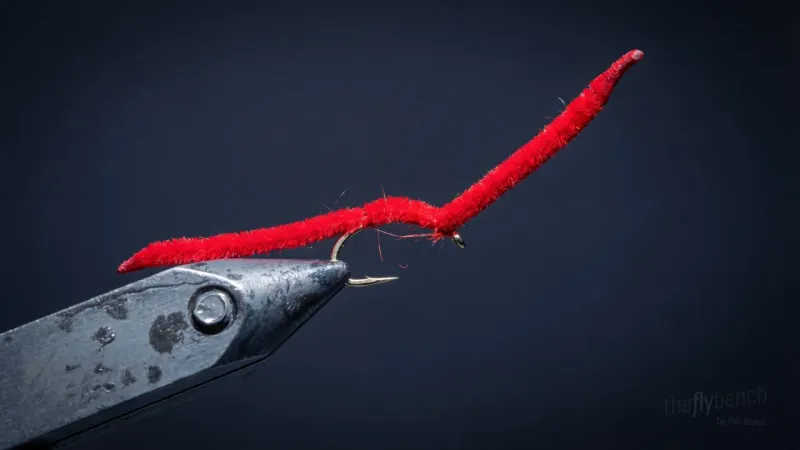
NymphTwist and Shout Worm
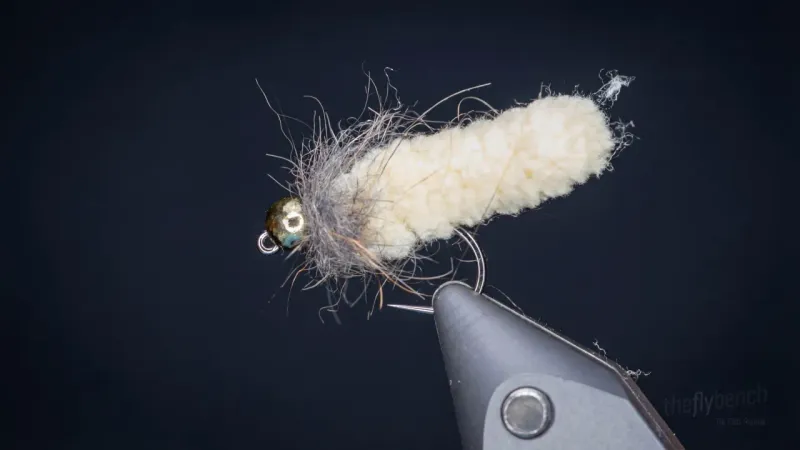
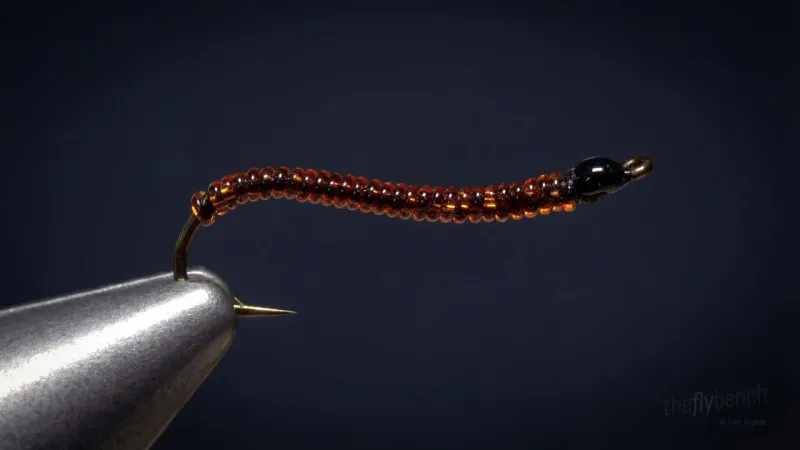
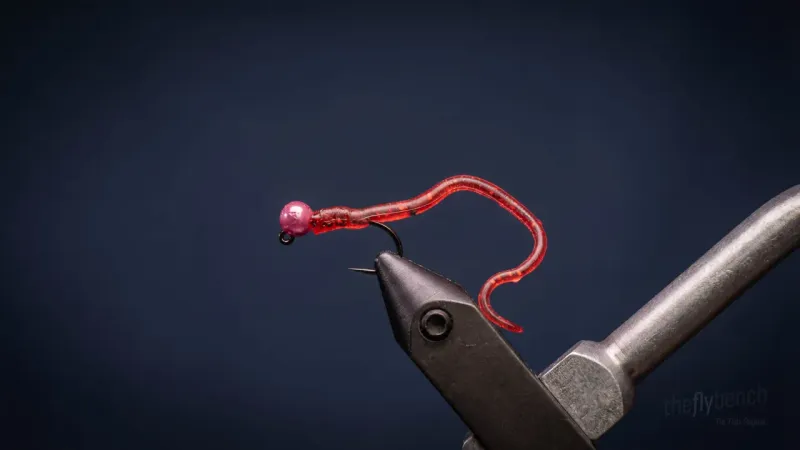
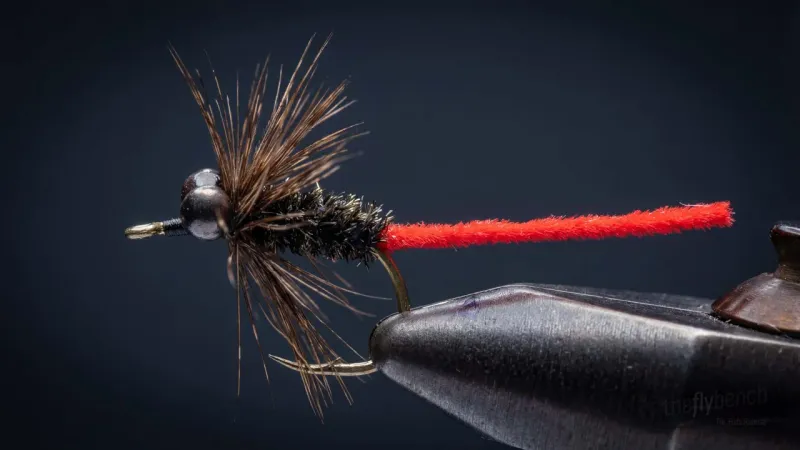
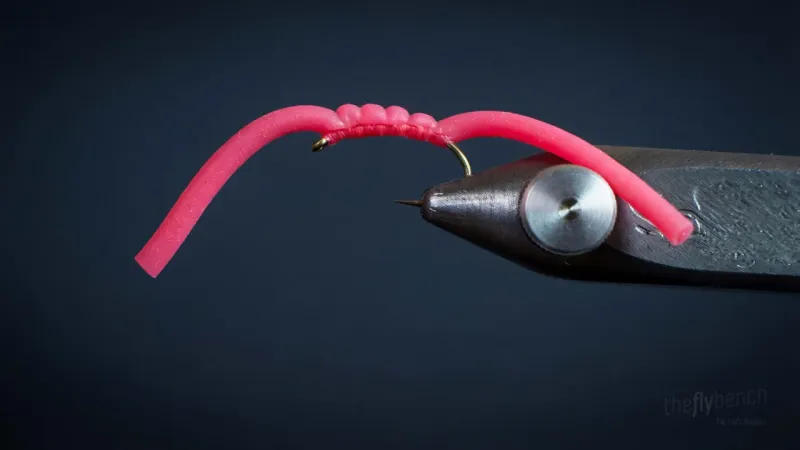
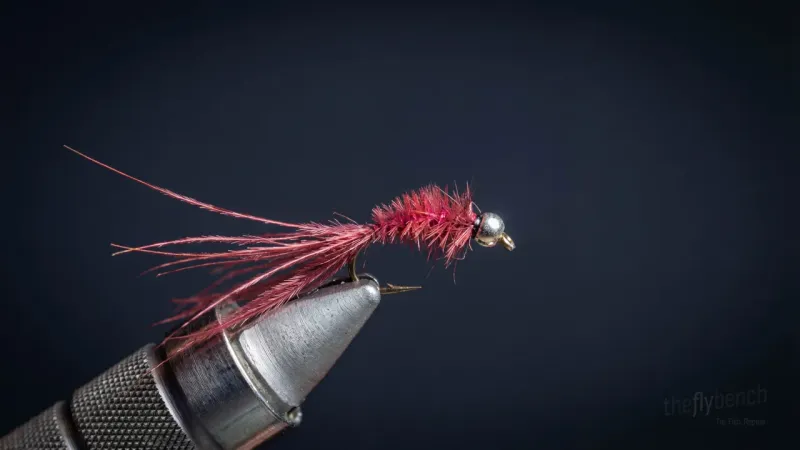
The Twist and Shout Worm is a deceptively simple yet highly effective aquatic worm imitation that uses ultra chenille to create a segmented, translucent body. This minimalist pattern features just tan ultra chenille wrapped on a curved hook, creating the natural appearance of the various aquatic worms that trout encounter in their environment. The name references the twisting motion used during construction and the reaction it provokes from fish.
Year Round
Beginner
Trout
Dec 2025
Overview
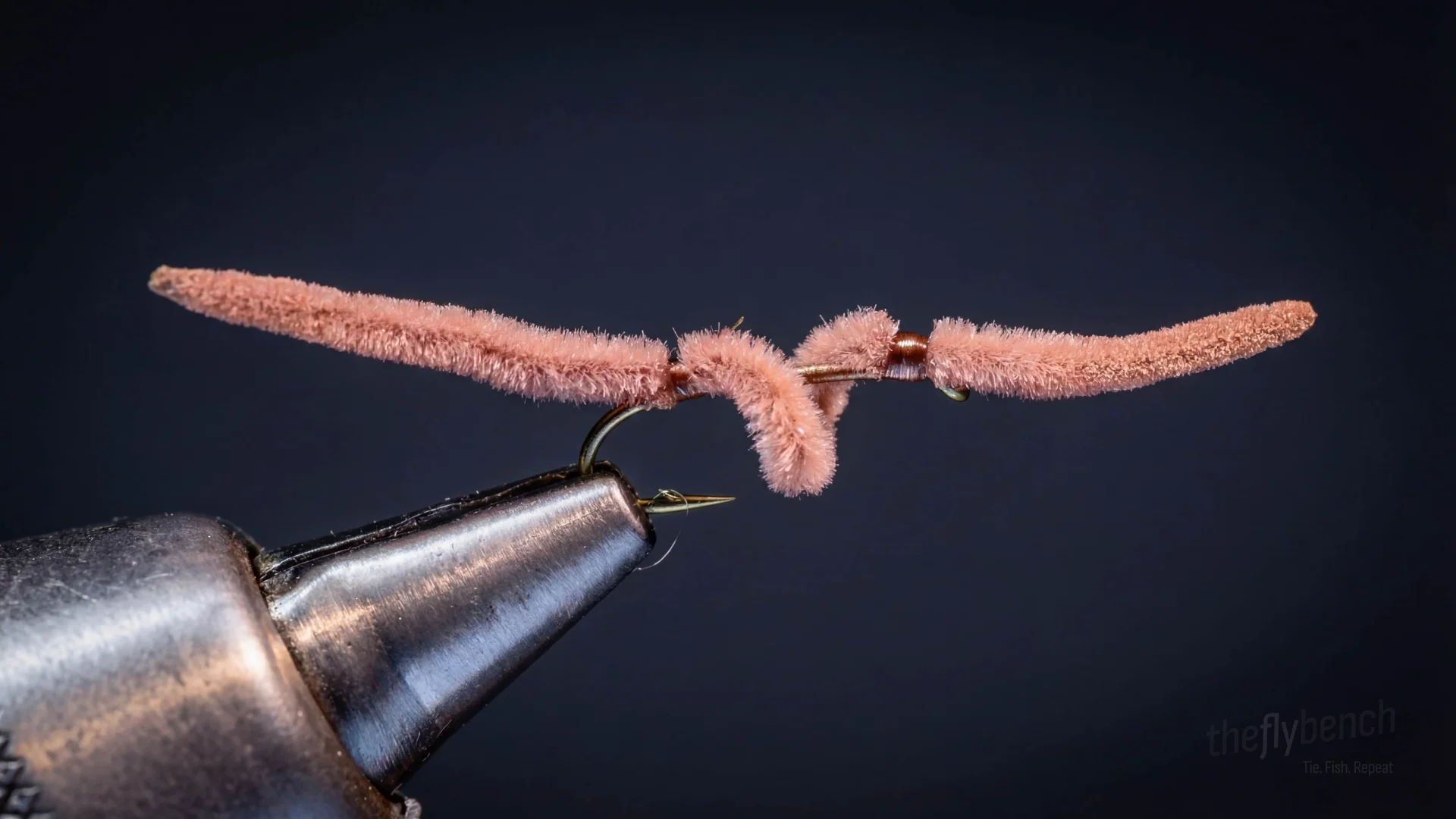
This Charlie Craven pattern from Charlie's Fly Box demonstrates that effective flies don't need to be complicated. The ultra chenille creates a segmented, slightly translucent body that accurately suggests various aquatic annelids and worms. The tan coloration matches a wide variety of natural worms found in streams and stillwater. The Tiemco 3761 is a standard nymph hook with a slight curve that helps the fly move naturally in the current. The brown thread creates a subtle head and secures the chenille. This pattern excels when trout are opportunistically feeding on worms that have been dislodged from the substrate by high water, wading anglers, or natural disturbance. Unlike the more famous San Juan Worm or Squirmy Wormy, this pattern uses ultra chenille for a more subtle, segmented appearance.
Materials
Hook: Tiemco 3761, #14
Thread: Magpie Thread 72D, brown
Body: Ultra Chenille, tan
Behavior & Presentation
Natural Behavior: Aquatic annelids drift helplessly through the current after being dislodged from bottom sediments during high water, wriggling ineffectively with no ability to swim or anchor. Their defenseless tumbling makes them easy high-visibility targets.
Where Trout Eat It: Fish hold near the bottom in runs and pockets, intercepting worms as they bounce and tumble through feeding zones.
How to Fish It: Fish deep with dead drift along the substrate, allowing the fly to tumble naturally through the strike zone like dislodged worms.
Best Water: Target runs with moderate current carrying drifting worms, pockets concentrating bottom-drifting food, and riffle edges where worms tumble.
Strike Type: Strikes appear as indicator dips, slight hesitations, or subtle line tightening during the drift.
Fishing Strategy
Rigging Suggestions: Fish on a 9-12 foot leader with 4X-5X fluorocarbon tippet. Add split shot as needed to get the fly bouncing along the bottom. Works well as a dropper below a dry fly or indicator, or as part of a euro nymphing rig.
Seasonal Timing: Effective as aquatic worms are present in all seasons. Particularly productive after rain events or during high water when natural worms are dislodged from the substrate.
Pro Tips: This is a sinking pattern designed to probe the bottom of the water column. The tan coloration provides good visibility in most water conditions while matching natural worms.
Entomology
Aquatic annelids emerge from bottom sediments during high water events, wriggling helplessly in the current as they're swept downstream with no ability to swim or anchor themselves. These segmented worms contract and extend their bodies in futile attempts to find substrate. Trout consume drifting worms readily because they present completely defenseless, high-visibility targets that require minimal energy expenditure to capture during periods of abundant food availability.
- Organism Type
- worm
- Life Stage
- general