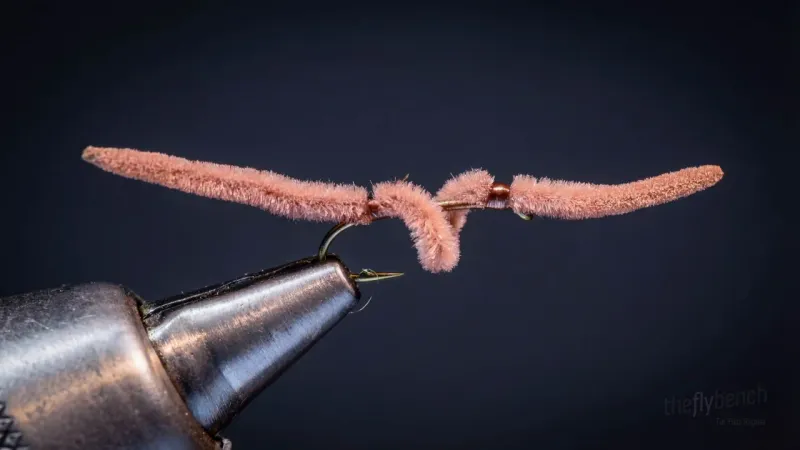
NymphPigsticker Worm
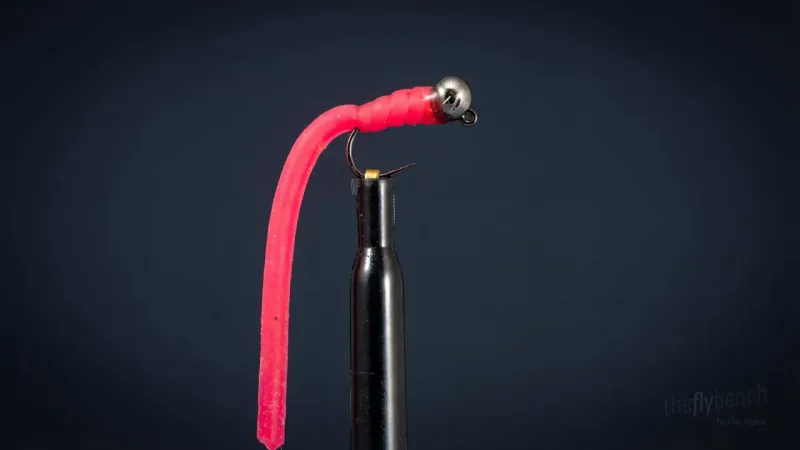
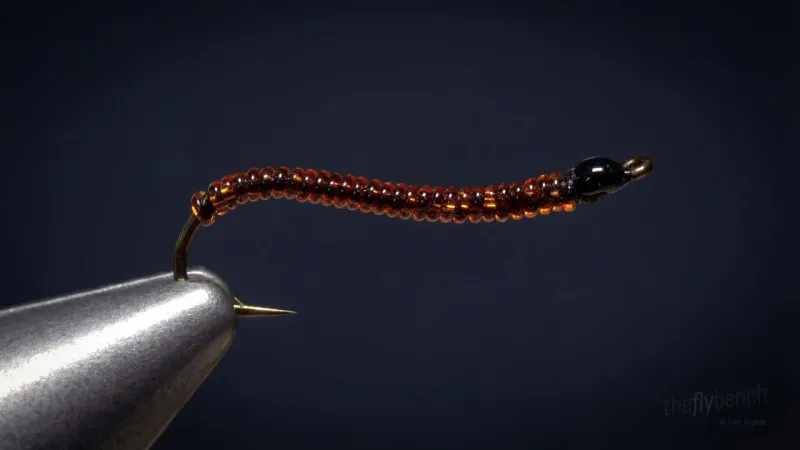
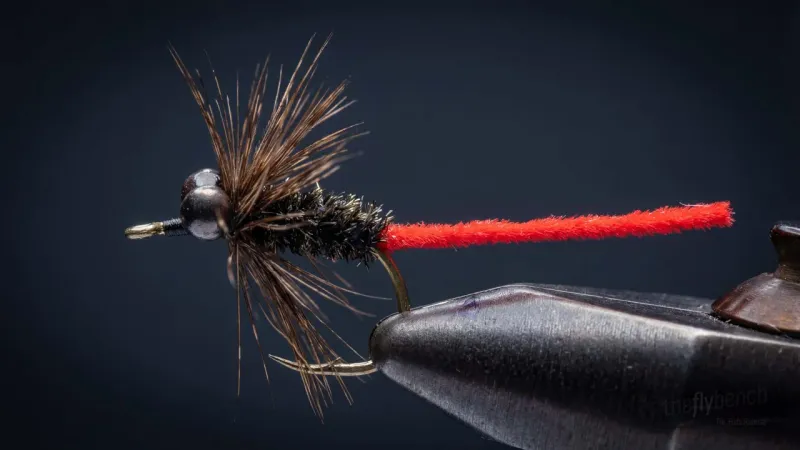
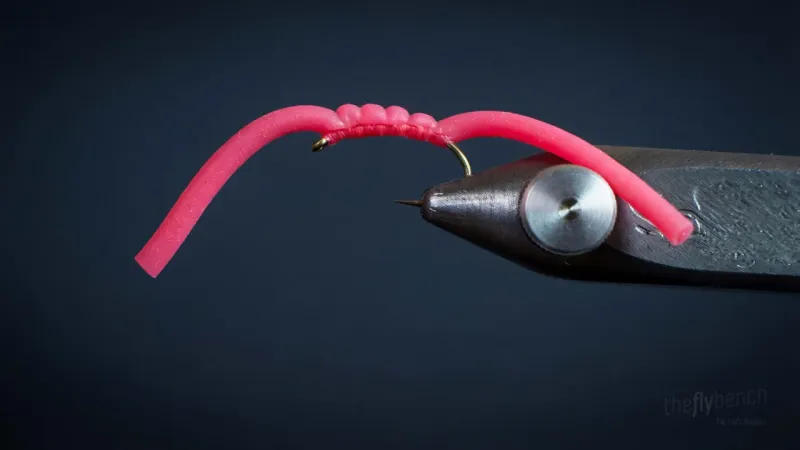
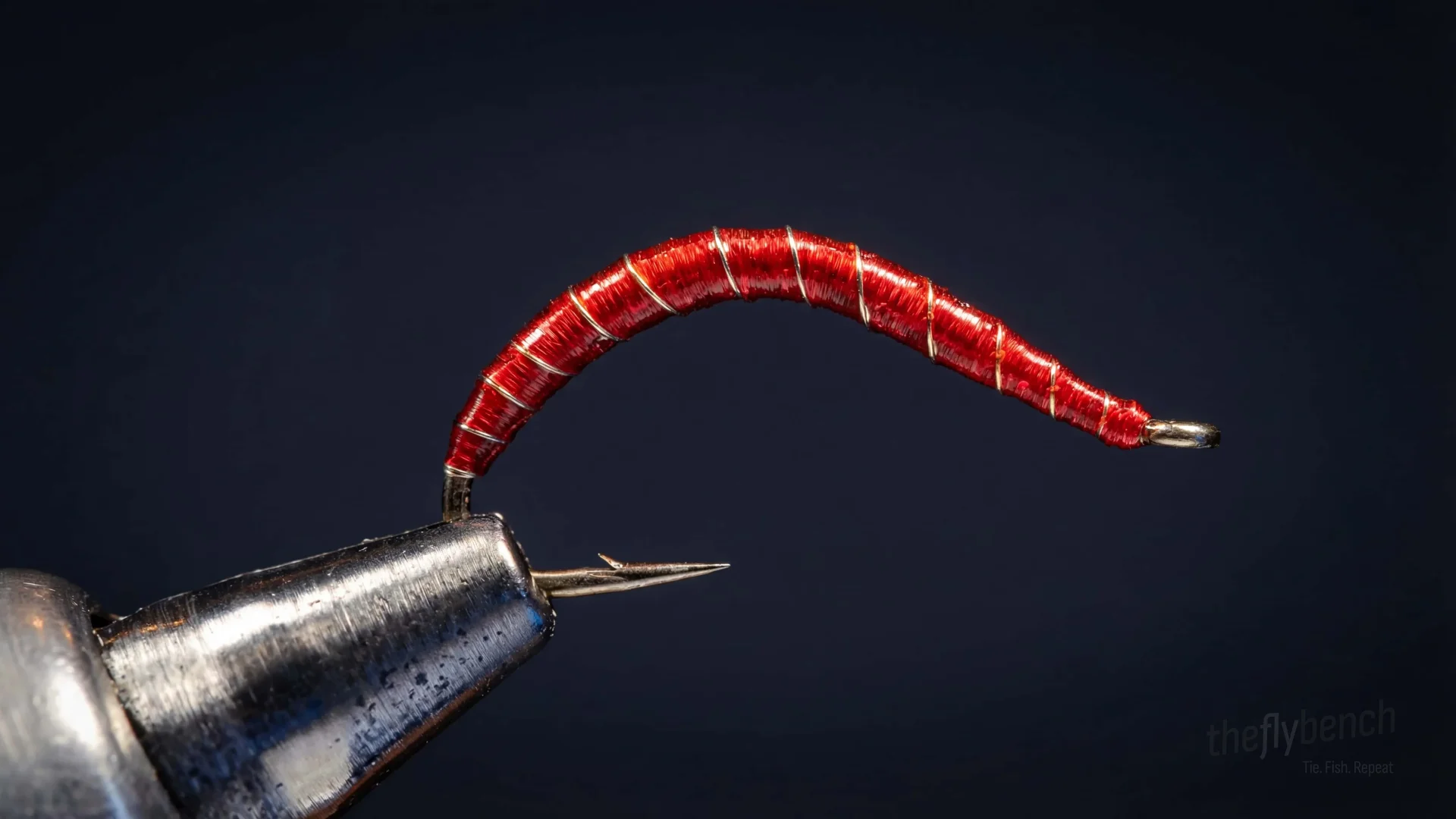
This highly effective pattern is designed to imitate a segmented worm, fooling fish into thinking they've found an easy meal. The Pigsticker Worm's vibrant colors and lifelike movements make it irresistible to various species.
Spring, Summer, Fall
Beginner
Trout, Bass
Apr 2025
Overview
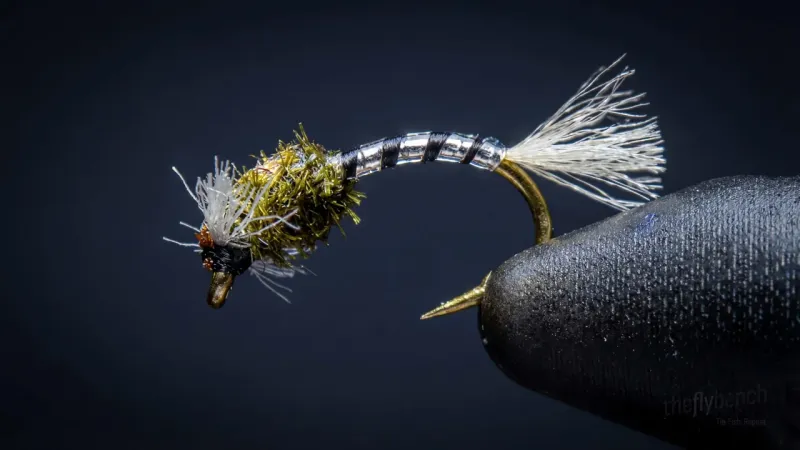
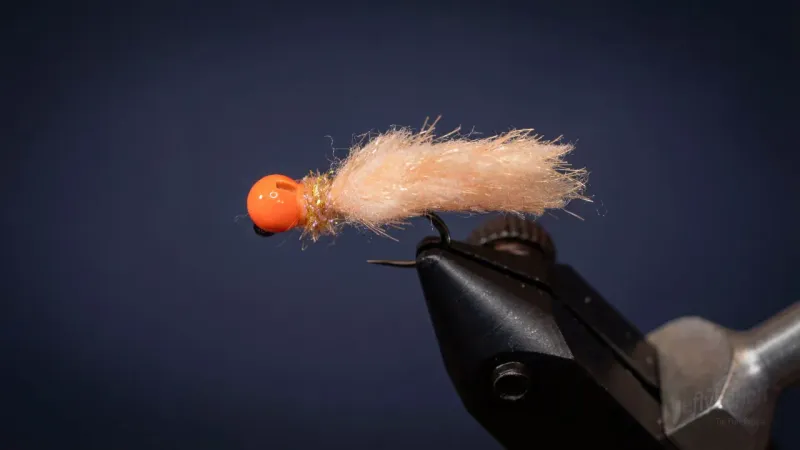
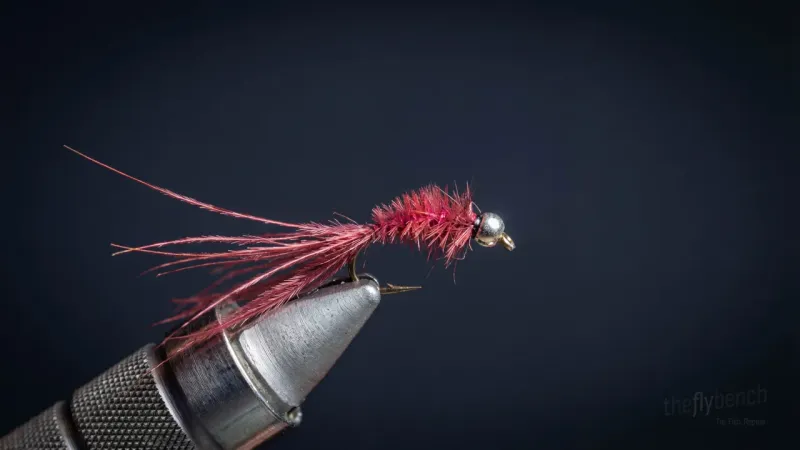
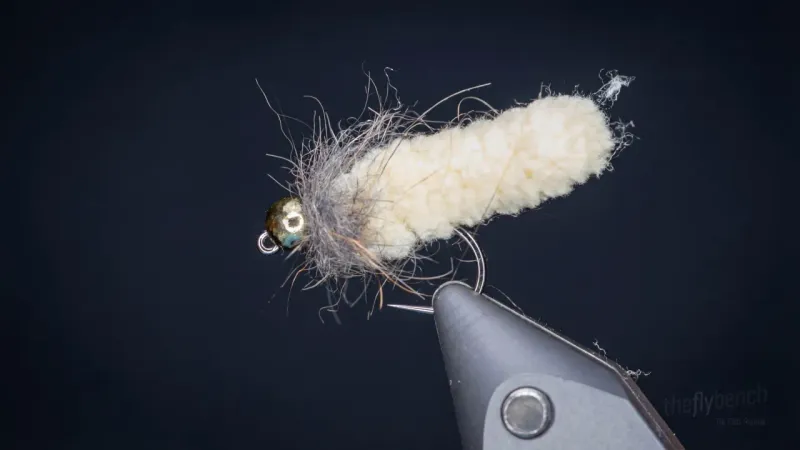
A modern worm pattern made with a long shank hook, heavy tungsten bead, and squirmy worm chenille. The material is tied in at both ends or left trailing, and it's built to sink quickly in deep or fast water.
Where to Buy This Fly
We only link to fly shops we trust. Some links are referral links, which may earn us a commission at no extra cost to you.
Materials
- Hook:
- Gamakatsu C12U #6
- Weight:
- .015 Lead Wire
- Thread:
- 140 Denier UTC Ultra Thread Red
- Ribbing:
- Small UTC Wire Silver
- Coating:
- Sally Hansen's Hard As Nails or Solarez Ultra Thin
Behavior & Presentation
Natural Behavior: Storm flows flush terrestrial invertebrates from bankside soils, sending them tumbling downstream with constant writhing that contrasts against muddy substrates. Fish gorge on these windfall calories during runoff when traditional prey is difficult to see or catch.
Where Trout Eat It: Fish feed opportunistically near banks and in slower water during runoff at depths of 2-6 feet where worms accumulate.
How to Fish It: Use a slow, twitching retrieve or dead drift under an indicator to replicate the writhing motion of drifting worms.
Best Water: Target runs, riffle edges, pockets, seams, and bank structure during high water when worms enter the system.
Strike Type: Look for hard indicator pulls or sudden line stops during runoff conditions. The squirmy material triggers aggressive strikes from opportunistic feeders—takes often feel like solid thumps or heavy resistance.
Fishing Strategy
Rigging Suggestions: Try rigging this pattern under an indicator or on a high-low rig with a weighted nymph.
Seasonal Timing: The Pigsticker Worm is particularly effective during the warmer months of , , and when worms are most active and likely to end up in the water.
Pro Tips: The Pigsticker Worm is designed to sink and imitate a free-floating worm. Its vibrant color makes it highly visible even in murky water conditions.
Entomology
Aquatic worms wash into rivers during rain events and high water, their segmented bodies writhing as they tumble helplessly in the current with no ability to escape or hide. Trout feed heavily on worms during these flood pulses because the terrestrial influx represents a windfall of easy calories, and the worms' constant movement makes them highly visible against the streambed.
- Organism Type
- worm
- Life Stage
- general