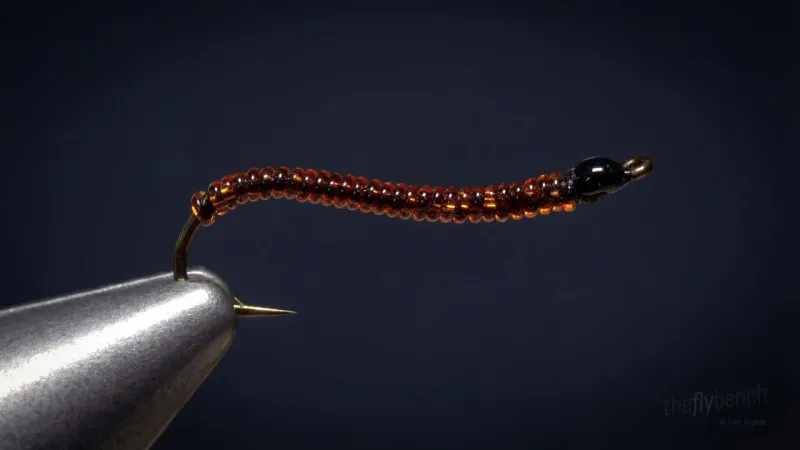
NymphSquirmy Wormy
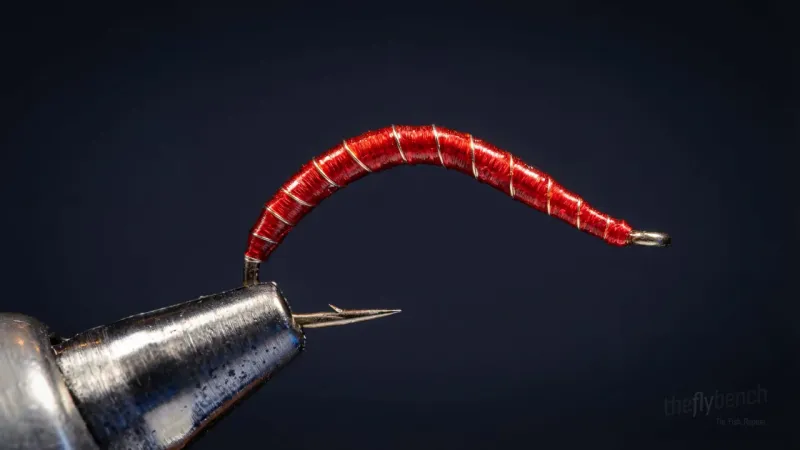
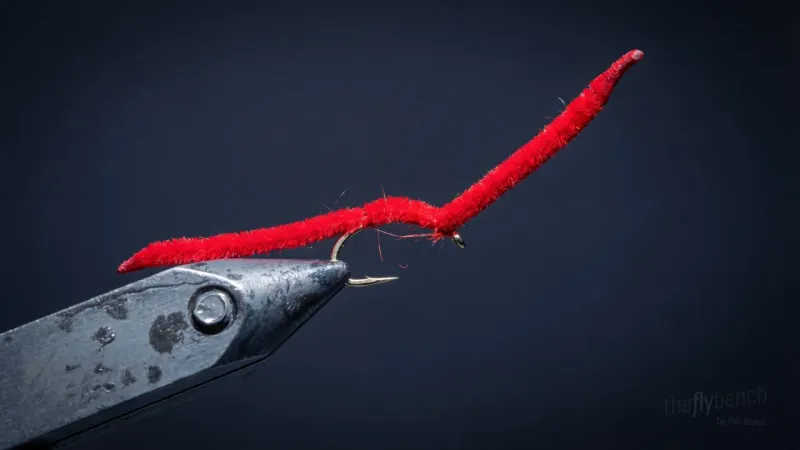
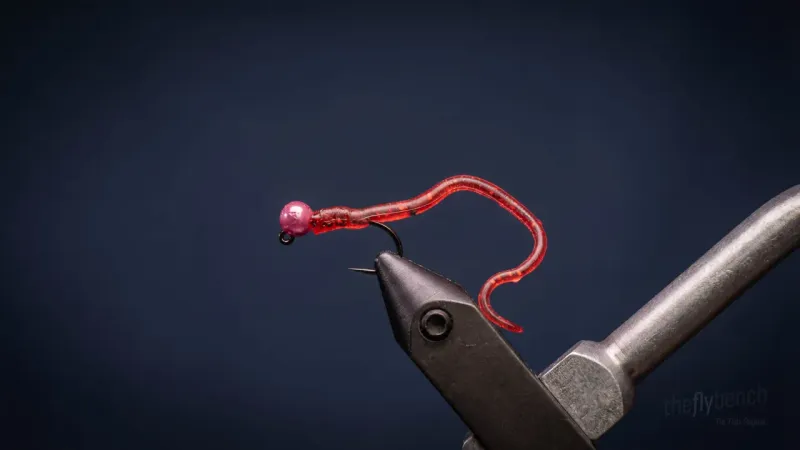
The Squirmy Wormy is a simple yet effective pattern that imitates an earthworm. It's incredibly effective in high, stained water when visibility is low and trout are seeking out large, easy meals.
Year Round
Beginner
Trout
Apr 2025
Overview
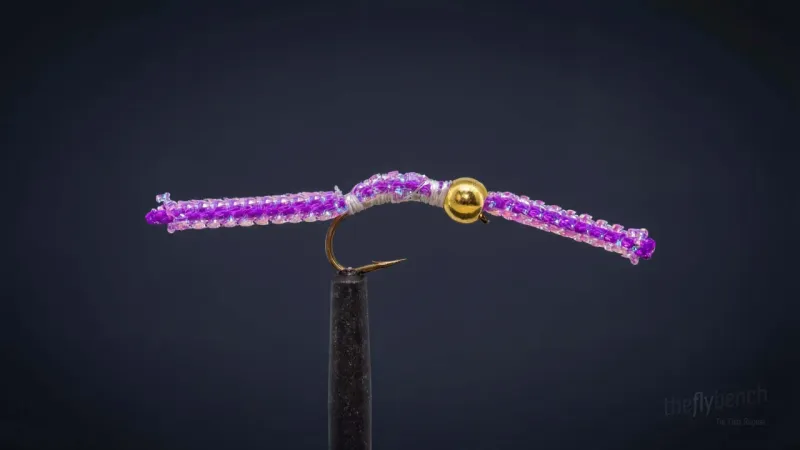
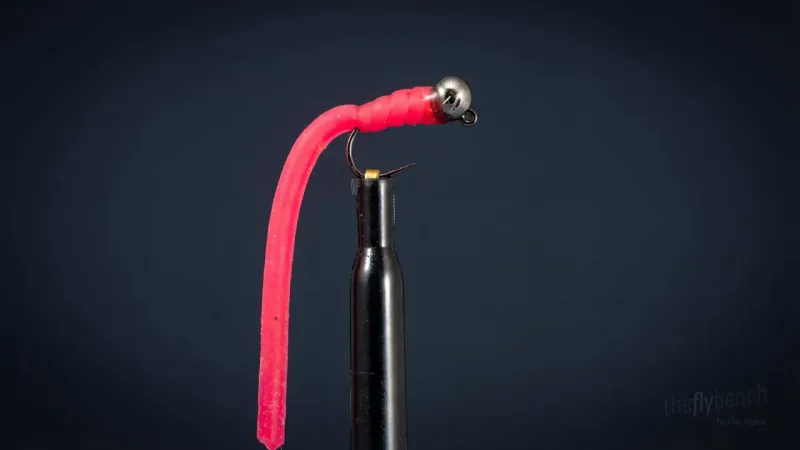
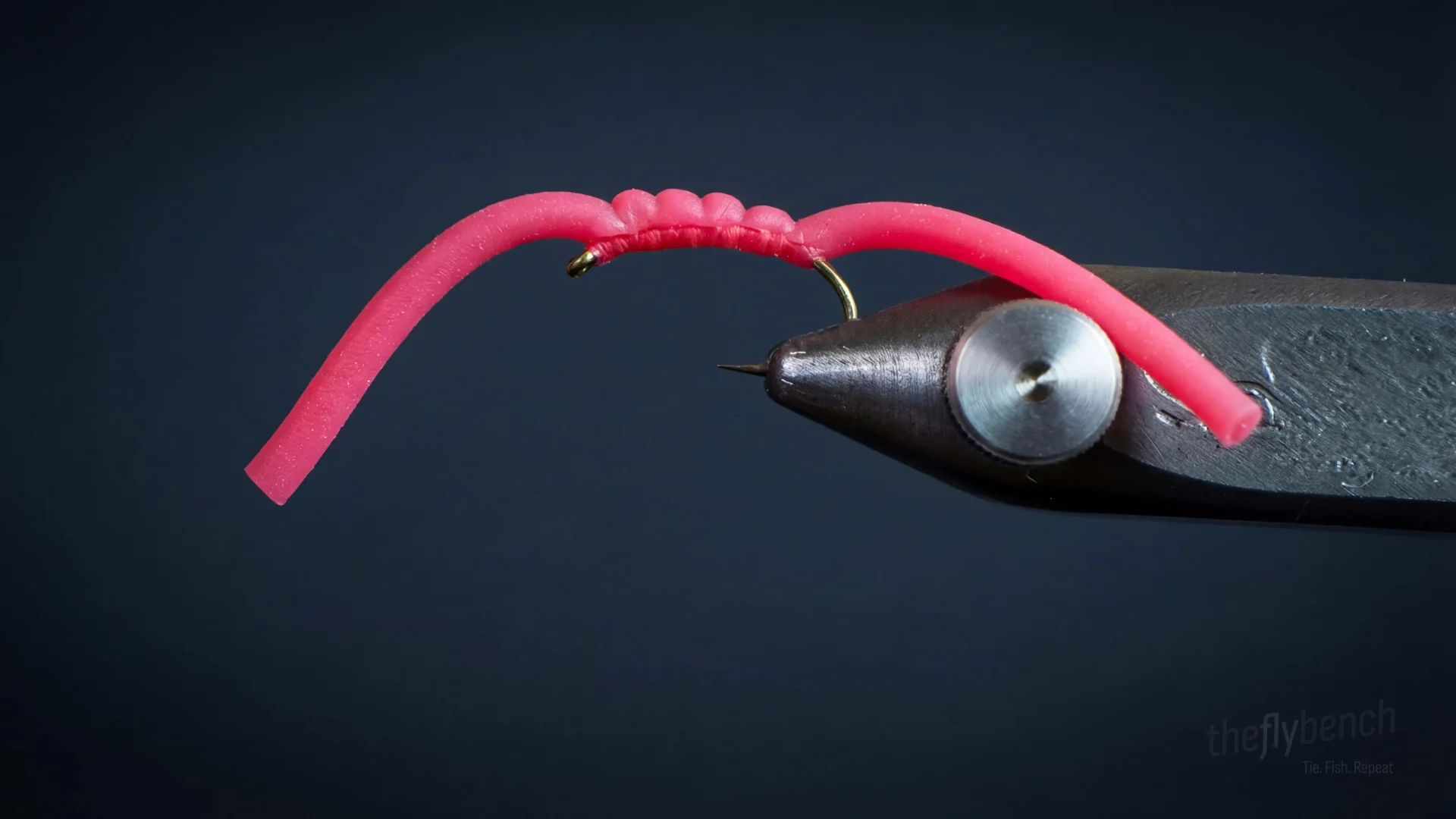
An update to the San Juan Worm using stretchy, wiggly squirmy material for extreme movement. Tied simply on a curved hook with or without a bead, it's a controversial but highly effective pattern, especially in off-color or pressured water.
Where to Buy This Fly
We only link to fly shops we trust. Some links are referral links, which may earn us a commission at no extra cost to you.
Materials
- Hook:
- Dai-Riki 135, sizes #12-#16
- Thread:
- 6/0 or 140 Denier, red
- Underbody/overbody:
- Superfine Dubbing, red
- Body:
- Red Sili Worm, half a strand
Behavior & Presentation
Natural Behavior: Terrestrial worms struggle and writhe in unfamiliar aquatic environments after rain events, their undulating bodies creating constant motion as they drift helplessly. These calorie-dense morsels require minimal effort to capture during high-water conditions.
Where Trout Eat It: Fish feed opportunistically in slack water along banks, inside bends, and eddies at depths of 2-5 feet during runoff.
How to Fish It: Dead drift along bottom with high-stick nymphing or subtle rod tip twitches to create undulating movement.
Best Water: Focus on tail-outs, seams, pockets, drop-offs, undercuts, and slack water along banks during high flows.
Strike Type: Feel sudden weight or watch indicator drop as fish aggressively take the drifting worm.
Fishing Strategy
Rigging Suggestions: Use 4X-5X tippet on a 9-10 foot leader. Fish solo or as anchor fly in tandem rig with smaller nymph 18 inches above. Add tungsten bead or split shot 12 inches up for fast water.
Seasonal Timing: productivity with exceptional results during March-June runoff and September-October precipitation events when terrestrial worms wash into waterways. Effective any time water visibility is reduced or flows are elevated.
Pro Tips: Red and pink variations excel universally, but experiment with brown, orange, and chartreuse in different water conditions. Size 8-12 patterns match natural earthworms.
Entomology
Terrestrial earthworms wash into rivers and streams during rain storms, writhing and undulating in the current as they struggle in the unfamiliar aquatic environment. Trout recognize these calorie-dense morsels as easy meals requiring minimal effort, often feeding selectively on worms during high-water conditions when other prey is scarce or difficult to see.
- Organism Type
- worm
- Life Stage
- general