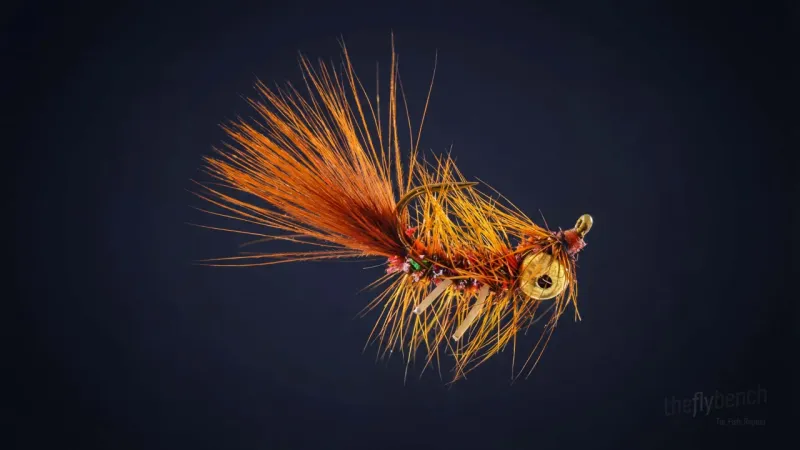
NymphHybrid Carp Worm
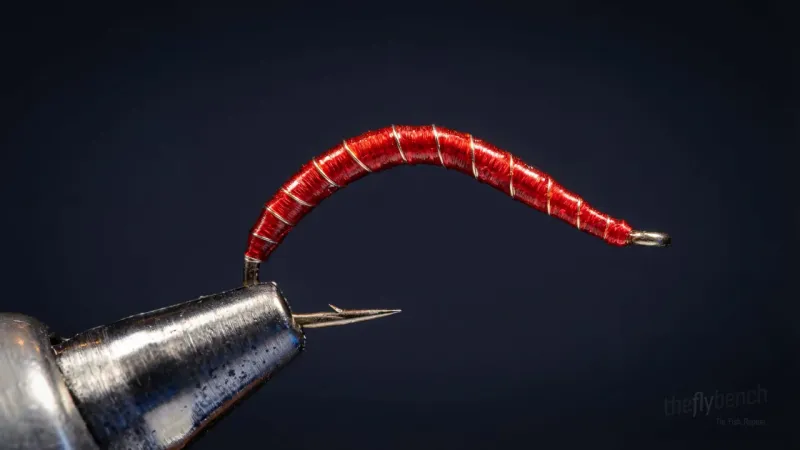
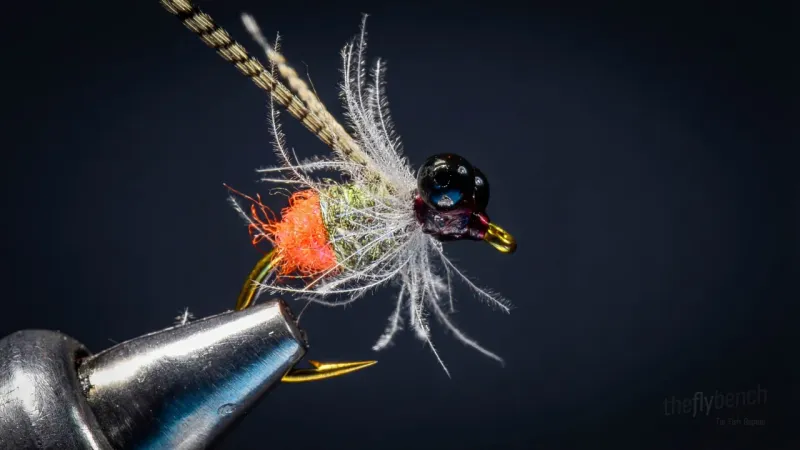
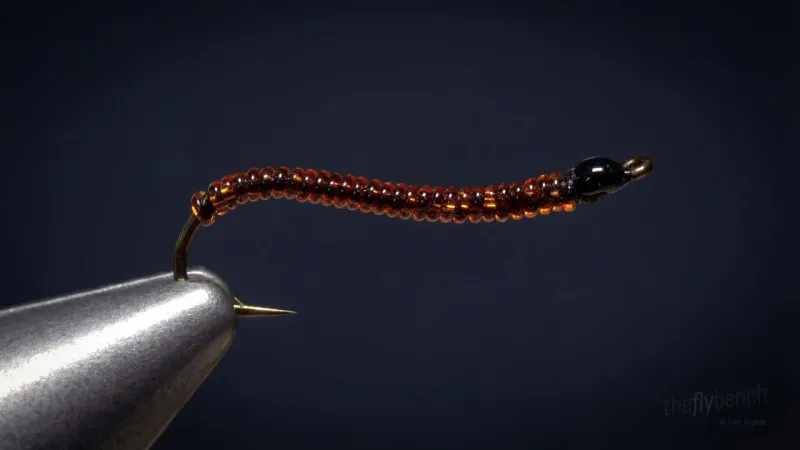
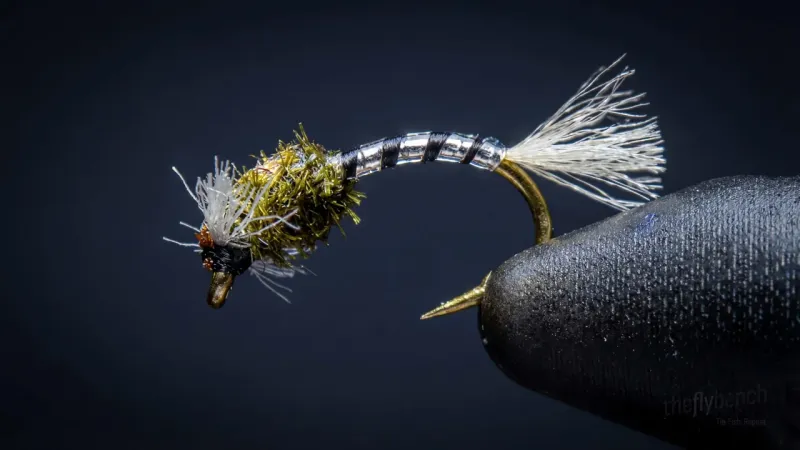
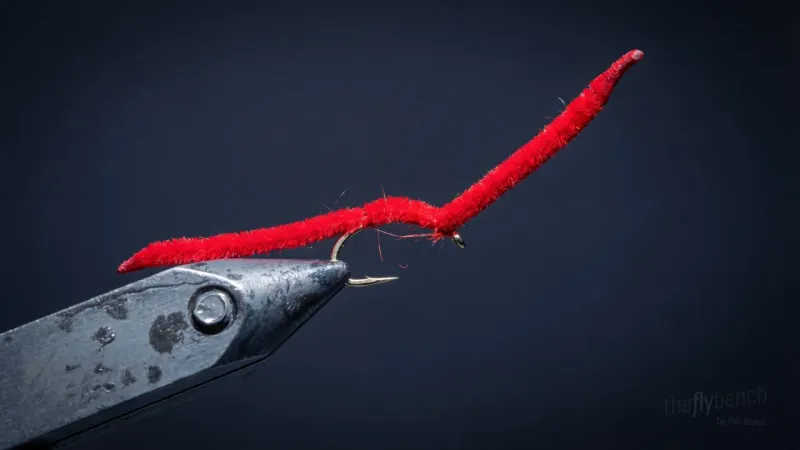
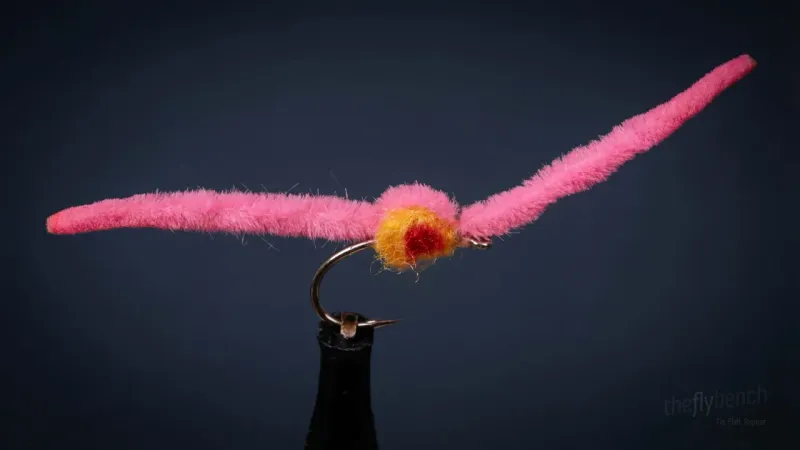
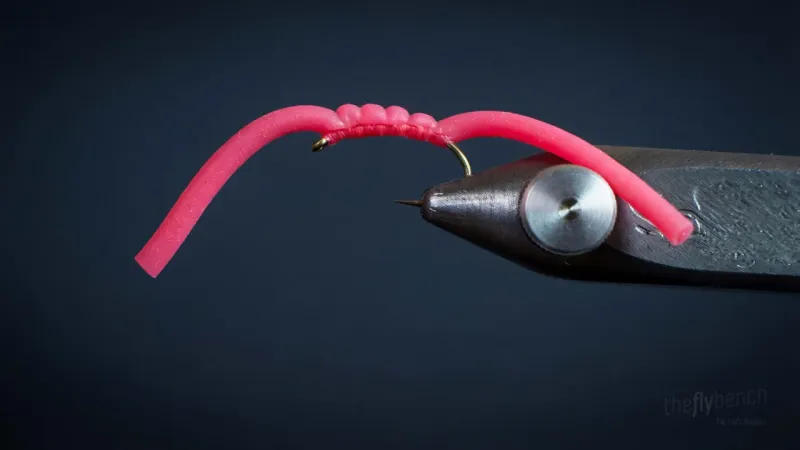
Unique and effective fly pattern entices even the most wary carp. Combines the movement of a worm with a slightly more natural profile, featuring a chenille or squirmy worm tail and dubbed collar. Resemblance to a worm and enticing movement make it highly effective for carp fishing.
Spring, Summer, Fall
Intermediate
Carp
Apr 2025
Overview
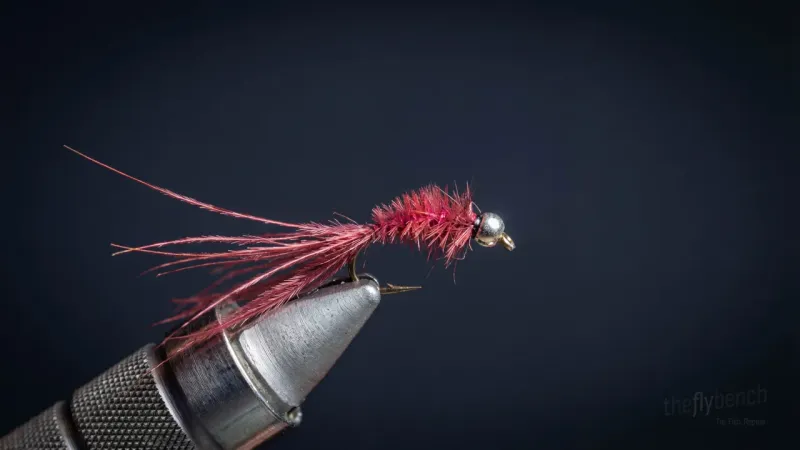
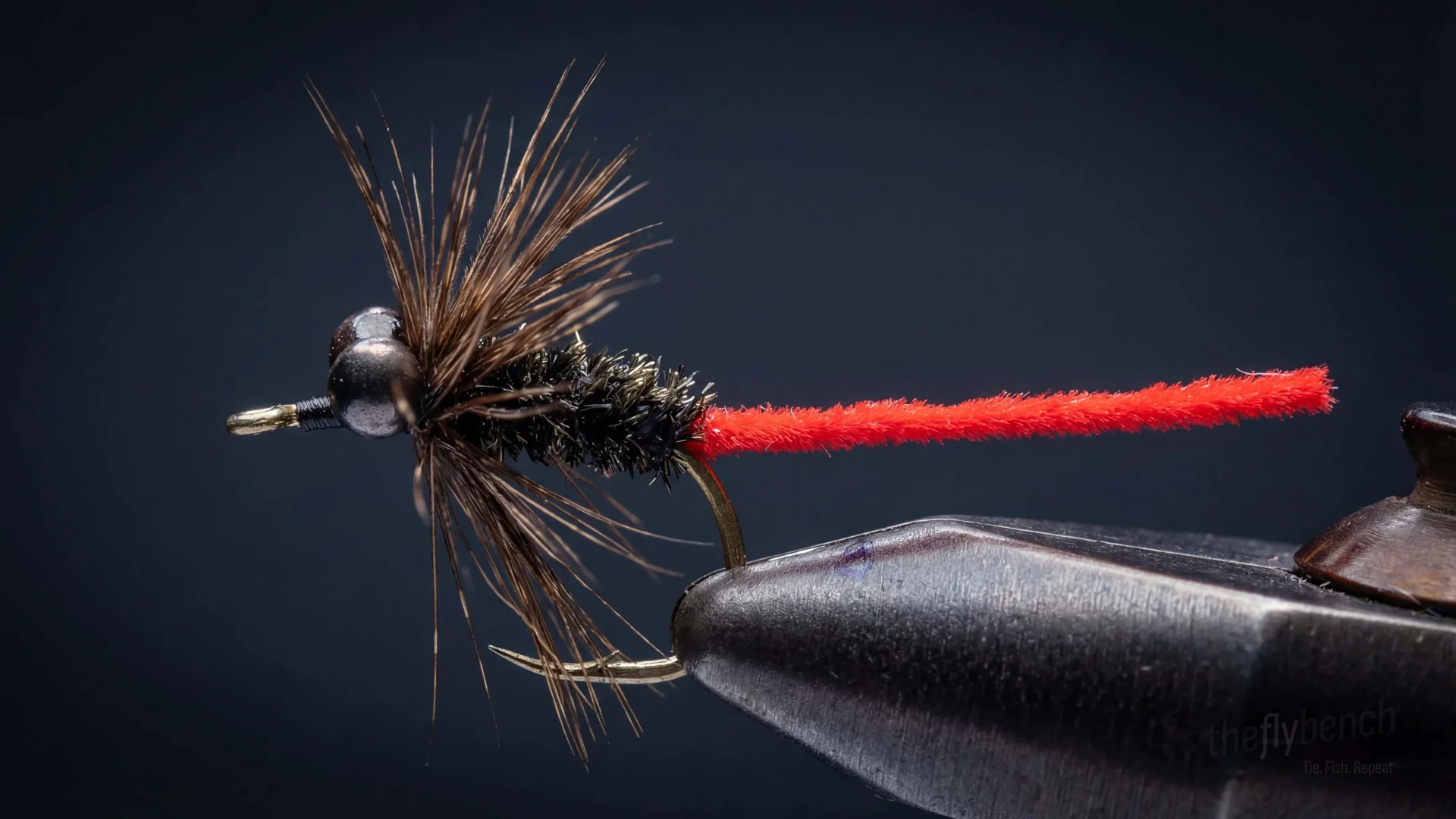
Tied with a chenille or squirmy worm tail and dubbed collar, this fly combines the movement of a worm with a slightly more natural profile. Often includes bead chain eyes or a small bead to get it to the bottom where carp feed. The bright colors trigger curiosity while the undulating tail mimics natural worm movement. Effective in various colors including pink, red, and chartreuse to match conditions and visibility.
Where to Buy This Fly
We only link to fly shops we trust. Some links are referral links, which may earn us a commission at no extra cost to you.
Materials
- Hook:
- #08-12 Tiemco 2499SP-BL
- Eyes:
- Small Brass Eyes
- Thread:
- Black UTC 70
- Tail:
- Red Velvet Chenille
- Body:
- Peacock Herl
- Collar:
- Natural India Hen Back
Behavior & Presentation
Natural Behavior: Aquatic worms writhe and undulate when disturbed from bottom sediments, exposing themselves in clouds of silt. Their soft bodies and helpless movement trigger opportunistic feeding by carp cruising flats and banks.
Where Trout Eat It: Bottom zone of muddy flats, grass edges, and shallow shelves where carp root for food.
How to Fish It: Cast ahead of cruising fish and let it settle, using minimal movement to keep it in the strike zone as fish approach.
Best Water: Muddy flats, grass edges, drop-offs, and shallow banks where carp feed actively on invertebrates.
Strike Type: Line moves steadily as carp sips worm from bottom, requiring gentle hook-set to avoid breaking tippet.
Fishing Strategy
Rigging Suggestions: A 9-foot leader with 2X-3X fluorocarbon tippet and a slow-sinking line works well with this fly. Taper to the stronger tippet for carp battles.
Seasonal Timing: Use this fly May through September in warmer months when carp are feeding more aggressively. Peak effectiveness occurs during June-August when water temperatures reach 65-75°F.
Pro Tips: This fly sinks quickly to the feeding zone. The bright color can be easily seen by carp thanks to its high visibility, especially in stained or murky water.
Entomology
Aquatic worms drift helplessly in current following rain events or high water, tumbling along the bottom with undulating, snake-like movements. Carp and bottom feeders actively root through substrate for these soft-bodied, protein-rich organisms that represent easy nutrition without shells, scales, or defensive structures to navigate.
- Organism Type
- worm
- Life Stage
- general